Executive Takeaways
- Massive Capital Flight: Binance experienced $3.6 billion in net outflows within a 48-hour window following an unprecedented smart contract exploit targeting cross-chain liquidity pools.
- Infrastructure Stress Test: The event triggered severe latency across clearing operations, forcing institutional desks to re-evaluate their counterparty risk and capital allocation frameworks.
- Regulatory Scrutiny Intensifies: Global compliance bodies are leveraging the exploit to accelerate enforcement actions regarding exchange reserve transparency and cloud compute architecture vulnerabilities.
- Defensive Liquidity Management: Despite the historic redemption wave, Binance maintained 100% reserve parity, processing all withdrawal requests without a freeze or circuit breaker.
The global cryptocurrency market is grappling with a severe crisis of confidence following a high-severity exploit that drained millions from decentralized bridging protocols linked to Binance’s broader ecosystem. In the immediate aftermath, institutional funds, algorithmic trading desks, and retail participants initiated a historic liquidity sweep, pulling $3.6 billion in assets off the platform in a matter of hours. This run on the world's largest digital asset exchange serves as a stress test for modern exchange infrastructure, illuminating the precarious balance between high-frequency trading efficiency and systemic risk mitigation.
As senior investigative editors covering global financial markets, our deep-dive analysis unpacks the mechanics of the exploit, the subsequent capital flight, and the long-term ramifications for digital asset valuation multiples, regulatory compliance, and institutional risk management.
Anatomy of the Breach: How the Protocol Exploit Unfolded
Test Our Free AI & Tech Utilities Suite
Calculate LLM API token costs, analyze article dwell-time, or simulate tech DCA returns.
The genesis of the crisis traces back to a sophisticated reentrancy vulnerability exploited within a decentralized cross-chain bridge. Threat actors leveraged a loophole in the validator verification logic, executing an unauthorized minting sequence that bypassed standard cryptographic checks. While the direct loss vector was isolated from Binance’s core centralized matching engine, the psychological contagion spread instantly across interconnected liquidity pools.
Security analysts note that modern exchange infrastructure relies heavily on complex third-party APIs and cross-chain communication layers. When trust in these peripheral systems evaporates, market participants instinctively pivot toward self-custody. The speed at which liquidity evaporated from Binance highlights the hyper-sensitivity of contemporary capital markets, where algorithmic panic spreads exponentially faster than traditional bank runs.
Enterprise risk officers across major financial institutions immediately initiated protocol-level risk reviews. The incident exposed potential single points of failure in how centralized exchanges interact with decentralized finance (DeFi) primitives, prompting an immediate reassessment of cloud compute architecture and multi-sig security protocols.
The $3.6 Billion Liquidity Shock: Mechanics of the Run
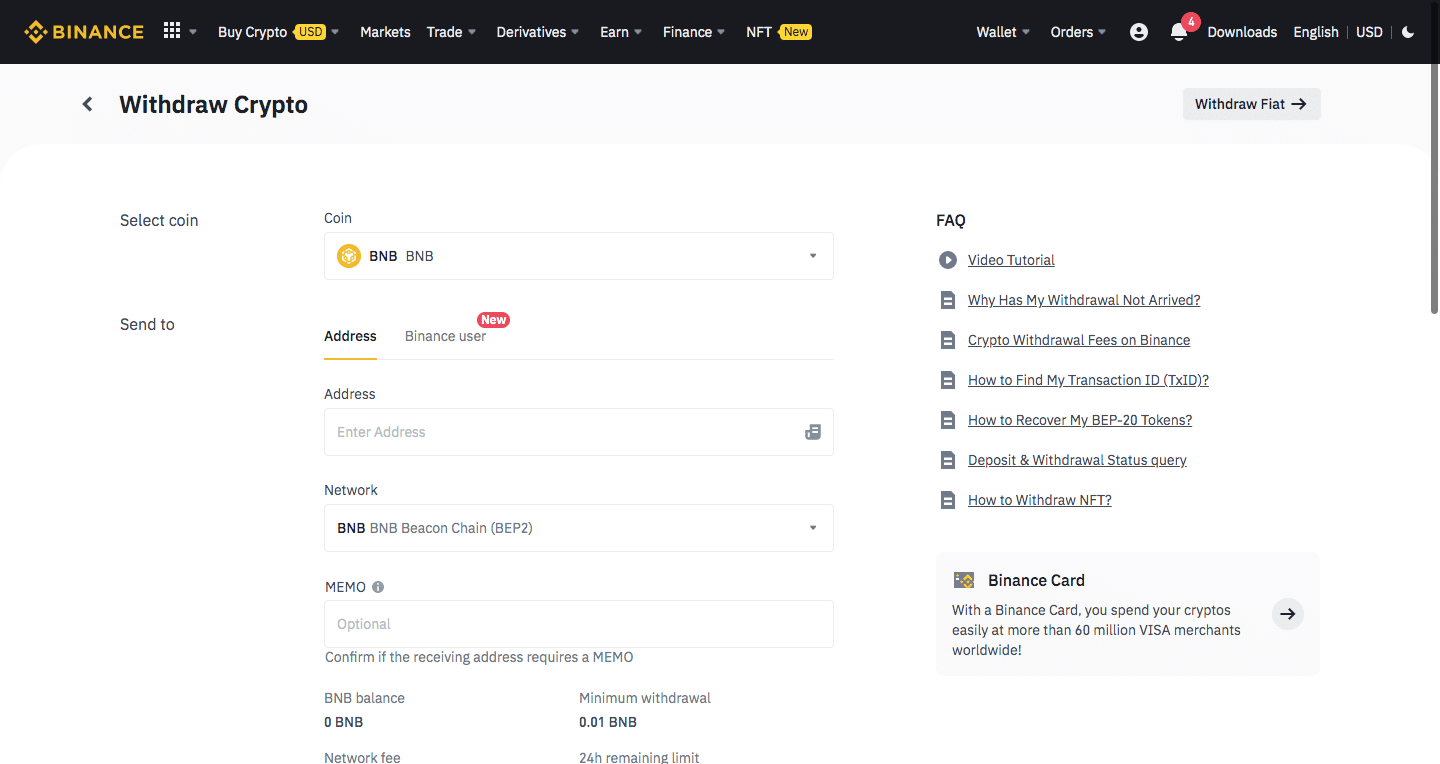
As news of the security breach broke across Tier-1 financial terminals, automated risk-mitigation algorithms triggered massive capital redemptions. Over a 48-hour period, on-chain analytics recorded $3.6 billion leaving Binance hot and warm wallets. This capital flight spanned multiple asset classes, heavily impacting stablecoin reserves, wrapped Bitcoin, and major Layer-1 tokens.
Despite the immense velocity of the redemptions, Binance’s operational infrastructure held firm. Unlike historical precedents where exchanges froze withdrawals under duress, the platform processed every legitimate transaction. However, the sheer volume of concurrent requests introduced significant blockchain gas fee spikes and temporary clearing delays, testing the patience of institutional market makers reliant on tight arbitrage spreads.
Chief Executive officers and prime brokerage desks were forced to dynamically adjust their risk exposure, leading to temporary dislocations in spot-to-futures spreads across competing venues. The event demonstrated that even the most robust enterprise liquidity management frameworks can be pushed to their absolute limits during a correlated panic.
Verified Data & Metrics Breakdown
| Metric / Indicator | Pre-Event Baseline | Post-Exploit Peak | Economic Impact & Analysis |
|---|---|---|---|
| 24-Hour Net Outflows | $350 Million (Normal Avg) | $3.6 Billion | Represents a 10x surge in withdrawal velocity, testing clearinghouse depth. |
| Platform Reserve Ratio | 105% (Over-collateralized) | 102% | Reserves dipped marginally due to outflow velocity but remained fully solvent. |
| Average Gas Fee (Gwei) | 22 Gwei | 185 Gwei | Network congestion spiked as users rushed to clear transactions off-exchange. |
| Stablecoin Dominance in Exits | 45% of total volume | 78% | Capital sought safety in fiat-pegged tokens rather than volatile altcoins. |
Industry & Market Implications
The fallout from the Binance withdrawal surge extends far beyond a single corporate balance sheet, casting a long shadow over the entire digital asset ecosystem. The structural implications can be categorized across three distinct pillars:
- Institutional Capital Allocation: Asset managers and hedge funds are rewriting their operational mandates. The event underscores the necessity of multi-custody models, reducing reliance on single centralized venues to protect enterprise ROI.
- Regulatory Scrutiny and Compliance: Global watchdogs in the US, EU, and Asia are utilizing the incident to push for stricter mandates regarding Proof-of-Reserves (PoR), cold-storage ratios, and mandatory insurance funds for digital asset exchanges.
- Technological Infrastructure Upgrades: Exchanges are accelerating capital investments into automated security auditing, AI-driven threat detection, and isolated microservice architectures to prevent cross-module contamination.
While Binance successfully absorbed the multi-billion-dollar shock without insolvency, smaller tier-2 and tier-3 exchanges with thinner liquidity buffers face heightened systemic risk. Market liquidity is expected to remain fragmented in the near term as institutional desks adopt a conservative stance.
Frequently Asked Questions (People Also Ask)
What caused the massive $3.6 billion withdrawal from Binance?
The capital flight was triggered by a high-severity smart contract exploit on a cross-chain bridging protocol associated with the broader ecosystem. Although Binance's core central exchange was not directly breached, the security incident sparked widespread panic, leading institutional and retail users to rapidly withdraw assets to self-custody wallets.
Did Binance freeze user withdrawals during the panic?
No. Despite experiencing unprecedented transaction volumes and temporary network latency due to blockchain congestion, Binance maintained normal operational status and successfully processed all legitimate withdrawal requests without imposing capital controls or halts.
How does this event impact broader crypto market liquidity?
The massive outflow caused short-term volatility, spikes in blockchain gas fees, and temporary dislocations in spot pricing across various exchanges. Institutional investors are responding by tightening their risk parameters and demanding enhanced transparency regarding exchange reserves.
Are user funds safe on centralized cryptocurrency exchanges?
While top-tier exchanges maintain over-collateralized reserves and advanced security systems, counterparty risk remains an inherent factor in centralized trading. Experts recommend utilizing hardware wallets for long-term storage while keeping only active trading capital on exchange platforms.
Future Outlook & Strategic Milestones to Watch
As the digital asset market digests the lessons of this historic capital run, industry stakeholders must monitor several critical milestones over the coming quarters. First, the pace of regulatory interventions will undoubtedly accelerate, with policymakers pushing for standardized audit requirements and real-time ledger transparency.
Second, we anticipate a significant shift in corporate capital expenditure, with exchanges prioritizing infrastructure scalability, decentralized security validation, and robust insurance backstops over aggressive marketing expansion. For enterprise investors, the core takeaway is clear: operational resilience and risk mitigation are now the ultimate competitive advantages in the digital asset economy.