Executive Takeaways
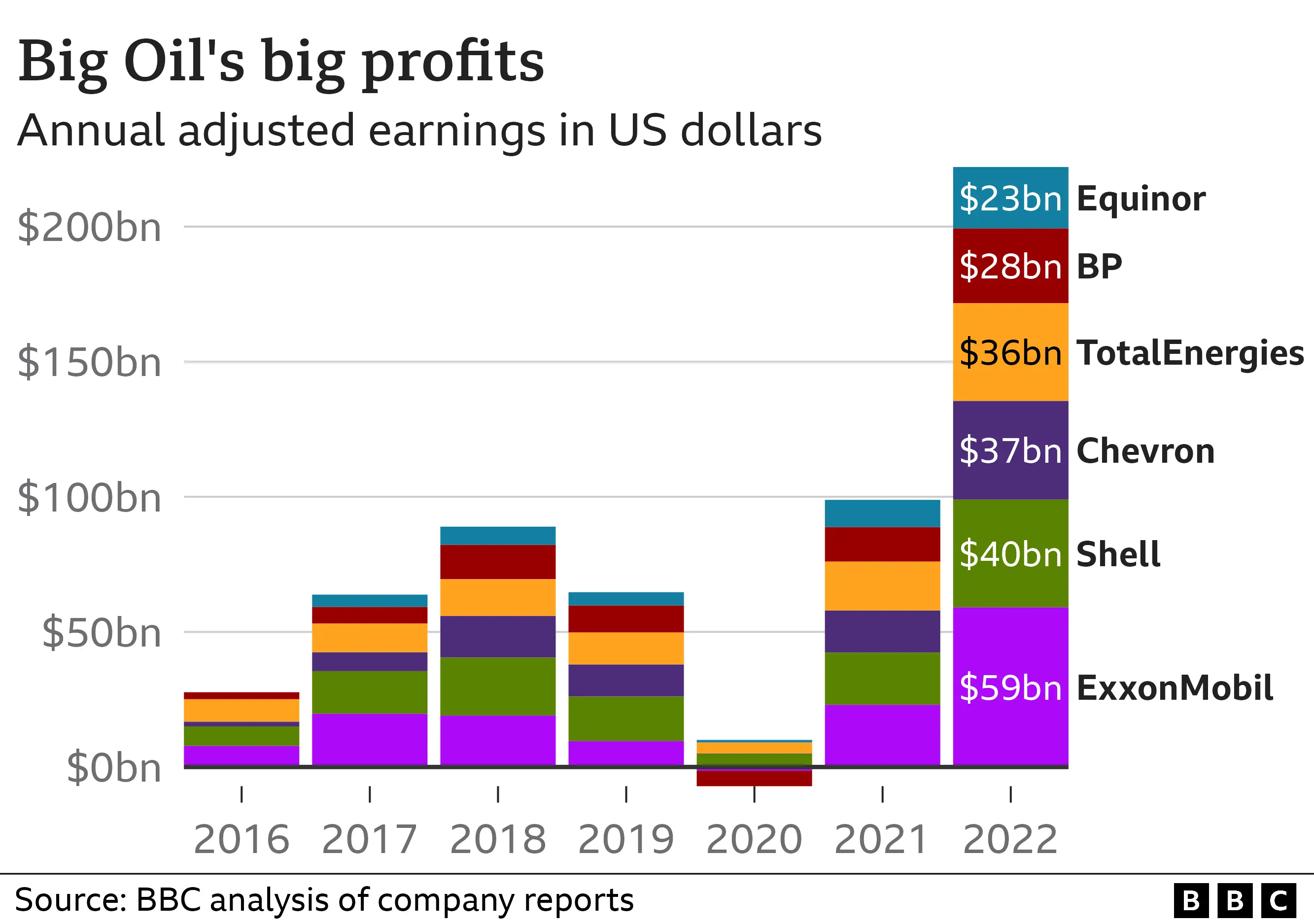
- The Downstream Shift: While upstream exploration captured initial headlines amid political sparring over energy costs, Big Oil’s downstream refining operations quietly became the primary engine of record cash-flow generation.
- Structural Supply Deficit: Global refining capacity contracted by more than 3 million barrels per day during the pandemic shutdowns, creating a severe supply bottleneck that historical capital allocation models have yet to fully correct.
- Valuation Multiples and ROI: Refiners experienced unprecedented enterprise ROI and surging valuation multiples as crack spreads widened to historic highs, directly challenging traditional corporate risk mitigation strategies.
- Policy Paradox: Public scrutiny and populist political rhetoric aimed at capping corporate profits inadvertently coincided with regulatory hurdles that stifled new domestic refining infrastructure scalability.
The intersection of populist political pressure and global commodity market mechanics has rarely produced a financial phenomenon as lucrative as the post-pandemic refining boom. When high-profile political figures—most notably former President Donald Trump—publicly castigated integrated energy majors for exorbitant profit margins, the public discourse focused heavily on crude oil extraction and retail gasoline pricing at the pump. Yet, beneath the surface of the headlines, a far more sophisticated and lucrative structural shift was taking place in the engine rooms of the global energy complex: the downstream refining segment.
For decades, refining was viewed by Wall Street analysts and institutional investors as a cyclical, low-margin, capital-intensive headache. It was the volatile counterweight to the steady cash flows of upstream exploration and production (E&P). However, a convergence of unexpected geopolitical shocks, severe capacity contraction, and rigid regulatory frameworks flipped this paradigm on its head. Downstream operations transformed from a necessary drag on balance sheets into an unprecedented cash-generating juggernaut.
The Catalytic Anatomy of a Refining Super-Cycle
Test Our Free AI & Tech Utilities Suite
Calculate LLM API token costs, analyze article dwell-time, or simulate tech DCA returns.
To understand how refining earnings surged to historic highs, one must examine the structural integrity of the global petroleum supply chain leading into the 2020s. During the height of the COVID-19 pandemic, collapsing global mobility forced demand off a cliff. Refiners worldwide, facing catastrophic inventory gluts and decimated operating margins, shuttered more than 3 million barrels per day of processing capacity. Facilities in North America and Europe were permanently decommissioned, converted to renewable diesel plants, or idled indefinitely.
When global economic activity roared back far faster than anticipated, the remaining infrastructure scalability hit a hard ceiling. As crude oil prices rebounded, the physical capability to transform that crude into usable gasoline, diesel, and jet fuel was severely constrained. This dynamic gave birth to historic crack spreads—the differential between the cost of crude oil and the market value of refined petroleum products.
Integrated energy majors including ExxonMobil, Chevron, Marathon Petroleum, and Valero found themselves holding strategically advantaged domestic refining assets. While independent refiners profited handsomely, the integrated majors utilized their balance sheet strength and sophisticated logistics networks to capture maximum margins across the entire hydrocarbon value chain. Capital allocation strategies rapidly pivoted from aggressive decarbonization and ESG-focused restraint back toward maximizing immediate cash returns, share buybacks, and special dividends.
Data & Metrics Breakdown: The Refining Earnings Surge

The financial scale of the downstream windfall is best illustrated through comparative operational data. The table below outlines the pre-pandemic baseline versus the peak earnings environment that triggered intense regulatory scrutiny and public debate over corporate profit extraction.
| Metric / Indicator | Pre-Pandemic Baseline (2018–2019 Avg) | Peak Earnings Era (2022–2023 Avg) | Percentage Change / Net Impact |
|---|---|---|---|
| Global Refining Capacity | ~101.5 Million bpd | ~98.5 Million bpd | -3.0% (Structural Deficit) |
| Average US Gulf Coast Crack Spread | $14.50 – $18.00 per barrel | $35.00 – $55.00+ per barrel | +150% to +200% Surge |
| Downstream Operating Income (Top 4 US Majors) | ~$12.4 Billion Annually | ~$41.2 Billion Annually | +232% Increase |
| Refinery Utilization Rates | 88% – 91% | 93% – 95% (Near Maximum) | Maximized Operating Leverage |
Industry & Market Implications: Winners, Losers, and Macroeconomic Ripple Effects
The exponential growth in refining earnings sent profound shockwaves through global financial markets, altering corporate valuations and regulatory risk profiles.
The Winners
Integrated energy giants and dedicated independent refiners emerged as the primary financial victors. With valuation multiples expanding and robust market liquidity supporting aggressive share repurchase programs, institutional investors who maintained overweight positions in traditional energy found themselves reaping historic dividends. Furthermore, firms with complex refineries capable of processing heavy, sour crude grades—such as those sourced from Canada and Latin America—captured an additional margin advantage by acquiring discounted feedstocks while selling refined products at Brent- or WGS-pegged market rates.
The Losers
Consumers, airlines, logistics providers, and heavy industrial manufacturers absorbed the brunt of the shock. Elevated refining margins directly translated into sticky, high retail prices for gasoline, diesel, and jet fuel, even during periods when crude oil futures experienced downward corrections. This divergence between crude and product prices complicated corporate risk mitigation strategies for airlines and freight companies, squeezing operating margins across the broader transportation sector.
The Regulatory Crosshairs
Politically, the windfall profits placed oil executives squarely in the legislative spotlight. When political leaders like Donald Trump criticized energy companies for posting record net income while ordinary citizens struggled with inflation at the pump, it highlighted a profound disconnect between corporate fiduciary duty and political optics. Executives defended the earnings surge as a necessary market correction following years of depressed returns and argued that punitive taxation or profit caps would only disincentivize the very capital expenditures needed to stabilize long-term energy supplies.
Frequently Asked Questions (People Also Ask)
Why did refining margins increase so dramatically after the pandemic?
Refining margins surged due to a severe mismatch between global petroleum product demand and available processing capacity. During 2020 and 2021, over 3 million barrels per day of refining capacity was permanently shut down or converted. When travel and industrial demand returned swiftly, the remaining facilities operated near maximum capacity, driving crack spreads to historic highs.
How do integrated oil companies separate upstream and downstream earnings?
Integrated majors operate through distinct business segments. Upstream divisions focus on the exploration, drilling, and extraction of crude oil and natural gas. Downstream divisions purchase that crude (or acquire it on open markets) and operate refineries, pipelines, and retail networks to convert crude into marketable products like gasoline, diesel, and petrochemicals.
Can oil companies easily build new refineries to lower consumer prices?
No. Constructing a modern, utility-scale petroleum refinery requires billions of dollars in capital expenditure, multi-year permitting processes, intense regulatory compliance, and navigating strict environmental reviews. Given long-term global decarbonization targets and policy headwinds, major corporations have been hesitant to commit greenfield capital to traditional refining infrastructure.
What impact did political criticism have on Big Oil's capital allocation?
Despite intense populist and legislative pressure from figures across the political spectrum—including threats of windfall profit taxes—energy executives largely prioritized returning capital to shareholders through dividends and buybacks rather than sinking billions into long-cycle hydrocarbon projects that carry long-term regulatory obsolescence risk.
Future Outlook: Strategic Milestones to Watch
As global energy markets navigate the remainder of the decade, the structural dynamics governing refining earnings are entering a new phase. Institutional analysts are closely monitoring several critical inflection points:
- Capacity Normalization vs. Demand Destruction: New refining capacity additions coming online in the Middle East and Asia (such as Nigeria's mega-refinery and projects in Kuwait and China) are expected to gradually ease regional supply deficits, potentially compressing crack spreads from their historic peaks.
- Energy Transition and Asset Repurposing: Integrated majors continue to balance traditional petroleum refining with renewable diesel and biofuel co-processing. Regulatory mandates and carbon credit markets will heavily dictate the pace and enterprise ROI of these downstream conversions.
- Geopolitical Volatility and Export Dynamics: Ongoing trade sanctions, shifts in maritime shipping routes, and European dependence on alternative diesel sources will continue to create localized margin spikes, rewarding refiners with agile global logistics networks.
Ultimately, while political rhetoric will continue to target energy sector profitability, the underlying economics of the refining boom demonstrated that downstream infrastructure remains the indispensable bottleneck of the modern global economy. For investors and industry executives alike, managing the delicate balance between regulatory compliance, capital discipline, and geopolitical risk will define the next era of energy market leadership.