Executive Takeaways
- Massive Logistics Milestone: The latest SpaceX Cargo Dragon mission successfully docked at the International Space Station (ISS), delivering over 6,000 pounds of vital scientific hardware, research payloads, and crew supplies.
- Meticulous Capital Allocation & Infrastructure Scalability: This resupply run underscores NASA’s shifting strategy toward outsourced, fixed-price commercial contracts, significantly reducing enterprise risk and optimizing capital expenditure for orbital infrastructure.
- Advanced Microgravity R&D: The payload includes cutting-edge biological, pharmaceutical, and materials science experiments aimed at unlocking high-value commercial applications for terrestrial and orbital industries.
- Supply Chain Dominance: SpaceX continues to solidify its monopoly-adjacent grip on low-Earth orbit (LEO) logistics, forcing competing aerospace primes to re-evaluate their valuation multiples and technology roadmaps.
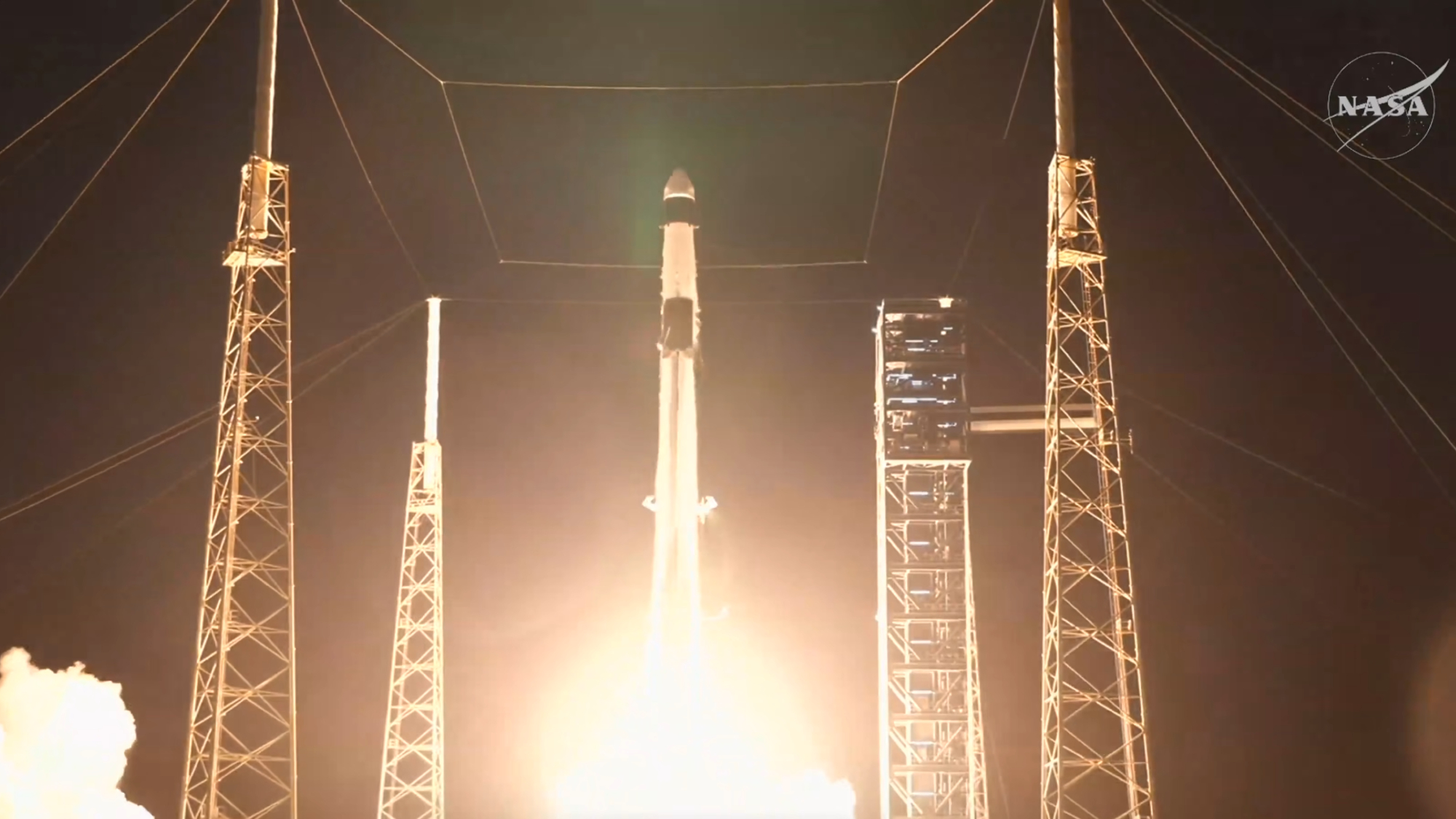
CAPE CANAVERAL & WASHINGTON — In a masterclass of precision orbital mechanics and automated docking technology, SpaceX’s Cargo Dragon spacecraft successfully latched onto the International Space Station (ISS), offloading more than 6,000 pounds of crucial scientific hardware, life support equipment, and provisions. The successful rendezvous, broadcast globally from mission control centers, highlights more than just a routine operational milestone; it represents a seismic shift in how heavy industry, sovereign space agencies, and private capital manage the delicate supply chains of the emerging low-Earth orbit economy.
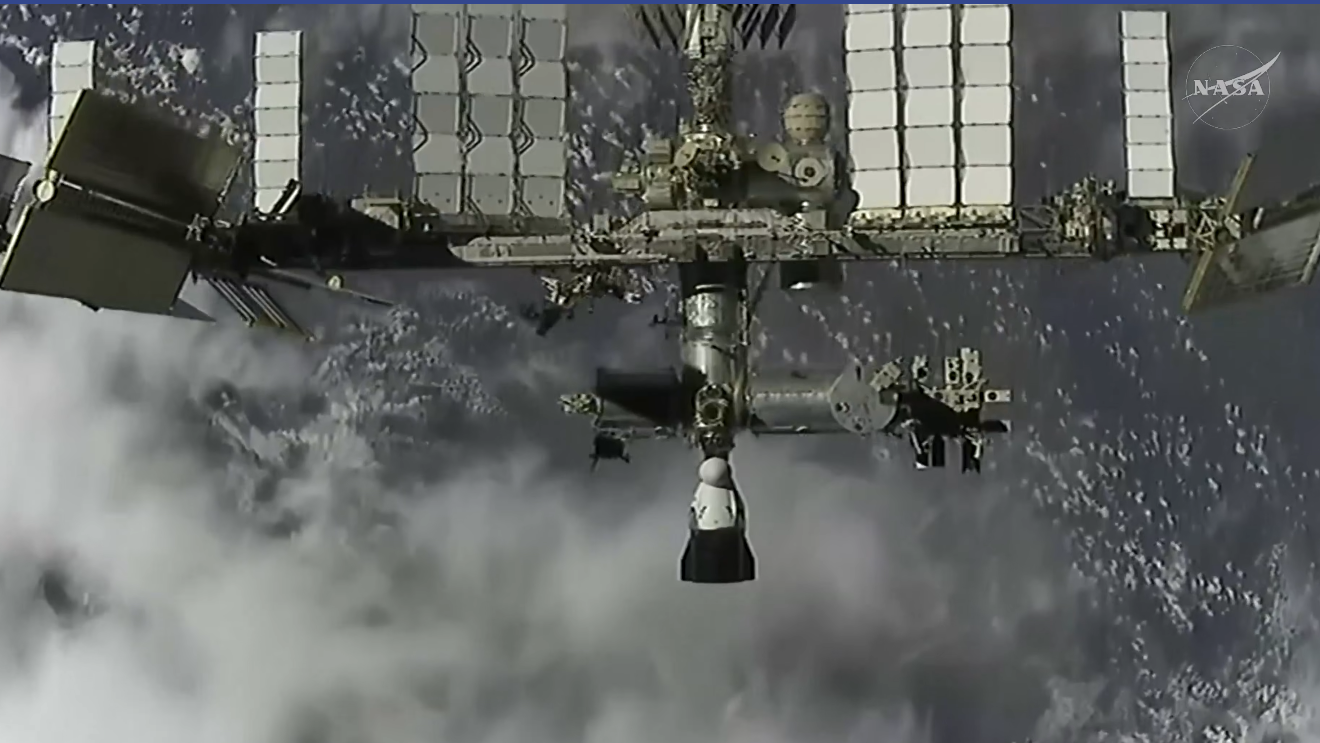
The mission, propelled skyward by a flight-proven SpaceX Falcon 9 rocket from the historic pads of Cape Canaveral Space Force Station, serves as a vivid demonstration of infrastructure scalability. As global markets scrutinize capital allocation strategies across heavy tech and aerospace, SpaceX’s ability to repeatedly manufacture, launch, and refurbish orbital hardware provides a masterclass in risk mitigation and operational velocity. For institutional investors, venture funds, and aerospace analysts monitoring enterprise ROI, the execution of this resupply mission offers undeniable proof that commercialized space logistics is no longer a speculative frontier—it is a high-yield, operational utility.
The Anatomy of an Orbital Delivery: Inside the 6,000-Pound Payload
Logistical operations in microgravity demand an extreme level of precision. The 6,000-plus-pound cargo manifest was meticulously divided between pressurized crew accommodations and unpressurized external hardware destined for installation on the station's truss structure. Among the primary highlights of the manifest are advanced scientific payloads designed to test cellular aging in microgravity, crystal growth for pharmaceutical drug discovery, and next-generation solar array components aimed at bolstering the station's electrical power architecture.
From a regulatory compliance and technical integration standpoint, preparing such a diverse array of experiments for flight requires years of coordination between NASA, international partners, and private researchers. Each payload must undergo rigorous structural, thermal, and electrical safety audits to ensure compatibility with the Cargo Dragon's automated environment. Unlike crewed missions, which require stringent life support margins, cargo-only configurations maximize internal volume, allowing SpaceX to pack dense arrays of scientific apparatuses that drive long-term research value for biotech and materials engineering firms.
The reliance on reusable Falcon 9 launch vehicles is central to the economic viability of these missions. By repeatedly utilizing first-stage boosters and pressurized capsules, SpaceX has systematically compressed per-pound delivery costs. This relentless cost-efficiency alters market liquidity dynamics for commercial space startups, which can now budget for space-based research and manufacturing without facing prohibitive launch expenditures.
Verified Data & Metrics Breakdown
| Metric / Parameter | Specification / Data Point | Strategic Implication |
|---|---|---|
| Total Cargo Mass | 6,000+ pounds (~2,721 kg) | Maximizes volume and mass thresholds for complex multi-disciplinary research. |
| Launch Vehicle | SpaceX Falcon 9 (Configured with Flight-Proven Booster) | Ensures high schedule reliability and lowered operational expenditure. |
| Destination | International Space Station (Zenith Port of Harmony Module) | Standardized automated docking reduces astronaut labor hours and mission risk. |
| Primary Research Focus | Biotechnology, Protein Crystallization, Material Sciences | Drives high-value intellectual property creation for private sector sponsors. |
| Contractual Framework | NASA Commercial Resupply Services (CRS) | Fixed-price performance metrics protect government budgets while securing private margin. |
Industry & Market Implications: Who Wins, Who Loses
The successful execution of this latest Cargo Dragon mission reverberates far beyond the confines of low-Earth orbit, directly impacting global aerospace valuations, defense contracting portfolios, and private equity investments.
The Winners
- SpaceX and Private Equity Backers: Reinforces market dominance, justifying aggressive private valuation multiples and cementing its status as the undisputed heavyweight in global orbital transport.
- Biotech & Materials Engineering Enterprises: Corporations utilizing the ISS for microgravity R&D gain seamless access to iterative testing environments, accelerating product timelines for high-margin terrestrial applications.
- NASA and Government Agencies: By leveraging fixed-price commercial service contracts, taxpayers avoid the massive cost overruns historically associated with bespoke government-run aerospace programs.
The Pressured Competitors
- Legacy Aerospace Primes: Traditional defense and aerospace contractors face mounting pressure to modernize their manufacturing pipelines and embrace rapid reusability, or risk structural irrelevance in commercial launch markets.
- Alternative Launch Providers: Emerging rocket developers struggling with schedule delays and high burn rates find it increasingly difficult to compete against SpaceX’s unmatched flight cadence and proven reliability record.
Frequently Asked Questions (People Also Ask)
What specific types of supplies are included in the 6,000-pound delivery?
The cargo manifest is diverse, encompassing critical life support hardware, crew provisions, maintenance gear, and dozens of scientific investigations. Notable additions include advanced biological research tools, plant growth systems, and hardware designed to test new solar array deployment mechanisms.
How does Cargo Dragon return items back to Earth?
Unlike disposable resupply vehicles utilized by other space agencies—which burn up upon re-entering Earth's atmosphere—the SpaceX Cargo Dragon is uniquely designed to return intact. It can accommodate significant return payload mass, allowing researchers to bring physical experiment samples back to terrestrial laboratories for detailed analysis.
What is the financial model behind NASA's Commercial Resupply Services (CRS) contracts?
NASA operates under a Commercial Resupply Services model, utilizing fixed-price milestone-based contracts rather than traditional cost-plus agreements. This shifts financial and engineering risk onto the private provider, incentivizing cost control, technological innovation, and aggressive reusability.
How long does the Cargo Dragon remain docked to the International Space Station?
Typically, Cargo Dragon spacecraft remain docked to the ISS for approximately one month. During this window, astronauts unload the incoming cargo, repack the capsule with completed research samples and discarded station equipment, and prepare the vehicle for an automated undocking and ocean splashdown return.
Future Outlook: Milestones on the Horizon
As the International Space Station edges closer toward its eventual retirement slated for the next decade, the strategic importance of reliable cargo delivery mechanisms becomes even more pronounced. The transition toward commercial space stations—currently being developed by private aerospace consortiums—will depend entirely on the robust logistics pipelines pioneered by vehicles like the Cargo Dragon.
Key milestones to watch in the immediate future include the continued cadence of subsequent CRS flights, the integration of upgraded Dragon life-support variants, and the evolution of deep-space cargo architectures designed to support lunar surface bases under NASA’s Artemis program. For enterprise leaders and financial markets, the message is unequivocal: commercial space infrastructure is scaling rapidly, and the companies capable of executing flawless orbital logistics will dictate the economic parameters of the next industrial revolution.