WASHINGTON — For over four decades, the USS Dwight D. Eisenhower (CVN 69) has stood as an uncompromising symbol of American naval supremacy. Named after the 34th U.S. President, this nuclear-powered aircraft carrier has projected power across the globe, serving as the tip of the spear for maritime security operations and expeditionary power projection.
However, recent events have thrust the storied warship back into the global spotlight. From operational milestones and weapon-handling showcases by the famed "Dusty Dogs" to a sobering landing mishap that left four personnel injured, the "IKE" remains a focal point of intense public and defense-sector interest. As search queries surge across Google Trends, readers and defense analysts alike are demanding a comprehensive look at the ship's current operational status, historical legacy, and immediate future.
At a Glance: USS Dwight D. Eisenhower (CVN 69) Profile
| Metric / Fact | Specification |
|---|---|
| Hull Number | CVN 69 |
| Ship Class | Nimitz-class Aircraft Carrier |
| Propulsion | Nuclear-powered (Two Westinghouse reactors) |
| Commissioned | October 18, 1977 |
| Current Status | Active Service (U.S. Navy) |
| Primary Role | Maritime Security & Expeditionary Power Projection |
Recent Operational Updates: The Highs and Lows Aboard the IKE
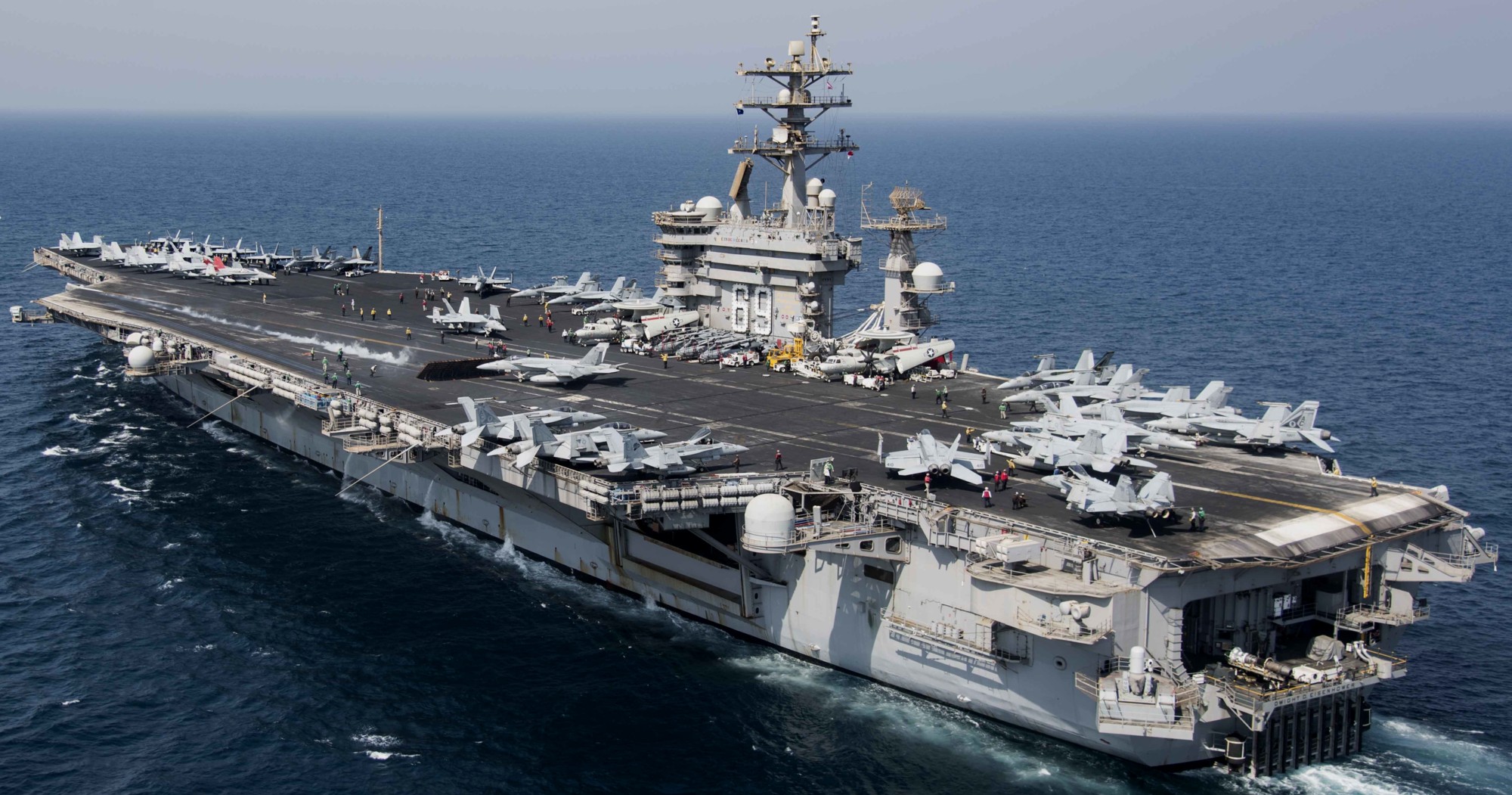
Operating a floating city of roughly 5,000 sailors while managing supersonic aircraft is an inherently high-stakes endeavor. Recent developments underscore both the routine excellence and the inherent risks of life aboard the Nimitz-class carrier.
The Landing Mishap: Four Injured
According to verified reports from USNI News, four personnel sustained injuries during a landing mishap aboard the USS Dwight D. Eisenhower on a recent Monday. The incident, involving a two-person crew among others, immediately triggered standard emergency protocols aboard the vessel. Naval safety investigators have launched a thorough inquiry to determine the exact cause of the accident, highlighting the constant physical perils faced by flight deck crews operating in high-tempo maritime environments.
Showcasing Firepower: The "Dusty Dogs" and M2A1 Training
In a stark reminder of the carrier’s relentless combat readiness, the U.S. Navy recently released official media highlighting the ship’s weapons department. Featuring the elite helicopter squadron known as the "Dusty Dogs," the footage captured personnel conducting rigorous live-fire and tactical drills utilizing the M2A1 heavy machine gun. These exercises are critical for maintaining close-in defense capabilities against asymmetric surface threats, ensuring the carrier can protect itself in contested littoral waters.
Strategic Significance and Mission Capabilities
Commissioned in 1977, CVN 69 was built to endure. Powered by two nuclear reactors, the Eisenhower possesses virtually limitless endurance, capable of steaming for decades without refueling while generating its own fresh water and aviation fuel.
- Global Power Projection: The carrier serves as a movable sovereign airfield, capable of deploying advanced strike fighters and electronic warfare aircraft to critical geopolitical hotspots.
- Maritime Security Operations: Beyond strike capabilities, the IKE secures vital sea lanes, deters hostile state actors, and maintains free and open international trade routes.
- Human Infrastructure: Operated under the guidance of the IKE Media Department and the ship's command triad, the carrier maintains a high level of operational transparency and internal morale systems.
What Lies Ahead for CVN 69
As the U.S. Navy navigates an era of renewed great-power competition, the demand for versatile carriers like the USS Dwight D. Eisenhower remains at an all-time high. Despite the recent landing mishap—which defense officials report did not critically compromise the carrier's broader mission readiness—the focus remains on fleet safety, maintenance cycles, and tactical proficiency.
Defense analysts note that while newer Ford-class carriers represent the future, legacy Nimitz-class workhorses like the IKE continue to shoulder the heavy lifting of current global commitments. Whether participating in joint exercises, conducting routine flight operations, or adapting to modern technological demands, the Eisenhower continues to write chapters in naval history.
Frequently Asked Questions
1. When was the USS Dwight D. Eisenhower (CVN 69) commissioned?
The USS Dwight D. Eisenhower was officially commissioned into active U.S. Navy service on October 18, 1977. It is the second ship of the Nimitz-class of nuclear-powered aircraft carriers.
2. What caused the recent injuries aboard the carrier?
Four personnel were injured during a landing mishap on a recent Monday aboard the ship. The incident is currently under formal investigation by naval safety authorities to prevent future occurrences.