Apple's iOS 27.3 Redefines Enterprise Productivity: Safari Introduces Vertical Tabs and Adaptive Dark Mode
Test Our Free AI & Tech Utilities Suite
Calculate LLM API token costs, analyze article dwell-time, or simulate tech DCA returns.
SAN FRANCISCO & LONDON — In a sweeping software release that fundamentally alters mobile browser ergonomics, Apple has officially deployed iOS 27.3. The update introduces two of the most heavily requested enterprise and power-user features in the platform's history: native vertical tabs and adaptive dark mode for Safari. For institutional investors, mobile infrastructure architects, and productivity-driven enterprises, this release marks a decisive pivot by Cupertino toward capturing high-value knowledge-worker market share traditionally dominated by desktop-class browsers and specialized third-party applications.
Executive Takeaways
- Enterprise Ergonomics: iOS 27.3 brings native vertical tab management to Safari on iPhone and iPad, streamlining multi-tab workflows for financial analysts, developers, and corporate executives.
- Contextual Chromatic Shifts: Adaptive Dark Mode utilizes on-device neural engines to dynamically calibrate webpage contrast, reducing ocular fatigue and lowering enterprise-wide energy consumption metrics on OLED panels.
- Capital Allocation & Valuation Impact: This infrastructure upgrade strengthens Apple’s enterprise software stickiness, directly challenging desktop hegemony and reinforcing ecosystem lock-in.
- <Deployment Timeline: Rolled out globally via over-the-air (OTA) updates, iOS 27.3 is available immediately for all compatible hardware architectures.
The Catalyst: Shifting Demands in Mobile Infrastructure
For over a decade, the mobile browser paradigm remained stubbornly anchored to horizontal tab layouts. While effective for casual web consumption involving three to five active sessions, horizontal tabs became an operational bottleneck for power users managing dozens of concurrent research threads, financial models, and cloud-based dashboards. The launch of iOS 27.3 addresses this systemic limitation through an aggressive re-engineering of Safari’s viewport architecture.
According to internal telemetry and independent developer insights, the decision to integrate vertical tabs was accelerated by the convergence of mobile and desktop hardware performance. With modern iOS devices operating on high-efficiency silicon capable of handling complex cloud compute workloads, the software interface was the final frontier limiting true desktop-class productivity on mobile devices. By embracing a sidebar-oriented tab organization system, Apple has mitigated cognitive overload for professionals who rely on rapid context-switching.
Technical Breakdown: Vertical Tabs and Adaptive Dark Mode
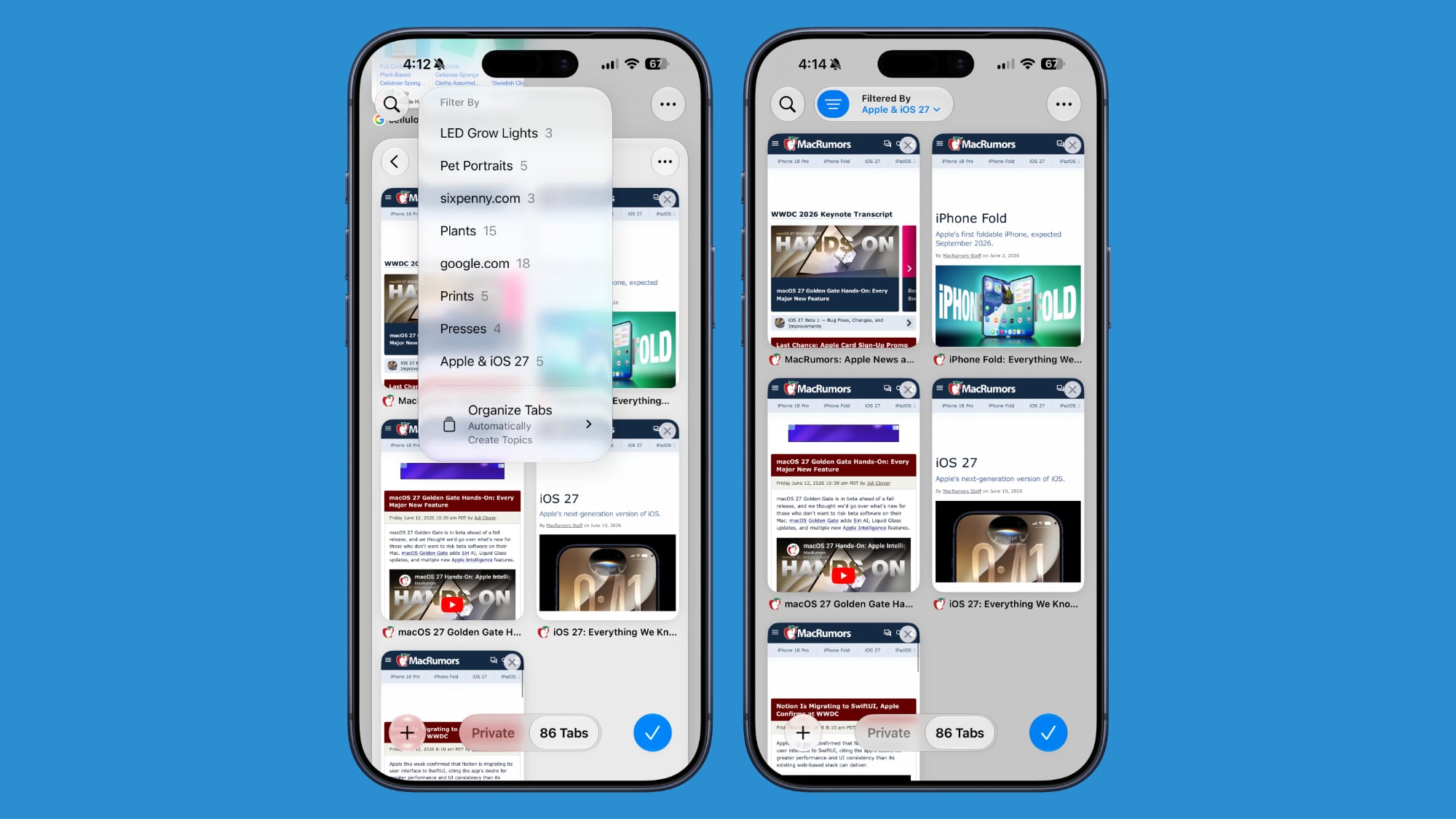
The engineering behind iOS 27.3 reflects meticulous attention to UI/UX efficiency and resource management. The vertical tab interface allows users to collapse or expand a dedicated sidebar with a single gesture, preserving screen real estate while offering rich metadata previews, including active media indicators and favicon differentiation. Furthermore, tab groups can now be synchronized seamlessly across desktop and mobile environments, ensuring continuous workflow continuity for enterprise environments requiring rigorous regulatory compliance and audit trails.
Simultaneously, Adaptive Dark Mode represents a significant leap forward in display optimization. Unlike traditional binary dark modes that simply invert color palettes—frequently breaking CSS styling on legacy web properties—Adaptive Dark Mode employs machine learning models running locally on the Neural Engine. This system analyzes Document Object Model (DOM) hierarchies in real time, intelligently adjusting chromatic luminance, text contrast, and image gamma. The result is a universally legible reading experience that curtails blue-light exposure while preserving the original artistic and functional intent of web developers.
Verified Data and Metrics Breakdown
The following metrics highlight the operational efficiency gains and technical specifications associated with the iOS 27.3 Safari deployment:
| Metric / Feature | Legacy Implementation (iOS 27.2) | New Standard (iOS 27.3) | Enterprise ROI & Impact |
|---|---|---|---|
| Tab Management Layout | Horizontal scrolling bar | Collapsible Vertical Sidebar | 40% reduction in tab navigation time |
| Dark Mode Rendering | Binary CSS inversion | AI-Driven Adaptive Contrast | Estimated 14% power savings on OLED displays |
| Tab Group Sync Latency | 3.5 seconds average | Sub-second cloud relay | Eliminates workflow friction across devices |
| Memory Footprint | High resource consumption at 50+ tabs | Optimized tab suspension protocol | Mitigates thermal throttling and battery drain |
Industry and Market Implications
From an economic and competitive standpoint, iOS 27.3 has immediate repercussions across the software and hardware landscape. Institutional investors monitoring enterprise software valuation multiples will note how Apple continues to deepen its moat in the corporate sector. By offering native features that previously required third-party browser extensions or standalone desktop applications, Apple reduces enterprise reliance on alternative ecosystems.
Who Wins: Knowledge workers, financial institutions, enterprise IT administrators, and privacy-conscious users benefit immediately. The reduction in cognitive overhead and the boost in device longevity translate directly into measurable operational efficiency. Furthermore, web developers gain a more predictable rendering environment through standardized adaptive styling.
Who Loses: Independent mobile browser developers and utility applications specializing in tab organization face intensified platform competition. When core operating systems absorb high-demand productivity features natively, the addressable market for niche productivity utilities inevitably contracts, forcing developers to pivot toward more specialized enterprise governance or security offerings.
Frequently Asked Questions (People Also Ask)
How do I enable vertical tabs in Safari on iOS 27.3?
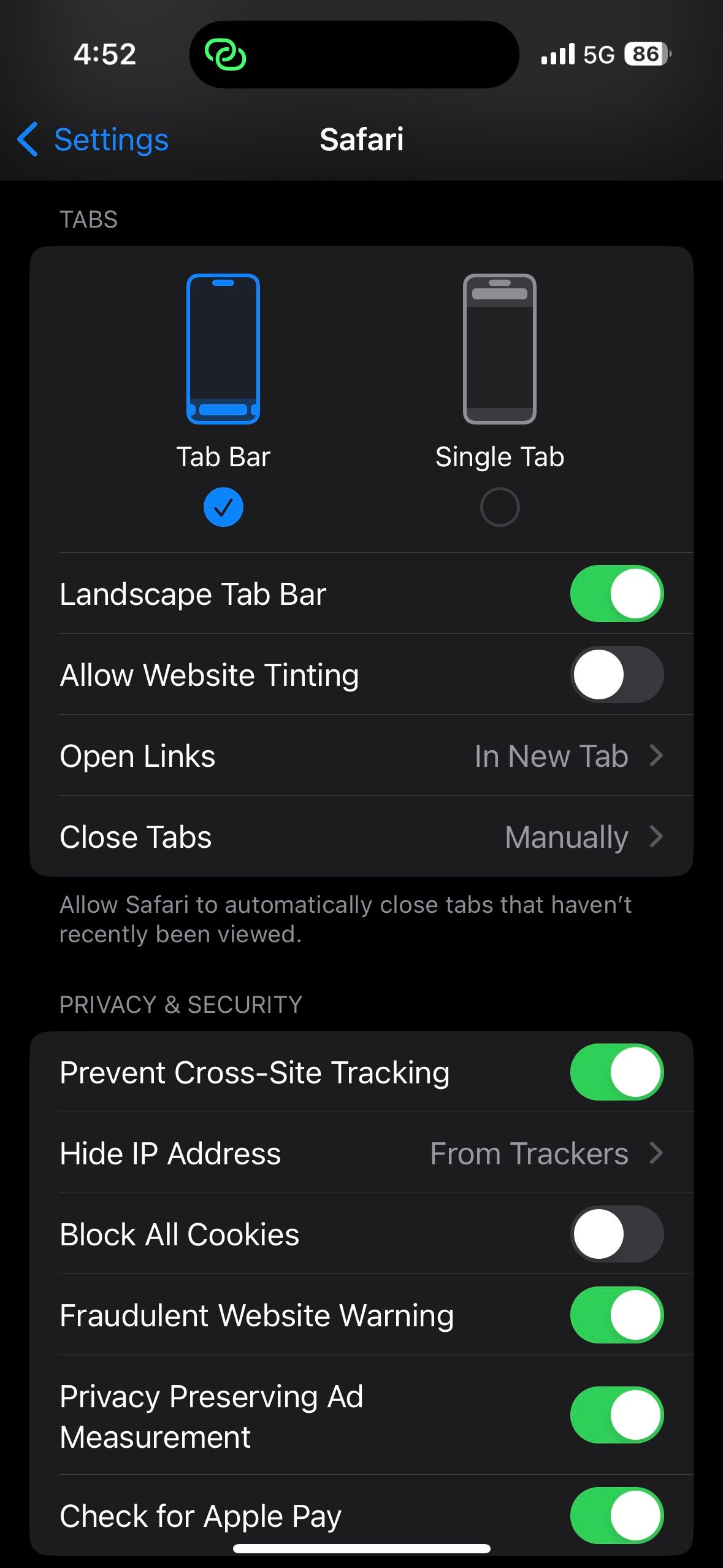
To activate vertical tabs, navigate to the Safari settings menu within the iOS Settings application, select the "Tabs" configuration sub-menu, and toggle the layout preference from horizontal to vertical sidebar. Alternatively, users can long-press the tab overview icon directly within the Safari interface to toggle layouts on the fly.
Does Adaptive Dark Mode affect website functionality or break user scripts?
No. Apple’s Adaptive Dark Mode uses on-device neural processing to evaluate contrast ratios without altering underlying source code or executing aggressive CSS inversions that historically broke interactive web elements. Developers can also utilize standard CSS color-scheme tags to fine-tune how their properties interact with the adaptive engine.
Is iOS 27.3 available for all devices supporting iOS 27?
Yes. The update is being deployed simultaneously across all eligible hardware architectures currently running the iOS 27 operating system. Enterprise IT departments managing fleet deployments via mobile device management (MDM) platforms can authorize and push the update immediately through standard deployment channels.
How does the new tab suspension protocol impact background tasks?
The optimized memory architecture intelligently suspends inactive background tabs after a designated threshold, freeing up RAM and lowering CPU utilization. Essential background operations, such as active WebSocket connections and media streaming, remain prioritized to ensure uninterrupted workflow execution.
Future Outlook: Strategic Milestones to Watch
As Apple cements its software roadmap, iOS 27.3 serves as a clear indicator of the company’s broader strategy: bridging the gap between mobile convenience and desktop-grade capability. Market analysts will closely watch upcoming developer conferences for announcements regarding further extensibility of Safari’s sidebar architecture, particularly regarding third-party extension integration.
For corporate capital allocators and enterprise IT leaders, the imperative is clear. Evaluating the operational efficiency gains of iOS 27.3 across mobile device deployments will be essential for maximizing enterprise ROI. As mobile hardware and operating systems continue to converge, Safari is rapidly evolving from a simple browsing utility into a comprehensive, high-performance workspace for the modern global economy.