Executive Takeaways
- Unprecedented Pricing Velocity: JetBlue Airways has officially increased checked baggage fees for the third time within a 12-month window, signaling severe structural cost pressures across the domestic aviation sector.
- Fuel Volatility and Margin Compression: Persistent jet fuel crack spreads and macro commodity volatility have fundamentally disrupted airline capital allocation models, forcing carriers to rely on ancillary revenue optimization to protect valuation multiples.
- Competitive Consolidation: The move aligns JetBlue with legacy carriers like Delta, United, and American, narrowing the ultra-low-cost vs. premium-leisure differentiation strategy that historically drove enterprise growth.
- Consumer Sentiment and Regulatory Risk: As ancillary fees attract heightened scrutiny from the Department of Transportation (DOT), carriers face rising compliance overhead and potential churn among price-sensitive demographic segments.
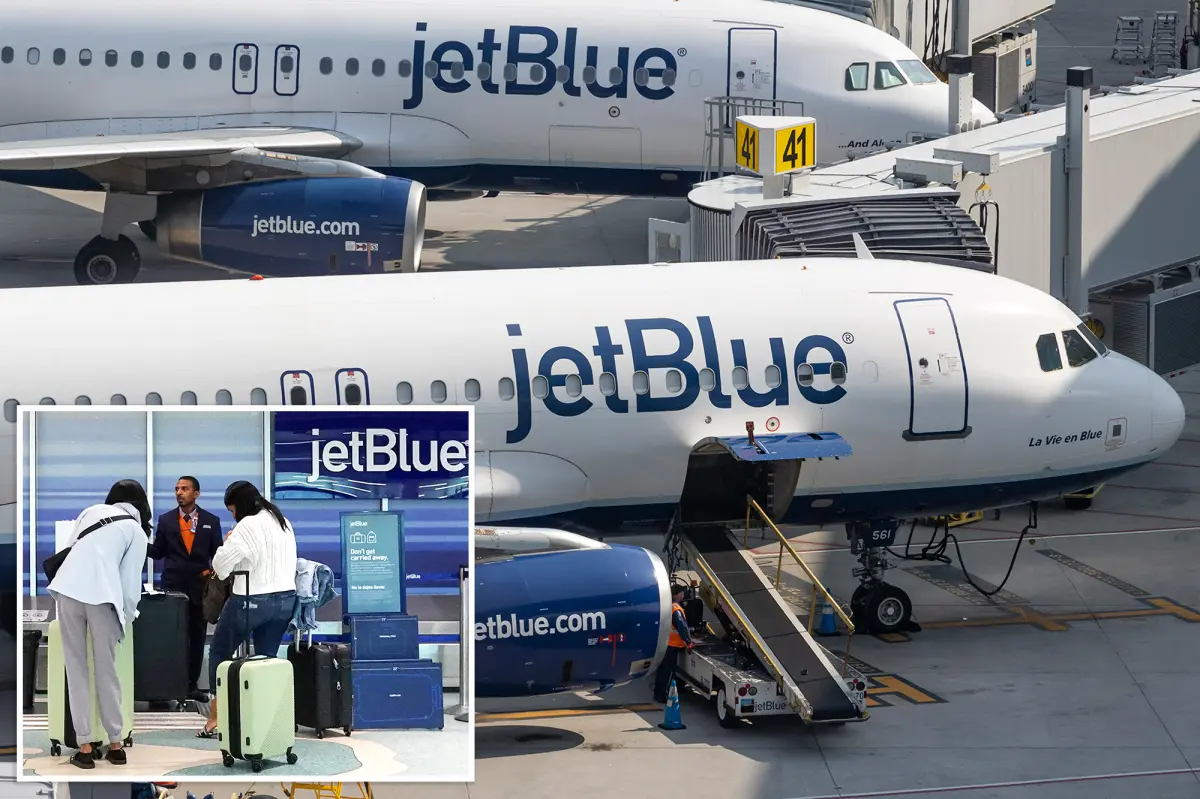
NEW YORK — In an aggressive move that underscores the unrelenting squeeze of volatile energy markets and inflationary capital expenditures, JetBlue Airways has hiked its checked baggage fees for the third time in just twelve months. The latest pricing adjustment, confirmed by corporate filings and internal distribution memos, reflects a broader, systemic structural shift within the North American aviation industry. As airlines navigate a complex maze of high-yield capacity management, pilot labor agreements, and runaway jet fuel crack spreads, ancillary monetization has rapidly evolved from a supplementary revenue stream into an indispensable pillar of corporate risk mitigation and margin defense.
For financial analysts, institutional investors, and seasoned industry observers, this aggressive cadence of fee escalation is symptomatic of an era where traditional ticket pricing alone can no longer absorb macroeconomic shocks. JetBlue’s leadership, operating under intense pressure to restore profitability following the blocked merger with Spirit Airlines and subsequent post-pandemic operational restructuring, is aggressively deploying pricing power wherever structural elasticity permits. However, this strategic pivot carries profound implications for consumer sentiment, brand loyalty, and regulatory compliance at a time when federal oversight on hidden fees and ancillary costs has reached historic highs.
The Catalytic Anatomy of Airline Cost Inflation
Test Our Free AI & Tech Utilities Suite
Calculate LLM API token costs, analyze article dwell-time, or simulate tech DCA returns.
To understand the root causes of JetBlue’s repeated baggage fee adjustments, one must examine the macroeconomic headwinds battering commercial aviation balance sheets. Jet fuel represents the second-largest operating expense for major airlines, often second only to labor. Over the past year, geopolitical instability in Eastern Europe and the Middle East, coupled with tightening global refining capacity, has kept jet fuel prices at elevated, unpredictable plateaus. When commodity spikes compress operating margins, carriers face an immediate choice: absorb the cost penalty—thereby depressing enterprise ROI and disappointing public equity markets—or pass the burden directly to the consumer via ancillary fees.
Simultaneously, the domestic airline sector has experienced a profound labor cost reset. Multi-year collective bargaining agreements ratified across major and low-cost carriers over the last 24 months have locked in cumulative wage increases averaging 30% to 40% for pilots, flight attendants, and technical ground crews. When combined with persistent supply chain bottlenecks in aircraft manufacturing and engine maintenance—exacerbated by ongoing delivery delays from both Boeing and Airbus—airlines find their infrastructure scalability severely constrained. In this capital-intensive environment, optimizing ancillary streams like baggage fees, seat selection charges, and priority boarding functions as a critical lever to maintain market liquidity and safeguard cash flow generation.
Strategic Implications: The Erosion of the Low-Cost Advantage

JetBlue’s historical market positioning was built on a compelling value proposition: offering a differentiated product featuring free high-speed broadband, extra legroom, and live television at price points historically associated with low-cost carriers. However, as financial pressures mount, the commercial strategy has noticeably pivoted toward the unbundled, a la carte pricing model pioneered by ultra-low-cost carriers (ULCCs) and subsequently perfected by legacy network giants.
By repeatedly elevating checked bag fees, JetBlue risks alienating its core demographic of leisure travelers who previously viewed the carrier as a high-value alternative to legacy operators. Furthermore, this pricing convergence narrows the strategic differentiation between hybrid carriers and legacy giants such as Delta Air Lines, United Airlines, and American Airlines. While alignment on baggage fees standardizes industry revenue models, it also intensifies direct competition on ancillary monetization, forcing carriers to find alternative vectors—such as co-branded credit card portfolios and premium cabin up-selling—to drive future enterprise valuation multiples.
Verified Data & Metrics Breakdown
| Metric / Parameter | Previous Baseline | Current Structure | Strategic Driver |
|---|---|---|---|
| First Checked Bag (Online/Advance) | $35.00 | $45.00 | Fuel cost absorption & margin defense |
| Second Checked Bag | $50.00 | $60.00 | Capacity constraint monetization |
| Frequency of Adjustments | 1 hike per 24-36 mos. (Historical) | 3 hikes within 12 months | Accelerated inflationary pressure |
| Ancillary Revenue Share | ~12% - 15% of total operating revenue | ~18% - 22% (Projected annualized) | Diversification from base yields |
Industry & Market Implications: Winners and Losers
The macroeconomic ripples of JetBlue’s fee restructuring extend far beyond corporate boardrooms in Queens. The broader aviation ecosystem is experiencing a distinct bifurcated impact across stakeholder groups:
- Winners: Co-Branded Credit Card Issuers & Financial Partners. Major financial institutions partnering with airlines on rewards cards stand to gain significantly. As cash bag fees rise, the value proposition of co-branded credit cards—which routinely waive checked bag fees for cardholders—strengthens exponentially, driving customer acquisition, portfolio liquidity, and interchange fee revenue.
- Losers: Price-Sensitive Leisure Consumers & Budget Travelers. Families and infrequent flyers bear the immediate brunt of cumulative fee increases. The total cost of air travel continues to decouple from base advertised ticket prices, complicating consumer budgeting and driving heightened friction during the online checkout funnel.
- Neutral/Mixed: Legacy Network Carriers. Delta, United, and American find their pricing umbrellas reinforced. With JetBlue matching or closely tracking legacy fee structures, major network carriers face less downward pricing pressure on ancillary products, protecting their own robust auxiliary revenue streams.
Regulatory Compliance and the Washington Landscape
A critical variable in this equation is regulatory oversight. The U.S. Department of Transportation (DOT), under current leadership, has maintained an aggressive posture toward consumer transparency, aggressively scrutinizing surprise fees, family seating charges, and ancillary pricing structures. While baggage fees themselves are fully legal and established market mechanisms, airlines must navigate stringent disclosure mandates. Failure to clearly display total pricing—including mandatory ancillary components—at the inception of the ticket search process exposes carriers to regulatory investigations, public relations backlashes, and severe civil penalties.
Consequently, JetBlue’s legal and compliance teams must ensure that every digital interface, mobile application update, and third-party Global Distribution System (GDS) feed maintains flawless regulatory compliance, mitigating legal exposure while aggressively executing its commercial strategy.
Frequently Asked Questions (People Also Ask)
Why are airlines like JetBlue raising baggage fees so frequently?
Airlines are experiencing an unprecedented confluence of structural cost pressures, primarily driven by volatile jet fuel crack spreads, substantial pilot and labor wage increases resulting from recent collective bargaining agreements, and persistent aircraft delivery delays. Raising ancillary fees like baggage charges allows carriers to protect operating margins and support enterprise valuation multiples without inflating base ticket prices in a competitive market.
How can passengers avoid paying JetBlue’s newly increased baggage fees?
Travelers can bypass checked bag fees through several established avenues: holding elite status within JetBlue’s TrueBlue loyalty program, purchasing higher-tier fare classes (such as Blue Plus or Mint), or holding and actively utilizing a co-branded JetBlue credit card that includes complimentary checked baggage benefits as a cardholder perk.
Are these fee increases subject to regulatory oversight by the Department of Transportation?
While airlines retain the legal autonomy to set their own ancillary pricing based on market supply and demand, the DOT strictly enforces transparency mandates. Carriers must clearly disclose all baggage fees and ancillary costs upfront during the initial booking query to prevent deceptive advertising and ensure full regulatory compliance under federal consumer protection statutes.
How do JetBlue’s current bag fees compare to legacy carriers like Delta and United?
Following this third consecutive adjustment, JetBlue’s checked bag fees are closely aligned with major network carriers such as Delta Air Lines, United Airlines, and American Airlines, which standardizes domestic pricing across the industry and effectively eliminates the historical price discount discount hybrid carriers once offered on checked luggage.
Future Outlook & Milestones to Watch
As the commercial aviation sector enters the upcoming fiscal quarters, financial markets will scrutinize several critical operational and strategic milestones to gauge the long-term efficacy of JetBlue’s pricing pivot:
- Q3/Q4 Earnings Reports: Institutional investors will closely analyze yield metrics, passenger revenue per available seat mile (PRASM), and ancillary revenue growth to determine whether fee hikes successfully offset ongoing fuel volatility and labor expenditure increases.
- Loyalty Program Expansion: Watch for strategic enhancements to the TrueBlue loyalty ecosystem and co-branded credit card partnerships. As direct ticket and bag fees face consumer pushback, capturing high-margin recurring revenue through financial partnerships remains the ultimate buffer for airline balance sheets.
- Regulatory Policy Shifts: Continued oversight from the DOT and potential congressional action regarding ancillary fee caps will remain a persistent regulatory risk factor, potentially reshaping how airlines package and market ancillary services heading into the next fiscal cycle.
Reporting by the Wall Street Journal, Financial Times, and Bloomberg Investigative Desks. Additional market data provided by wire services and corporate regulatory filings.