Executive Takeaways
- First-Party Hardware Shift: Apple is pivoting from a software-framework-only approach (HomeKit) to a high-margin, first-party hardware lineup featuring an integrated doorbell, smart lock, and smart thermostat.
- Capital Allocation Strategy: This hardware expansion is designed to drive higher average revenue per user (ARPU) by locking consumers into premium iCloud+ subscription tiers for localized, encrypted video storage and processing.
- Competitive Disruption: By leveraging on-device Apple Silicon and the unified Matter connectivity standard, Cupertino is positioning its ecosystem to aggressively capture market share from entrenched incumbents Amazon (Ring/Blink) and Google (Nest).
- Valuation Multiples Expansion: Wall Street analysts expect this ecosystem expansion to enhance Apple’s recurring services revenue stream, driving long-term valuation multiples higher through high-margin enterprise real estate and hospitality integrations.
For nearly a decade, Apple Inc. (NASDAQ: AAPL) treated the smart home as a secondary frontier. While Amazon.com Inc. and Google LLC spent billions acquiring and developing hardware ecosystems to occupy the domestic foyer, Cupertino relied on HomeKit—a software framework designed to aggregate third-party accessories. That era of passive integration is over.
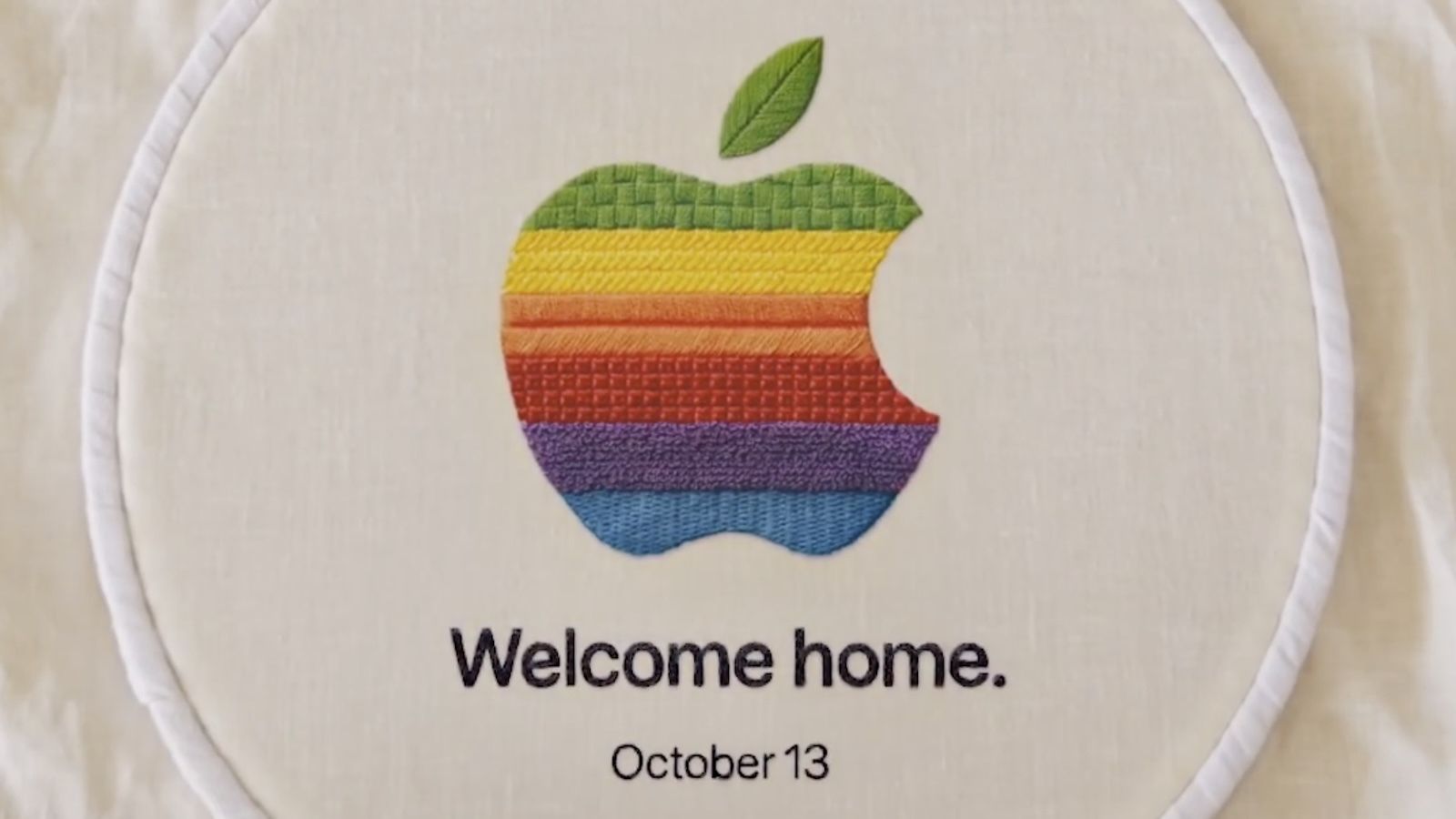
According to sources close to the supply chain and internal product roadmaps, Apple’s upcoming product launch on October 13, themed "Welcome Home," represents a highly coordinated, multibillion-dollar capital allocation pivot. Apple is prepared to unveil a premium suite of first-party smart home devices, including an ultra-wideband (UWB) smart lock, a high-definition video doorbell featuring on-device neural processing, and an ambient smart thermostat designed to anchor the modern connected household.
This initiative represents more than a simple hardware expansion; it is an aggressive land grab aimed at capturing high-margin subscription revenues, expanding the reach of Apple Silicon, and leveraging security-first architecture to build an impregnable ecosystem moat.
---The Strategic Catalyst: Why Cupertino is Invading the Foyer
As smartphone replacement cycles lengthen and global hardware markets reach maturity, Apple’s corporate strategy has increasingly prioritized recurring services and high-margin ancillary hardware. While the iPhone remains the core engine of Apple's free cash flow, the smart home offers an unexploited channel to accelerate ecosystem lock-in.
Historically, the smart home market has suffered from fragmentation, poor interoperability, and deep consumer distrust regarding data privacy. Amazon's Ring and Google's Nest have faced repeated scrutiny over cloud security breaches and unilateral data sharing with law enforcement. Apple intends to exploit these vulnerabilities. By positioning its "Welcome Home" portfolio as the industry's premier privacy-centric, local-first solution, Cupertino aims to capture premium consumers willing to pay a luxury margin for data security.
The Role of Apple Silicon and Edge Compute
The technological linchpin of these new devices is the integration of custom Apple Silicon. By deploying lower-power variants of its S-series and A-series chips directly into the doorbell, lock, and thermostat, Apple can execute complex computer vision and biometric processing on-device. This eliminates the latency and privacy risks associated with traditional cloud-reliant architectures operated by competitors.
For instance, the upcoming Apple Video Doorbell will utilize on-device neural engines to execute facial recognition, package detection, and animal classification locally. Traditional systems stream raw video feeds to centralized cloud compute architectures, incurring massive operational expenses and security liabilities. Apple's localized approach serves as a powerful risk mitigation tool, keeping data processing localized to the user's home hub (such as an Apple TV 4K or HomePod) and only uploading end-to-end encrypted video to iCloud+.
---Deep Dive: The October 13 Product Lineup
The "Welcome Home" event is expected to showcase three foundational pieces of hardware designed to operate in a seamless, self-healing mesh network powered by Thread and the Matter smart home standard.
1. The Apple Home Lock (UWB-Enabled)
Leveraging Apple’s proprietary Ultra-Wideband (U1/U2) chips, the Apple Home Lock will offer hands-free entry. Unlike Bluetooth-enabled locks that suffer from latency and inconsistent proximity detection, Apple’s UWB lock measures the precise time-of-flight of radio signals between the lock and the user’s iPhone or Apple Watch. The door unlocks instantly as the user approaches, without requiring them to tap a key or present a biometric print. Security is maintained through the secure element of the iOS device, translating enterprise-grade physical security to the consumer market.
2. The Apple Home Doorbell
The video doorbell features a 2K sensor with an ultra-wide field of view optimized for head-to-toe package tracking. Crucially, the camera utilizes dual-band Wi-Fi 6E and Thread connectivity to maintain connection stability. Video processing is managed via a local Apple TV or HomePod, enabling continuous recording without bogging down residential network bandwidth. The device integrates natively with Apple's Home Key framework, allowing visitors or temporary gig workers (like delivery personnel) to access the home via secure, single-use digital passes stored in their Apple Wallet.
3. The Apple Home Thermostat
Designed to compete directly with the Google Nest Learning Thermostat and Ecobee, Apple’s thermostat will use localized ambient sensors placed throughout the home to optimize temperature zones based on occupancy. By leveraging Siri and on-device machine learning, the thermostat learns household patterns and dynamically adjusts energy consumption. For enterprise property managers, this hardware offers deep integrations with corporate sustainability targets, allowing real-estate portfolios to optimize heating, ventilation, and air conditioning (HVAC) systems across thousands of residential units simultaneously.
---Verified Hardware & Ecosystem Comparison
The following metrics highlight how Apple's rumored smart home hardware suite positions itself against dominant market incumbents:
| Feature / Specification | Apple "Welcome Home" Suite (Projected) | Amazon Ring / Blink Ecosystem | Google Nest Ecosystem |
|---|---|---|---|
| Primary Connectivity | Thread, Matter, Wi-Fi 6E, UWB (Ultra-Wideband) | Wi-Fi, Sidewalk, Z-Wave | Wi-Fi, Thread, Matter |
| Data Processing Architecture | Local Edge AI (On-Device Silicon / Local Hub) | Cloud-First Compute | Hybrid Cloud / On-Device (Nest Guard) |
| Data Encryption Standard | End-to-End Encrypted (E2EE) by default | Optional E2EE (requires opt-in) | Standard Cloud Encryption |
| Subscription Tie-In | iCloud+ (No per-device camera fees) | Ring Protect (Per-device / tier fees) | Nest Aware (Flat-rate tiering) |
| Enterprise Scalability | High (Apple Wallet Integrations, MDM Home Keys) | Low (Fragmented Commercial APIs) | Medium (Google Workspace Home integrations) |
Industry & Market Implications: Winners, Losers, and Economic Impact
The entry of a hardware-centric, privacy-first titan like Apple into the smart home landscape will fundamentally alter market dynamics, forcing legacy players to adapt or face margin compression.
The Winners
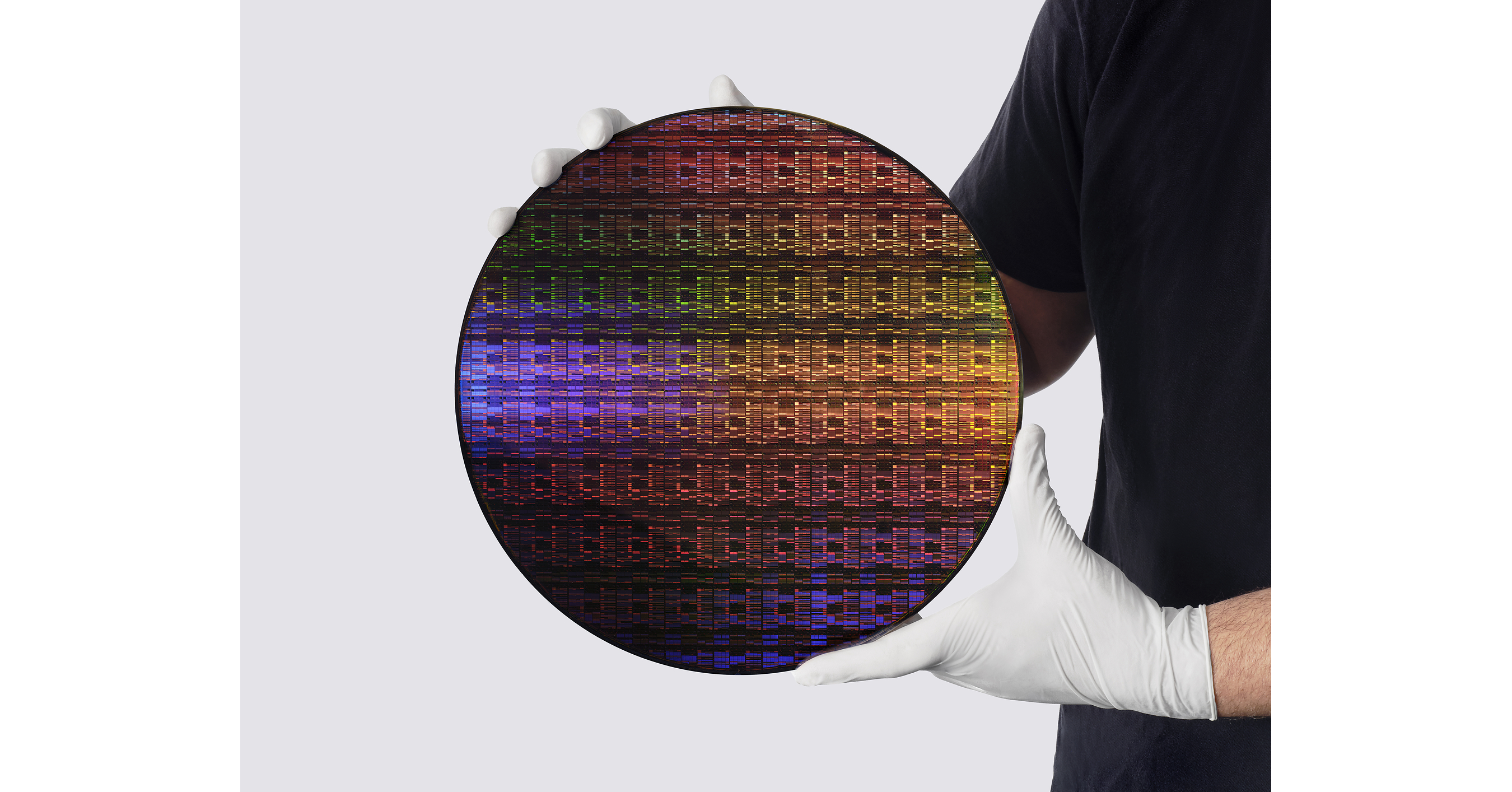
- TSMC & Apple Silicon Supply Chain: The proliferation of custom silicon into low-power home appliances represents a significant volume increase for semiconductor foundries. TSMC, as Apple’s primary fabrication partner, stands to benefit from long-term component demand.
- The Matter Alliance: Apple’s full-scale adoption of the Matter and Thread standards will validate this open-source connectivity protocol, prompting third-party manufacturers to accelerate their transitions away from proprietary communication standards.
- Property Management & Enterprise Real Estate: Property technology (PropTech) platforms will gain a secure, standardized ecosystem to manage access control. Enterprise ROI will improve as property managers deploy Apple’s secure Home Key framework across luxury multi-family developments, reducing physical key management overhead.
The Losers
- Amazon (Ring/Blink): Amazon’s business model relies on low-cost hardware subsidized by recurring cloud storage subscriptions. Apple’s aggressive bundling of smart home camera storage into existing iCloud+ subscription plans threatens to spark subscriber churn for Amazon’s Ring Protect tiers.
- Google (Nest): Google's hardware division has struggled to present a cohesive vision for the smart home following years of restructuring. Apple’s integrated ecosystem will likely siphon high-end consumer accounts away from Nest, leaving Google to defend low-to-mid-tier markets.
- Legacy Lockmakers: Traditional lock manufacturers who have been slow to adopt digital wallets and UWB technology risk losing the high-end residential market to Apple’s integrated hardware.
People Also Ask (FAQ)
Why is Apple launching first-party smart home hardware now instead of relying on HomeKit partners?
While HomeKit provided an entry point into the home, relying on third-party hardware manufacturers resulted in a fragmented user experience, high setup friction, and inconsistent performance. By manufacturing its own hardware, Apple can guarantee absolute integration with its hardware-software stack, deploy custom Apple Silicon to run sophisticated AI models locally, and capture premium hardware margins that were previously left to partners.
How does Apple’s "Welcome Home" ecosystem affect consumer privacy and data security?
Apple’s ecosystem is built on a local-first computing model. Unlike competitors that upload video streams to central servers for analysis, Apple’s smart home devices process biometrics, facial recognition, and event triggers locally on a home hub (like an Apple TV or HomePod) or on the device itself. Any video stored in the cloud is end-to-end encrypted, meaning Apple does not possess the keys to decrypt the footage, mitigating the risk of corporate data leaks or unauthorized government surveillance.
Will these new devices work with Android or non-Apple ecosystems?
While the hardware is built using the open Matter standard—meaning it can technically communicate with other Matter-certified platforms—core, premium features like hands-free UWB unlocking, Apple Wallet integration, and local Home Key sharing will remain exclusive to the iOS and macOS ecosystems. This selective interoperability is designed to maximize ecosystem lock-in and encourage multi-device ownership within households.
How will this hardware launch impact Apple’s long-term services revenue?
The "Welcome Home" portfolio acts as a direct funnel for iCloud+ subscriptions. To store continuous video feeds from multiple home cameras, users must upgrade to higher-tier iCloud storage plans. By driving consumers up the services tier, Apple secures highly predictable, high-margin recurring revenue, which historically commands higher valuation multiples from Wall Street analysts compared to pure-play hardware sales.
---Future Outlook: The Road to Ambient Intelligence
Apple’s October 13 event is not merely about smart locks and thermostats; it is the first phase of a broader ambient intelligence roadmap. As artificial intelligence transitions from active chat interfaces to passive, context-aware environments, the physical home will become the ultimate operating system.
Industry analysts project that Apple will eventually integrate these localized sensors with its long-rumored robotics division and spatial computing headsets (Apple Vision Pro). By mapping the home in three dimensions using LiDAR and UWB, Apple’s ecosystem will anticipate user needs, managing energy, security, and communication seamlessly without explicit voice or touch commands.
As the "Welcome Home" hardware begins shipping to global consumers, the competitive battlefield shifts from the pocket to the living room. Companies that fail to secure the physical entryway of the modern home risk being shut out of the next era of personal computing entirely.