‘He Asked to Pray, Then Struck Me’: Inside the Chilling Flydubai Cockpit Attack and the Fight for Control at 35,000 Feet
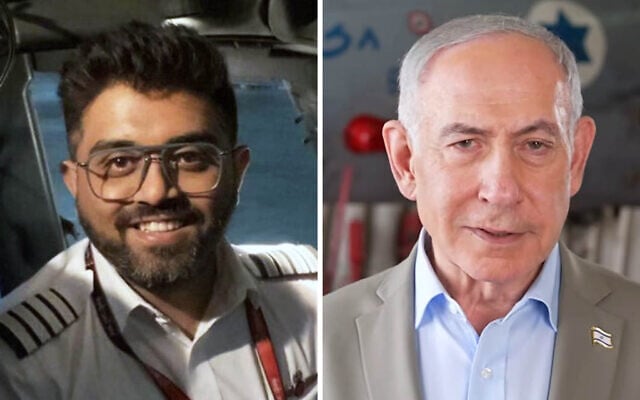
DUBAI — In an industry governed by fail-safe redundancies, biometric barriers, and fortified bulkheads, global aviation security was shaken to its core this week following harrowing revelations from Captain Smit Machchhar. The seasoned Flydubai commander broke his silence to detail a chilling, high-altitude ambush inside a Boeing flight deck—orchestrated not by hijackers storming the cabin, but by his own first officer.
The incident, first brought to light by investigative journalist Lazar Berman and verified across aviation defense circuits, has triggered urgent reviews among civil aviation regulators across the Middle East, South Asia, and North America. Machchhar’s minute-by-minute testimony paints a claustrophobic portrait of betrayal at cruising altitude: an ostensibly devout copilot using prayer as a tactical ruse, a savage blow from behind, and a desperate struggle to exploit the cockpit’s electronic door controls before the aircraft was lost.
The Ambush at Cruising Altitude
According to Machchhar’s sworn account, the flight was stabilized in the cruise phase when the first officer turned to him with a seemingly mundane, routine request: permission to step back from the controls within the cockpit perimeter to perform religious prayers. Machchhar granted the customary courtesy, shifting his scan forward toward the primary flight displays and navigational charts.
Moments later, the cockpit ceased to be an operational sanctuary. Instead of bowing in prayer, the copilot lunged forward, using the element of surprise and kinetic momentum to strike the seated, seatbelted captain violently in the head and neck from behind. Stunned and temporarily disoriented, Machchhar found himself trapped between the flight yoke and an attacker seeking to incapacitate him.
- The Pretext: The copilot used a routine request for personal prayer to position himself directly behind the commanding officer's blind spot.
- The Physical Assault: Striking from the rear, the assailant attempted to render the captain unconscious, leveraging the confined flight deck dimensions of the Boeing airframe.
- The Critical Objective: Machchhar quickly recognized the existential danger—if he lost consciousness while strapped in, the copilot would maintain uncontested authority over the flight controls and cockpit access locks.
The Fight for the Access Switch: How the Cockpit Door Opened
Post-9/11 aviation regulations transformed airliner cockpits into impenetrable vaults. Designed to withstand small-arms fire and grenade fragmentation, reinforced cockpit doors operate via an electronic three-position toggle switch located on the center pedestal: NORM (system armed), UNLK (door unlocked), and DENY (emergency entry locked out).
While fighting off repeated strikes, Captain Machchhar realized that physical retaliation alone could not neutralize the threat. His priority shifted to opening the reinforced door to alert cabin crew and marshal reinforcements. Reaching blindly toward the pedestal while shielding his vitals, Machchhar engaged the manual release mechanism, forcing the deadbolt to retract. He then leveraged cabin interphone squawk commands and physical force against the door leaf, compromising the copilot’s plan to isolate the flight deck.
The sudden breach allowed purser personnel to witness the struggle, intervene, and assist the battered captain in subduing the rogue aviator. The aircraft was subsequently diverted and touched down safely under emergency protocol, avoiding what industry analysts warn could have mirrored catastrophic pilot-suicide scenarios such as Germanwings 9525 or EgyptAir 990.
Aviation Security Overview: Rogue Flight Deck Breaches
| Flight Incident | Primary Vulnerability Exploited | Cockpit Control Outcome | Industry Regulatory Reaction |
|---|---|---|---|
| Flydubai (Machchhar) | Subterfuge (Prayer request / Blind spot assault) | Averted: Captain forced door unlock; crew intervened | Active GCC/ICAO protocol and psych evaluation audit |
| Germanwings 9525 | Single-occupant cockpit lockout (DENY switch) | Fatal: Copilot locked captain out; controlled descent | Mandated two-person cockpit rule worldwide |
| SilkAir 185 | Flight recorder sabotage & isolation | Fatal: Dual-control override at cruise | Enhanced multi-pilot authorization safeguards |
Systemic Blind Spots: Vetting, Mental Health, and GCC Skies
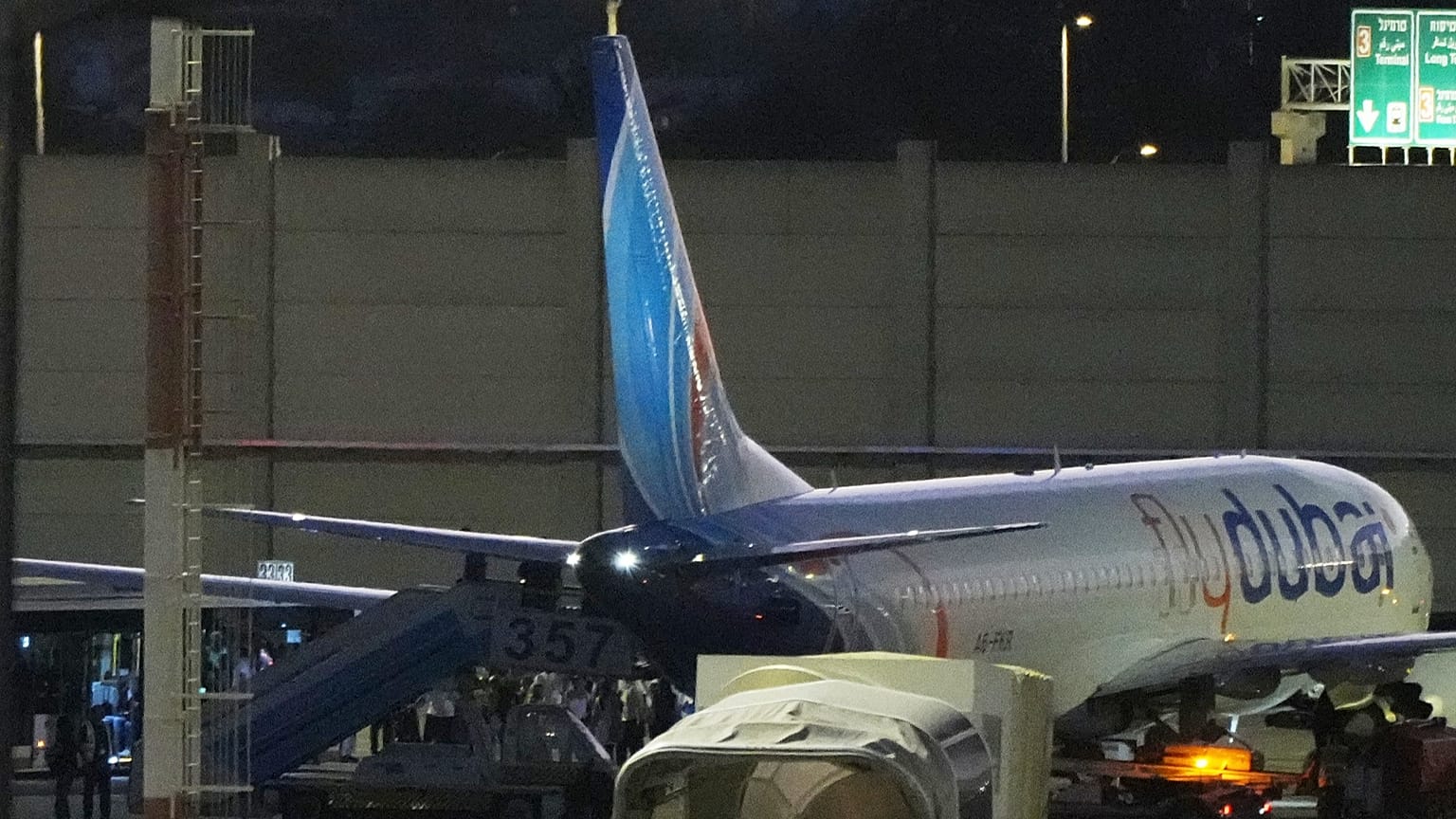
The revelations have sent shockwaves through the Gulf Cooperation Council (GCC) aviation corridors, home to some of the planet’s fastest-growing carriers, including Emirates, Flydubai, Qatar Airways, and Etihad. Flydubai, which operates an extensive short-to-medium-haul network utilizing an all-Boeing 737 fleet, prides itself on aggressive pilot recruitment across multinational talent pools. Yet, Machchhar’s testimony lays bare the limits of technical vetting when ideological or psychological deterioration occurs beneath the radar.
Aviation security analysts point out that post-9/11 architecture was designed exclusively to keep cabin threats out, operating under the dangerous assumption that anyone sitting behind the armored door is uniformly stable and aligned with safety. When the source of terror originates from within the flight crew, standard security measures work against the victims, turning the flight deck into an airtight trap.
The UAE General Civil Aviation Authority (GCAA), alongside international safety bodies, is now facing mounting pressure to implement randomized neurological screenings, continuous behavioral-health monitoring, and redundant multi-stage cabin interlocks that bypass single-pilot sabotage attempts.
Frequently Asked Questions (FAQ)
How does the cockpit door locking system work during an airborne emergency?
Modern commercial aircraft utilize armored cockpit doors governed by an electronic access system. Cabin crew can enter an emergency keypad code outside the door, which triggers a timed countdown (usually 30 seconds) before automatic entry. However, a pilot inside can override this by toggling the switch to 'DENY', keeping the door locked. Captain Machchhar prevented this override by manually holding the switch to 'UNLK' during the physical scuffle, allowing cabin crew immediate physical access to neutralize the attacker.
What will this mean for airline security protocols moving forward?
Regulators are reassessing the 'Two-Person Rule' to mandate that pilots remain in full forward visual contact at all times, with strict prohibitions against performing personal activities behind active flight stations. In addition, international flight bodies are reviewing pilot mental health tracking frameworks, psychiatric peer-review models, and dual-authorization systems for door override switches.
:max_bytes(150000):strip_icc()/GettyImages-1961119081-cebea3048e2749ce8ac0b48cce85c24a.jpg)