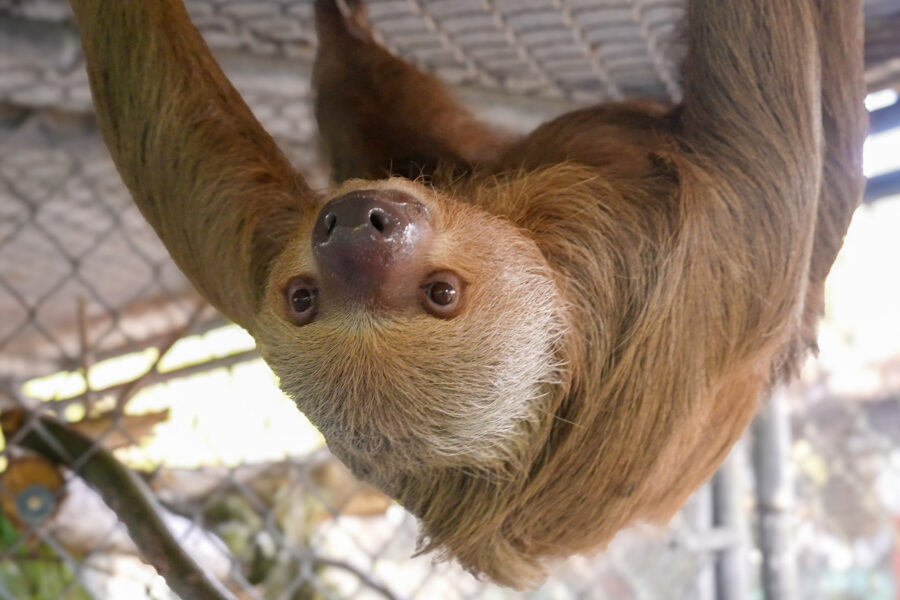
Sloth Mortalities in Florida Trigger Federal Alarm Over Global Wildlife Trafficking and Spillover Threats
WASHINGTON — Federal agricultural authorities and epidemiological researchers have confirmed a chilling discovery in the American Southeast: a mass casualty event involving imported sloths in Florida has exposed dangerous blind spots in the global exotic wildlife trade, raising urgent red flags regarding potential zoonotic disease spillover and pandemic risks.
According to newly released necropsy reports and federal confirmations, the mysterious deaths of multiple sloths brought into Florida through commercial wildlife channels have revealed the presence of pathogens native to Central and South America. The incident, first brought to light by investigative reporting from Inside Climate News, has transformed from a localized animal welfare concern into a major macroeconomic and public health debate over how exotic species cross international borders.
For policymakers in Washington, corporate risk analysts, and global health organizations, the Florida incident is more than a tragic wildlife story—it is a stress test of supply chain biosecurity. As commercial demand for exotic pets surges, scientists warn that the current regulatory architecture is failing to screen for novel viruses capable of bridging the species barrier to humans.
The Anatomy of a Biosecurity Failure
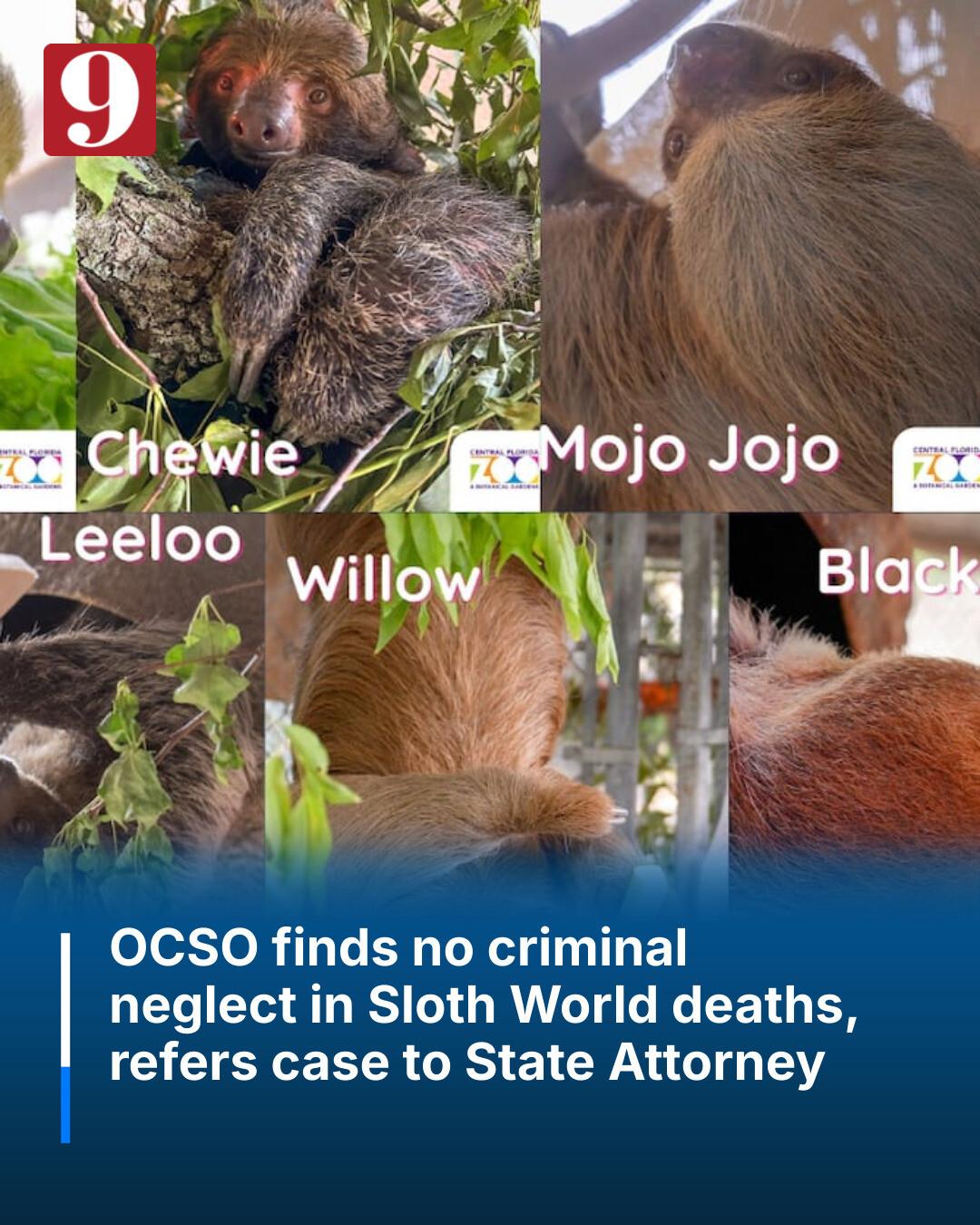
The sequence of events began when a shipment of sloths—prized in the illegal and legal exotic pet markets for their docile demeanor—arrived in Florida. Shortly after arrival, the animals began exhibiting severe respiratory distress and neurological symptoms before dying in rapid succession.
Subsequent diagnostic evaluations by the U.S. Department of Agriculture (USDA) confirmed the presence of New World pathogens that rarely, if ever, surface within the United States domestic animal population. Epidemiologists reviewing the cases noted that the animals were subjected to high-stress transport environments, overcrowded holding facilities, and lax quarantine protocols—classic catalysts for viral mutation and amplification.
"What we are seeing in Florida is a microscopic window into a massive, under-regulated global supply chain," said Dr. Elena Vance, a senior researcher in zoonotic epidemiology at the Johns Hopkins Center for Health Security. "When you move wild-caught or captive-bred exotic mammals across continents without rigorous, genomic-level screening, you are essentially rolling the dice on the next pathogen X."
- Regulatory Blind Spots: Current USDA and Fish and Wildlife Service (FWS) import checks prioritize agricultural livestock diseases over broader wildlife viral surveillance.
- The Exotic Pet Boom: Social media-driven demand has accelerated the importation of arboreal mammals, driving up transaction volumes and cutting down compliance times.
- Spillover Potential: Sloths and other arboreal mammals host unique microbiomes that can harbor novel coronaviruses, paramyxoviruses, and fungal agents.
Economic and Supply Chain Implications
The intersection of wildlife trade and macroeconomic stability has become a central focus for financial markets in the post-pandemic era. The COVID-19 pandemic erased trillions of dollars in global market capitalization, disrupting labor markets, supply chains, and sovereign debt portfolios. Consequently, institutional investors are increasingly viewing biosecurity as a core component of ESG (Environmental, Social, and Governance) and systemic risk assessment.
Global trade in exotic wildlife generates billions of dollars annually, encompassing everything from traditional pet retail to biomedical research. However, economists warn that the negative externalities—chiefly pandemic risk—vastly outweigh the sector's contribution to global GDP.
If federal lawmakers respond to the Florida sloth mortality event with sweeping import bans or mandatory genomic sequencing at ports of entry, legal wildlife importers will face steep compliance costs. Conversely, failing to tighten regulations risks catastrophic economic fallout should a zoonotic pathogen jump from imported exotic species to domestic livestock or human populations.
| Metric / Indicator | Current Status | Economic & Health Risk Level |
|---|---|---|
| Annual Exotic Wildlife Imports | Millions of specimens globally | High (Volume outpaces oversight) |
| USDA Pathogen Confirmation | New World agents identified in Florida | Critical (Proof of viral transport) |
| Genomic Screening at Ports | Inconsistent / Limited sampling | Severe Vulnerability |
| Estimated Potential Spillover Cost | Trillions (Based on historical analogs) | Catastrophic Tail Risk |
The Regulatory Crossroads
In the wake of the USDA confirmation, pressure is mounting on Capitol Hill to overhaul the Lacey Act and tighten interagency coordination between the CDC, USDA, and FWS. Public health advocates argue that voluntary industry guidelines are insufficient to curb the influx of potentially infected animals.
Industry groups, however, push back against outright bans, advocating instead for targeted traceability blockchain systems and accredited breeding facilities that ensure animal health prior to export.
As scientists continue to analyze the genetic sequencing data from the Florida specimens, the message to global regulators is unambiguous: the wildlife trade is a porous border through which ecological and biological threats travel unhindered. Whether governments will act decisively before a localized wildlife mortality event evolves into a human health crisis remains the defining question for the sector.
Frequently Asked Questions
What specifically caused the mass sloth deaths in Florida?
Necropsy reports and USDA analyses confirmed that the imported sloths succumbed to severe infections exacerbated by stress, with tests detecting the presence of New World pathogens native to their tropical habitats.
Why are wildlife trade incidents linked to pandemic risks?
Wild animals often carry pathogens to which they have built natural immunities. When these animals are stressed, confined in close quarters during transport, and brought into contact with humans or domestic species, these pathogens can mutate, jump species barriers, and trigger widespread zoonotic disease outbreaks.