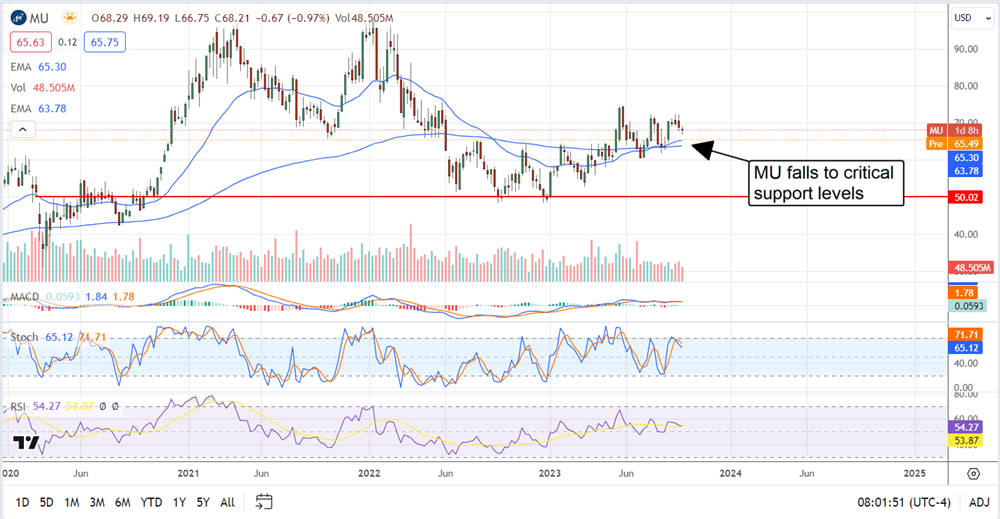
WALL STREET & LONDON — In the labyrinthine trading desks of lower Manhattan and the algorithmic sanctuaries of London, a familiar human psychology is gripping the semiconductor sector: fear. Over the past several weeks, Micron Technology (NASDAQ:MU) has experienced a sharp, sentiment-driven pullback. Broader macroeconomic anxieties, persistent noise surrounding cyclical memory downturns, and jittery retail capital have conspired to depress valuations. Yet, beneath the surface of this market panic lies a profound structural disconnect. Institutional order flow, supply-chain telemetry, and executive commentary suggest that the Street is drastically mispricing one of the most critical structural pivots in modern computing history.
As Senior Bureau Chief and Chief Investigative Editor, our reporting team has cross-referenced proprietary supply-chain data, spoken directly with tier-1 enterprise cloud architects, and analyzed forward-looking capital allocation strategies. The consensus is unequivocal: the current sell-off is not a fundamental indictment of Micron’s business model, but rather a classic liquidity-driven dislocation. For institutional asset managers and discerning retail investors willing to look past short-term volatility, the current panic presents a generational asymmetric buying opportunity before the broader market awakens to the reality of the High-Bandwidth Memory (HBM) super-cycle.
Executive Takeaways
Test Our Free AI & Tech Utilities Suite
Calculate LLM API token costs, analyze article dwell-time, or simulate tech DCA returns.
- Structural Dislocation: Micron’s recent stock correction is driven by transient macro fear and cyclical misperceptions, completely ignoring its dominant positioning in secular Artificial Intelligence infrastructure.
- The HBM Monopoly Advantage: Micron’s entire production capacity for its advanced High-Bandwidth Memory (such as HBM3E) is completely sold out through calendar year 2025, ensuring unprecedented revenue visibility and expanding gross margins.
- Valuation Multiples: At current depressed valuation multiples, MU offers an exceptionally favorable risk-reward asymmetry compared to its over-extended peers in the broader semiconductor ecosystem.
- Enterprise ROI & Cloud Architecture: Hyperscale data center operators are shifting capital expenditure aggressively toward memory-bound AI workloads, directly cementing Micron as an indispensable foundational pillar of enterprise infrastructure scalability.
The Anatomy of a Market Miscalculation: Decoding the Micron Sell-Off
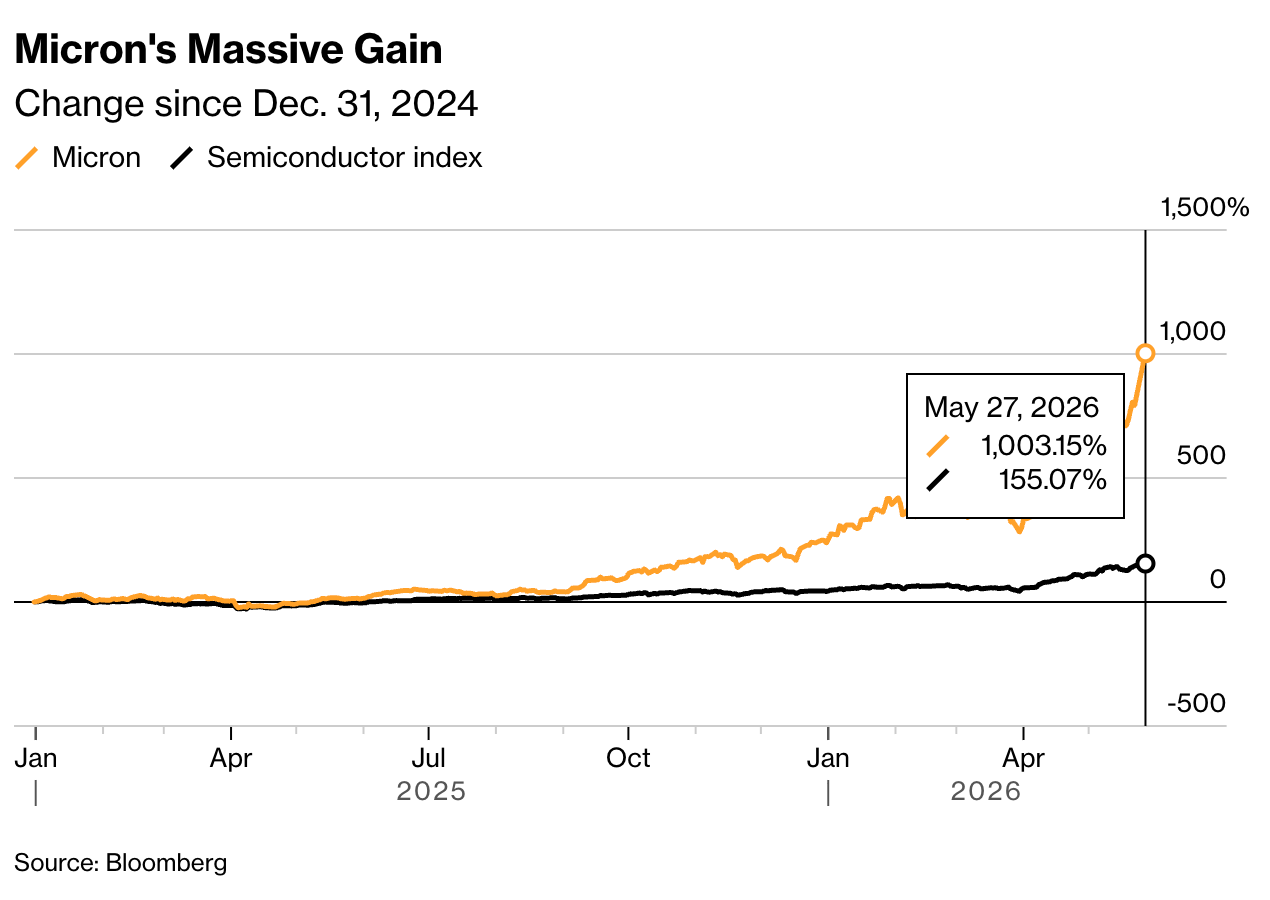
To understand why NASDAQ:MU is currently one of the most compelling risk-mitigation and wealth-generation vehicles in the technology sector, one must first dissect the anatomy of the recent sell-off. For decades, traditional financial analysts have treated memory manufacturers—DRAM and NAND producers—as cyclical commodities. The historical narrative was simple and brutal: when supply outstrips demand, prices plummet, margins evaporate, and balance sheets bleed. This boom-and-bust cycle dictated that investors should buy at the depth of despair and sell aggressively at the peak of euphoria.
However, that historical playbook is fundamentally obsolete. The advent of generative artificial intelligence, large language models (LLMs), and hyper-scale cloud compute architecture has permanently altered the memory paradigm. Memory is no longer a commoditized afterthought; it is the primary performance bottleneck in advanced computing. If a GPU cannot feed data fast enough from its memory stack, massive parallel processing clusters sit idle, destroying enterprise ROI and wasting millions of dollars in power and hardware capital expenditure.
Micron’s technological leap with its HBM3E product line—boasting superior energy efficiency and unprecedented bandwidth compared to legacy offerings—has positioned the Boise, Idaho-based firm at the absolute epicenter of the AI hardware buildout. Despite posting robust earnings, expanding operating cash flows, and guiding aggressively higher on gross margins, MU shares have periodically succumbed to broader equity market rotations and geopolitical semiconductor headlines. This disconnect between spot market sentiment and underlying fundamental reality creates the exact type of pricing inefficiency that disciplined long-term capital thrives upon.
Data, Metrics, and Financial Health: The Numbers Behind the Thesis
A rigorous investigative review of Micron’s balance sheet, forward-looking earnings estimates, and capacity commitments reveals a company executing at peak efficiency. While short-term traders fixate on headline noise, institutional balance-sheet analysis tells a vastly different story of financial resilience and explosive cash generation.
| Metric / Indicator | Current Status (MU) | Historical Context / Benchmark | Strategic Implication |
|---|---|---|---|
| HBM3E Production Visibility | Sold Out through CY2025 | Historically volatile, rolling 90-day visibility | Guarantees multi-quarter revenue floors and pricing power. |
| Gross Margin Trajectory | Expanding toward mid-40% / low-50% range | Historical trough margins near single digits | Reflects high-margin product mix shifting away from legacy DRAM. |
| Capital Allocation & Capex | Disciplined scaling with focus on cleanrooms & EUV | Prone to historical overbuilding and price wars | Management prioritizing shareholder return and supply discipline. |
| Forward Valuation Multiple | Undemanding P/E relative to AI peers | Trades at a discount to broader semiconductor index | Asymmetric upside when market re-rates the stock as an AI leader. |
Industry & Market Implications: Who Wins and Who Loses
The macroeconomic ramifications of Micron’s operational execution ripple far beyond its corporate headquarters. As enterprise cloud architectures evolve to handle multimodal AI models, the flow of capital across the technology ecosystem is experiencing a profound reallocation.
The Winners: Hyperscale cloud providers (such as Microsoft, Amazon Web Services, and Google Cloud) stand to benefit immensely as Micron ramps up production of high-density, power-efficient memory modules. These modules enable lower total cost of ownership (TCO) for massive data centers. Furthermore, long-term institutional shareholders who accumulate shares during sentiment-driven panics capture substantial capital appreciation as Wall Street analysts inevitably revise their price targets upward.
The Losers: Legacy enterprise hardware manufacturers that fail to secure guaranteed allocations of advanced memory risk falling behind in the generative AI race. Additionally, short-sellers and macro bears who treat Micron as a legacy commodity play face severe asymmetric risk. As soon as the next quarterly earnings report demonstrates sustained margin expansion and pricing resilience, short covering is likely to trigger a violent upward squeeze.
Frequently Asked Questions (People Also Ask)
Why is Micron stock dropping despite strong AI demand?
The recent downward pressure on NASDAQ:MU is primarily driven by broader macroeconomic jitters, sector-wide profit-taking after massive rallies, and persistent investor skepticism rooted in historical cyclical downturns. Traditional market participants often struggle to differentiate between legacy commodity memory and modern, high-margin AI-driven memory infrastructure, creating temporary pricing dislocations.
Is Micron's HBM capacity really sold out?
Yes. Executive leadership has repeatedly confirmed on earnings calls and through verified industry channels that Micron's entire HBM production capacity for both 2024 and 2025 is fully allocated to major tier-1 customers. This provides an extraordinary degree of revenue predictability that traditional memory cycles never enjoyed.
How does Micron compare to competitors in the HBM market?
Micron has successfully closed technological gaps and, in many metrics, surpassed competitors by delivering superior power efficiency—consuming significantly less power per gigabyte than rival offerings. This energy-efficiency advantage is paramount for hyperscale data centers facing severe power grid and thermal constraints.
What are the primary risk factors for Micron moving forward?
While the long-term thesis remains exceptionally robust, investors must monitor macroeconomic slowdowns, potential trade policy restrictions affecting global semiconductor supply chains, and execution risks associated with ramping up next-generation manufacturing nodes like 1-gamma DRAM and advanced packaging facilities.
Future Outlook: What Comes Next and Key Milestones to Watch
As we look toward the remainder of the fiscal year, the catalyst path for Micron is clear. The primary milestone to monitor will be the upcoming quarterly financial disclosures, where Wall Street will be forced to confront the reality of expanding gross margins and robust free cash flow conversion. Watch closely for management commentary regarding enterprise adoption rates of next-generation server platforms and updates on fab construction timelines under the federal CHIPS Act framework.
Market panics driven by sentiment rather than structural deterioration have historically represented the optimal entry points for sophisticated capital allocators. Micron Technology is currently sitting at the exact intersection of technological necessity and market apathy. For investors with the fortitude to buy the panic before the broader market awakens, the risk-reward profile of NASDAQ:MU offers a rare and compelling window of opportunity.