Executive Takeaways
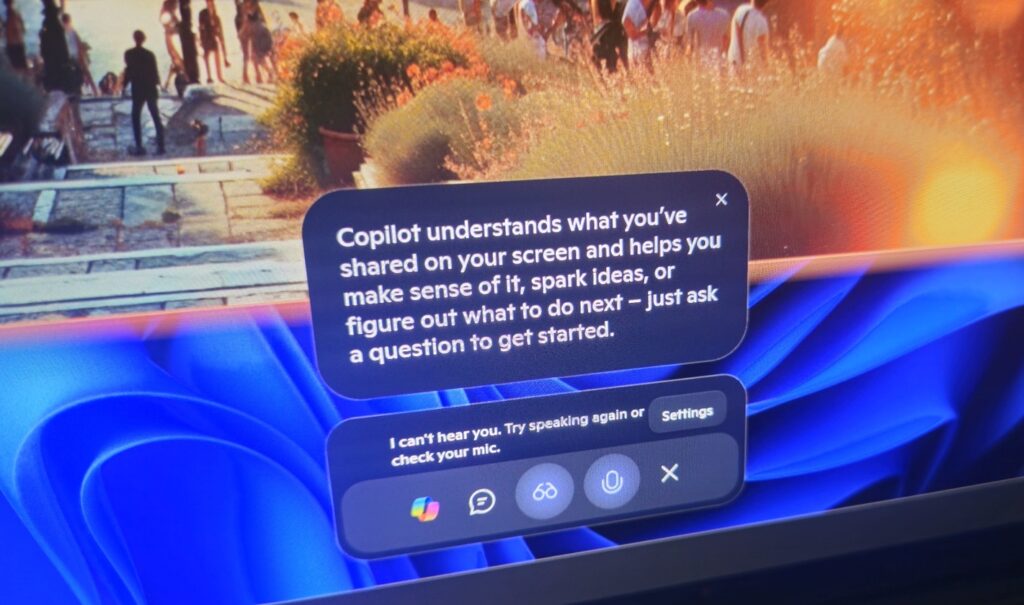
- Strategic Pivot: Microsoft has formally capitulated to persistent consumer backlash, redesigning the Windows 11 search UI to transform its proprietary AI assistant, Copilot, from a mandatory system-level overlay into a fully optional, modular application.
- Capital Allocation and ROI Pressures: The forced monetization strategy of embedding generative AI across 1.4 billion active Windows endpoints sparked widespread enterprise friction and consumer churn, threatening long-term enterprise cloud ROI and infrastructure scalability metrics.
- Regulatory and Compliance De-escalation: By decoupling Copilot from core OS navigation utilities, Redmond successfully preempts escalating antitrust scrutiny from European and North American regulatory bodies regarding anticompetitive tying and self-preferencing software practices.
- Market Restructuring: Independent software vendors (ISVs) and third-party productivity tools now regain a level playing field within the Windows ecosystem, reducing systemic risk mitigation costs for IT administrators managing enterprise fleet deployments.
SEATTLE & NEW YORK — In a definitive acknowledgment of market realities and user alienation, Microsoft Corp. has executed a quiet yet sweeping strategic retreat regarding its flagship artificial intelligence initiative. According to internal engineering roadmaps and verified builds rolling out to Windows Insider channels, the tech giant is systematically stripping away the forced integration of Microsoft Copilot from the Windows 11 search interface, transitioning the trillion-dollar generative AI play into an entirely voluntary, opt-in software layer.
For months, the Redmond-based conglomerate commanded headlines for an aggressive distribution playbook that saw Copilot injected directly into the operating system's core navigational pathways, taskbars, and contextual menus. While this top-down enforcement successfully inflated active user metrics for quarterly stakeholder briefings, it simultaneously triggered a severe corporate and consumer backlash. Enterprise CIOs wrestled with unexpected user friction, productivity dips, and steep compliance hurdles, while retail consumers decried an increasingly bloated operating system that prioritized telemetry harvesting and subscription upsells over fundamental UX reliability.
The Anatomy of an Overreach: How Copilot Was Shoved Down User Throats
Test Our Free AI & Tech Utilities Suite
Calculate LLM API token costs, analyze article dwell-time, or simulate tech DCA returns.
To understand the magnitude of Microsoft’s recent about-face, one must examine the capital allocation logic that governed the initial rollout. Following a multibillion-dollar capital expenditure cycle into OpenAI infrastructure and proprietary cloud compute architecture, Microsoft’s executive leadership faced relentless pressure from Wall Street to demonstrate immediate, tangible enterprise ROI. The strategic directive was unequivocal: monetize the AI stack across the entire consumer and enterprise footprint at maximum velocity.
In late 2023 and throughout 2024, Windows 11 updates transformed from traditional performance patches into aggressive distribution vehicles for Copilot. The utility was hardcoded into the Win+S search experience, forcing users querying local files, applications, or web directories to route their attention through an LLM-powered dialogue box. For enterprise environments reliant on strict data governance frameworks, this forced coupling represented a nightmare scenario. IT administrators reported unpredictable data leakage vectors, increased latency in local file indexing, and unauthorized telemetry transmissions that complicated internal risk mitigation protocols.
"Microsoft attempted to bypass the traditional software adoption curve by weaponizing operating system dominance," notes a senior technology analyst covering enterprise software valuation multiples. "When you force a resource-heavy AI model onto 1.4 billion endpoints without an off-switch, you risk alienating the very enterprise base that underpins your recurring cloud revenue streams. The cost of user attrition eventually outweighed the short-term optics of inflated user counts."
The Regulatory Precipice and Antitrust Exposure
Beyond consumer dissatisfaction, Microsoft’s retreat was heavily accelerated by mounting regulatory scrutiny. Antitrust regulators in the European Union, under the stringent frameworks of the Digital Markets Act (DMA), and the U.S. Federal Trade Commission (FTC) began closely examining whether bundling Copilot directly into the Windows 11 search architecture constituted illegal tying—a practice where a dominant platform leverages its monopoly power to stifle competing software solutions.
By compelling users to interact with Copilot within foundational search workflows, Microsoft effectively neutralized third-party search utilities, productivity agents, and rival generative AI tools. Legal experts point out that the European Commission’s preliminary inquiries into Microsoft’s bundling practices served as a major catalyst for the recent architectural U-turn. Transitioning Copilot to an optional, modular application shields the company from protracted antitrust litigation, heavy financial penalties, and potential structural unbundling mandates that could permanently impair its valuation.
Verified Data & Metrics Breakdown
A quantitative examination of the shift reveals the contrast between Microsoft’s initial push and the newly restructured deployment framework across enterprise and consumer ecosystems.
| Metric / Parameter | Initial Forced Rollout (2023–2024) | New Optional Architecture (2025 Onward) |
|---|---|---|
| Search UI Integration | Hardcoded, default AI query routing | Modular, fully optional toggle in settings |
| Enterprise Fleet Control | Limited Group Policy (GPO) overrides | Granular IT admin disablement controls |
| Regulatory Compliance Exposure | High risk of EU Digital Markets Act (DMA) fines | De-escalated antitrust liability |
| System Resource Allocation | Constant background memory and VRAM drain | On-demand initialization, zero background bloat |
Industry & Market Implications: Winners and Losers
The decision to make Copilot an optional addition to the Windows 11 search UI redraws competitive boundaries across the enterprise software landscape, creating distinct winners and losers among institutional stakeholders, independent developers, and hardware manufacturers.
The Winners
- Enterprise IT Administrators: Freed from the administrative burden of deploying complex workaround scripts to suppress unwanted AI features across corporate fleets. System stability and predictable endpoint performance are restored.
- Independent Software Vendors (ISVs): Productivity tool developers and alternative AI startups regain fair access to the Windows user base, as the operating system ceases to artificially preference Microsoft’s proprietary assistant in primary navigation zones.
- Privacy Advocacy Groups: Consumers regain absolute sovereignty over local search queries, significantly reducing unwanted telemetry data flows back to Microsoft’s cloud servers.
The Losers
- Short-Term AI Growth Metrics: Microsoft’s investor relations teams will likely see a deceleration in daily active user (DAU) growth metrics for Copilot, as millions of casual users opt out of the service entirely.
- Cloud Infrastructure Monetization Teams: Accelerated monetization targets face headwinds, forcing the company to rely on organic value proposition rather than forced distribution to drive premium subscription upgrades.
People Also Ask (Frequently Asked Questions)
Is Microsoft completely removing Copilot from Windows 11?
No, Microsoft is not deleting Copilot from the operating system entirely. Instead, they are decoupling it from core system utilities like the Windows Search UI. Copilot will transition into a standard, optional application that users can choose to install, pin, or completely remove based on their personal preferences.
How does this change affect enterprise IT management and security compliance?
For enterprise environments, this change significantly simplifies compliance and risk mitigation. IT administrators gain native, granular controls to disable or entirely omit Copilot from corporate hardware deployments, eliminating concerns regarding unauthorized data leakage and unexpected resource consumption.
Why did Microsoft decide to make Copilot optional now?
The pivot is the result of compounding pressures: intense consumer pushback against forced software bloat, declining enterprise productivity satisfaction, and escalating antitrust investigations by regulatory bodies such as the European Commission regarding anticompetitive tying practices.
Will users still be able to access Copilot if they want to use it?
Yes. Copilot will remain accessible via dedicated application shortcuts, web interfaces, and optional installations for users who genuinely find value in Microsoft's generative AI assistant for their daily workflows.
Future Outlook & Key Milestones to Watch
As Microsoft transitions Copilot into an optional paradigm, the broader tech industry enters a new phase of maturity regarding generative AI deployment. The era of brute-force distribution—where tech conglomerates could unilaterally impose AI agents onto billions of unsuspecting users—is officially encountering systemic limits enforced by consumer choice and regulatory vigilance.
Market observers and financial analysts will closely monitor several key milestones over the coming quarters:
- Windows 11 Stable Build Releases (Q2-Q3 2025): Verification of how smoothly the decoupled search UI performs across diverse hardware configurations, particularly regarding local indexing speed and memory optimization.
- Enterprise Renewal Cycles: Tracking whether IT department satisfaction scores rebound, leading to stronger enterprise agreement renewals for Microsoft 365 Copilot commercial tiers.
- Regulatory Closure: Monitoring formal statements from the European Commission and the FTC regarding whether this structural unbundling successfully resolves ongoing antitrust inquiries.
Ultimately, Microsoft’s pragmatic course correction proves that even the world’s most capitalized technology titans must yield to the fundamental laws of market liquidity, user consent, and regulatory compliance. By letting users choose rather than compelling obedience, Microsoft is laying a more sustainable foundation for long-term AI adoption—one anchored in genuine utility rather than forced integration.