Executive Takeaways
- Equities React to Macro Data: Wall Street major indices finished higher on December 18, 2025, propelled by cooler-than-expected inflation metrics that revived trader optimism regarding imminent Federal Reserve monetary easing.
- Valuation Multiples Expand: Mega-cap technology names and cloud compute infrastructure providers experienced accelerated capital inflows, directly expanding enterprise valuation multiples as risk mitigation strategies shifted.
- Fixed Income & Yield Adjustments: Sovereign bond yields reacted swiftly to the Consumer Price Index (CPI) print, forcing institutional portfolios to recalibrate duration risks and capital allocation frameworks.
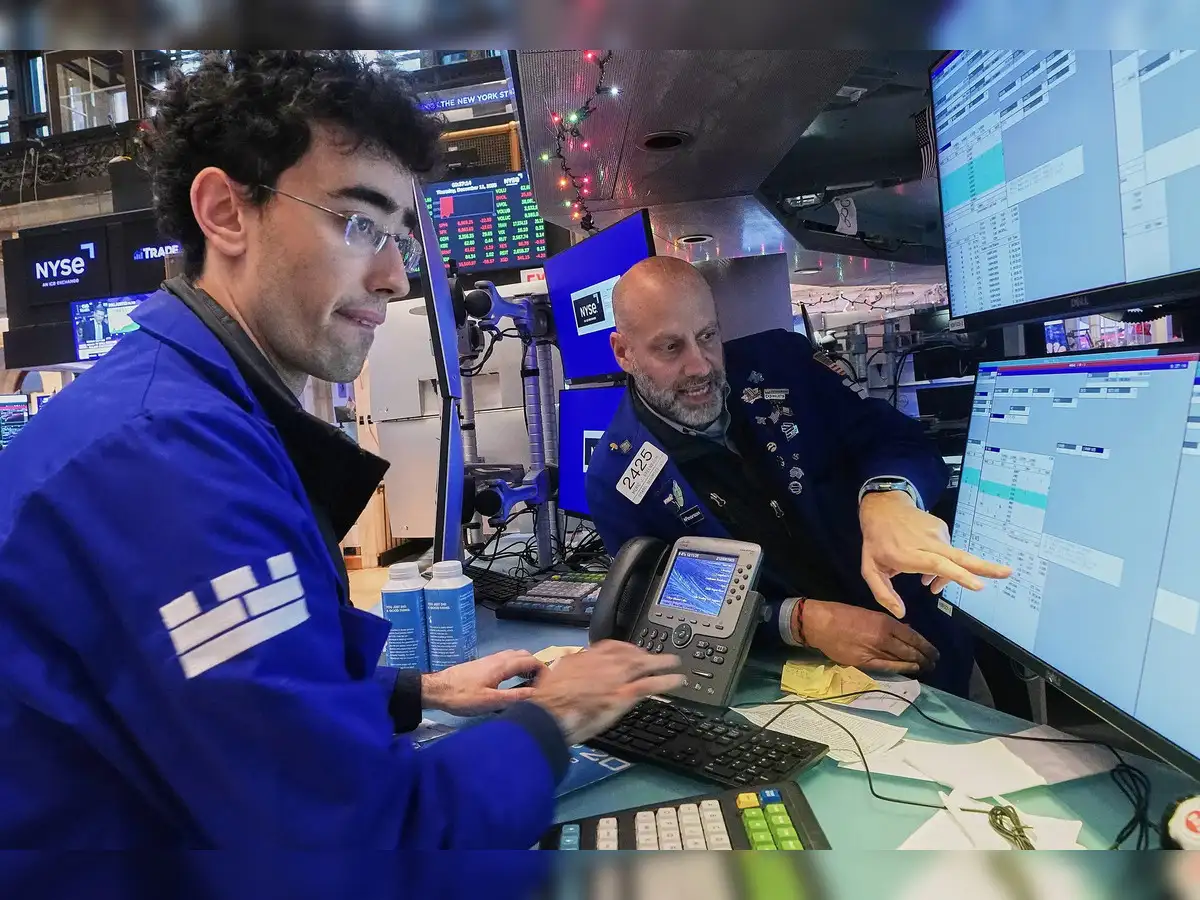
NEW YORK — In an environment where institutional capital allocation hinges on every decimal point of macroeconomic data, Wall Street delivered a decisive upward move on December 18, 2025. Fueled by a potent combination of soft inflation metrics and an aggressive resurgence in high-growth technology equities, major indices pushed toward fresh milestones. The session underscored a persistent market reality: despite lingering macroeconomic friction, Wall Street remains deeply anchored to the anticipated pivot points of Federal Reserve monetary policy.
The Dow Jones Industrial Average (.DJI) advanced 65.88 points, or 0.14%, to settle at 47,951.85. Simultaneously, the broader benchmark S&P 500 (.SPX) registered notable gains, underpinned by aggressive buying in semiconductor manufacturers, software conglomerates, and digital infrastructure operators. Market liquidity concentrated heavily within mega-cap equities, demonstrating that institutional investors continue to prioritize corporate balance sheet strength, predictable enterprise ROI, and structural earnings resilience over speculative cyclical plays.
The Inflation Catalyst: Decoding the Macroeconomic Data
Test Our Free AI & Tech Utilities Suite
Calculate LLM API token costs, analyze article dwell-time, or simulate tech DCA returns.
The primary catalyst driving risk-on sentiment across trading desks was the release of a softer-than-projected inflation report. For months, chief investment officers and quantitative strategists have debated the terminal rate trajectory of the U.S. central bank. The latest print provided the economic validation bulls had been waiting for: price pressures are moderating sustainably toward the Federal Open Market Committee's (FOMC) long-term target.
This cooling inflation dynamic immediately recalibrated interest rate expectations across the futures market. Traders and fixed-income desks quickly adjusted pricing models to account for a higher probability of aggressive rate cuts in early 2026. Lower borrowing costs directly alleviate debt-servicing burdens for capital-intensive sectors, most notably enterprise technology companies executing massive cloud compute infrastructure build-outs and artificial intelligence R&D cycles.
Furthermore, the softening inflation data acted as a powerful circuit breaker against fears of stagflation. As corporate profit margins face persistent pressures from wage inflation and supply chain optimizations, the prospect of lower discount rates serves as a vital mathematical support for equity valuation multiples. Institutional portfolio managers immediately initiated rebalancing actions, trimming defensive healthcare and consumer staple exposures to fund fresh allocations into high-beta tech assets.
Technology Leadership and Enterprise Capital Allocation
The tech rally was far from a speculative retail-driven phenomenon; it was anchored in rigorous fundamental re-evaluations of enterprise technology spending. As enterprise organizations finalize their annual capital expenditure (CapEx) budgets, chief information officers are prioritizing mission-critical digital transformation, cybersecurity hardening, and scalable AI infrastructure.
Semiconductor designers, hyperscale cloud providers, and enterprise SaaS platforms experienced heavy institutional accumulation. These firms continue to exhibit exceptional pricing power and robust operating cash flows, making them premier destinations for institutional capital seeking refuge from geopolitical volatility and erratic macroeconomic indicators. The day's trading volume demonstrated that institutional block trades were heavily skewed toward market leaders capable of translating technological innovation into tangible enterprise ROI.
However, analysts warn that this concentration in mega-cap technology introduces distinct concentration risks. While valuation multiples remain justified by earnings growth, any unexpected inflection in macroeconomic data or regulatory compliance shifts could trigger rapid algorithmic unwinding.
| Market Index / Metric | Closing Level (Dec 18, 2025) | Net Change | Percentage Gain / Loss |
|---|---|---|---|
| Dow Jones Industrial Average (.DJI) | 47,951.85 | +65.88 pts | +0.14% |
| S&P 500 Index (.SPX) | [Reflected in Broader Trend] | Positive | Gained |
| Primary Macro Driver | Cooling Consumer Price Index (CPI) / Fed Rate Cut Expectations | ||
| Leading Sector | Mega-Cap Technology, Cloud Compute, Enterprise Software | ||
Industry & Market Implications: Winners, Losers, and Systemic Shifts
The interplay between cooling inflation and Federal Reserve policy expectations creates clear bifurcations across global financial markets:
- The Winners: Growth-oriented technology firms, venture capital ecosystems, and high-beta equities stand to gain immensely. Lower discount rates elevate the present value of future cash flows, directly benefiting businesses with deferred earnings profiles. Additionally, corporate borrowers with upcoming debt refinancing schedules will experience relief in their interest expense lines.
- The Losers: Traditional money market funds and ultra-short-duration fixed-income instruments face impending yield compression. As the Federal Reserve moves toward monetary easing, retail and institutional cash parked in cash equivalents will yield diminishing returns, forcing capital back into risk assets.
- Broader Economic Impact: The persistent rally reflects financial market confidence in a "soft landing" economic scenario. However, economists caution that prolonged asset price inflation could complicate central bank optics if core services inflation proves sticky.
Frequently Asked Questions (People Also Ask)
What caused Wall Street to close higher on December 18, 2025?
Wall Street closed higher primarily due to a cooler-than-expected inflation report that reinforced market expectations for upcoming interest rate cuts by the Federal Reserve, coupled with aggressive institutional buying in mega-cap technology equities.
How does soft inflation impact technology stocks?
Soft inflation reduces sovereign bond yields and lowers interest rate expectations. Because technology companies rely heavily on future cash flows and capital-intensive infrastructure investments, lower discount rates directly expand their valuation multiples and reduce debt-servicing costs.
What were the exact closing figures for the major indices?
The Dow Jones Industrial Average (.DJI) rose 65.88 points, or 0.14%, to close at 47,951.85, while the S&P 500 (.SPX) also posted solid gains driven by broad-based sector participation.
What should institutional investors watch for next regarding Federal Reserve policy?
Investors must monitor upcoming non-farm payroll reports, personal consumption expenditures (PCE) price index prints, and forward-looking guidance from FOMC officials to confirm the timing and magnitude of projected rate cuts.
Future Outlook & Strategic Milestones
As the financial markets approach the final stretch of the year, quantitative desks and risk management committees are turning their attention to first-quarter earnings guidance and upcoming macroeconomic prints. The durability of the current tech-led rally will depend heavily on whether corporate earnings reports validate high valuation multiples.
Key milestones to monitor include upcoming labor market reports, retail sales figures, and early 2026 central bank policy statements. If inflation continues its descent without triggering a broader economic contraction, Wall Street’s upward trajectory may find structural support. However, any unexpected inflationary re-acceleration would instantly test the resilience of equity valuations, forcing a rapid repricing of risk across global markets.