WASHINGTON — In a development poised to reshape both our fundamental understanding of astrophysics and the burgeoning trillion-dollar space economy, NASA is gearing up for a landmark launch. The agency is putting the finishing touches on a revolutionary new space telescope designed to peer deeper into the cosmic dark than ever before, promising answers to questions that have baffled scientists for generations.
The mission, heavily highlighted across major scientific forums and public broadcasts including NPR’s Shortwave podcast, represents a massive leap forward in optical and infrared astronomy. For investors, aerospace strategists, and space enthusiasts alike, the impending countdown marks a pivotal inflection point for technological innovation and deep-space exploration.
The Paradigm Shift: What Makes This Telescope Different
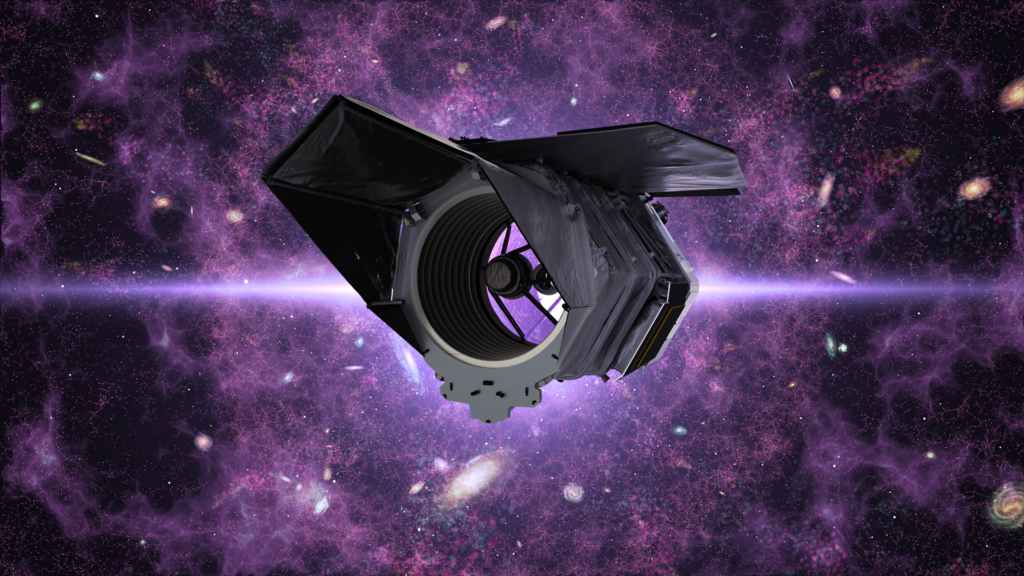
Unlike its predecessors, which primarily focused on localized planetary systems or deep-field optical imagery, this upcoming orbital observatory is engineered to capture unprecedented spectral data. By bridging the gap between high-resolution infrared imaging and wide-field cosmological surveying, NASA aims to capture the light of the earliest galaxies formed after the Big Bang.
Astrophysicists emphasize that the telescope’s advanced instrumentation will allow researchers to pierce through dense cosmic dust clouds. This capability is expected to unlock secrets regarding stellar nurseries, black hole mechanics, and the atmospheric compositions of distant exoplanets—bringing humanity a step closer to answering the ultimate question: Are we alone?
- Unprecedented Depth: Capable of detecting faint light signatures from over 13 billion years ago.
- Advanced Optics: Utilizes next-generation mirror configurations to minimize distortion and maximize light collection.
- Commercial Synergy: Built with components and partnerships stemming from private-sector aerospace engineering innovations.
- Economic Impact: Stimulates high-tech manufacturing, software development, and specialized supply chains.
Mission Metrics and Technical Overview

To understand the sheer scale of this impending launch, stakeholders are looking closely at the core parameters of the mission. Below is a snapshot of what engineers and project managers are preparing for launch day:
| Project Metric | Specification |
|---|---|
| Primary Objective | Cosmic evolution mapping & exoplanet atmospheric analysis |
| Primary Spectrum | Infrared and Near-Infrared |
| Expected Orbit | High Earth Orbit / Lagrange Point |
| Primary Agency | NASA (with international and private aerospace partners) |
Why the Stakes Are Higher Than Ever
The timing of this launch is critical. As global space agencies compete for dominance in lunar exploration, satellite constellations, and deep-space infrastructure, pure science missions serve as the crown jewel of technological prowess. Industry analysts note that breakthroughs achieved during the development of these massive telescopes frequently trickle down into commercial applications, ranging from medical imaging to advanced telecommunications.
Furthermore, public engagement has reached a fever pitch. Discussions surrounding the mission have permeated popular culture, drawing parallels to the massive cultural impact of previous revolutionary observatories. Whether capturing the imagination of students or driving venture capital into the commercial space sector, the telescope is already generating a robust economic and educational dividend before leaving the launchpad.
Looking Ahead: The Countdown Begins
As mission controllers conduct final systems checks and payload integrations, the global scientific community waits with bated breath. Ground teams are running rigorous simulations to ensure every deployment phase—from fairing separation to solar array unfurling—executes flawlessly.
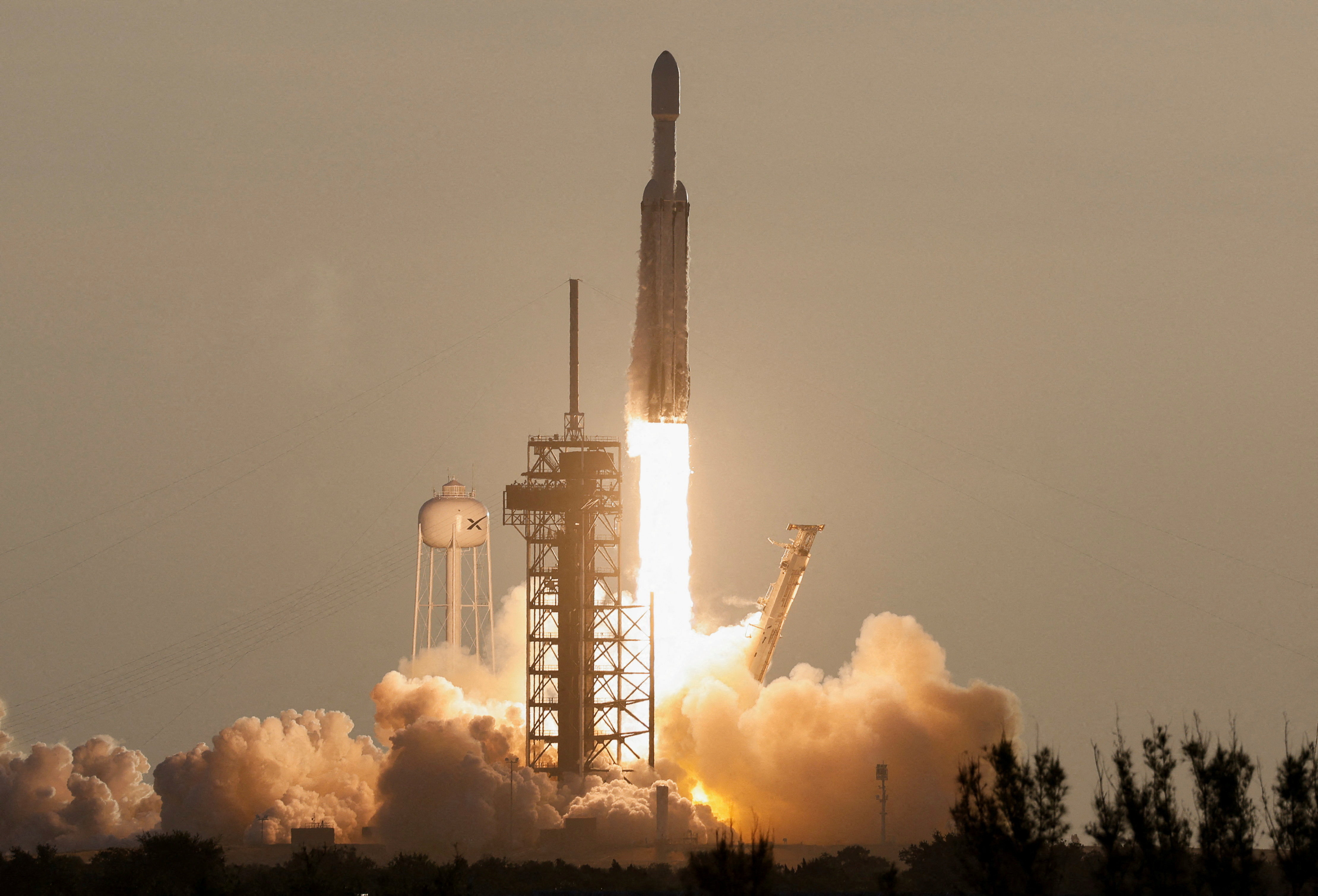
When the countdown finally hits zero and the rocket clears the tower, it won’t just be a victory for NASA. It will signal the dawn of a brand-new era in human discovery, turning science fiction into tangible data and forever altering our place in the universe.
Frequently Asked Questions
When is the official launch scheduled to take place?
NASA and its aerospace partners are finalizing the exact launch windows based on optimal orbital mechanics and weather conditions. Mission updates are regularly broadcast via official NASA channels and science programs like NPR's Shortwave.
How does this telescope differ from the James Webb Space Telescope (JWST)?
While JWST revolutionized infrared astronomy with its massive segmented mirror, this new mission is designed to complement existing infrastructure by offering specialized survey capabilities, broader field-of-view tracking, and targeted observations geared toward specific cosmic evolutionary milestones.