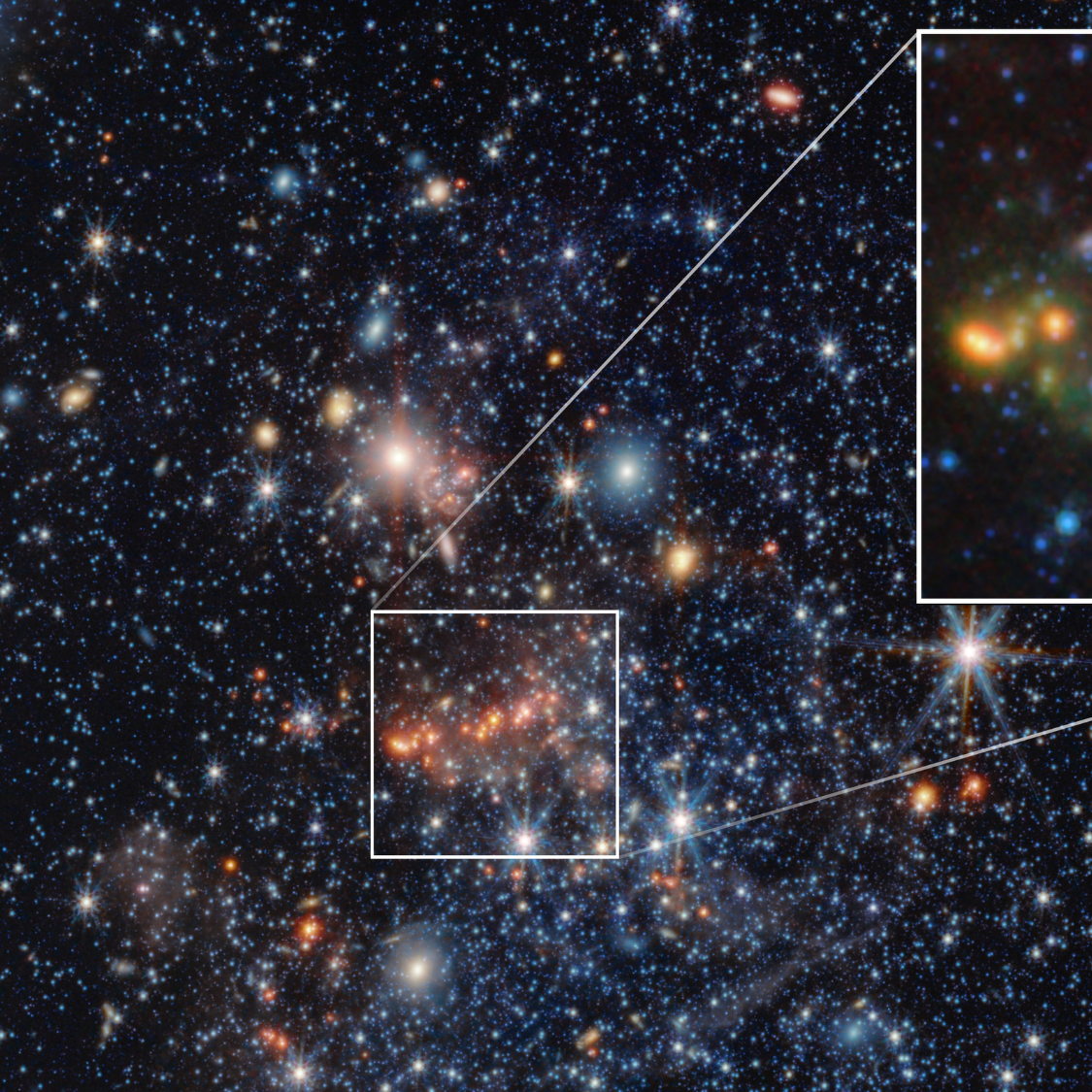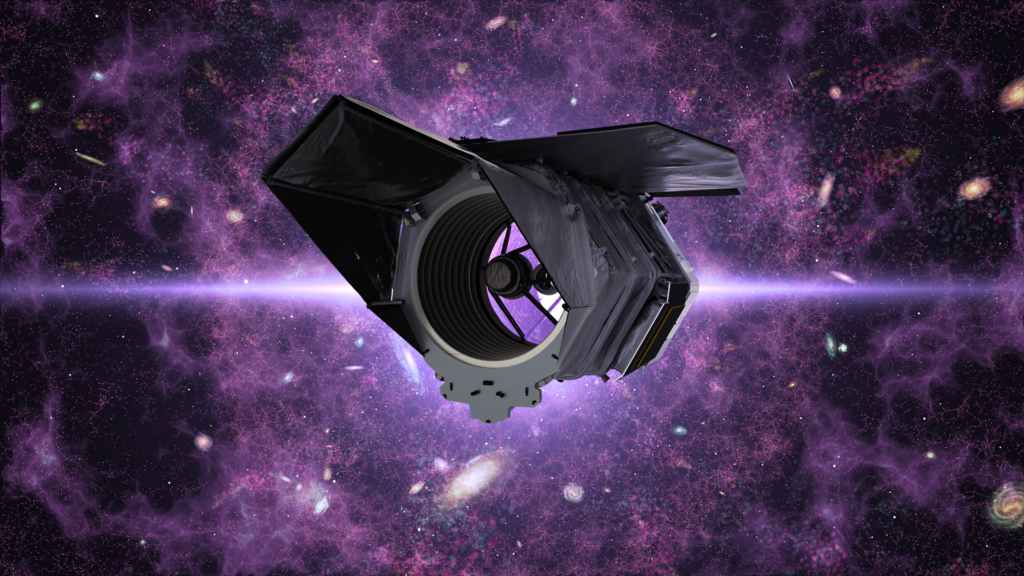
WASHINGTON — Humanity is once again standing on the precipice of a cosmic paradigm shift. One month after initial preparations caught the attention of global science correspondents, NASA is officially putting the final touches on the launch of an unprecedented space telescope. Designed to pierce through billions of light-years of interstellar dust and cosmic fog, this next-generation observatory promises to fundamentally alter our understanding of the universe, galaxy formation, and potentially, the origins of life itself.
For decades, instruments like the Hubble Space Telescope and the James Webb Space Telescope (JWST) have redefined what is visible to the human eye, capturing the fiery birth of stars and the faint, ancient glow of the early cosmos. Yet, astrophysicists insist this new mission is not merely an incremental upgrade—it is an entirely new lens through which reality will be measured. As space agencies race to finalize pre-launch diagnostics, markets, scientific institutions, and aerospace stakeholders are watching closely.
The Stakes: Why This Mission Matters to Science and Society
Beyond the breathtaking imagery destined to captivate the public imagination, the economic and technological implications of this launch are immense. The aerospace sector continues to drive advanced manufacturing, optics innovation, and data-processing technologies that eventually filter down into consumer economies. Furthermore, answering foundational questions about the universe's expansion rate and the distribution of dark matter holds profound weight for theoretical physics.
Early mission data highlights from primary wire sources like NPR emphasize the sheer scale of public and scientific anticipation. As researchers prepare for the countdown, the mission has quickly climbed to the top of trending science stories worldwide, reflecting a universal appetite for discovery.
- Unprecedented Precision: Enhanced mirror arrays and advanced infrared sensors designed to capture light previously blocked by cosmic debris.
- Cosmic Timeline Mapping: An explicit mandate to observe the universe's earliest epochs, shedding light on the formation of the first supermassive black holes.
- Exoplanet Characterization: Improved capability to analyze the atmospheric composition of distant exoplanets in search of potential biosignatures.
- Economic & Technological Ripple Effects: Catalyzing billions in R&D investments across aerospace engineering, cryogenics, and computational astrophysics.
Inside the Technology: Engineering the Impossible

Building an instrument capable of outperforming existing space-based observatories required overcoming monumental engineering hurdles. Engineers had to design ultra-lightweight beryllium mirrors capable of withstanding the punishing vibrations of a rocket launch while maintaining sub-micron precision in the extreme cold of deep space.
Furthermore, data management presents a staggering challenge. The telescope will beam back petabytes of raw telemetry and imagery, requiring advanced artificial intelligence and machine learning algorithms on Earth to filter, process, and analyze the incoming streams. Economists and tech analysts note that the software frameworks developed for this mission are already inspiring commercial data-handling solutions.
| Mission Metric | Specification Details | Primary Objective |
|---|---|---|
| Primary Mirror | Advanced segmented composite array | Maximize light-gathering power for deep-space observation |
| Operational Orbit | Sun-Earth Lagrange Point 2 (L2) | Ensure thermal stability and uninterrupted viewing |
| Primary Focus | Infrared and near-ultraviolet spectrum | Peer through dust clouds and ancient galaxy clusters |
| Expected Lifespan | 10+ years (with potential fuel extensions) | Long-term longitudinal cosmic surveys |
Global Implications and Future Outlook
As the launch window approaches, international collaboration remains a cornerstone of the mission. Space agencies, academic institutions, and private contractors across continents have pooled resources to ensure its success. This cooperative spirit underscores a shared human endeavor that transcends terrestrial geopolitical divides.
Market analysts tracking the aerospace sector anticipate heightened interest in commercial satellite manufacturing and deep-space communication infrastructure following the launch. If the telescope succeeds in its primary objectives, it will not only rewrite astronomy textbooks but also steer global science budgets for the next generation.
Frequently Asked Questions
When is the official launch date, and where will it be broadcast?
While exact launch windows are subject to final weather diagnostics and range availability, NASA provides continuous updates via its official television network and digital streaming platforms. Global audiences can track countdown clocks directly on NASA's primary web portal.
How does this telescope differ from the James Webb Space Telescope (JWST)?
While JWST revolutionized infrared astronomy, this new mission utilizes complementary sensor technology and wider field-of-view capabilities designed to map large-scale cosmic structures faster and with distinct spectral sensitivities, allowing astronomers to cross-verify data and uncover phenomena previously missed.