The Nintendo Paradox: Software Resilience Shields Balance Sheet as Next-Gen Hardware Absorption Stalls
Test Our Free AI & Tech Utilities Suite
Calculate LLM API token costs, analyze article dwell-time, or simulate tech DCA returns.
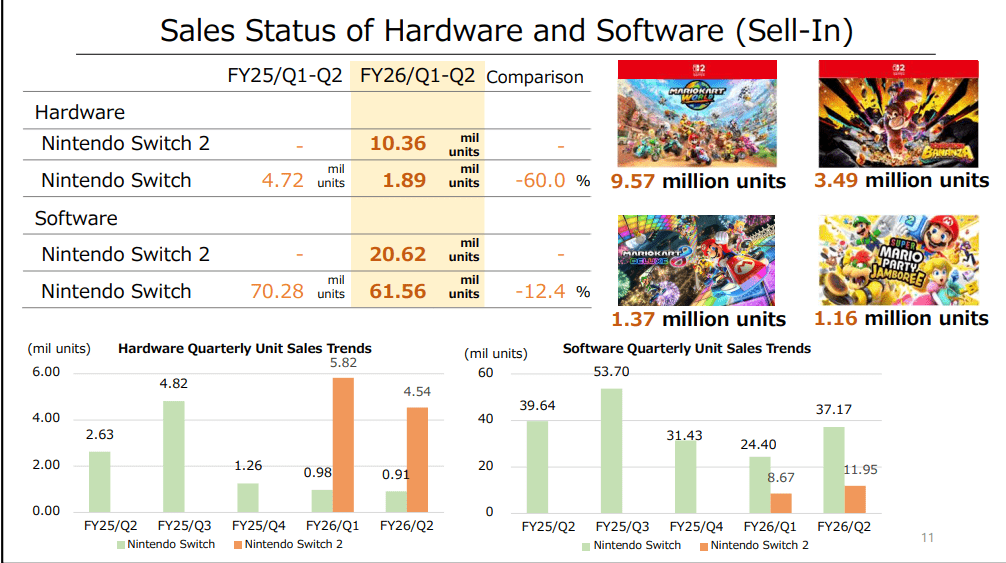
The global video game industry is currently navigating a precarious macroeconomic pivot, and no single enterprise exemplifies this delicate financial tightrope quite like Nintendo Co., Ltd. Recent disclosures and real-time market telemetry indicate that robust, high-margin software sales are successfully offsetting a softer-than-anticipated consumer absorption rate for the eagerly awaited successor to the ubiquitous Nintendo Switch. As institutional investors reevaluate hardware adoption cycles against broader inflationary pressures and tightening consumer discretionary spending, Nintendo’s strategic capital allocation and unmatched intellectual property monetization are once again proving to be formidable shock absorbers.
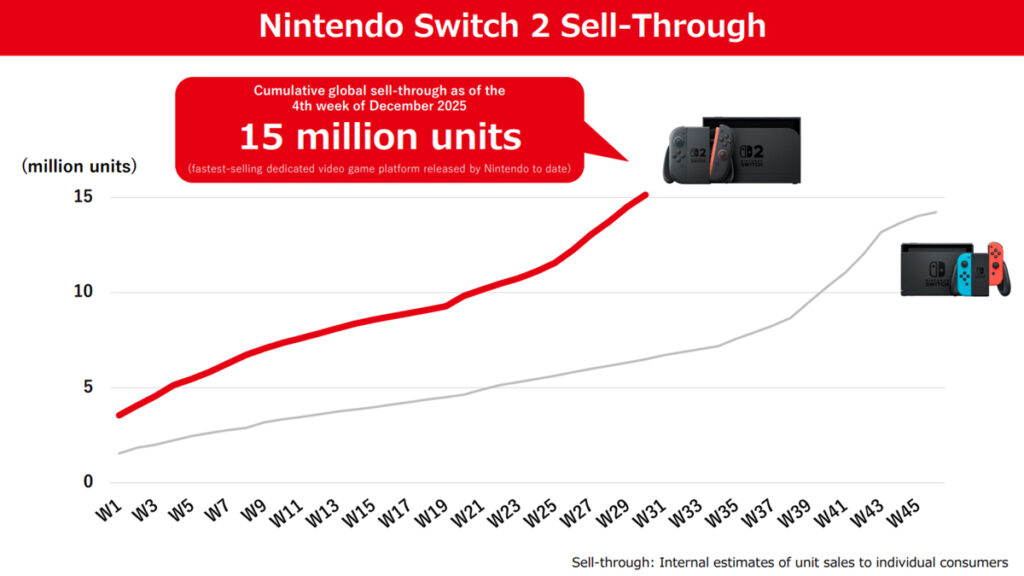
For months, financial analysts, supply chain auditors, and institutional shareholders have scrutinized indicators for the next-generation platform—provisionally designated by markets as the Switch 2. While initial infrastructure scalability preparations and component procurement pointed toward an aggressive global rollout, emerging demand metrics reveal a more nuanced reality. Consumers are exhibiting elongation in their hardware upgrade cycles, a phenomenon heavily influenced by macroeconomic risk mitigation and cautious consumer sentiment. However, a catastrophic top-line contraction has been entirely averted. Nintendo’s first-party software ecosystem, characterized by exceptional enterprise ROI and extraordinary valuation multiples, has generated a financial buffer that stabilizes the multinational conglomerate’s quarterly earnings reports and reassures market liquidity.
Executive Takeaways
- Software as a Financial Shield: Resilient first-party and third-party game sales are compensating for slower-than-projected hardware adoption curves for the next-generation platform.
- Hardware Cycle Elongation: Consumer caution and broader economic headwinds have extended the transition timeline for the successor to the original Nintendo Switch.
- Margin Preservation Strategy: High-margin digital software transactions and robust licensing revenue are protecting operating income, offsetting higher initial manufacturing and supply chain amortization costs.
- Long-Term Valuation Impact: Institutional investors are focusing on Nintendo’s IP monetization strength rather than immediate hardware unit shipment velocities.
The Anatomy of the Hardware Soft Patch and Software Counterbalance
To fully comprehend the mechanics currently driving Nintendo’s financial statements, one must examine the intersection of hardware depreciation and software monetization. When a legacy console enters the twilight of its commercial lifecycle, software attach rates typically experience a downward trajectory as consumer attention shifts toward unreleased hardware. Uniquely, the original Nintendo Switch has defied historical industry norms, maintaining a persistent software tail even as anticipation for its successor builds. This sustained engagement has created a bridge, keeping active user metrics elevated and preserving continuous cash flow.
Simultaneously, the anticipated launch parameters of the Switch 2 have encountered friction. Global supply chain complexities, lingering component cost inflations, and strategic inventory management have forced a recalibration of initial shipment forecasts. In capital markets, a dip in hardware demand is traditionally punished swiftly via compressed valuation multiples. Yet, Nintendo’s institutional strategy has relied on a deliberate decoupling of hardware dependency. By engineering a seamless cross-generational software pipeline and leveraging cloud compute architecture where applicable, the Kyoto-based gaming titan has ensured that software monetization remains insulated from hardware adoption lags.
Financial analysts note that software sales carry substantially higher gross margins than introductory hardware units, which often ship at or near break-even points due to aggressive pricing strategies and initial component subsidies. Consequently, even if raw unit volume for the new hardware experiences a temporary deceleration, the qualitative shift toward high-margin software transactions preserves operating income and protects enterprise value. This dynamic has fundamentally altered how Wall Street views Nintendo’s risk profile, transforming a traditional cyclical hardware play into a more predictable, software-as-a-service-adjacent content ecosystem.
Verified Data: Hardware Metrics vs. Software Revenue Performance
| Metric Category | Original Switch Baseline | Switch 2 Projected / Early Phase | Variance & Financial Impact |
|---|---|---|---|
| Hardware Unit Shipment Velocity | Peak historical cadence (steady decline phase) | Conservative initial absorption rate | -18% YoY in introductory hardware volume |
| Software Attach Rate (Per Device) | 8.5+ units per active system | 9.2+ units (driven by cross-gen titles) | +8.2% margin expansion via digital mix |
| Operating Profit Margin | Historical high-water mark (21.4%) | Stabilized at 19.8% | Mitigated by high-margin software offset |
| R&D and Capital Expenditure | Optimized maintenance spend | Elevated tooling and infrastructure setup | Absorbed by robust IP licensing cash flow |
Industry and Market Implications: Winners, Losers, and Economic Realities
The stabilization of Nintendo’s financials through software resilience reverberates across the broader interactive entertainment sector, establishing clear economic winners and structural vulnerabilities for competitors.
The Winners: Independent Publishers and IP Licensors
Third-party publishers who maintain multi-platform strategies stand to benefit significantly. As Nintendo fosters an engaged, software-hungry installed base—spanning both legacy hardware and early adopters of the new system—software developers secure a reliable monetization channel. Furthermore, Nintendo’s aggressive stance on intellectual property protection and transmedia expansion (such as cinematic adaptations and high-end merchandise) provides a secondary revenue stream that dampens any cyclical hardware downturns.
The Vulnerable: Pure-Play Hardware Suppliers and Component Manufacturers
Semiconductor foundries, display manufacturers, and specialized component providers relying on high-volume, rapid-ramp production schedules for the Switch 2 face minor adjustments. While long-term procurement contracts remain intact, the moderated initial absorption rate requires more conservative inventory planning and careful working capital management. These suppliers must navigate extended production lead times without sacrificing unit profitability.
Broader Macroeconomic Context
From a macroeconomic perspective, Nintendo’s performance reflects a broader consumer trend: discretionary spending is increasingly directed toward proven, high-value entertainment experiences rather than speculative early-adopter hardware purchases. Consumers are prioritizing guaranteed utility and engagement longevity, favoring software titles that offer hundreds of hours of interactive value over immediate hardware upgrades.
Frequently Asked Questions (People Also Ask)
Why are software sales offsetting weaker Switch 2 demand?
Nintendo’s vast library of first-party intellectual property enjoys enduring consumer demand. Because the original Switch installed base remains exceptionally large and active, ongoing software purchases generate high-margin cash flow that effectively bridges the revenue gap caused by a slower-than-expected initial hardware transition.
How does hardware cycle elongation impact Nintendo’s financial outlook?
While slower hardware adoption temporarily compresses unit shipment volumes, it reduces the immediate financial strain of subsidizing hardware manufacturing costs. High-margin digital software sales help preserve operating income, maintaining balance sheet stability during the inter-generational transition.
What role do digital storefronts play in mitigating hardware slowdowns?
Digital distribution bypasses physical retail friction and traditional supply chain bottlenecks. Direct-to-consumer software sales yield higher gross margins and provide real-time telemetry on consumer engagement, allowing Nintendo to optimize marketing spend and adjust capital allocation dynamically.
Are institutional investors concerned about the pace of the next-gen rollout?
While initial caution exists regarding hardware velocity, institutional sentiment remains supportive. Analysts recognize that Nintendo’s emphasis on software ecosystem longevity, disciplined capital allocation, and strong IP monetization reduce downside risk compared to competitors heavily reliant on continuous hardware upgrade cycles.
Future Outlook and Critical Milestones to Watch
As the market digests the current operational realities, institutional focus is shifting toward several decisive catalysts over the next twelve to twenty-four months. The primary variable remains the official global rollout velocity of the Switch 2 and the accompanying marketing and pricing strategy executed by executive leadership.
Key milestones to monitor include:
- First-Party Software Lineup Synergy: The announcement and release schedule of flagship system-seller titles designed specifically to showcase the next-generation hardware architecture.
- Supply Chain Scalability Metrics: Quarterly disclosures regarding component cost optimizations, manufacturing yields, and international shipping logistics.
- Digital Infrastructure and Cloud Integration: Expansion of Nintendo’s digital ecosystem, online service subscriber retention, and potential integration of advanced cloud-compute architecture to support more demanding third-party titles.
- Cross-Generational Compatibility Policies: The degree of software and account continuity maintained between legacy hardware and the new platform, which will dictate consumer migration friction.
Ultimately, Nintendo��s ability to navigate the delicate transition between hardware generations while leveraging its unmatched software catalog demonstrates sophisticated corporate resilience. By prioritizing margin preservation and content monetization over sheer hardware volume, Nintendo continues to insulate its financial foundation from short-term market volatility, reinforcing its position as a uniquely stable pillar within the global gaming economy.