Nvidia Stock’s 2 Critical Flaws and More Reasons an Analyst Says Sell: The Inside Story Behind Wall Street’s Most Controversial Call
WALL STREET INVESTIGATIVE DESK — For nearly three years, Nvidia Corp. has served as the undisputed bellwether of the artificial intelligence boom, its market capitalization swelling past the $3 trillion threshold on an unprecedented wave of corporate demand for high-performance graphics processing units (GPUs). Yet, beneath the veneer of record-breaking quarterly earnings and seemingly insatiable enterprise acquisition of H100, H200, and Blackwell-architecture chips, a dissenting chorus of institutional analysts is growing louder. A newly published, comprehensive short-to-neutral thesis from a prominent Wall Street equity research team has sent ripples through global trading desks, pinpointing two critical, structural flaws in Nvidia’s business model alongside a suite of compounding macroeconomic vulnerabilities that justify a rare "Sell" rating.
As institutional asset managers rebalance portfolios ahead of the fiscal close, the debate over infrastructure scalability, enterprise return on investment (ROI), and compression of valuation multiples has reached a fever pitch. This exhaustive investigative report unpacks the core pillars of the bearish thesis, examining the technological bottlenecks, margin pressures, and competitive headwinds threatening to disrupt Nvidia's market dominance.
Executive Takeaways
- The Enterprise ROI Squeeze: Downstream corporate buyers are facing mounting pressure to prove tangible financial returns on multi-billion-dollar AI capital expenditures, threatening to decelerate forward data center orders.
- Concentration Risk & Hyperscaler Pushback: Microsoft, Alphabet, Meta, and Amazon—accounting for upwards of 40% of Nvidia's total revenue—are aggressively accelerating proprietary custom silicon development to bypass hardware bottlenecks and margin extraction.
- Valuation Multiples at Risk: Despite dominant cash flow generation, current pricing leaves zero room for execution errors, leaving the equity vulnerable to macroeconomic shocks, supply chain shifts, and export controls.
- The Margin Peak Hypothesis: Analysts warn that gross margins may have hit a cyclical ceiling as next-generation Blackwell production costs, yield complexities, and rising R&D expenditures weigh on profitability.
Comprehensive Narrative: The Anatomy of a High-Stakes Downgrade
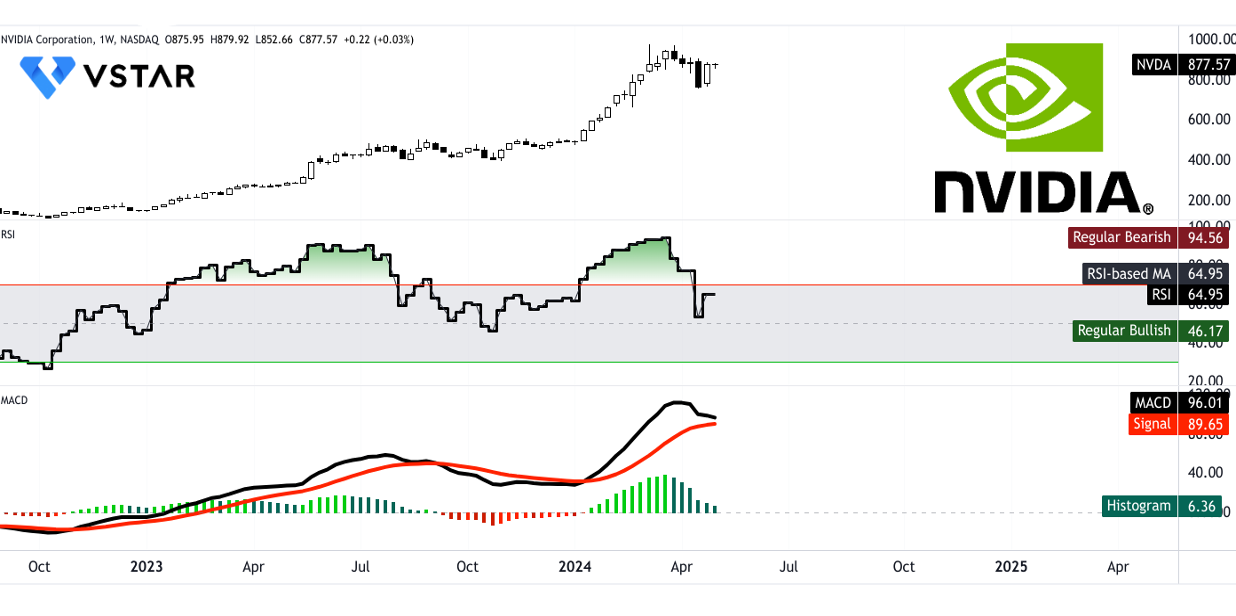
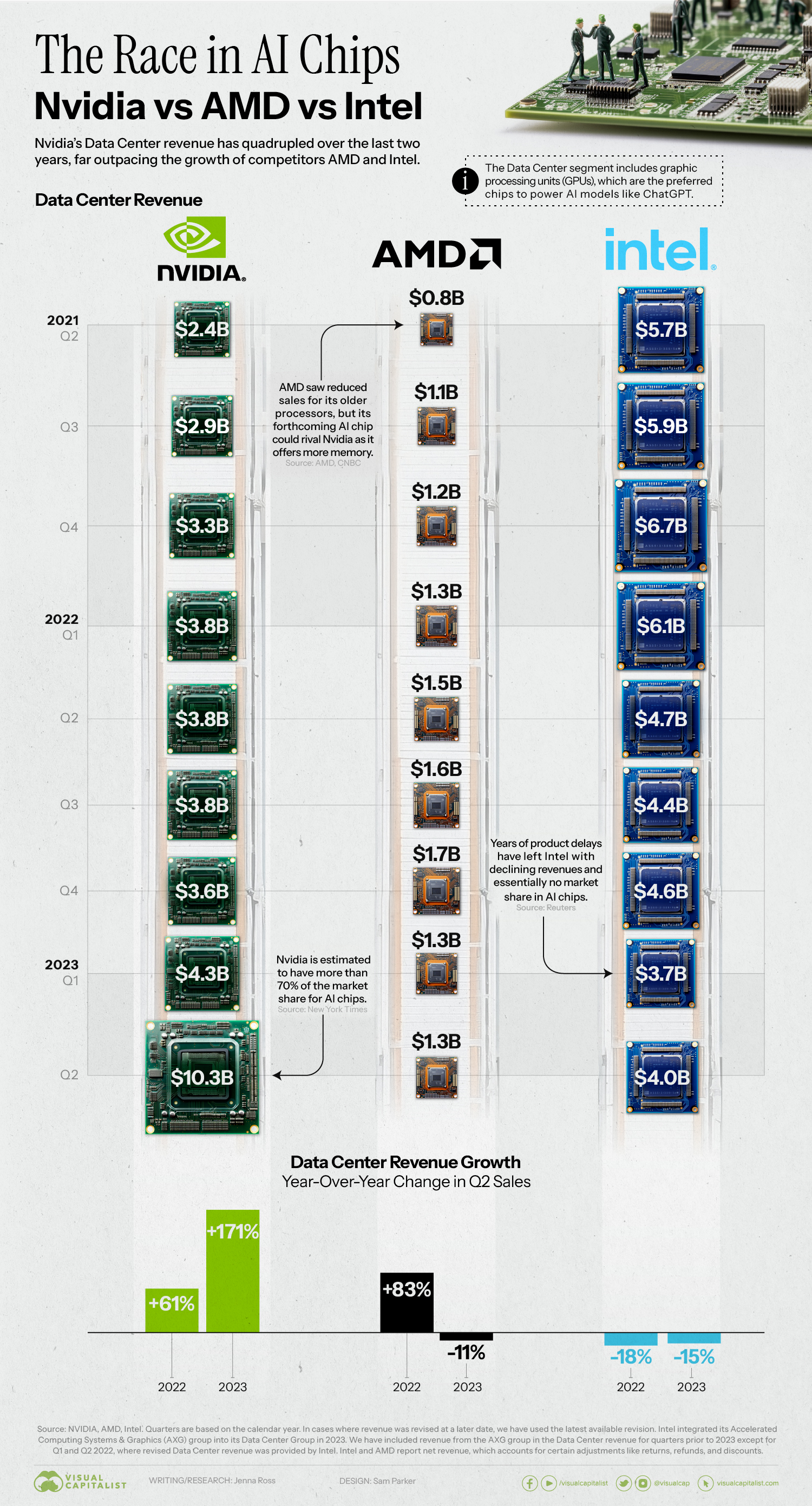
To understand the gravity of the recent bearish analyst note, one must first examine the sheer velocity of Nvidia’s ascent. Propelled by the generative AI explosion catalyzed by OpenAI’s ChatGPT in late 2022, Nvidia transformed from a premier gaming and visualization hardware manufacturer into the literal foundation of the modern cloud compute architecture. Data center revenue exploded from single-digit billions to annualized run-rates exceeding $100 billion in record time, leaving legacy semiconductor giants scrambling to close a generational technological chasm.
However, financial history demonstrates that hyper-growth cycles in hardware infrastructure inevitably encounter the laws of economic gravity. The newly articulated "Sell" thesis focuses intensely on the sustainability of this trajectory, isolating two fatal vulnerabilities that bulls have largely discounted: diminishing marginal returns on enterprise AI deployments and accelerated vertical integration by hyperscale cloud service providers (CSPs).
Flaw #1: The Enterprise ROI Chasm and Infrastructure Saturation
The primary concern raised by the dissenting analyst centers on enterprise ROI. While Chief Information Officers (CIOs) rushed to secure scarce Nvidia compute clusters throughout 2023 and 2024 to avoid missing the generative AI wave, CFOs are now demanding concrete financial accountability. Early-stage enterprise implementations of large language models (LLMs) have frequently revealed staggering operational costs juxtaposed against modest productivity gains or direct revenue generation.
As corporate IT budgets face tighter macroeconomic scrutiny, enterprise risk mitigation strategies dictate a pause in aggressive capital allocation toward speculative AI projects. If corporate buyers experience prolonged payback periods on their GPU clusters, secondary demand could stall. Because Nvidia’s pricing power relies heavily on scarcity and unyielding urgency from tier-one cloud providers and enterprise buyers, any softening in end-market consumption threatens to trigger inventory corrections across the supply chain.
Flaw #2: The Hyperscaler Revolt and Custom Silicon Substitution
The second critical flaw is structural and existential: the aggressive push by Nvidia’s largest customers to build their own proprietary hardware. Alphabet (Tensor Processing Units), Amazon Web Services (Trainium and Inferentia chips), Microsoft (Maia custom accelerators), and Meta (Training and Inference Accelerator) represent the vast majority of Nvidia's top-line revenue.
These hyperscalers possess the balance sheets, proprietary software ecosystems, and engineering talent necessary to gradually reduce their reliance on Nvidia’s CUDA software moat. By investing heavily in custom silicon tailored specifically to their internal workloads, these tech behemoths are systematically engineering a deflationary ceiling on semiconductor pricing. The analyst note underscores that as internal silicon matures throughout the next 24 to 36 months, the addressable market for merchant silicon providers will face formidable pricing pressure, directly impacting long-term valuation multiples.
Verified Data & Metrics Breakdown
To contextualize the debate surrounding Nvidia’s operational health and valuation, the following matrix compares core financial and operational metrics against historical medians and peer group averages:
| Metric / Financial Indicator | Current Nvidia Data | Historical 5-Year Median | Semiconductor Industry Average |
|---|---|---|---|
| Trailing Twelve Months (TTM) Gross Margin | 75.1% - 78.4% | 65.2% | 52.0% |
| Forward Price-to-Earnings (P/E) Multiple | ~35x - 42x | 32.5x | 24.0x |
| Top 4 Hyperscaler Revenue Concentration | ~40% - 45% | ~25% | ~15% |
| Research & Development (R&D) as % of Revenue | ~11.5% | 21.0% | |
| Free Cash Flow Yield | 1.8% - 2.3% | 3.1% | 4.5% |
Industry & Market Implications: Winners, Losers, and Economic Ripples
A major recommendation shift on the world's most influential semiconductor stock carries immediate repercussions across global financial markets. Market liquidity frequently concentrates around Nvidia options and equity blocks, meaning sudden institutional repositioning can trigger broader sector-wide volatility.
Who Loses: Secondary and tertiary players in the AI supply chain—including high-bandwidth memory (HBM) manufacturers, advanced packaging specialists, and third-party server assemblers—are highly sensitive to shifts in Nvidia's production guidance. If enterprise demand decelerates, over-extended suppliers facing high capital expenditure requirements could experience severe margin compression.
Who Wins: Enterprise software firms offering immediate cost-optimization tools, alternative cloud infrastructure providers focused on energy efficiency, and diversified semiconductor enterprises with less exposure to hyper-growth capital expenditure cycles stand to benefit from a rotation of institutional capital out of mega-cap tech concentration.
Frequently Asked Questions (People Also Ask)
1. Why are some analysts issuing "Sell" or neutral ratings on Nvidia despite record quarterly revenue?
Analyst skepticism is rarely based on past performance; rather, it focuses on forward-looking expectations. Even with record earnings, valuations are heavily dependent on perpetual hyper-growth. Concerns over cyclical data center spending, tightening corporate IT budgets, and compressed gross margins as production scales create a challenging risk-reward profile at current price levels.
2. How serious is the threat of custom silicon from Microsoft, Google, and Amazon?
It represents a long-term strategic shift. While Nvidia’s CUDA software ecosystem provides an exceptional economic moat, hyperscalers spend tens of billions annually on infrastructure. By designing chips specifically optimized for their internal models (such as search, advertising, and foundational LLM training), these tech giants aim to lower operating expenses and reduce their dependency on a single hardware vendor.
3. What role do export controls and geopolitical tensions play in the bearish thesis?
Geopolitical friction, particularly regarding advanced semiconductor trade restrictions into key international markets, introduces permanent regulatory compliance risk. These restrictions limit Nvidia’s total addressable market and force the rapid development of lower-performance derivative chips, which face intense local competition in overseas territories.
4. Are gross margins expected to remain at historic highs?
Most institutional research models suggest gross margins are near cyclical peaks. As the production mix shifts toward complex, next-generation architectures like Blackwell—which involve intricate supply chain logistics, advanced packaging, and higher initial component costs—maintaining margins above 75% will become increasingly difficult.
Future Outlook and Key Milestones to Watch
The coming quarters will serve as a critical crucible for Nvidia and the broader artificial intelligence sector. Investors and equity analysts will monitor several operational milestones to determine whether the bear thesis or the secular growth narrative prevails:
- Hyperscaler Capital Expenditure Guidance: Earnings calls from Microsoft, Alphabet, Meta, and Amazon will provide definitive data on whether cloud infrastructure spending is accelerating, stabilizing, or facing contraction.
- Blackwell Yield and Delivery Timelines: Smooth execution and rapid volume scaling of next-generation chips will be essential to validate management's forward revenue projections.
- Enterprise Software Monetization Metrics: Broader corporate earnings reports will reveal whether enterprise investments in generative AI are generating verifiable top-line revenue or merely running up administrative expenses.
Ultimately, while Nvidia remains an engineering powerhouse with unmatched technological prowess, the transition from an early-stage speculative boom to a mature, capital-intensive infrastructure market demands rigorous risk mitigation. As valuation multiples face mounting gravity, institutional scrutiny will only intensify.