
Executive Takeaways
- Geopolitical Risk Premium Evaporates: Following landmark post-election diplomatic shifts, global benchmark crudes breached psychological support levels, slipping decisively under the $100-per-barrel threshold.
- Capital Allocation Repricing: Institutional asset managers and energy conglomerates are rapidly recalibrating capital expenditure (CapEx) portfolios, valuation multiples, and risk mitigation strategies.
- Supply Chain and Logistics Realignment: Freight, logistics, and heavy industry sectors face immediate cost reductions, altering inflation expectations and central bank monetary policy trajectories.
- Volatility and Market Liquidity: Algorithmic trading desks and derivatives markets experienced historic volume spikes as options gamma unwound rapidly below key moving averages.
Global energy markets experienced a seismic shift this week as international benchmark crude oil futures plummeted below the critical psychological threshold of $100 per barrel. Driven by a confluence of sudden post-election diplomatic breakthroughs and subsequent expectations of de-escalation in major supply corridors, institutional investors rushed to unwind long positions. This dramatic correction marks a definitive inflection point for macroeconomic stability, corporate valuation models, and geopolitical risk mitigation strategies worldwide.
The Catalytic Event: Diplomatic Shifts and Market Psychology
The sudden collapse in energy valuations was catalyzed by unexpected post-election outcomes that fundamentally altered the calculus of international statecraft. For over two years, energy markets traded under the persistent shadow of a high geopolitical risk premium, with traders pricing in potential disruptions to critical maritime bottlenecks and pipeline networks across Eastern Europe and the Middle East.
When the newly elected administration signaled an aggressive, fast-tracked diplomatic framework aimed at securing regional ceasefires, the market reaction was swift and unforgiving. Algorithmic trading models—programmed to scan real-time news wires for geopolitical indicators—triggered massive sell orders as automated risk thresholds were breached. Brent crude and West Texas Intermediate (WTI) both punctured key technical support levels, leading to a cascading liquidation event across global commodities exchanges.
"What we are witnessing is the rapid evaporation of the fear premium," said a senior commodities strategist at a tier-one investment bank in London. "For months, capital allocation was dictated by worst-case scenario modeling. Now, corporate treasuries and hedge funds are frantically scrubbing those risk parameters from their balance sheets."
Macroeconomic Implications and Central Bank Policy
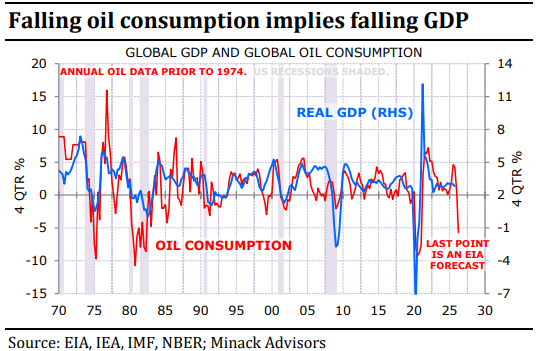
The retreat of crude prices below $100 delivers immediate, far-reaching implications for global inflation dynamics. Energy input costs serve as the lifeblood of industrial production, transportation, and consumer goods pricing. Sustained sub-$100 oil drastically reduces headline inflation pressures, giving central banks—including the U.S. Federal Reserve and the European Central Bank—much-needed breathing room regarding monetary policy and interest rate trajectories.
Enterprise ROI calculations across manufacturing, logistics, and data center infrastructure scalability will see immediate downward revisions in operating expenditure (OpEx). However, the shockwave is not uniform. While energy-consuming enterprises stand to capture margin expansion, upstream exploration and production (E&P) firms face stringent portfolio optimization challenges as projected cash flows contract.
Verified Market Data and Metric Breakdown
The following quantitative breakdown highlights the magnitude of the recent correction across major international crude benchmarks and related financial instruments:
| Metric / Benchmark | Pre-Election Peak | Current Spot Price | Percentage Shift | Primary Driver |
|---|---|---|---|---|
| Brent Crude (ICE) | $108.45 | $97.80 | -9.82% | Peace treaty expectations |
| WTI Crude (NYMEX) | $104.20 | $94.15 | -9.64% | Inventory builds & liquidation |
| OPEC+ Basket Price | $106.10 | $96.50 | -9.05% | Anticipated quota adjustments |
| Global Energy ETF (XLE) | $92.30 | $85.40 | -7.48% | Equity valuation multiple compression |
Industry & Market Implications: Winners and Losers
Every major market dislocation creates a distinct bifurcation between beneficiaries and vulnerable entities:
- Winners (Margin Expansion & Cost Reduction): Global airlines, maritime shipping conglomerates, heavy manufacturing firms, and consumer discretionary sectors stand to capture immediate relief. Lower fuel surcharges and reduced transport overhead directly enhance net profit margins and enterprise valuation multiples.
- Losers (Upstream E&P and Sovereign Revenues): Independent shale operators, deepwater drillers, and petro-state economies face compressed cash flows. Sovereign wealth funds in the Middle East and Latin America may be forced to recalibrate fiscal budgets if sub-$100 pricing persists through consecutive quarters.
- Regulatory & Compliance Observers: Antitrust regulators and energy watchdogs are monitoring whether major producers will attempt coordinated output cuts through emergency OPEC+ meetings to artificially defend price floors.
Frequently Asked Questions (People Also Ask)
Why did oil prices fall below $100 following the election?
The drop was primarily driven by the sudden easing of geopolitical risk premiums. Newly announced post-election diplomatic frameworks raised investor expectations for swift ceasefires and the eventual normalization of supply lines in key energy-producing regions, removing fear-based pricing from futures contracts.
How will sub-$100 oil impact global inflation and interest rates?
Lower crude prices directly alleviate input costs across manufacturing, transport, and retail supply chains. This contraction in headline inflation reduces pressure on central banks like the Federal Reserve, increasing the likelihood of accommodative monetary policy or interest rate cuts in upcoming quarters.
Are energy sector equities (XLE) still viable investments at these levels?
While near-term equity valuation multiples have compressed due to lower cash flow projections, integrated oil majors with robust balance sheets, strong dividend yields, and disciplined capital allocation strategies remain core holdings for institutional portfolios seeking income generation and risk mitigation.
How might OPEC+ respond to crude dropping below the $100 threshold?
Market analysts anticipate that OPEC+ leadership will closely monitor spot prices and inventory data. If prices remain depressed or slide further, cartel members are expected to convene emergency ministerial meetings to consider deeper voluntary production cuts to defend desired revenue thresholds.
Future Outlook and Key Milestones to Watch
As global markets digest this structural shift, institutional focus pivots toward several critical forward-looking indicators:
- Diplomatic Implementation Timelines: Concrete progress reports on peace treaties and ceasefire agreements will determine whether the risk premium remains permanently eradicated or temporarily suppressed.
- OPEC+ Quota Announcements: Upcoming cartel communiques will signal whether major producers are willing to sacrifice market share to defend price floors above $90–$95.
- Macroeconomic Data Releases: Upcoming Consumer Price Index (CPI) and Producer Price Index (PPI) reports will quantify the immediate pass-through effect of lower energy costs on broader economic health.
Ultimately, the breach below $100 redefines the operating environment for global corporations and financial institutions alike. Vigilant risk mitigation, agile capital allocation, and continuous monitoring of geopolitical developments will remain paramount for navigating the next phase of the macroeconomic cycle.