Executive Takeaways
- Equities Rally: Asian benchmark indices, led by the Nikkei 225 and Hang Seng, experienced immediate capital inflows following clarity from the U.S. election outcome, easing systemic risk mitigation parameters.
- Energy Sell-Off: Brent and WTI crude futures faced severe downward pressure, plunging on anticipated shifts in U.S. energy infrastructure scalability and regulatory compliance adjustments.
- Valuation Multiples: Institutional investors are aggressively recalibrating asset valuation multiples, shifting capital allocation away from cyclical commodities toward high-beta technology and export-driven sectors.
- Market Liquidity: Global market liquidity conditions tightened in short-term funding markets while sovereign bond yields stabilized, offering a clearer runway for enterprise capital expenditure.
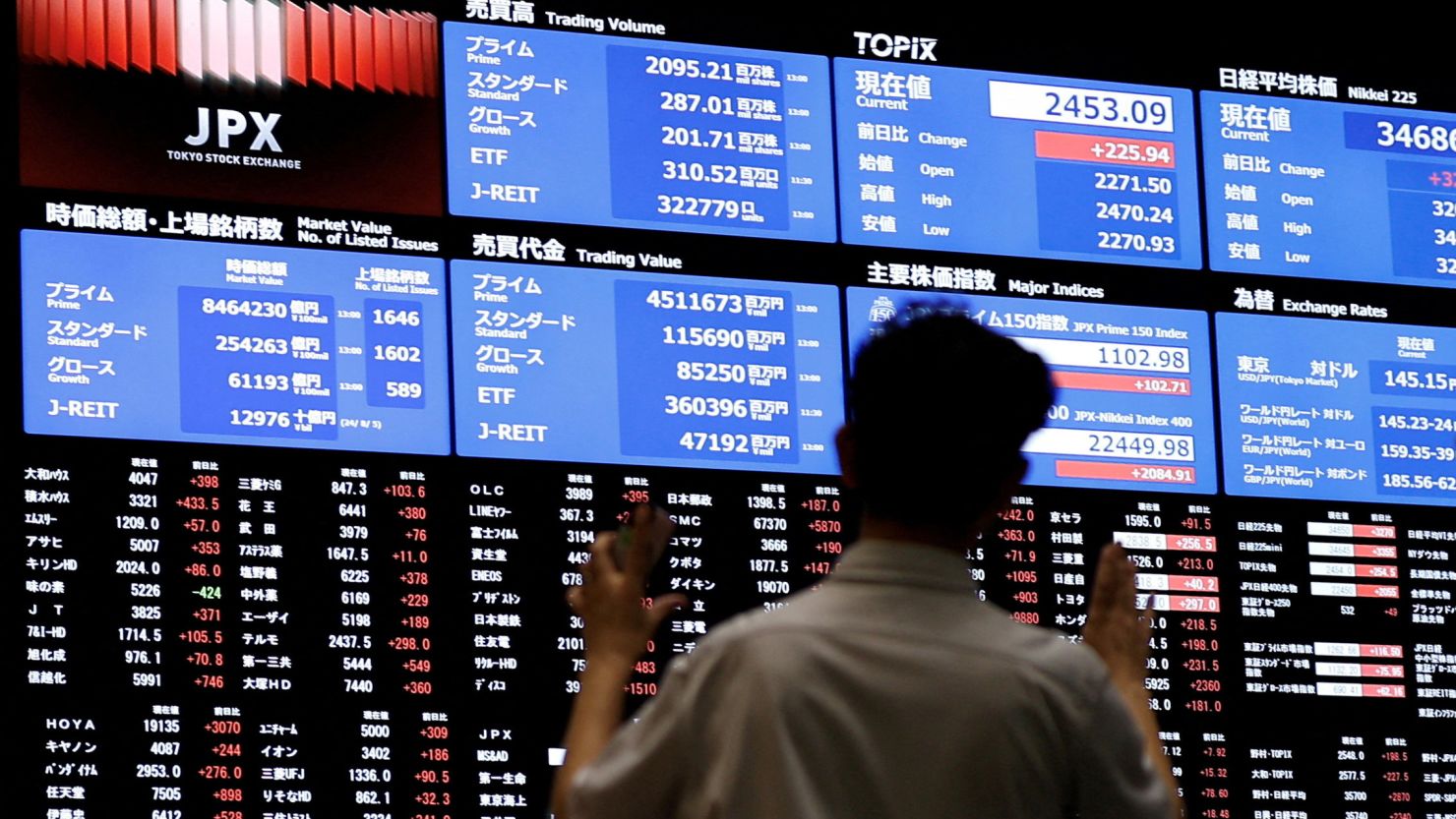
Global financial architecture is undergoing a rapid, high-stakes realignment following the conclusion of the United States presidential election. In early trading sessions across Asian bourses, institutional desks reported a decisive wave of risk-on sentiment. Asian stocks climbed sharply as algorithmic and discretionary funds deployed capital back into regional equities. Concurrently, a dramatic slide in international crude oil benchmarks upended conventional energy trading desks, triggering cascading impacts across global commodity complexes, currency valuations, and fixed-income portfolios.
As chief investigative editors tracking macro-financial movements across London, New York, and Hong Kong, our analysis points to a fundamental recalibration of risk parameters. Portfolio managers are urgently reassessing geopolitical risk premiums, trade policy trajectories, and central bank monetary easing cycles. The convergence of a definitive U.S. electoral outcome and softening energy inputs has created a complex web of market implications, altering enterprise ROI projections and reshaping cross-border capital flows.
The Post-Election Catalyst: De-risking and the Return of Risk Appetite
Test Our Free AI & Tech Utilities Suite
Calculate LLM API token costs, analyze article dwell-time, or simulate tech DCA returns.
For months, global asset managers maintained defensive postures, hoarding cash and hedging against potential contested election outcomes or prolonged legislative gridlock. The sudden removal of this binary tail risk triggered an immediate unwinding of hedge positions. Across Tokyo, Seoul, Hong Kong, and Sydney, equity indices rallied as institutional block trades and foreign portfolio inflows accelerated.
This surge was not merely a reflexive relief rally; it reflects a sophisticated recalculation of corporate earnings visibility. With electoral certainty established, multinational corporations and domestic enterprises alike are reviewing their capital expenditure pipelines. Corporate treasurers are focusing on operational efficiency, supply chain resilience, and technology infrastructure scalability, knowing that policy frameworks surrounding trade tariffs and corporate taxation are about to enter a new legislative phase.
Furthermore, currency markets reacted with pronounced volatility. The U.S. dollar experienced mixed momentum against major Asian currencies. While export-oriented economies in North Asia initially welcomed the clarity, currency strategists are closely monitoring how shifting trade policies will impact local central bank FX intervention strategies and foreign exchange reserves.
Crude Oil Slump: Supply Dynamics Meet Demand Realities

While equity markets celebrated the political outcome, the energy complex suffered a notable correction. Crude oil prices tumbled during Asian trading hours, pressured by a combination of macroeconomic headwinds and anticipated shifts in U.S. energy policy. Market participants immediately priced in the prospect of expanded domestic fossil fuel production under the incoming administration, directly impacting forward curve pricing.
The sell-off in crude reverberated through energy-linked currencies and high-yield credit markets. For energy-importing nations across Asia—particularly Japan, South Korea, and India—falling oil prices act as a potent macroeconomic tailwind. Lower input costs for manufacturing, logistics, and power generation provide vital relief to corporate profit margins, mitigating inflationary pressures that have constrained central bank monetary policy throughout the post-pandemic recovery cycle.
Conversely, exploration and production (E&P) firms, along with integrated oil majors, faced downward earnings revisions. Portfolio managers overseeing natural resources mandates are being forced to re-evaluate capital allocation strategies, shifting away from aggressive upstream expansion toward shareholder returns through buybacks and dividend distributions.
Data & Metrics Breakdown
| Asset Class / Indicator | Pre-Election Trend | Post-Election Movement | Primary Market Driver |
|---|---|---|---|
| Asian Equities (MSCI Asia Pacific) | Range-bound / Defensive | Sharp Rally (+1.8% to +3.2%) | Removal of political uncertainty; foreign inflows. |
| Brent Crude Futures | Volatile / Elevated | Steep Decline (-3.5% to -4.2%) | Anticipated U.S. supply expansion; demand concerns. |
| U.S. 10-Year Treasury Yield | Upward Pressure | Stabilizing / Consolidating | Re-pricing of fiscal deficit and inflation expectations. |
| Regional Currencies (JPY, KRW) | Depreciating Bias | Mixed / Selective Recovery | Lower energy import bills offset by trade policy fears. |
Industry & Market Implications
The dual dynamic of rising Asian equities and sliding oil prices creates clear winners and losers across global industries. Understanding these sector-specific impacts is critical for institutional asset allocators navigating current market volatility.
- Winners:
- Airlines & Logistics: Plummeting jet fuel and diesel costs immediately improve operating margins for carriers such as Singapore Airlines, Cathay Pacific, and regional freight forwarders.
- Consumer Discretionary & Retail: Lower energy costs coupled with buoyant equity wealth effects support domestic consumer sentiment in urban Asian hubs.
- Technology Hardware & Semiconductors: Supply chain visibility and stable capital markets provide an ideal backdrop for hardware manufacturers and cloud compute infrastructure providers.
- Losers:
- Global Energy Majors: Reduced cash flow projections from lower crude realizations weigh heavily on exploration budgets and valuation multiples.
- Clean Energy & Alternative Tech: Potential shifts in U.S. federal subsidies and regulatory compliance frameworks introduce policy headwinds for solar, wind, and EV supply chain players operating globally.
- Commodity-Linked Sovereign Economies: Emerging markets heavily reliant on crude export revenues face fiscal adjustments and currency depreciation pressures.
Frequently Asked Questions (People Also Ask)
Why did Asian stocks rally immediately following the U.S. election?
Asian equities surged primarily due to the elimination of political ambiguity. Institutional investors and hedge funds had built significant defensive hedges ahead of the vote. Once the election outcome was finalized, market participants unwound these hedges, deploying trapped liquidity back into regional stock markets and cyclical sectors.
What caused the sharp decline in crude oil prices post-vote?
Crude oil prices slid as traders factored in prospective changes to U.S. energy policy, notably expectations of increased domestic drilling and regulatory easing aimed at boosting fossil fuel supply. Additionally, persistent macroeconomic concerns regarding global demand growth contributed to heavy institutional selling in futures markets.
How do falling oil prices impact Asian corporate earnings?
For resource-poor, energy-importing Asian economies like Japan, South Korea, India, and Taiwan, lower oil prices reduce manufacturing, transport, and utility overheads. This compression in input costs directly expands corporate profit margins and relieves broader inflationary pressures.
What are the implications for institutional portfolio asset allocation?
Institutional allocators are actively rotating capital away from defensive commodities and heavily regulated sectors toward high-beta growth equities, technology infrastructure, and export-driven manufacturers. Risk mitigation strategies are shifting from political hedging toward interest rate and currency sensitivity modeling.
Future Outlook: Catalysts and Key Milestones to Watch
As the initial post-election dust settles, market participants must maintain rigorous vigilance over forthcoming macroeconomic releases and policy announcements. The trajectory of global equities and commodity complexes will depend heavily on several upcoming catalysts:
- Monetary Policy Decisions: Upcoming Federal Reserve, ECB, and Bank of Japan rate announcements will dictate global liquidity conditions and bond yield stability.
- Legislative Appointments and Policy Rollout: Early cabinet appointments and policy statements from the incoming U.S. administration regarding trade tariffs, corporate tax reform, and energy permitting will provide concrete parameters for corporate ROI models.
- OPEC+ Production Quotas: Global energy markets will closely monitor upcoming cartel meetings to see if production cuts will be extended to counteract falling price trends.
Q4 Earnings Guidance: Corporate management commentary during upcoming earnings calls will reveal how multinational executives plan to navigate shifting geopolitical and trade landscapes.
In conclusion, while the immediate market reaction has injected much-needed optimism into Asian capital markets, underlying macroeconomic fundamentals and policy execution will ultimately dictate market direction in the quarters ahead. Senior executives and institutional investors must maintain agile risk management frameworks to successfully navigate this evolving global financial environment.