Kremlin Tightens Grip as Russia Opens Three-Day Parliamentary Vote Amid High Security and Regional Tensions
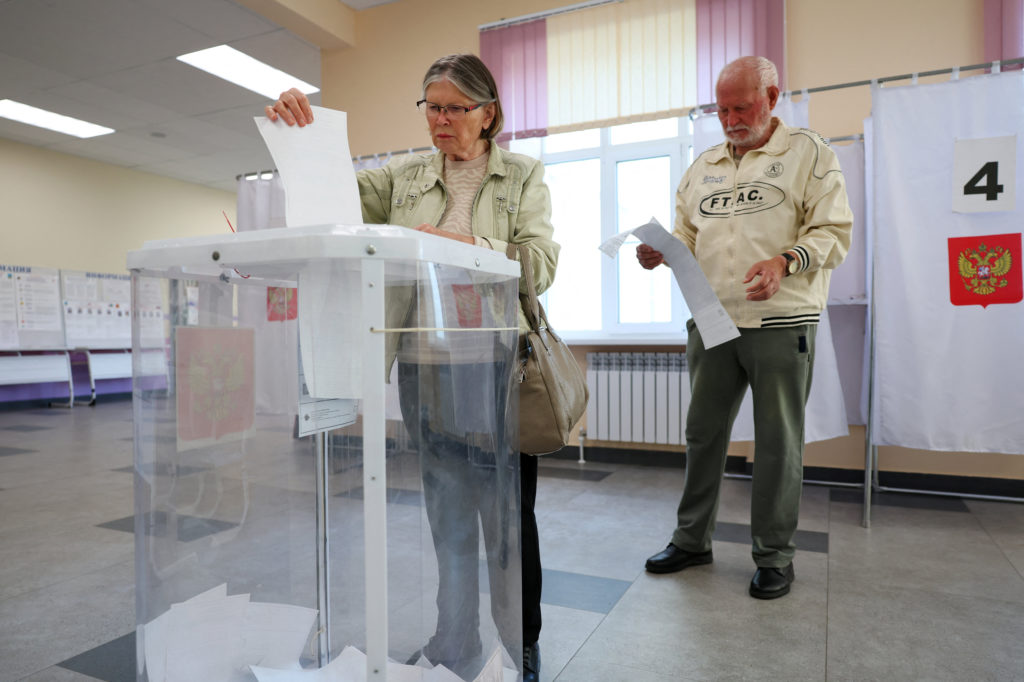
MOSCOW/WARSAW — Russia kicked off a high-stakes, three-day parliamentary election Friday, with political analysts widely projecting the ballot will further cement the ruling Kremlin apparatus and President Vladimir Putin's ironclad authority. The legislative contest, unfolding against a backdrop of sweeping domestic consolidation and severe geopolitical friction, has transformed into a referendum on the state of the nation's wartime leadership.
The multi-day voting format—a mechanism first deployed during pandemic-era protocols and now institutionalized by electoral authorities—allows citizens to cast ballots through Sunday evening. While state media frames the exercise as a robust demonstration of civic participation and democratic continuity, international observers and independent watchdogs point to a heavily managed political landscape characterized by the systematic marginalization of genuine opposition figures.
At a Glance: Key Election Facts
- Voting Window: A 3-day ballot running from Friday through Sunday evening.
- Core Objective: Widely expected to consolidate ruling party dominance and validate Kremlin policy.
- Geopolitical Backdrop: Concurrent regional warnings from Poland regarding potential border security provocations.
- Domestic Atmosphere: Heavily secured polling stations amid tight state media coverage and restricted independent oversight.
The Mechanics of Control: Why This Vote Matters for Putin
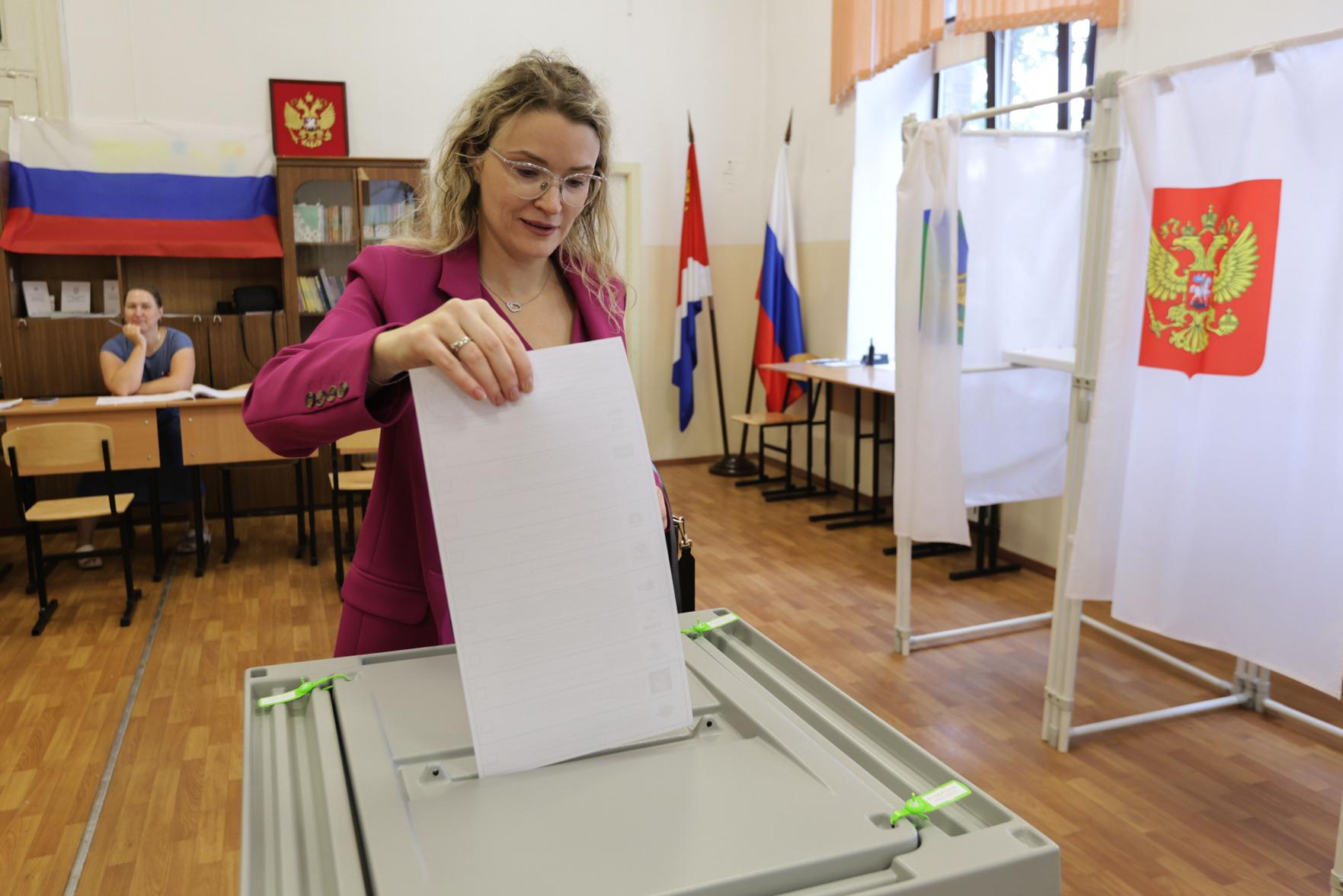
For President Vladimir Putin and the ruling United Russia party, maintaining a supermajority in the State Duma is vital for passing constitutional amendments, steering the federal budget, and presenting a united front to Western adversaries. The legislature has functioned primarily as a rubber-stamp body for executive decrees since the escalation of the conflict in Ukraine, passing sweeping economic and security measures with little debate.
Financial markets and economic analysts are closely monitoring the election outcome for signals regarding future fiscal policy, potential tax adjustments, and the longevity of Russia’s wartime mobilization. With international sanctions forcing a structural realignment of the Russian economy toward domestic production and Asian trade partners, the parliamentary makeup will dictate the legislative speed of these economic pivots.
| Parameter | Details / Status |
|---|---|
| Event Duration | 3 Days (Friday to Sunday) |
| Primary Stakeholder | Kremlin / United Russia Party |
| Key Regional Tension | Escalated security alerts along NATO's eastern flank (Poland) |
| Observer Access | Significantly curtailed compared to historical international standards |
Geopolitical Shockwaves: Poland Raises the Alarm
The democratic theater inside Russia is running parallel to escalating alarm bells along its western borders. As Russian voters headed to the polls, neighboring Poland issued stark security warnings, indicating that intelligence suggests Moscow may be plotting coordinated drone or rocket provocations aimed at testing NATO’s eastern defenses.
Warsaw’s defense establishment has placed border forces on heightened alert, underscoring the deep distrust between Moscow and the West. This tense security matrix has effectively overshadowed domestic campaigning, ensuring that foreign policy and national defense remain the central pillars of the electoral narrative pushed by state broadcasters.
Further compounding the tense news cycle, international wires and security agencies have also traded updates on isolated domestic criminal investigations—including a high-profile inquiry into a woman's body discovered in a suitcase—though state-aligned media has kept public focus firmly fixed on patriotic duty and national stability.
What Comes Next?
As the three-day voting period concludes on Sunday night, preliminary results are expected to trickle in swiftly, followed by certified totals early next week. Given the systematic elimination of organized opposition and the robust deployment of electronic voting systems—which critics argue lack verifiable transparency—few surprises are anticipated.
Ultimately, the election is designed to project absolute internal cohesion. By securing another decisive mandate for the ruling establishment, the Kremlin aims to signal to both its domestic populace and its international critics that its strategic trajectory remains unshakeable, regardless of external economic pressure or geopolitical standoff.
Frequently Asked Questions
Why is voting taking place over three days instead of one?
The multi-day voting format was initially introduced during the COVID-19 pandemic ostensibly to prevent crowding at polling stations. However, critics and independent election monitors argue that extended voting periods significantly complicate independent oversight and increase the risk of ballot tampering.
What impact will this election have on the ongoing conflict in Ukraine?
The parliamentary election is not expected to alter Russia's foreign policy or military strategy. Instead, a reinforced pro-Kremlin majority will likely continue to pass wartime legislation, allocate increased funding to the military-industrial complex, and support executive measures without legislative friction.