End of an Era in Omaha: Warren Buffett Steps Down as Berkshire Chairman, Names Son Howard to Anchor $1 Trillion Empire
The Oracle of Omaha executes corporate America’s most anticipated succession blueprint, separating capital operations from cultural guardianship to shield Berkshire Hathaway from Wall Street raiders.
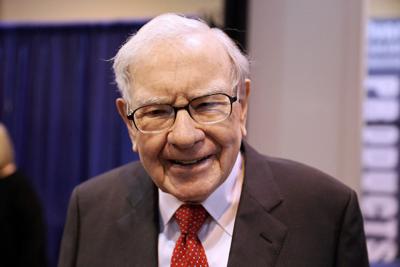
OMAHA, Neb. — In a watershed moment that redraws the landscape of global capitalism, Warren E. Buffett has officially stepped down as Chairman of Berkshire Hathaway Inc., handing the boardroom gavel to his eldest son, Howard G. Buffett. The historic transition marks the formal commencement of the post-Buffett era at the multinational conglomerate he spent six decades building from a failing New England textile mill into a nearly $1 trillion financial titan.
The announcement, delivered before tens of thousands of shareholders at the company’s annual gathering in Omaha, brings closure to corporate America’s most closely scrutinized succession plan. Under the newly activated governance framework, Howard Buffett, 69, assumes the role of Non-Executive Chairman, while Vice Chairman Greg Abel remains locked in as Chief Executive Officer overseeing all non-insurance operations and daily capital deployment.
The Dual-Track Succession: Guarding the Culture vs. Deploying Capital
For decades, the 93-year-old "Oracle of Omaha" resisted calls from governance purists to separate the Chairman and CEO roles. However, Buffett repeatedly signaled that his ultimate departure would require a bifurcated defense mechanism: a hard-nosed, operationally brilliant CEO to run the business engine, paired with a trusted family member as Chairman to preserve the firm’s fabled decentralized ethos.
“Howard understands the culture of Berkshire Hathaway as intimately as anyone alive,” Buffett told the Omaha assembly. “The Chairman’s primary duty won't be picking stocks or micromanaging operating executives. It will be to protect our institutional character, ensure our managers are treated fairly, and prevent outside activists or hostile raiders from dismantling a business model designed to last for centuries.”
Key Pillars of the Succession Framework
- Cultural Veto Power: As Non-Executive Chairman, Howard Buffett holds no operational management duties, serving instead as a moral compass and an institutional firewall against unwanted takeovers or pressure to break up Berkshire’s subsidiaries.
- Capital Allocation Autonomy: Chief Executive Officer Greg Abel gains unfettered command over major capital allocation decisions and corporate operations, operating alongside insurance chief Ajit Jain.
- Voting Continuity: The Buffett family’s concentrated voting shares will transition into charitable trusts overseen by Howard, Susie, and Peter Buffett, preventing sudden shifts in institutional shareholder control.
- Zero-Salary Governance: Howard Buffett will continue his father’s tradition of receiving nominal compensation for his board service, reinforcing fiduciary alignment with common shareholders.
Why Howard Buffett? The Farmer Who Inherited the Moat
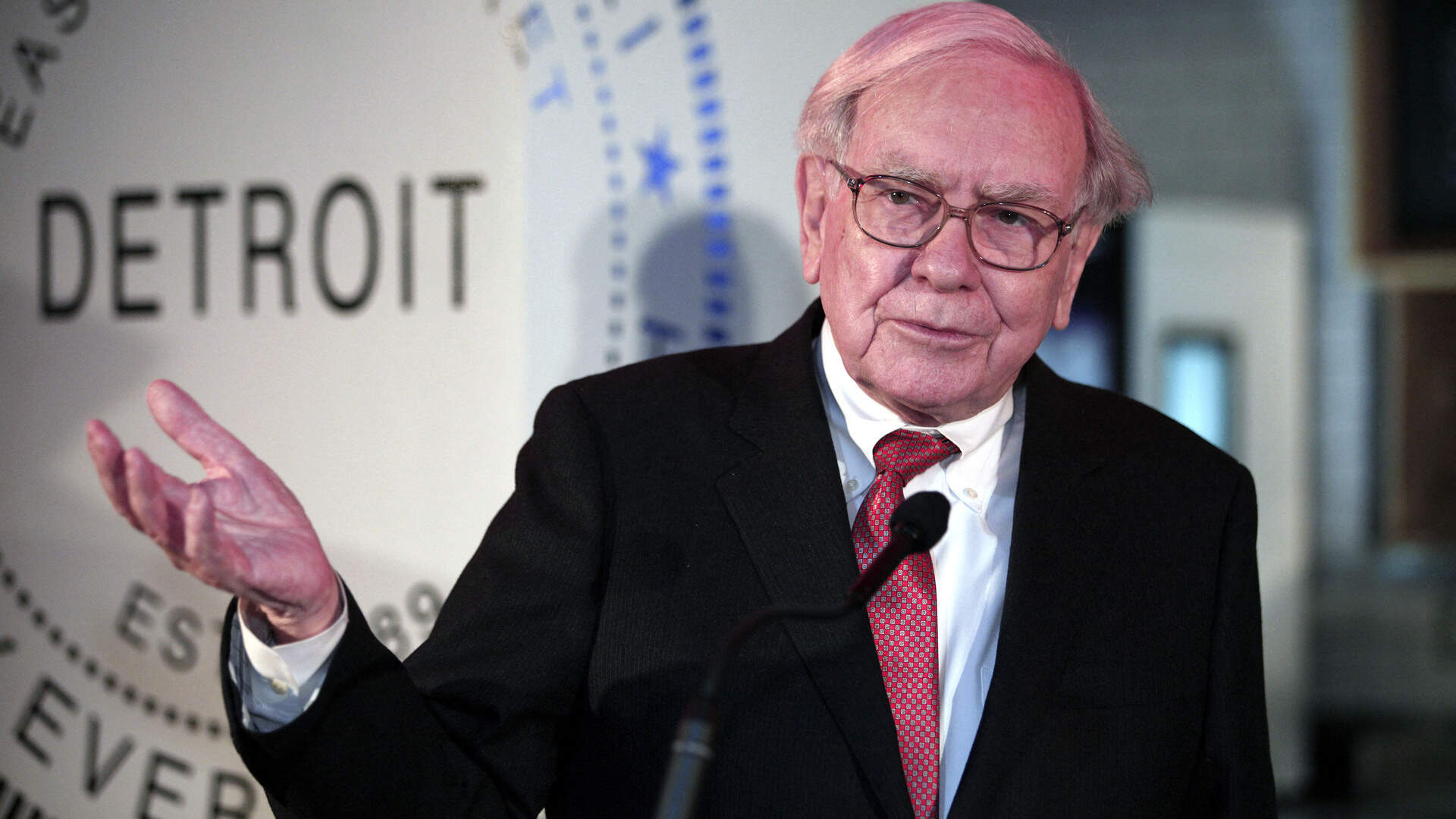
To institutional investors conditioned to ivy-league pedigree and private-equity credentials, Howard Graham Buffett is an unconventional board leader. A lifelong conservationist, farmer, and former sheriff of Macon County, Illinois, Howard has spent 30 years sitting on Berkshire’s board while directing global philanthropic initiatives through the Howard G. Buffett Foundation.
Yet inside Omaha’s inner sanctum, Howard’s appointment was non-negotiable. Warren Buffett has long warned that the biggest risk facing Berkshire after his death is a conventional, self-aggrandizing CEO who seeks to consolidate power, layer on corporate bureaucracy, or pursue empire-building acquisitions. Howard’s singular mandate is to step in only if the board must remove a failing CEO or defend the conglomerate’s unique decentralized covenant.
Berkshire Hathaway Leadership Transition Matrix
| Corporate Role | Outgoing Leader | Incoming Leader | Core Responsibilities |
|---|---|---|---|
| Chairman of the Board | Warren E. Buffett | Howard G. Buffett | Corporate governance, board leadership, safeguarding culture, activist defense. |
| Chief Executive Officer | Warren E. Buffett | Greg Abel | Operational management, non-insurance subsidiaries, ultimate capital allocation. |
| Vice Chairman, Insurance | Ajit Jain | Ajit Jain (Retained) | Underwriting discipline, reinsurance float management, risk assessment. |
| Investment Portfolio | Warren E. Buffett | Todd Combs & Ted Weschler | Managing public equity portfolios ($350B+) under CEO oversight. |
Wall Street Reaction: Calm Reassurance Over a $189 Billion Fortress
Markets absorbed the seismic transition with remarkable equilibrium. Berkshire’s Class A shares (NYSE: BRK.A) and Class B shares (NYSE: BRK.B) traded fractionally higher in late-morning trading, underscoring investor comfort with the meticulously telegraphed handover. Berkshire sits atop a historic cash hoard exceeding $189 billion, insulating the incoming leadership team from immediate economic volatility.
“The transition from Warren Buffett is the most de-risked succession in modern corporate history,” noted Jonathan Vance, Chief Market Strategist at Manhattan Capital Partners. “By placing Howard at the head of the boardroom table and Greg Abel in the operational cockpit, Berkshire effectively neuters any speculative calls for an immediate breakup of its rail, energy, or insurance divisions.”
Still, significant challenges loom for the successor duo. The incoming leadership must decide how aggressively to deploy its mountain of dry powder in a high-interest-rate environment, navigate mounting climate-related insurance claims at GEICO and General Re, and manage geopolitical exposures across major equity holdings like Apple and Japanese trading houses.
Frequently Asked Questions (FAQ)
Will Berkshire Hathaway be broken up into separate companies now?
No. The appointment of Howard G. Buffett as Chairman is specifically calibrated to prevent a breakup. Berkshire’s capital-allocation model relies on pooling non-insurance operating earnings and insurance float under a unified holding company. The board remains unanimously aligned against splitting Berkshire’s industrial, utility, and retail subsidiaries.
Does Howard Buffett have the authority to manage Berkshire's equity investments?
No. Howard Buffett serves as a Non-Executive Chairman focused exclusively on board governance and corporate culture. Direct equity investment decisions and capital allocation reside with CEO Greg Abel, alongside long-tenured investment managers Todd Combs and Ted Weschler.
The Verdict: An Unbroken Omaha Line
Warren Buffett’s formal abdication of the chairmanship marks the closing stanza of an unmatched reign that defined twentieth-century American value investing. By entrusting the gavel to his son Howard and the operations to Greg Abel, the Oracle has crafted a governance structure engineered to prove that Berkshire Hathaway’s greatest asset was never just one man—it was the machine he left behind.