The Ballot Box Without a Choice: Inside Russia’s Curated Election as Voters Face a Pro-War Monolith
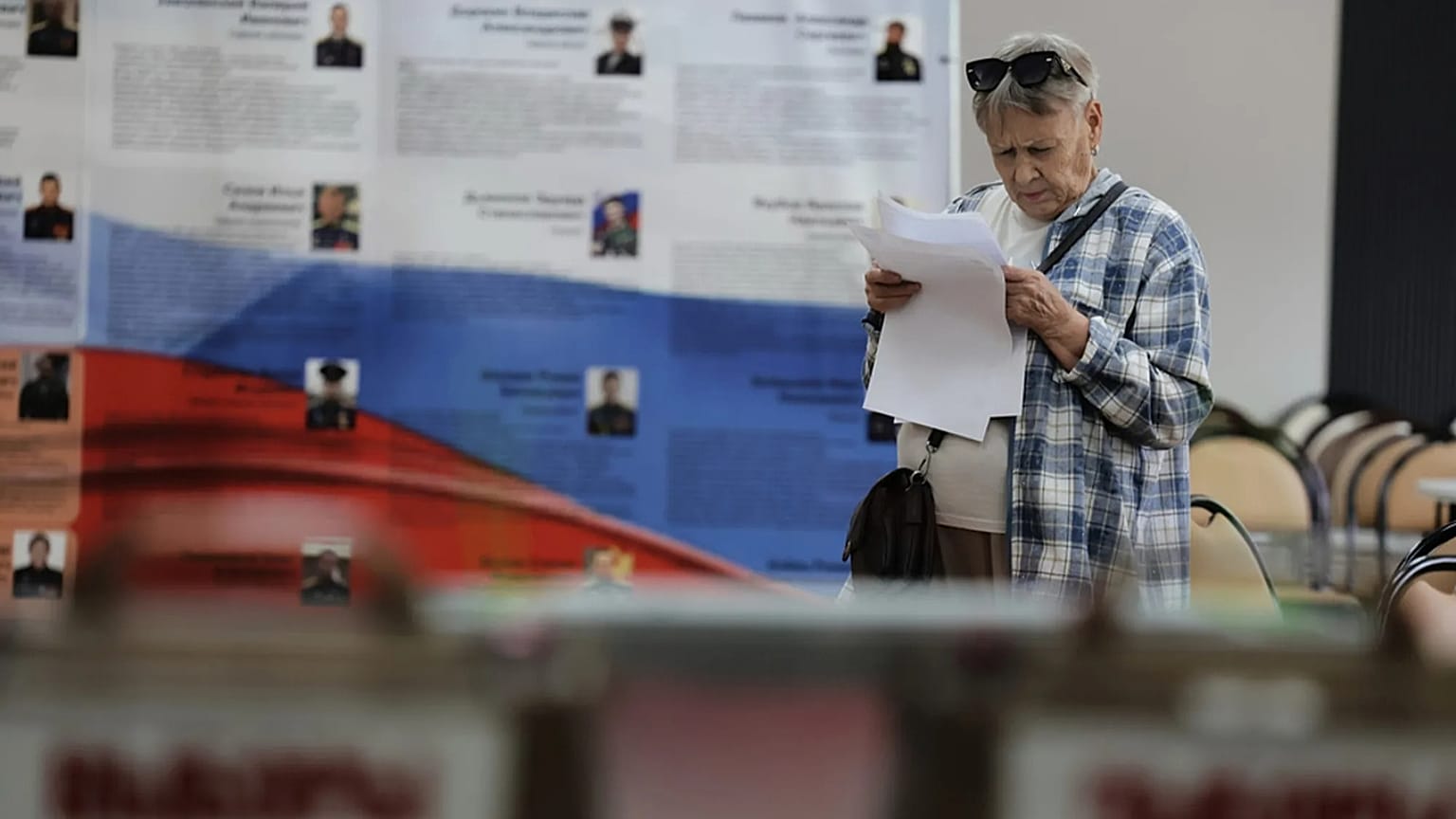
MOSCOW / WASHINGTON — As polling stations opened across Russia’s eleven time zones on Friday, citizens stepped into a deeply altered political reality. For the first time in modern Russian history, the ballot paper offers zero opposition to incumbent leader Vladimir Putin, nor is there a single registered political party opposing the protracted military campaign in Ukraine. What officials in Moscow frame as a display of national unity, Western observers, exiled dissidents, and international monitors characterize as a meticulously managed coronation designed to project absolute domestic compliance.
With independent media severely restricted, prominent opposition figures either imprisoned, exiled, or dead, and sweeping wartime censorship laws criminalizing any deviation from the Kremlin's official narrative, this election cycle represents the ultimate consolidation of executive power. Yet beneath the veneer of choreographed stability lies a quiet anxiety over the long-term economic and social toll of an open-ended conflict.
Executive Briefing: The Anatomy of a Controlled Election
- Zero Dissent on the Ballot: Every major and minor party permitted to field candidates has explicitly endorsed the Kremlin's governance and its foreign policy objectives in Ukraine.
- The Cost of Dissent: Sweeping wartime laws ensure that public criticism of the military or the executive branch carries severe prison sentences, effectively silencing anti-war sentiment.
- Geopolitical Stakes: Western capitals are closely monitoring turnout figures and internal polling data for any subtle signs of voter apathy or quiet resistance.
- Economic Realities: While domestic wartime manufacturing has temporarily insulated certain sectors, inflation and labor shortages continue to bite into household budgets.
A Curated Field of Contenders

In a functioning pluralistic democracy, elections serve as a referendum on incumbent leadership and policy direction. In Russia’s current political ecosystem, the candidates permitted to challenge the status quo are carefully vetted by the presidential administration to provide a veneer of competition without threatening the regime.
The ballot features nominal candidates from system-approved parliamentary parties—such as the Communist Party and the nationalist Liberal Democratic Party—who routinely vote alongside the ruling United Russia faction on critical national security and budgetary measures. None have proposed altering the trajectory of the campaign in Ukraine; instead, their campaigns have focused on domestic social welfare tweaks or critiques of bureaucratic inefficiency, entirely sidestepping the foundational geopolitical decisions made by the Kremlin.
Political analysts note that this strategy is deliberate. By removing anti-war alternatives from the ballot entirely, the state aims to demoralize the remaining opposition and present fence-sitting voters with a stark psychological choice: fall in line with national leadership or render oneself politically invisible.
Key Metrics at a Glance
| Metric / Indicator | Current Status | Historical Comparison |
|---|---|---|
| Anti-War Political Representation | 0% (Completely absent from ballot) | Nominal representation existed in past cycles |
| Independent Election Monitors | Severely restricted / Excluded | Widespread access historically curtailed |
| State Media Coverage | Near-total saturation for incumbent | Increasingly consolidated over past decade |
| Primary Campaign Focus | National sovereignty and wartime unity | Historically mixed socioeconomic platforms |
Economic Pressures and the Domestic Mood
While the ballot offers no political alternative, the everyday lives of Russian citizens are increasingly shaped by the economic headwinds of a wartime economy. Massive state spending on defense manufacturing has boosted short-term GDP figures and raised wages in industrial sectors, but it has simultaneously triggered inflationary pressures and a severe labor shortage across civilian industries.
Shoppers in major urban centers like Moscow and St. Petersburg face rising costs for imported goods, while regional communities continue to grapple with the human cost of mobilization and casualties on the front lines. Despite these strains, sociologists point out that survival instincts and a pervasive sense of powerlessness have led many Russians to adopt a posture of political detachment.
"When there is no mechanism to effect change legally, and expressing a divergent view carries immense personal risk, the rational choice for many citizens is simply to look away," said a European-based diplomat tracking the political landscape, speaking on the condition of anonymity. "The election is not about persuading voters; it is about demonstrating loyalty to the system."
International Reactions and Future Outlook
Governments across North America and Europe have dismissed the electoral process as lacking democratic legitimacy well before the first ballots were cast. In Washington and Brussels, officials emphasize that an election conducted under conditions of sweeping censorship, political imprisonment, and the total absence of genuine opposition fails to meet international standards.
Looking ahead, the primary question for international markets and policymakers is not the immediate outcome of the vote, but how the Kremlin will leverage its newly reinforced mandate. Analysts anticipate that a decisive victory will be interpreted by Moscow as a blank check to sustain its current military posture in Ukraine, deepen economic pivot toward Asia, and tighten domestic security measures even further.
As polling stations continue to tabulate results over the coming days, the true metric of this election will not be the margin of victory, but the quiet resilience—or resignation—of a populace navigating a historic turning point with no voice on the ballot.
Frequently Asked Questions
Are there any independent candidates allowed to run against Vladimir Putin?
No. Independent candidates and anti-war figures faced severe administrative and legal hurdles, including the rejection of their registration petitions by election authorities. Every candidate on the ballot belongs to system-approved parties that support the government's core policies.
What are the legal consequences for protesting the war in Russia?
Russia enforces strict wartime censorship laws enacted after the invasion of Ukraine began. Publicly criticizing the military, spreading what the state deems "fake news" about the armed forces, or calling for unauthorized protests can result in heavy fines and long-term imprisonment.