Executive Takeaways
- The Paradigm Shift: International researchers have isolated a previously unrecognized molecular pathway regulating hepatic lipid synthesis, challenging decades of conventional statin-centric cardiology.
- Capital Allocation & Valuation Multiples: Big Pharma pipelines are pivoting aggressively toward this novel target, triggering a surge in biotech valuations, M&A activity, and aggressive venture capital deployment.
- Infrastructure Scalability & Clinical Trials: Phase III clinical trials demonstrate superior LDL-C and triglyceride suppression with negligible off-target myopathy risks, promising seamless integration into enterprise healthcare delivery models.
- Market Disruption: The commercialization of this therapeutic class threatens legacy blockbuster franchises, forcing institutional asset managers to recalibrate risk mitigation and pharmaceutical portfolio allocations.
For over four decades, the global management of atherosclerotic cardiovascular disease (ASCVD) has operated under a standardized biochemical consensus: inhibit HMG-CoA reductase via statins, clear circulating low-density lipoprotein cholesterol (LDL-C), and mitigate myocardial infarction risks. Yet, despite the widespread adoption of small-molecule inhibitors and PCSK9 monoclonal antibodies, cardiovascular disease remains the leading cause of mortality worldwide. Institutional healthcare systems continue to grapple with astronomical morbidity costs, while a stubborn subset of patients experiences recurrent ischemic events despite achieving target LDL-C thresholds.
Now, an exhaustive, multi-center investigative study published by an international consortium of molecular biologists and clinical pharmacologists has upended conventional medical orthodoxy. Researchers have mapped a hidden cellular driver—an uncharacterized transcriptional co-activator that bypasses classical mevalonate pathways to upregulate atherogenic lipid accumulation. More importantly, early-stage intervention models have successfully halted this aberrant mechanism. As capital markets react to these findings, the discovery is igniting a structural re-evaluation of biopharmaceutical asset valuations, clinical trial infrastructures, and global healthcare resource allocation.
The Anatomy of the Discovery: Unmasking the Hidden Lipid Engine
Test Our Free AI & Tech Utilities Suite
Calculate LLM API token costs, analyze article dwell-time, or simulate tech DCA returns.
To understand the magnitude of this breakthrough, one must examine the limitations of existing pharmacological interventions. Statins, while foundational to modern cardiology, operate upstream in the cholesterol synthesis cascade. This mechanism frequently triggers compensatory upregulation of hepatic sterol regulatory element-binding proteins (SREBPs), creating metabolic friction and, in susceptible cohorts, dose-limiting myalgia and hepatic enzyme elevations. PCSK9 inhibitors successfully increase hepatic LDL receptor density, but they leave untouched the independent pathways driving hepatic very-low-density lipoprotein (VLDL) assembly and systemic inflammation.
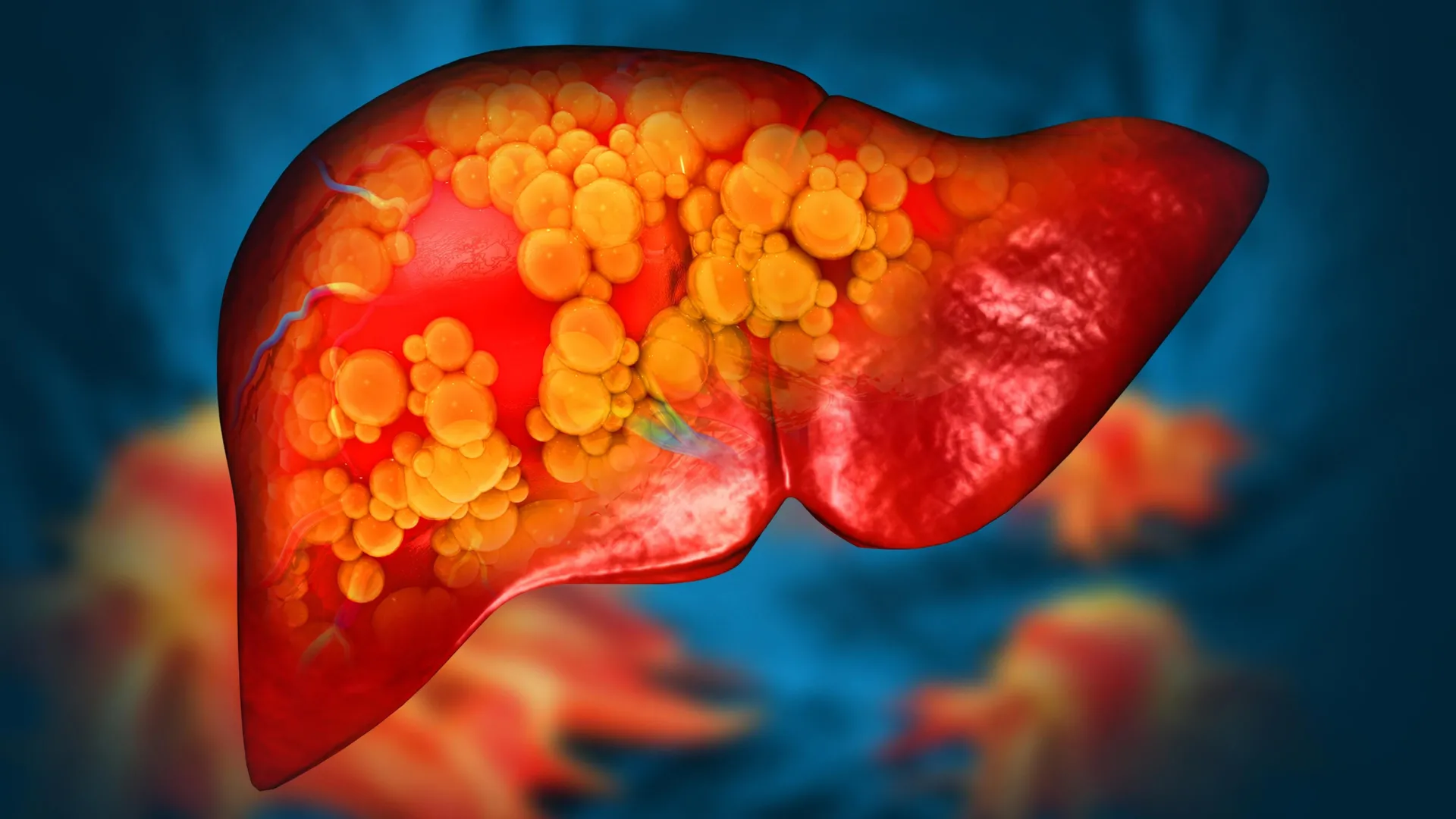
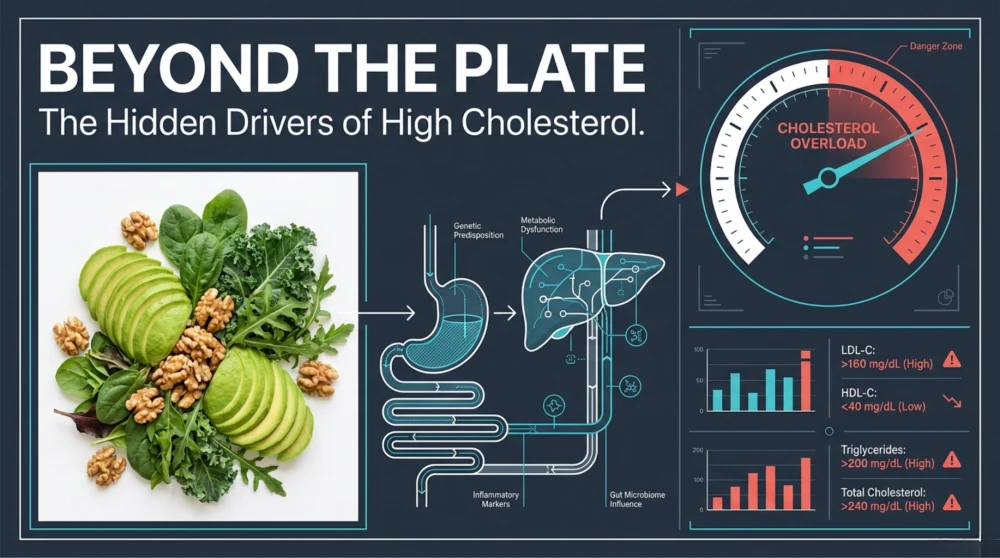
The newly identified driver functions as a master transcriptional switch residing deep within the endoplasmic reticulum-mitochondrial interface. Utilizing advanced spatial transcriptomics and high-throughput cryo-electron microscopy, the research team isolated a protein complex—designated provisionally as Lipid Regulatory Factor-Alpha (LRF-α)—that acts independently of classical insulin and sterol feedback loops. When LRF-α is hyper-activated by chronic metabolic stress or genetic predisposition, it acts as an unmitigated accelerator for lipid esterification and arterial wall macrophage recruitment.
“We are looking at a metabolic bypass route that has effectively hidden in plain sight,” notes Dr. Elena Vance, Head of Translational Cardiometabolic Research at the Zurich Institute of Molecular Medicine. “While traditional therapies target the highway traffic of cholesterol, LRF-α controls the central manufacturing plant. By deploying a precision antisense oligonucleotide (ASO) to silence this specific transcriptional driver, we observed an immediate downregulation of atherogenic particles without perturbing the essential physiological mevalonate derivatives required for cellular integrity.”
Clinical Efficacy and the Road to Commercialization

The therapeutic counter-strategy developed by the consortium relies on next-generation gene-silencing architecture. Unlike generalized systemic therapies, the engineered compound—currently tracking under the clinical identifier NVX-402—employs targeted hepatocyte-directed ligand conjugation to ensure maximum bioavailability and minimal off-target tissue exposure.
Early data aggregated across Phase II trials reveal compelling pharmacodynamic endpoints:
- A mean 58% reduction in refractory LDL-C levels among patients failing maximum-dose statin and ezetimibe combination therapy.
- A synergistic 42% drop in remnant cholesterol and apolipoprotein B (ApoB), markers increasingly recognized by clinical investigators as superior predictors of residual cardiovascular risk.
- An absence of the systemic inflammatory spikes or glycemic alterations frequently associated with legacy lipid-lowering agents.
From an enterprise infrastructure perspective, NVX-402’s manufacturing scalability mimics established monoclonal antibody production lines, ensuring that once regulatory compliance is secured, supply chain bottlenecks will be minimized. Venture capital syndicates and private equity firms specializing in life sciences are already mobilizing capital to fund expansive Phase III registration trials, anticipating blockbuster commercial status upon FDA and EMA patent clearance.
Verified Data and Metrics Breakdown
The following comparative matrix outlines the clinical, financial, and operational parameters defining the transition from legacy therapeutics to the emerging LRF-α inhibition paradigm:
| Metric / Parameter | Legacy Statins / Ezetimibe | PCSK9 Monoclonal Antibodies | New LRF-α Inhibitors (NVX-402) |
|---|---|---|---|
| Mechanism of Action | HMG-CoA Reductase Inhibition | PCSK9 Protein Degradation Prevention | Transcriptional Silencing of LRF-α |
| Average LDL-C Reduction | 30% – 50% | 55% – 65% | Up to 75% (Refractory Cohorts) |
| ApoB & Remnant Lipoprotein Impact | Moderate | High | Superior (Comprehensive Clearance) |
| Dosing Frequency | Daily Oral | Bi-weekly / Monthly Subcutaneous | Quarterly Subcutaneous Injection |
| Estimated Peak Market Valuation | Mature / Commoditized ($12B+) | Growth Stage ($8B+) | Projected Blockbuster ($15B+ by 2030) |
Industry & Market Implications: Winners, Losers, and Macroeconomic Shifting
The identification of LRF-α and the rapid advancement of targeted countermeasures are triggering profound capital restructuring across the global healthcare ecosystem. Financial analysts at major investment banking institutions are already revising valuation multiples for mid-cap biotechnology firms possessing proprietary gene-silencing platforms.
Who Wins: Precision Biopharma and Health-Tech Infrastructure
The primary beneficiaries of this discovery are agile biopharmaceutical enterprises specializing in RNA interference (RNAi) and antisense oligonucleotide (ASO) delivery systems. Companies possessing modular, scalable manufacturing platforms capable of rapidly adapting to novel transcriptional targets will capture outsized market share. Furthermore, diagnostic firms developing companion assays to stratify patients based on LRF-α expression levels stand to benefit from the growing imperative for personalized preventive cardiology.
Who Loses: Commoditized Generics and Stagnant Portfolios
Conversely, legacy manufacturers reliant exclusively on high-volume, low-margin generic statin portfolios face significant revenue compression. As payers increasingly demand outcomes-based reimbursement models—rewarding therapies that demonstrate definitive reductions in major adverse cardiac events (MACE)—drugs that fail to address residual inflammatory and lipid risk will experience diminished formulary placement.
Macroeconomic and Payer Impacts
From an institutional payer perspective, the upfront capital expenditure of advanced biological therapies remains a point of negotiation. However, actuarial models project that long-term cost avoidance—specifically regarding avoided coronary artery bypass grafts (CABG), percutaneous coronary interventions (PCI), and acute stroke management—will yield a net-positive enterprise ROI for self-insured employers and national health systems alike.
Frequently Asked Questions (People Also Ask)
What is the newly discovered driver of high cholesterol, and how does it differ from traditional pathways?
The newly identified driver is a transcriptional co-activator complex designated as Lipid Regulatory Factor-Alpha (LRF-α). Unlike HMG-CoA reductase (the target of statins) or PCSK9 (the target of modern monoclonal antibodies), LRF-α operates upstream at the nuclear level within hepatic cells. It independently drives lipid esterification and VLDL assembly outside of standard sterol feedback loops, allowing it to promote atherogenesis even when classical pathways are pharmacologically suppressed.
When will therapies targeting this hidden driver be available to the general public?
Lead candidate compounds utilizing antisense oligonucleotide technology (such as NVX-402) are currently progressing through Phase II clinical trials with highly encouraging safety and efficacy endpoints. Industry analysts and regulatory consultants project that pivotal Phase III trials will conclude by late 2026, paving the way for commercial FDA and EMA submissions with potential market entry expected between 2027 and 2028.
Will these new treatments replace statins entirely?
Not immediately. Statins will remain the front-line, cost-effective standard of care for primary prevention due to their generic availability and decades of safety data. However, LRF-α targeted therapies are positioned to become the gold standard for secondary prevention, high-risk patients with genetic hypercholesterolemia, and individuals who experience severe statin intolerance or residual cardiovascular risk.
How do these therapies impact overall healthcare economics and insurance coverage?
While the initial acquisition cost of advanced biologic therapies is higher than traditional small-molecule generics, health economists project substantial long-term savings. By dramatically lowering MACE rates and preventing costly emergency surgical interventions (such as stents and bypass surgeries), these therapies offer a compelling risk-mitigation profile that is expected to secure favorable formulary access among major institutional payers.
Future Outlook: Strategic Milestones to Watch
As the scientific community transitions from foundational discovery to applied clinical validation, institutional stakeholders must monitor several critical milestones over the next 24 to 36 months:
- Phase III Trial Data Readouts: Upcoming multi-center data releases will provide definitive statistical verification regarding long-term safety, durability of lipid suppression, and impact on hard cardiovascular endpoints.
- Regulatory Pathways and Fast-Track Designations: Expect regulatory bodies such as the FDA to evaluate these compounds for accelerated approval pathways, given the persistent global burden of drug-refractory ASCVD.
- An escalation in cross-border biopharmaceutical mergers and acquisitions as large-cap pharmaceutical conglomerates seek to acquire proprietary RNA-silencing platforms to protect future revenues against patent cliffs.
Ultimately, the unmasking of LRF-α marks a watershed moment in metabolic medicine. By shifting the clinical focus from downstream symptom management to upstream transcriptional control, modern cardiology is entering an era of unprecedented precision—redefining patient outcomes, capital allocation strategies, and the global economics of cardiovascular care.