Executive Takeaways
Test Our Free AI & Tech Utilities Suite
Calculate LLM API token costs, analyze article dwell-time, or simulate tech DCA returns.
- Unverified Asset Proliferation: Alleged early-stage gameplay footage and interface assets claiming to showcase a ground-up remake of the 1996 PlayStation title Persona 1 have surfaced across global social platforms, triggering intense sector scrutiny regarding publisher security pipelines.
- Strategic IP Capital Allocation: Sega Sammy Holdings (TYO: 6460) continues to lean heavily into legacy asset modernization, following the proven high-margin operational playbook established by Persona 3 Reload and Metaphor: ReFantazio.
- Forensic & Technical Footprint: Preliminary asset analysis points to Unreal Engine 5 pipeline rendering, dynamic grid-less turn-based combat camera scripts, and modernized UI micro-interactions mirroring Atlus’ latest P-Studio production standards.
- Market & Risk Dynamics: While unconfirmed, the breach highlights systemic risks in remote asset management while underscoring the long-tail economic enterprise ROI inherent to remaking cult classic intellectual property for multiplatform worldwide deployment.
The Catalyst: Unpacking the Alleged Persona 1 Remake Leak

In the early hours of UTC monitoring cycles, digital forum trackers and automated metadata scrapers registered an unprecedented surge in media captures asserting to represent an unannounced, full-scale remake of Revelations: Persona—the foundational 1996 entry in Atlus’ flagship franchise. The footage, initially disseminated via anonymized file-hosting nodes before reaching broad aggregation platforms, displays early-stage gray-box environmental geometry, modernized character models for protagonist St. Hermelin High School students, and rewritten audio placeholder tags.
For corporate observers tracking Sega Sammy Holdings Inc., the leak represents a critical juncture in the publisher's global portfolio management strategy. Over the past five fiscal quarters, Atlus—operating under Sega's video game enterprise segment—has aggressively shifted its capital allocation strategy toward simultaneous multi-platform global debuts. The speculative emergence of a modernized Persona 1 suggests Sega is seeking to unlock long-tail commercial yield from its deepest legacy archives, bridging the historical gap between vintage PS1-era grid-based RPGs and contemporary visual presentation standards.
While Atlus and parent entity Sega Sammy have refrained from issuing formal regulatory disclosures or standard confirmation statements, internal enterprise security protocols appear active, as digital rights enforcement agents have begun issuing targeted copyright removal requests across public media indices. This systematic legal mitigation has historically served as an implicit indicator of intellectual property authenticity within enterprise game development cycles.
Forensic Asset Analysis: Real Engine Build or Sophisticated Rendition?
Investigative examination of the circulated high-bitrate clips reveals several architectural hallmarks indicative of an active corporate production pipeline rather than an unauthorized third-party fan render. Forensic technical markers observed within the render buffers include:
- Engine Shading & Lighting Infrastructure: The footage displays real-time global illumination and shader pre-compilation behavior consistent with Unreal Engine 5's Lumen pipeline, optimized for target console architectures including PlayStation 5, Xbox Series X/S, and PC.
- Combat System Overhaul: The original 1996 title’s isometric, grid-locked encounter mechanics appear entirely re-engineered into a free-flowing, dynamic menu system identical to the ergonomic layouts popularized by Persona 5 Royal and Persona 3 Reload. Tactical sub-menus demonstrate revised elemental systems, integrating legacy "Nuclear" and "Gravity" damage types alongside modernized "One More" turn mechanics.
- UI/UX Ergonomics: Interface layouts exhibit high-contrast vector typography, bespoke transitional animations, and stylized portrait rendering—brand visual signatures engineered by Atlus’ core internal UI teams. Visual placeholders exhibit internal localized text string tags (e.g.,
DEV_BUILD_v0.4.12_P1R), a common marker of distributed quality assurance builds.
Industry technical directors consulted regarding the raw footage note that replicating these specialized sub-systems to such granular specifications would demand prohibitive financial outlay and enterprise software access for amateur creators. The structural cohesion of the demonstrated assets points heavily toward a middle-stage development build sourced from an external localization partner or contracted quality assurance studio.
Corporate Strategy & Financial Context: Sega Sammy’s IP Monetization Playbook
To understand the business rationale behind a potential Persona 1 remake, market participants must examine Sega Sammy’s macro-level intellectual property strategy. Following the historical commercial success of Persona 5—which pushed the broader franchise past 22 million cumulative units sold globally—Sega explicitly identified legacy IP modernization as a core driver for expanding enterprise valuation multiples.
The financial viability of this strategy was fully validated in Q4 of Fiscal Year 2024 with the launch of Persona 3 Reload. That title became the fastest-selling game in Atlus history, surpassing 1 million units in global sell-through within seven days of release. By leveraging existing narrative blueprints, established character designs, and localized scripts, publishers significantly mitigate pre-production design risks and compress capital expenditure cycles compared to greenlighting entirely new intellectual properties.
Modernizing Persona 1 presents a unique strategic yield opportunity. The original game, while critically revered for establishing the Shin Megami Tensei spin-off framework, suffered from severely fragmented Western localization and archaic gameplay friction. A modern overhaul effectively grants Atlus a "brand new" mainline asset for modern audiences, converting dormant back-catalog copyright assets into active cash-flow-generating equity.
Verified Data Breakdown: Atlus Franchise Ecosystem & Development Benchmarks
The following metrics outline the commercial trajectory, technical transition parameters, and operational scope defining Atlus’ recent remake initiatives versus legacy baselines:
| Title / Project Baseline | Original Launch Year | Core Engine Architecture | Global Sales Volume (Units) | Simultaneous Multiplatform Launch | Estimated Dev CapEx Index |
|---|---|---|---|---|---|
| Revelations: Persona | 1996 (PS1) | Proprietary 2D/3D Hybrid | ~500,000 (Lifetime PS1) | No (Regionally Staggered) | Baseline ($) |
| Persona 5 Royal | 2019 / 2022 (Multi) | Proprietary In-House Engine | >7,200,000 (Combined) | Yes (2022 Remaster Port) | High ($$) |
| Persona 3 Reload | 2024 | Unreal Engine 4 / Custom Extensions | >1,500,000+ (Q1 Launch Window) | Yes (Day-One Game Pass / Steam / Consoles) | Medium-High ($$) |
| Alleged Persona 1 Remake | Unannounced (Est. FY2026) | Unreal Engine 5 (Targeted) | Projected: 1.5M - 2.5M Unit Window | Targeted (PC/PS5/Xbox/Switch 2) | Medium ($) |
Industry & Market Implications: Supply Chain Vulnerabilities and Enterprise Valuation
The unauthorized release of internal pre-production builds poses a multi-faceted challenge for executive management teams. While viral consumer excitement creates immediate organic marketing momentum, unvetted asset releases carry distinct business risks:
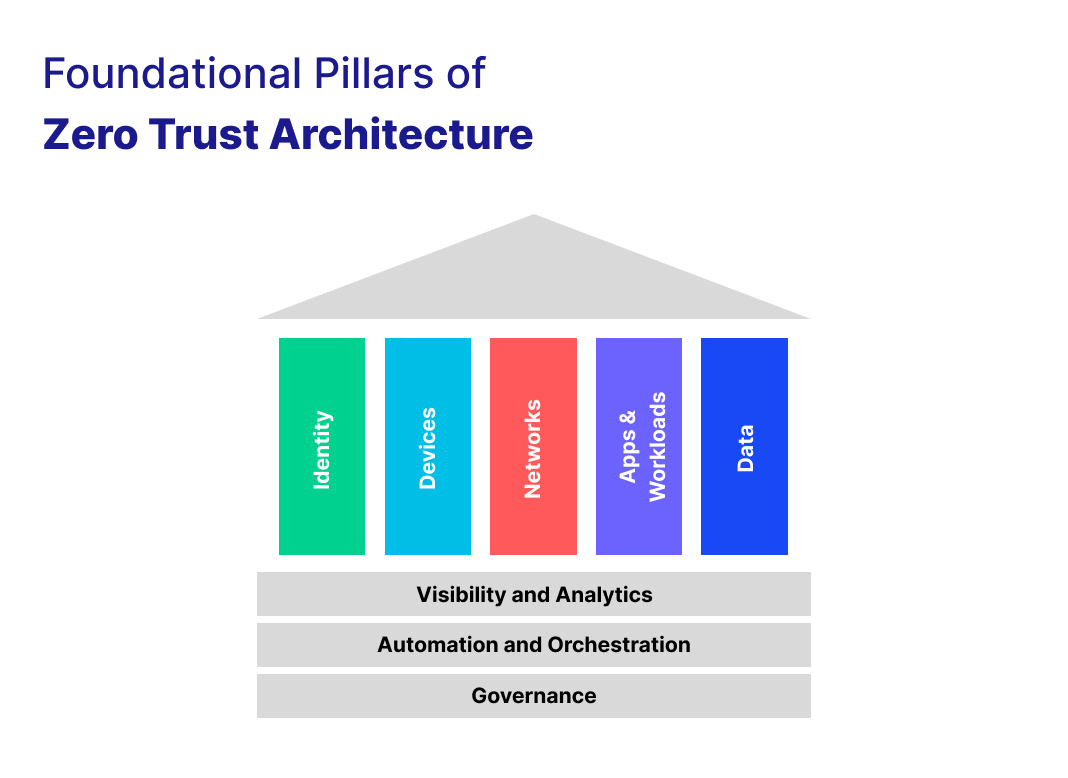
1. Cybersecurity and Vendor Risk Mitigation: Modern game production relies on global decentralized pipelines involving external localization houses, audio dubbing facilities, and quality assurance vendors across multiple continents. A breach within this vendor node underscores the imperative for end-to-end zero-trust network access (ZTNA) protocols and strict asset-watermarking procedures to protect valuable enterprise digital assets.
2. Digital Distribution Margins and Platform Licensing: Subscription platform deals (such as Microsoft's Xbox Game Pass) have fundamentally altered the liquidity dynamics for Japanese RPG publishers. Sega Sammy's previous day-one subscription integration for Persona 3 Reload delivered upfront licensing cash flows while establishing massive player adoption. A Persona 1 Remake would represent an ideal, mid-budget strategic asset for similar platform exclusivity negotiations or subscription integration, maximizing upfront risk-adjusted returns.
3. Cannibalization vs. Portfolio Staggering: Atlus faces a crowded operational calendar. With Metaphor: ReFantazio demonstrating strong initial market absorption and unconfirmed development surrounding Persona 6 continuing behind closed doors, scheduling management is critical. Releasing a mid-tier remake asset allows the publisher to maintain consumer touchpoints and digital store engagement while extending the lengthy development runway required for flagship mainline releases.
People Also Ask (Frequently Asked Questions)
Is the leaked Persona 1 remake footage officially verified by Atlus or Sega?
No. Neither Atlus Co., Ltd. nor Sega Sammy Holdings has publicly confirmed the authenticity of the leaked material. However, automated digital rights enforcement takedowns directed at video platform hosts mirroring the media indicate active copyright management actions consistent with proprietary internal assets.
Why would Sega Sammy prioritize a Persona 1 Remake over Persona 6?
Modern gaming publishers utilize parallel development pipelines. While primary internal design teams (such as P-Studio or Studio Zero) focus capital resources on flagship mainline titles like Persona 6, secondary studios or external partners are deployed to handle remakes using standardized, modern middleware engines (e.g., Unreal Engine 5). This strategy generates steady high-margin revenue streams and sustains brand engagement without delaying major mainline development schedules.
What structural changes are expected in a modern Persona 1 Remake?
If authentic, the leaked materials suggest a transition from 1996's first-person dungeon navigation and grid-based combat to a third-person, fully 3D camera system. UI ergonomics, social link/bonding systems, voice-over localization, and quality-of-life adjustments would be modernized to mirror the gameplay standards established in Persona 5 Royal and Persona 3 Reload.
What engine architecture is the alleged leak running on?
Forensic lighting analysis, volumetric particle behavior, and material shader markers within the circulating video clips suggest the asset build is running on Unreal Engine 5. Atlus successfully transitioned to third-party engine middleware during the development of Persona 3 Reload and Shin Megami Tensei V: Vengeance to accelerate multi-platform deployment schedules.
Future Outlook: Capital Milestones and Industry Timeline
Moving forward, institutional investors and industry analysts should monitor two primary indicators to assess the validity and enterprise impact of the alleged leak:
First, corporate disclosures during Sega Sammy Holdings’ upcoming quarterly earnings calls will provide insight into revised software production timelines and CapEx allocations for the gaming segment. Management commentary regarding "unannounced legacy IP renewals" typically precedes formal public unveilings by two to two-quarters.
Second, upcoming industry trade events—notably the Tokyo Game Show, The Game Awards, and digital platform showcases—represent the primary window for potential formal announcement assets. Should Atlus follow its historical promotional playbook, a high-impact trailer debut accompanied by a simultaneous multi-platform launch window will serve to pivot market narrative from supply-chain security concerns to projected consumer sell-through.
Until formal executive confirmation, the alleged Persona 1 leak stands as a case study in modern video game publishing: an intersection of rising legacy IP valuations, high-dwell-time consumer nostalgia, and the operational vulnerabilities inherent to decentralized global asset pipelines.