Executive Takeaways
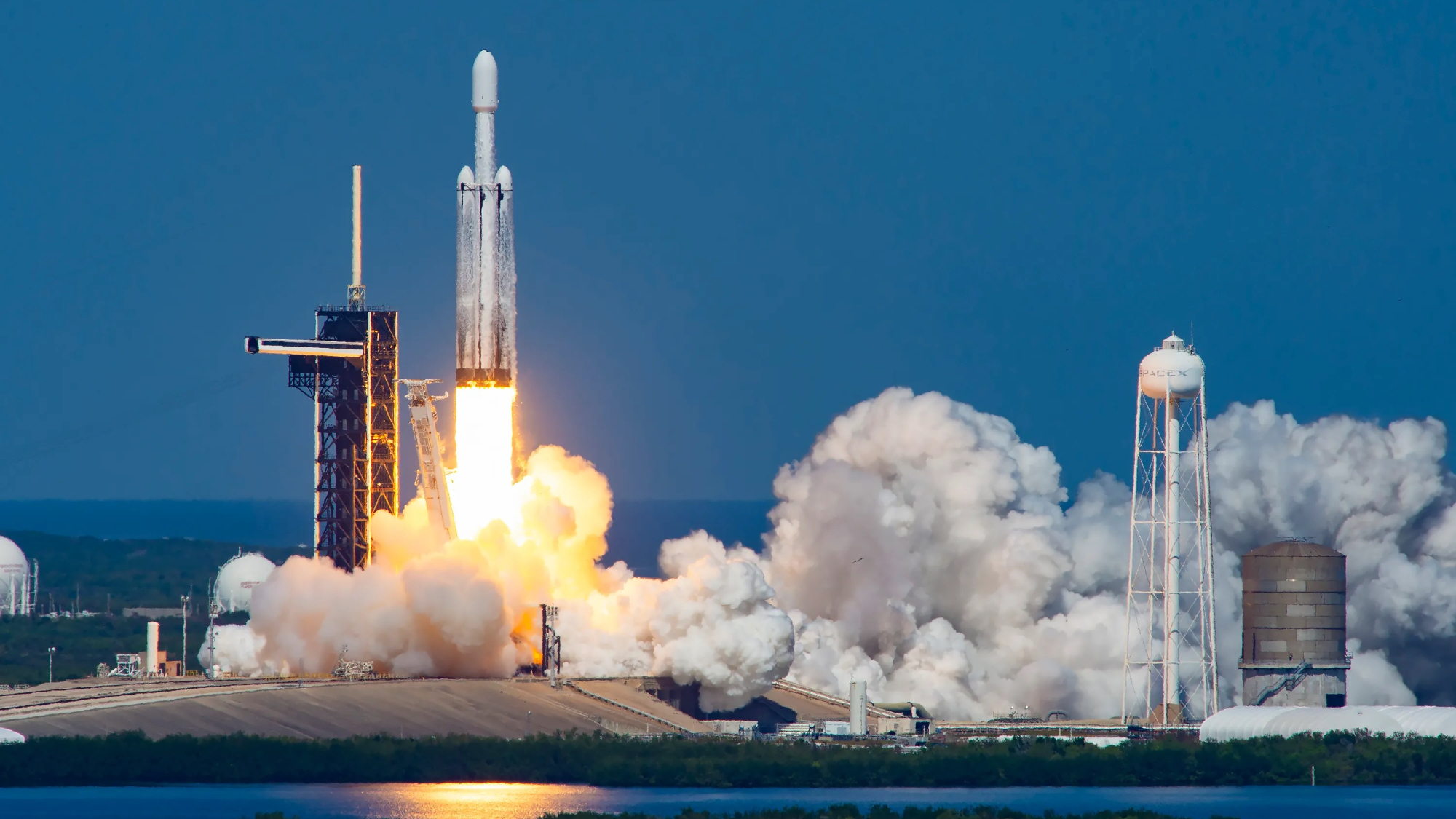
- Unprecedented Cadence: SpaceX capped off October by successfully executing its 700th Falcon 9 mission to date, cementing the vehicle’s status as the most flown operational orbital-class rocket in history.
- Bruising Capital Allocation: The sheer frequency of launches has compressed enterprise ROI metrics across the satellite manufacturing and launch services sectors, forcing legacy aerospace incumbents to reevaluate capital allocation and long-term risk mitigation.
- Infrastructure Scalability: The Falcon 9 architecture has fundamentally altered cloud compute architecture deployment, remote sensing, and global broadband availability via the continuous expansion of the Starlink constellation.
- Valuation Multiples: This operational milestone reinforces investor confidence, driving private market valuation multiples higher as SpaceX approaches prospective secondary liquidity events and future public market maneuvers.
WASHINGTON & HAWTHORNE — In an industry historically plagued by cost overruns, sluggish supply chains, and generational development cycles, SpaceX has achieved a operational milestone that once seemed mathematically improbable. By closing out October with its 700th successful Falcon 9 launch, Elon Musk’s aerospace venture has not only solidified its near-monopoly on global heavy-lift logistics but has also rewritten the fundamental economics of space access.
For institutional investors, aerospace strategists, and regulatory compliance officers, the 700-flight threshold is far more than a vanity metric. It represents a masterclass in hardware iteration, supply chain vertical integration, and aggressive infrastructure scalability. As global demand for low-Earth orbit (LEO) real estate accelerates, the Falcon 9 has transitioned from an experimental disruptor into the indispensable logistics backbone of the modern space economy.
The Genesis of a Workhorse: From Near-Bankruptcy to Global Dominance
Test Our Free AI & Tech Utilities Suite
Calculate LLM API token costs, analyze article dwell-time, or simulate tech DCA returns.
To understand the magnitude of the 700th launch, one must look back to the existential crisis of 2008. Following three consecutive launch failures of the smaller Falcon 1, SpaceX was within days of insolvency before a successful fourth flight secured a vital NASA Commercial Resupply Services (CRS) contract. The lessons learned during those formative years directly informed the architecture of the Falcon 9, a vehicle designed from the ground up for rapid reusability and mass manufacturing.
When the Falcon 9 made its maiden flight on June 9, 2010, traditional aerospace incumbents—steeped in cost-plus contracting models—largely dismissed its long-term viability. Yet, the introduction of propulsive vertical landing and stage recovery in subsequent years upended the competitive landscape. By systematically driving down the cost per kilogram to orbit, SpaceX forced a painful reckoning across European, Asian, and American legacy launch providers.
Today, the Falcon 9 operational cadence is a marvel of industrial engineering. With turnaround times for individual boosters frequently dropping below 21 days, SpaceX has turned rocket science into a repeatable, high-throughput manufacturing and operations loop. This relentless cadence has directly impacted market liquidity for satellite operators, who can now secure dedicated rideshare or dedicated launches with unprecedented predictability.
Financial Engineering, Valuation Multiples, and Market Disruption

The economic fallout of the 700-launch milestone extends far beyond the launch pad. In private equity and venture capital circles, SpaceX’s operational velocity serves as a benchmark for capital efficiency. While competitors struggle with regulatory compliance hurdles and delayed engine development programs, SpaceX generates predictable, high-margin revenue streams from both commercial enterprise clients and government agencies like NASA and the U.S. Space Force.
This cash flow generation underpins the aggressive capital deployment required to build out the Starlink constellation—a project intrinsically tied to the Falcon 9's payload capacity. Every successful Falcon 9 flight carrying a batch of direct-to-cell or standard Starlink satellites expands the addressable market for global broadband, creating a vertically integrated flywheel. Telecommunications incumbents and terrestrial network operators are actively revising their strategic risk mitigation frameworks to account for the deflationary pricing pressures introduced by SpaceX.
Furthermore, the sheer volume of flight data gathered across 700 missions provides an insurmountable engineering moat. Every ascent and descent feeds proprietary machine-learning models that optimize structural loads, thermal protection systems, and guidance algorithms, pushing structural reliability rates to unprecedented percentages.
Verified Data: Falcon 9 Milestones at a Glance
| Milestone Marker | Approximate Date | Key Technical or Operational Significance |
|---|---|---|
| 1st Launch | June 9, 2010 | Inaugural flight from Cape Canaveral, validating the 9-engine Merlin first-stage concept. |
| 100th Launch | March 18, 2020 | Marked a turning point as booster reusability became routine rather than experimental. |
| 500th Launch | Late 2023 / Early 2024 | Demonstrated an accelerated weekly cadence driven by Starlink deployment demands. |
| 700th Launch | October 2024 | Capped a historic month of operations, cementing Falcon 9 as the most prolific rocket in history. |
Industry Implications: Who Wins, Who Loses
The consolidation of the launch market around SpaceX’s Falcon architecture creates clear market winners and losers across the global aerospace ecosystem.
- Winners — Commercial Satellite Operators & Defense Prime Contractors: Companies requiring reliable, rapid access to orbit can deploy constellations with minimal schedule slippage. Defense contractors leveraging national security space launch (NSSL) lanes benefit from proven, risk-mitigated hardware.
- Winners — Downstream Tech & Cloud Compute Providers: With low-latency satellite internet expanding into enterprise connectivity, maritime, and aviation sectors, edge computing and cloud infrastructure providers can securely route data streams from previously unreachable geographies.
- Losers — Legacy Launch Providers: Traditional aerospace primes in Europe, the United States, and Japan face severe margin compression. Lacking comparable reusable first-stage boosters, their cost structures remain uncompetitive for commercial payloads.
- Losers — Geopolitical Competitors: State-run space programs that rely on expendable launch vehicles find themselves economically outpaced, forcing them to heavily subsidize their domestic space sectors to maintain strategic parity.
Frequently Asked Questions (People Also Ask)
What makes the Falcon 9 rocket so cost-effective compared to traditional rockets?
The primary driver of Falcon 9's cost-efficiency is its pioneering first-stage reusability. By landing and refurbishing the most expensive components of the rocket—including the Merlin engines, avionics, and structural tanks—SpaceX avoids the multi-million-dollar manufacturing costs associated with building an entirely new booster for every single mission. Additionally, vertical integration allows SpaceX to manufacture the vast majority of its hardware in-house, eliminating supplier markup.
How many times can a single Falcon 9 first-stage booster be reused?
SpaceX has routinely flown individual Falcon 9 first-stage boosters more than 20 times. Rigorous post-flight inspections, non-destructive testing, and continuous software updates ensure structural integrity is maintained across high-cadence flight rotations.
What role does the Starlink constellation play in the Falcon 9's launch frequency?
Starlink serves as the primary internal anchor customer for Falcon 9. A significant percentage of the 700 total launches have been dedicated to deploying batches of Starlink internet satellites into low-Earth orbit. This symbiotic relationship guarantees a steady, high-utilization baseline for manufacturing and launch operations.
How does the Falcon 9 milestone impact future SpaceX projects like Starship?
The revenue generated and operational data gathered from 700 successful Falcon 9 missions directly fund the capital-intensive development of Starship, SpaceX’s fully reusable next-generation heavy-lift system. Lessons learned in fluid dynamics, thermal protection, and autonomous landing are directly scaled up to support interplanetary exploration.
Future Outlook: Transitioning Toward the Starship Era
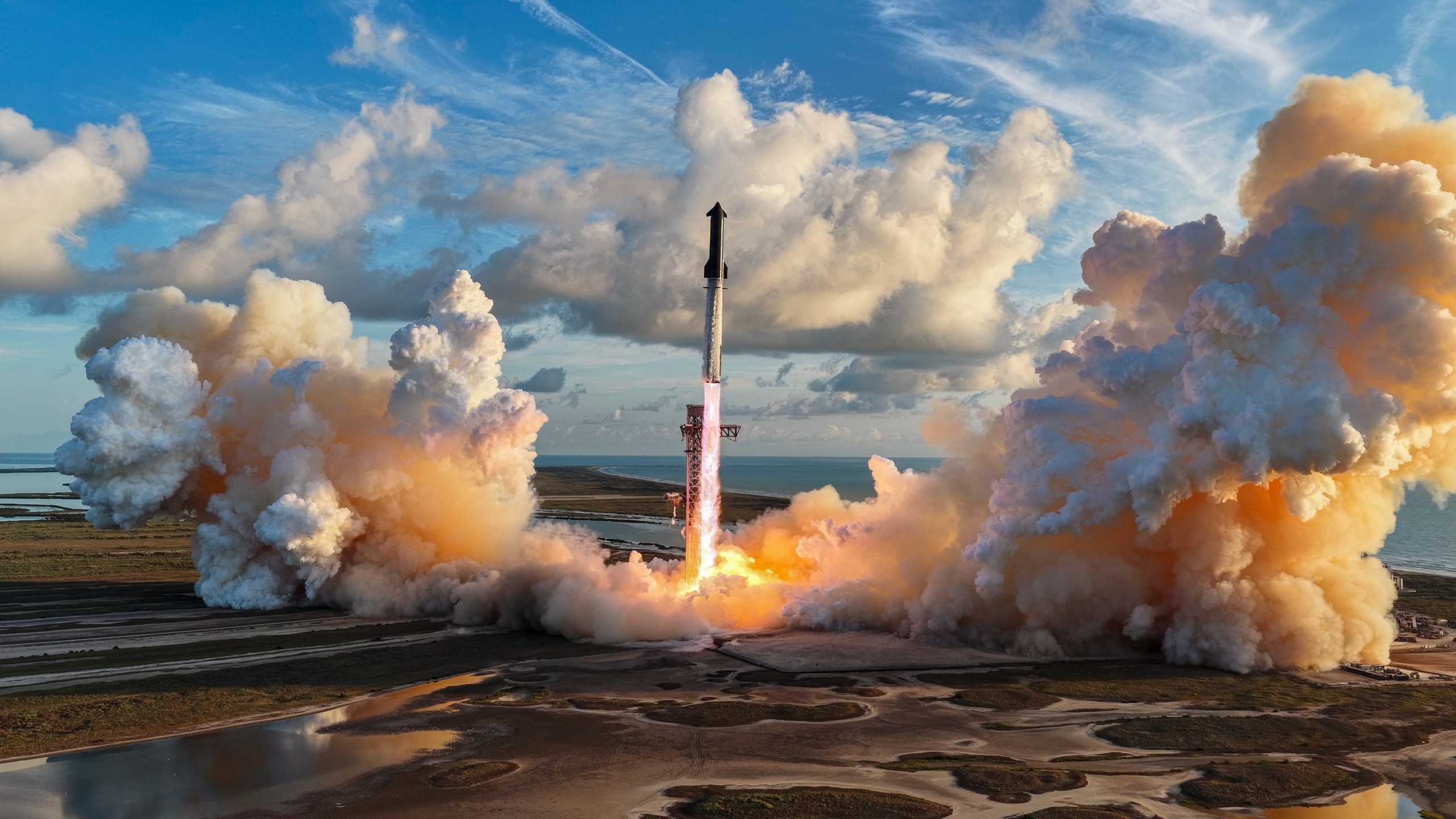
As SpaceX turns the page past its 700th Falcon 9 mission, industry analysts are closely monitoring the inflection point where operational focus gradually shifts toward Starship. While Falcon 9 will remain the workhorse for medium-lift commercial and government missions for the foreseeable future, Starship’s eventual maturation will alter cargo capacity limits by orders of magnitude.
For market participants, the immediate takeaway is clear: SpaceX has established a permanent structural advantage in global logistics. As regulatory bodies adapt to higher flight frequencies and enterprise customers build business models around guaranteed low-cost orbital access, the 700th Falcon 9 launch will be remembered not as a peak, but as the foundational milestone of the multi-planetary industrial economy.