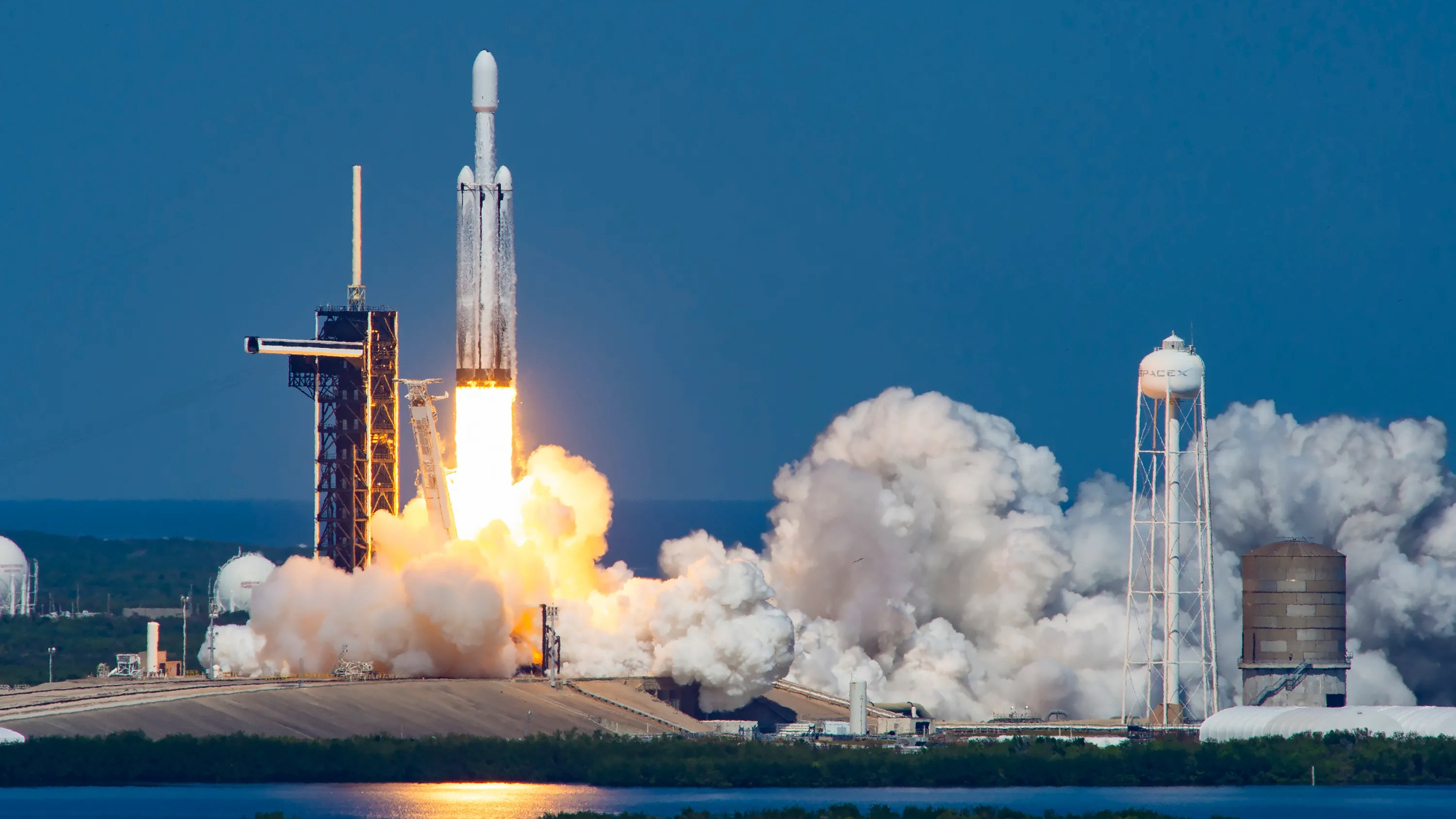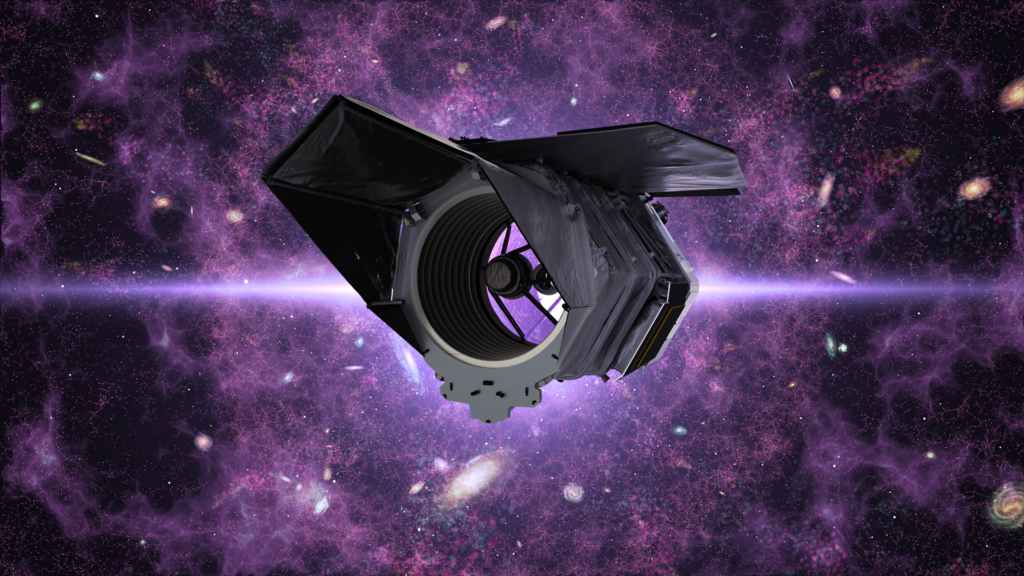
WASHINGTON — Humanity is on the precipice of a monumental leap in our understanding of the cosmos. NASA is finalizing preparations for the launch of a revolutionary space telescope engineered to peer deeper into the dark expanse of space and time than ever before. Promising to fundamentally alter our perspective of the universe, this next-generation observatory is capturing the attention of the global scientific community and institutional investors alike.
The mission, which has generated intense buzz across media platforms including a recent deep-dive feature on NPR’s Shortwave podcast, represents a massive convergence of aerospace engineering, advanced optics, and deep-space astronomy. As global space agencies and private aerospace contractors race to unlock the mysteries of dark energy, exoplanets, and galactic evolution, this upcoming launch stands out as the defining scientific event of the decade.
Inside the Mission: What Sets This Telescope Apart?
For decades, instruments like the Hubble Space Telescope and, more recently, the James Webb Space Telescope (JWST) have pushed the boundaries of human observation. However, the upcoming NASA mission introduces unprecedented technological upgrades designed to solve lingering cosmological paradoxes.
According to mission architects and astrophysicists, the new telescope boasts a wide-field survey instrument capable of capturing swaths of the sky with hundred-fold greater precision than previous legacy instruments. This capability will allow researchers to map billions of stars, trace complex orbital paths of celestial bodies, and chart the invisible architecture of dark matter.
- Unprecedented Field of View: Captures expansive cosmic regions in a single exposure without sacrificing high-resolution detail.
- Dark Energy Mapping: Designed to measure the expansion rate of the universe with surgical accuracy, targeting the core mechanics behind cosmic acceleration.
- Exoplanet Census: Expected to discover thousands of new planetary candidates, drastically expanding our search for habitable worlds beyond our solar system.
- Advanced Optics: Utilizes state-of-the-art mirror technology and digital sensors optimized for infrared and visible light spectrums.
Economic and Technological Ripple Effects
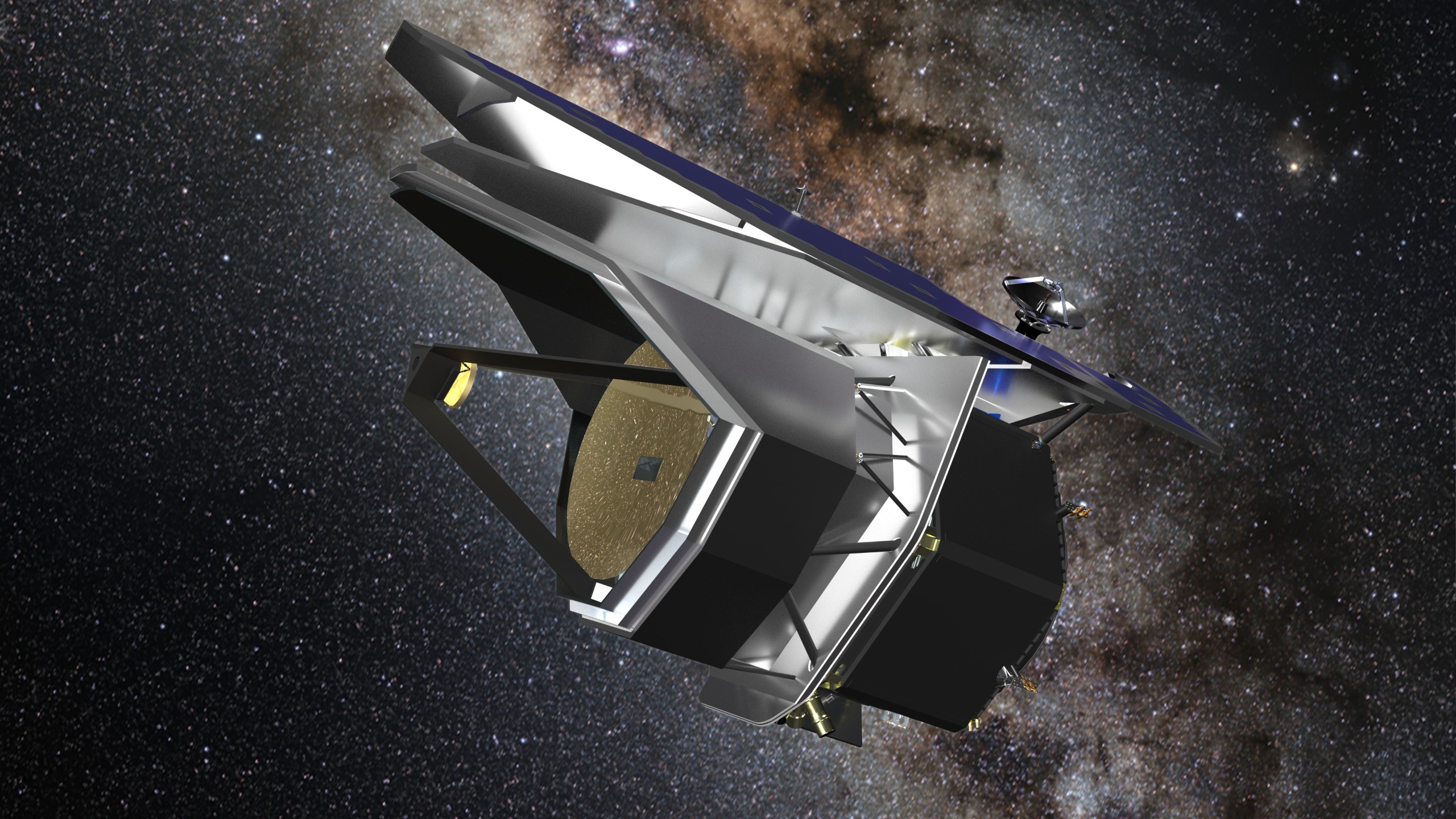
Beyond the pure scientific pursuit, the launch signals a massive influx of innovation into the high-tech sector. The development of the telescope’s ultra-sensitive sensors and data-processing architecture has already spurred spin-off technologies applicable to terrestrial industries, ranging from medical imaging to artificial intelligence data handling.
Financial analysts tracking the burgeoning "space economy" note that government-backed missions of this scale serve as critical catalysts for private-sector growth. Supply chain partners, specialized optics manufacturers, and aerospace engineering firms stand to benefit from the technological spinoffs generated during the assembly and testing phases.
“We are not just building a scientific instrument; we are building an economic engine driven by extreme innovation,” noted one senior aerospace policy analyst. “The data streams that will flow from this telescope will require advanced computing capabilities that will push cloud infrastructure and AI analytics to new frontiers.”
Quick Facts: The New NASA Observatory at a Glance
| Project Metric | Mission Specification |
|---|---|
| Primary Objective | Mapping dark energy, cosmic structures, and discovering exoplanets |
| Primary Agency | NASA (in partnership with international space agencies) |
| Technological Advantage | Wide-field infrared/optical survey capability (100x Hubble's view) |
| Expected Impact | Rewriting astrophysical models of universe expansion and galaxy formation |
Public Engagement and Global Anticipation
The impending launch has also captured the cultural zeitgeist. Discussions surrounding the mission have permeated mainstream media, blending with pop culture and public science discourse. As highlighted in recent science broadcasts, the public’s appetite for deep-space exploration remains robust, bridging the gap between complex academic research and everyday wonder.
Educators and science communicators emphasize that missions like this play a vital role in inspiring the next generation of scientists, engineers, and mathematicians. By offering high-definition visualizations of the cosmos, NASA continues to democratize space exploration, turning abstract mathematical theories into breathtaking visual realities.
Frequently Asked Questions
When is the official launch window for the new space telescope?
NASA has scheduled final pre-launch testing protocols, with the launch window targeted for the upcoming months. Mission controllers are currently conducting rigorous checks on propulsion systems, optics alignment, and communication relays.
How does this telescope differ from the James Webb Space Telescope (JWST)?
While JWST is optimized for deep-dive, ultra-high-resolution imagery of specific, distant targets (like early galaxies and individual exoplanet atmospheres), this new telescope is designed primarily as a wide-field survey instrument. It will map large swaths of the sky rapidly, allowing scientists to gather statistical data on billions of stars and galaxies simultaneously.
As the launch countdown continues, the global scientific community waits with bated breath. When this new eye opens in the cold void of space, humanity’s place in the cosmos may never look the same again.