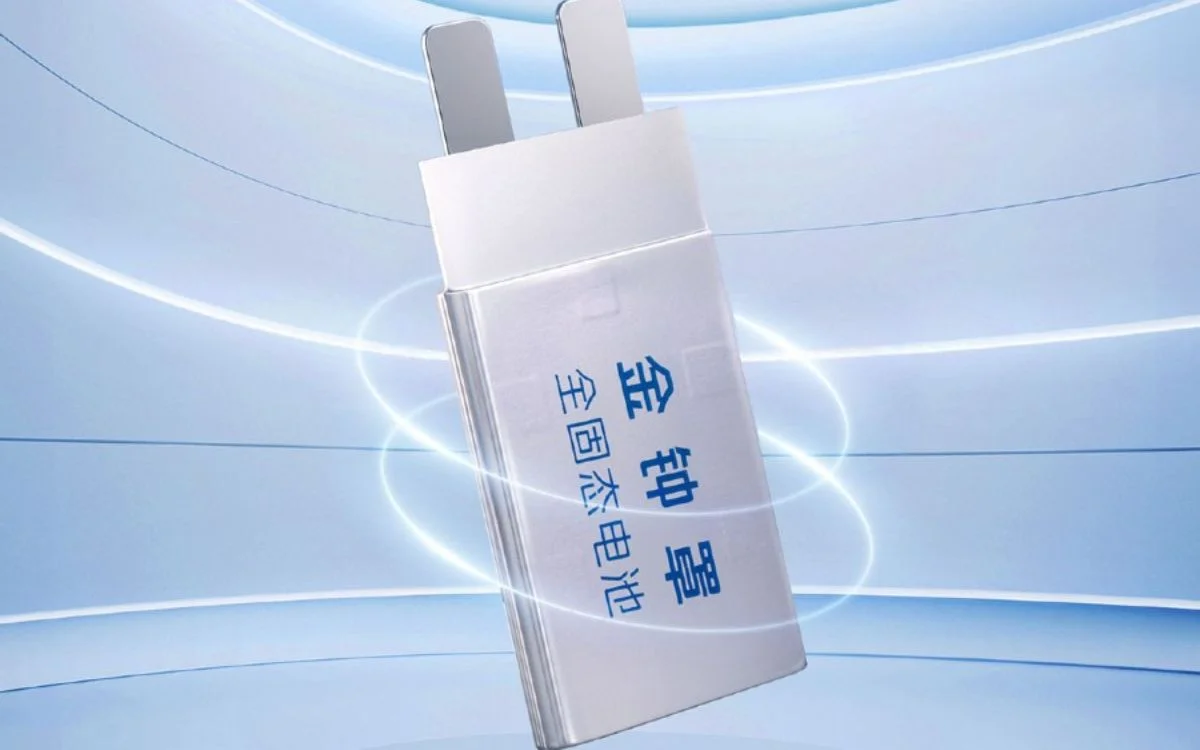
BEIJING & NEW YORK — The holy grail of the electric vehicle transition is no longer a distant laboratory dream. It is officially rolling onto public roads. In a high-stakes deployment that threatens to upend the global automotive hierarchy, Chinese battery manufacturers and EV automakers have begun the commercial rollout of solid-state and semi-solid-state passenger vehicle batteries, promising driving ranges of nearly 1,000 miles (approx. 1,600 km) on a single charge.
For years, legacy automakers in Detroit, Munich, and Tokyo have treated solid-state technology as a post-2030 milestone. However, rapid-fire advancements in Chinese supply chains have pulled the timeline forward. By replacing volatile liquid electrolytes with solid or semi-solid alternatives, Chinese innovators are achieving unprecedented energy densities, rendering "range anxiety" a relic of the early EV era. The development marks a critical inflection point in the geopolitical race for green technology hegemony.
The Breakthrough: How China Is Redefining EV Range
The push past the 900-mile single-charge threshold is being driven by a cluster of closely aligned Chinese manufacturers, state-backed research institutions, and agile EV startups. By pioneering semi-solid-state architectures—which act as a commercial stepping stone to pure solid-state cells—companies like WeLion, Qingtao Energy, and Tailan New Energy have bypassed the manufacturing bottlenecks that have stymied Western competitors.
NIO, a prominent premium EV brand, has already begun delivering its long-range 150 kWh semi-solid-state battery packs. During real-world highway testing, these packs propelled vehicles for over 640 miles under harsh conditions, with simulations and urban-cycle driving pushing range limits closer to the elusive 1,000-mile mark. Concurrently, SAIC Motor’s premium brand, IM Motors, is deploying its "Lightyear" solid-state battery in the L6 sedan, boasting ultra-fast charging capabilities alongside an exceptional energy density of over 400 Wh/kg.
Executive Summary: Key Takeaways of the Rollout
- The 1,000-Mile Horizon: New solid-state and semi-solid-state chemistries offer up to double the energy density of traditional lithium-ion batteries, pushing operational vehicle range to between 800 and 1,000 miles.
- Unparalleled Safety Profiles: Solid-state batteries eliminate flammable liquid organic solvents, virtually eliminating the risk of thermal runaway and catastrophic EV fires.
- Geopolitical Domination: China’s vertical integration of raw materials, refining capacity, and state-subsidized gigafactories allows it to commercialize these premium batteries years ahead of Western OEMs.
- The Premium Cost Premium: While revolutionary, these first-generation solid-state batteries remain highly expensive to produce, initially limiting their deployment to luxury EV tiers.
Comparing the Battery Paradigms: A Market Breakdown
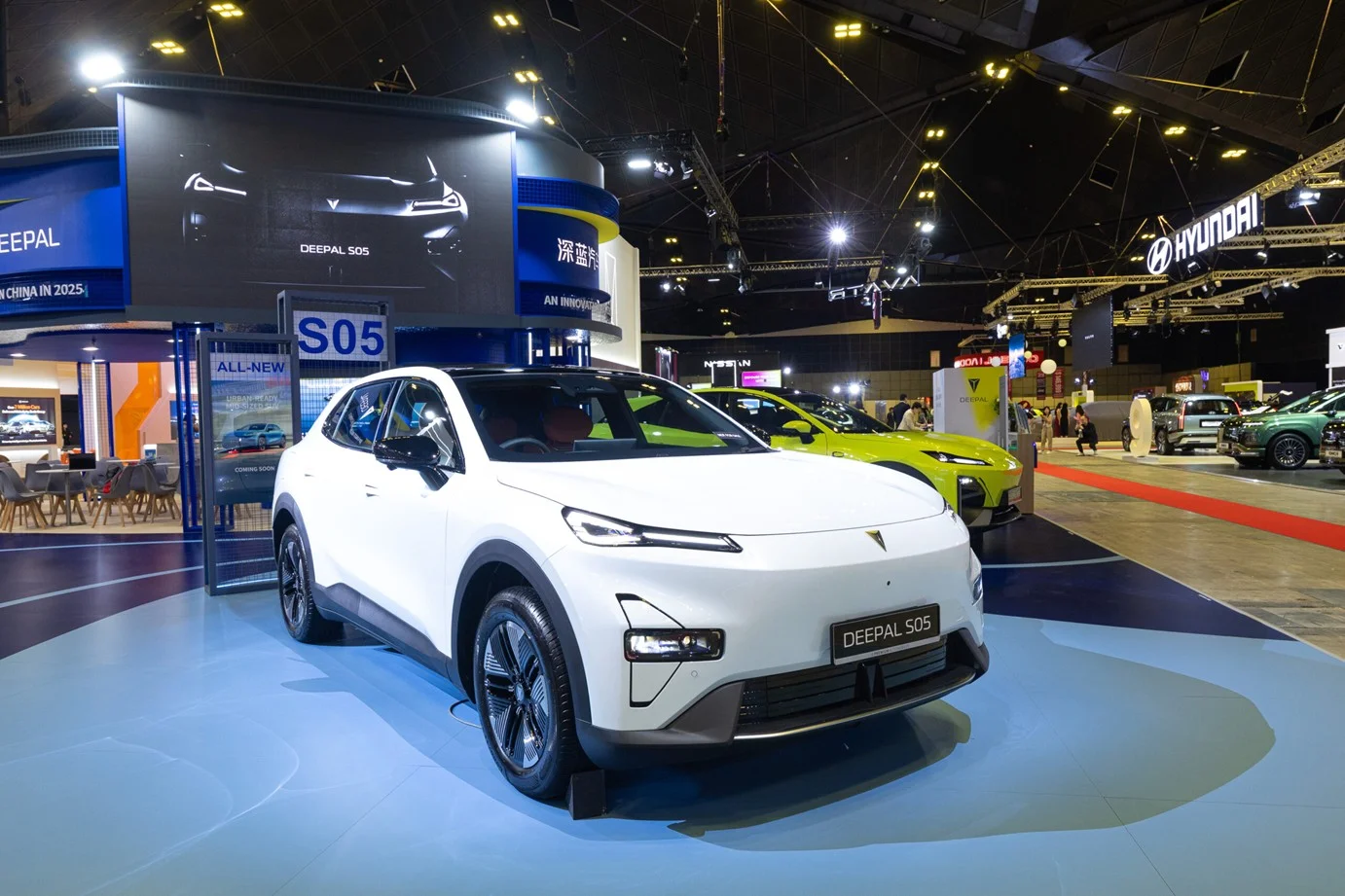
To understand the magnitude of this technological shift, it is essential to compare how these incoming Chinese solid-state cells stack up against existing market standards:
| Battery Technology Type | Average Energy Density (Wh/kg) | Target Vehicle Range (Miles) | Thermal Runaway Risk | Primary Commercial Champion |
|---|---|---|---|---|
| Traditional Li-Ion (Liquid) | 240 – 280 Wh/kg | 250 – 400 Miles | Moderate to High | Tesla, Panasonic, BYD (Blade) |
| Semi-Solid-State | 350 – 450 Wh/kg | 600 – 750 Miles | Very Low | NIO (WeLion), SAIC (Qingtao) |
| Next-Gen Solid-State | 480 – 720 Wh/kg | 800 – 1,000 Miles | Negligible | Tailan New Energy, GAC Aion |
Why This Matters: The Geopolitical and Economic Shockwaves
From an investment and macroeconomic perspective, China’s rapid transition to solid-state chemistry presents a severe challenge to Western industrial policies. The U.S. Inflation Reduction Act (IRA) and the European Union’s supply chain initiatives have poured billions of dollars into scaling domestic, traditional lithium-ion battery manufacturing. However, if liquid electrolyte batteries become obsolete sooner than expected, Western gigafactories risk producing yesterday’s technology at tomorrow's prices.
"The West has been playing catch-up on standard lithium-ion chemistries, hoping that solid-state would be the great equalizer where they could leapfrog China," notes a senior energy analyst at a New York-based investment bank. "Instead, China has leapfrogged the leapfrog. They are commercializing the technology in real-time, leveraging their massive domestic market as a testing ground."
Furthermore, the environmental profile of these batteries is highly appealing to regulators. By removing liquid components, these batteries perform exceptionally well in sub-zero temperatures—a notorious pain point for current EV owners in Northern Europe and North America. This thermal stability also means cooling systems can be downsized, reducing vehicle weight and further improving system-level efficiency.
The Road Ahead: Scaling past the Luxury Segment
Despite the optimism, significant hurdles remain before solid-state batteries can achieve mass-market saturation. The primary obstacle is cost. Producing high-density ceramic separators and working with pure lithium metal anodes requires highly controlled manufacturing environments, driving up early unit costs. Currently, a single 150 kWh semi-solid battery pack can cost nearly as much as an entire mid-range EV.
However, Chinese manufacturers are banking on rapid cost deflation. By standardizing manufacturing lines and securing supply chains for key solid precursors, industrial giants like CATL and BYD are aiming to slash production costs by up to 40% over the next 36 months. As these costs decline, expects to see solid-state options trickle down from premium SUVs and sedans into mainstream family hatchbacks by the turn of the decade.
Frequently Asked Questions (FAQ)
1. Are these "true" solid-state batteries, or are they semi-solid?
The vehicles currently hitting Chinese roads primarily utilize semi-solid-state batteries, which contain a small percentage of gel or liquid electrolyte to facilitate ion movement while leveraging solid separators. However, Chinese firms are using this hybrid phase to build out the manufacturing processes required for true, 100% solid-state batteries, which are projected to reach high-volume production by late 2026 or 2027.
2. When will 1,000-mile solid-state EVs be available in North America and Europe?
Due to current trade tensions, high import tariffs, and regulatory barriers (such as the U.S. IRA restrictions on Chinese battery components), it may take several years for Chinese-made solid-state batteries to enter Western markets directly. However, the technological pressure will likely force Western and Japanese automakers—such as Toyota and Volkswagen—to accelerate their own solid-state joint ventures to remain globally competitive.