By the Investigative Desk | Global Security & Financial Markets
Published: September 7, 2025
Executive Takeaways
Test Our Free AI & Tech Utilities Suite
Calculate LLM API token costs, analyze article dwell-time, or simulate tech DCA returns.
- The Modern Threat Vector: Enterprise digital surface areas have expanded exponentially, exposing systemic vulnerabilities across hybrid cloud architectures, identity providers, and interconnected supply chains.
- Capital Allocation Shift: Chief Information Security Officers (CISOs) are redeploying capital away from legacy signature-based defenses toward autonomous, AI-driven extended detection and response (XDR) frameworks.
- Regulatory Accountability: Non-compliance with international data privacy frameworks and incident disclosure mandates now directly impacts corporate valuation multiples and boardroom liability.
- Actionable Mitigation: Integrating unified security platforms—exemplified by advanced telemetry solutions from SentinelOne—is rapidly becoming the baseline standard for protecting enterprise risk-adjusted returns.
Comprehensive Narrative: Navigating the 2025 Threat Landscape
The contemporary enterprise operates in a permanent state of high-velocity digital transformation. As corporations migrate core operational workloads to multi-cloud ecosystems, the attack surface has fragmented. For executive leadership teams, corporate boards, and institutional investors, cybersecurity is no longer merely an IT operational hurdle; it is a fundamental determinant of enterprise valuation, risk mitigation, and market liquidity. A catastrophic breach can instantly erode market capitalization, disrupt capital allocation strategies, and trigger severe regulatory penalties.
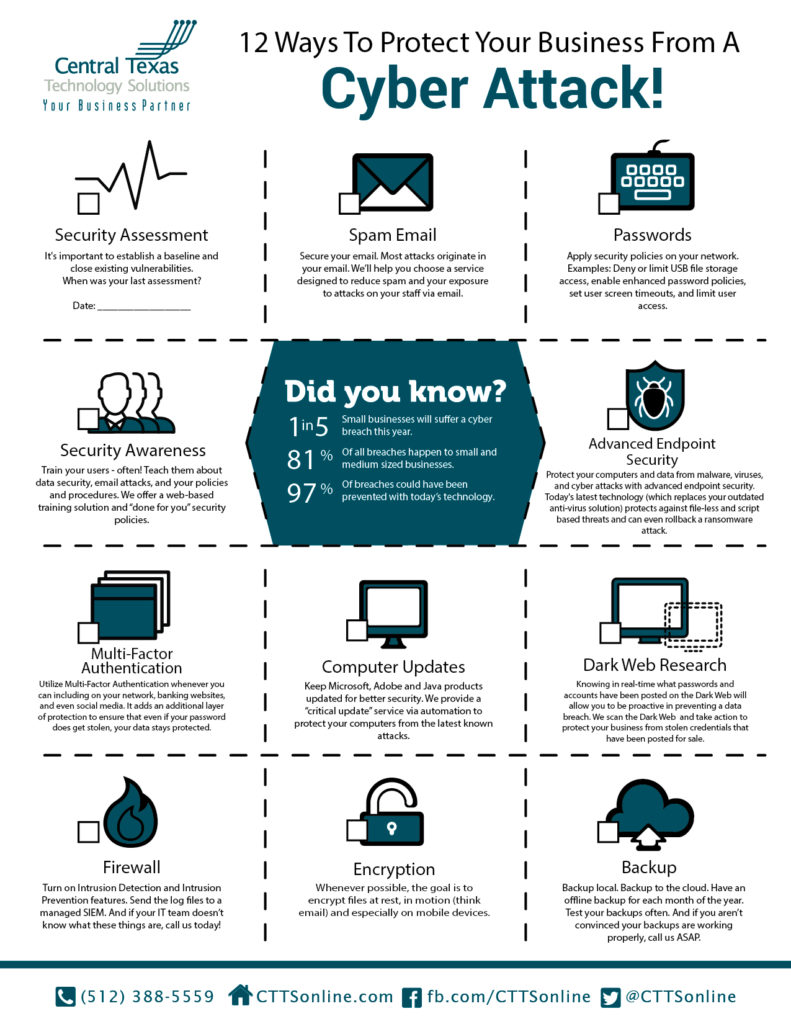
Recent intelligence synthesized from leading threat intelligence networks highlights a sobering reality: threat actors are leveraging automation, generative artificial intelligence, and sophisticated living-off-the-land techniques to bypass traditional perimeter defenses. To maintain infrastructure scalability and protect sensitive intellectual property, organizations must dissect the specific vectors threatening global commerce today. Below is the definitive breakdown of the 12 primary cybersecurity issues shaping the global economy, alongside advanced architectural strategies for mitigation.
1. Advanced Persistent Threats (APTs) and Nation-State Espionage
Nation-state actors and well-funded syndicates continue to execute highly targeted, long-term incursions into critical infrastructure and financial institutions. These APTs utilize zero-day exploits and multi-stage payloads designed to remain dormant within corporate networks.
- Mitigation Strategy: Deploy behavioral analytics and continuous endpoint monitoring to detect anomalous lateral movement before payload execution.
2. Cloud Misconfigurations and Identity Vulnerabilities
The rapid acceleration of cloud compute architecture has outpaced internal security governance. Misconfigured storage buckets, over-permissioned service accounts, and lax Identity and Access Management (IAM) policies provide frictionless entry points for attackers.
- Mitigation Strategy: Enforce strict Cloud Security Posture Management (CSPM) and implement zero-trust network access (ZTNA) principles coupled with automated privilege access management (PAM).
3. Supply Chain and Third-Party Vendor Compromises
Modern enterprises rely on complex webs of third-party software vendors and open-source libraries. A single vulnerability in an upstream vendor's dependency tree can cascade across thousands of downstream corporate networks.
- Mitigation Strategy: Conduct rigorous vendor risk assessments, maintain comprehensive Software Bills of Materials (SBOMs), and isolate third-party integrations via strict network segmentation.
4. AI-Powered Phishing and Social Engineering
Generative artificial intelligence has democratized cybercrime. Threat actors now deploy hyper-personalized, grammatically flawless phishing campaigns and real-time deepfake audio/video impersonations to manipulate employees into transferring funds or divulging credentials.
- Mitigation Strategy: Upgrade employee security awareness training with simulated AI-driven attacks and enforce phishing-resistant multi-factor authentication (MFA), such as FIDO2-compliant hardware keys.
5. Sophisticated Ransomware-as-a-Service (RaaS) Operations
Ransomware has evolved into an industrialized enterprise model complete with affiliate networks, customer support desks, and double-extortion tactics that threaten to leak proprietary financial data publicly.
- Mitigation Strategy: Establish immutable, air-gapped backups and deploy autonomous remediation agents—such as those pioneered by SentinelOne—capable of halting encryption processes at the kernel level within milliseconds.
6. Insider Threats and Intentional Data Exfiltration
Disgruntled employees, compromised credentials, and negligent contractors represent a persistent risk to proprietary corporate assets. Detecting internal data hoarding requires deep visibility into user behavior.
- Mitigation Strategy: Implement User and Entity Behavior Analytics (UEBA) to flag anomalous data access patterns, and enforce strict data loss prevention (DLP) guardrails.
7. Application Programming Interface (API) Vulnerabilities
As businesses monetize digital services through open architectures, APIs proliferate rapidly. Inadequate authentication, broken object-level authorization, and excessive data exposure make APIs prime targets for data scraping and injection attacks.
- Mitigation Strategy: Adopt automated API discovery tools, mandate token-based authentication, and subject all endpoints to continuous runtime application self-protection (RASP).
8. IoT and Operational Technology (OT) Convergence
The integration of Internet of Things (IoT) devices in smart offices and Operational Technology (OT) in industrial manufacturing creates massive blind spots. Many connected devices ship with hardcoded credentials and outdated firmware.
- Mitigation Strategy: Segment corporate IT networks entirely from OT environments, mandate regular firmware patching schedules, and deploy dedicated network discovery sensors for unmanaged devices.
9. Cryptojacking and Unauthorized Resource Utilization
Cybercriminals frequently infiltrate cloud infrastructure to deploy illicit cryptocurrency mining scripts. While data integrity may remain intact, the financial drainage on cloud compute bills and degradation of infrastructure performance is substantial.
- Mitigation Strategy: Monitor CPU utilization spikes across cloud environments and utilize host-based intrusion detection systems to flag unauthorized binary executions.
10. Shadow IT and Unsanctioned SaaS Adoption
Employees bypassing corporate procurement channels to deploy unsanctioned software-as-a-service applications introduce unvetted code and corporate data repositories outside the oversight of the CISO.
- Mitigation Strategy: Utilize Secure Access Service Edge (SASE) frameworks to monitor and govern web traffic, actively discovering and cataloging shadow IT footprints.
11. Regulatory Compliance and Data Sovereignty Deficits
The global regulatory matrix—encompassing GDPR, CCPA, and emerging AI governance acts—imposes severe financial penalties for data mismanagement. Failing to maintain data lineage and sovereignty exposes corporations to massive liabilities.
- Mitigation Strategy: Partner with legal and compliance teams to map data flows, implement automated data discovery, and retain robust audit logs for rapid regulatory reporting.
12. Alert Fatigue and Security Operations Center (SOC) Burnout
Security teams are inundated with thousands of daily alerts from disparate point solutions, leading to cognitive fatigue, missed high-priority indicators of compromise (IoCs), and high staff turnover.
- Mitigation Strategy: Consolidate the security stack onto a unified, AI-driven platform that automates triage, correlates telemetry data, and accelerates mean time to remediation (MTTR).
Verified Data & Metrics Breakdown Table
The following comparative matrix outlines the operational parameters, financial impact, and strategic mitigation benchmarks associated with the dominant cyber threats facing enterprise leadership today.
| Threat Vector | Primary Target Area | Average Enterprise Financial Impact | Recommended Mitigation Framework |
|---|---|---|---|
| Advanced Ransomware (RaaS) | Core Infrastructure & Backup Systems | $4.45 Million (Global Average) | Autonomous Endpoint Detection & Air-Gapped Immutable Backups |
| Cloud Misconfigurations | Multi-Cloud Environments (SaaS/IaaS) | $3.80 Million per Breach Incident | CSPM Implementation & Automated IAM Privilege Reviews |
| Supply Chain Compromise | Upstream Software Dependencies & Vendors | $4.80 Million + Brand Equity Erosion | SBOM Governance & Strict Vendor Risk Audits |
| AI-Driven Phishing / BEC | Corporate Finance & Executive Leadership | $1.50 Million per Successful Wire Fraud | FIDO2 MFA, AI Behavioral Training, & Out-of-Band Verification |
Industry & Market Implications: Winners and Losers
The economic ramifications of this evolving threat matrix are profound, reshaping competitive dynamics across global financial markets.
Who Wins:
- Next-Gen Cybersecurity Vendors: Companies offering autonomous, AI-driven platforms—such as SentinelOne—are capturing significant enterprise market share as legacy antivirus solutions prove obsolete.
- Cyber Insurance Underwriters with Strict Pre-Requisites: Insurers that mandate rigorous cybersecurity audits and real-time telemetry integration before issuing policies are outperforming legacy portfolios.
- Proactive Enterprise Boards: Organizations treating cybersecurity as a core strategic pillar enjoy superior enterprise valuation multiples, lower cost of capital, and enhanced customer trust.
Who Loses:
- Legacy Security Vendors: Firms reliant on manual signature updates and siloed point products are experiencing severe margin contraction and customer churn.
- Non-Compliant Executive Leadership: Boards and C-suites that treat cybersecurity as an afterthought face debilitating shareholder derivative lawsuits, regulatory fines, and reputational collapse.
Frequently Asked Questions (People Also Ask)
What is the most critical cybersecurity issue facing enterprises in 2025?
Cloud misconfigurations and identity-based vulnerabilities remain the leading entry points for unauthorized access. As hybrid and multi-cloud architectures scale, securing identities and enforcing strict least-privilege access is paramount.
How does SentinelOne mitigate the continuous wave of automated threats?
SentinelOne leverages advanced artificial intelligence and behavioral machine learning models directly at the endpoint and cloud workload level. Its autonomous agents detect anomalous activity in real time, neutralizing threats at the kernel level without requiring human intervention or cloud connectivity.
What financial metrics should boards track regarding cybersecurity?
Boards should monitor Mean Time to Detect (MTTD), Mean Time to Remediation (MTTR), percentage of IT budget allocated to proactive security architecture, third-party vendor risk scores, and cyber insurance premium adjustments.
Why are traditional antivirus solutions failing against modern cyber threats?
Traditional antivirus relies on static signatures to identify known threats. Modern threat actors utilize polymorphic malware, fileless attacks, and living-off-the-land binaries that change continuously to bypass static signature databases, necessitating behavioral AI detection.
Future Outlook and Strategic Milestones
As we look toward the horizon of enterprise technology, the convergence of autonomous artificial intelligence on both offense and defense will define the cybersecurity paradigm. Threat actors will increasingly deploy machine learning to discover zero-day vulnerabilities at scale, while enterprise security platforms must respond with instantaneous, self-healing infrastructures.
Institutional investors and executive leadership must prioritize three core milestones over the next 24 to 36 months:
- Mandatory Zero-Trust Architecture (ZTA): Transitioning from perimeter defense models to continuous verification across every user, device, and API transaction.
- Platform Consolidation: Eliminating security tool sprawl by migrating to unified, AI-native ecosystems that provide end-to-end visibility.
- Boardroom Accountability: Elevating cybersecurity metrics to core executive scorecards, ensuring risk mitigation aligns directly with capital allocation and strategic business growth.