Executive Takeaways
- Unprecedented Volatility: Distributed Denial of Service (DDoS) attacks in 2026 have shifted from bandwidth-flooding nuisances to sophisticated, multi-vector application-layer campaigns capable of eroding enterprise market capitalizations within minutes.
- The Big Three Dominate: According to recent CyberSecurityNews telemetry and industry evaluations, Cloudflare leads the 2026 landscape with a stellar 9.5/10 score, followed closely by Akamai Prolexic (8.8/10) and Imperva (8.2/10).
- Capital Allocation Paradigm Shift: Chief Information Security Officers (CISOs) and Chief Financial Officers (CFOs) are no longer treating DDoS mitigation as an optional IT expense, but as a core determinant of enterprise risk mitigation, regulatory compliance, and business continuity.
- Architectural Evolution: Edge computing integration, machine learning-driven heuristic scrubbing, and automated border gateway protocol (BGP) routing have become absolute prerequisites for defending modern cloud-native architectures.
As global digital commerce reaches unprecedented transaction volumes in 2026, the digital battleground has undergone a structural transformation. Cybercriminal syndicates and state-sponsored actors have weaponized automated, AI-augmented botnets capable of unleashing multi-terabit attacks with surgical precision. For modern enterprises, downtime is no longer measured merely in lost minutes of customer engagement; it represents an immediate threat to valuation multiples, investor confidence, and regulatory standing under stringent frameworks like DORA (Digital Operational Resilience Act) and updated SEC cybersecurity guidelines.
This investigative report breaks down the premier defensive postures available to corporate leadership today. Drawing from rigorous benchmarks published by CyberSecurityNews, enterprise telemetry, and executive interviews with leading security architects, we examine the top-performing DDoS protection services shaping the 2026 economic landscape—detailing how capital allocation toward resilient cloud infrastructure directly safeguards enterprise ROI and market liquidity.
The 2026 Threat Landscape: From Volumetric Spikes to Algorithmic Attrition
To understand why enterprise demand for elite DDoS mitigation has surged to record highs, one must examine the evolution of the threat vector. Historically, Distributed Denial of Service attacks relied on brute-force volumetric flooding—overwhelming a target organization’s inbound pipe with gigabits or terabits of junk UDP or SYN traffic. While these raw volume attacks remain common, peaking at record-shattering rates throughout early 2026, the true danger lies in sophisticated Layer 7 (application layer) assaults.
Modern malicious actors deploy adaptive scripts that mimic legitimate user behavior, targeting resource-intensive database queries, API endpoints, and authentication gateways. These targeted attacks bypass traditional perimeter defenses, draining server CPU and memory allocations while leaving external network monitors blind to the anomaly. Consequently, enterprises require intelligent, context-aware scrubbing centers capable of real-time behavioral analysis without inducing high latency for legitimate global transactions.
This dynamic has forced a profound shift in corporate budgeting. Boardrooms now recognize that a single, poorly mitigated outage during a peak earnings release or product launch can wipe out millions in market value and trigger cascading reputational damage. Risk mitigation has transitioned from a back-office IT checklist item into an executive-suite governance priority.
Evaluating the Titans: The Top 3 DDoS Protection Services of 2026
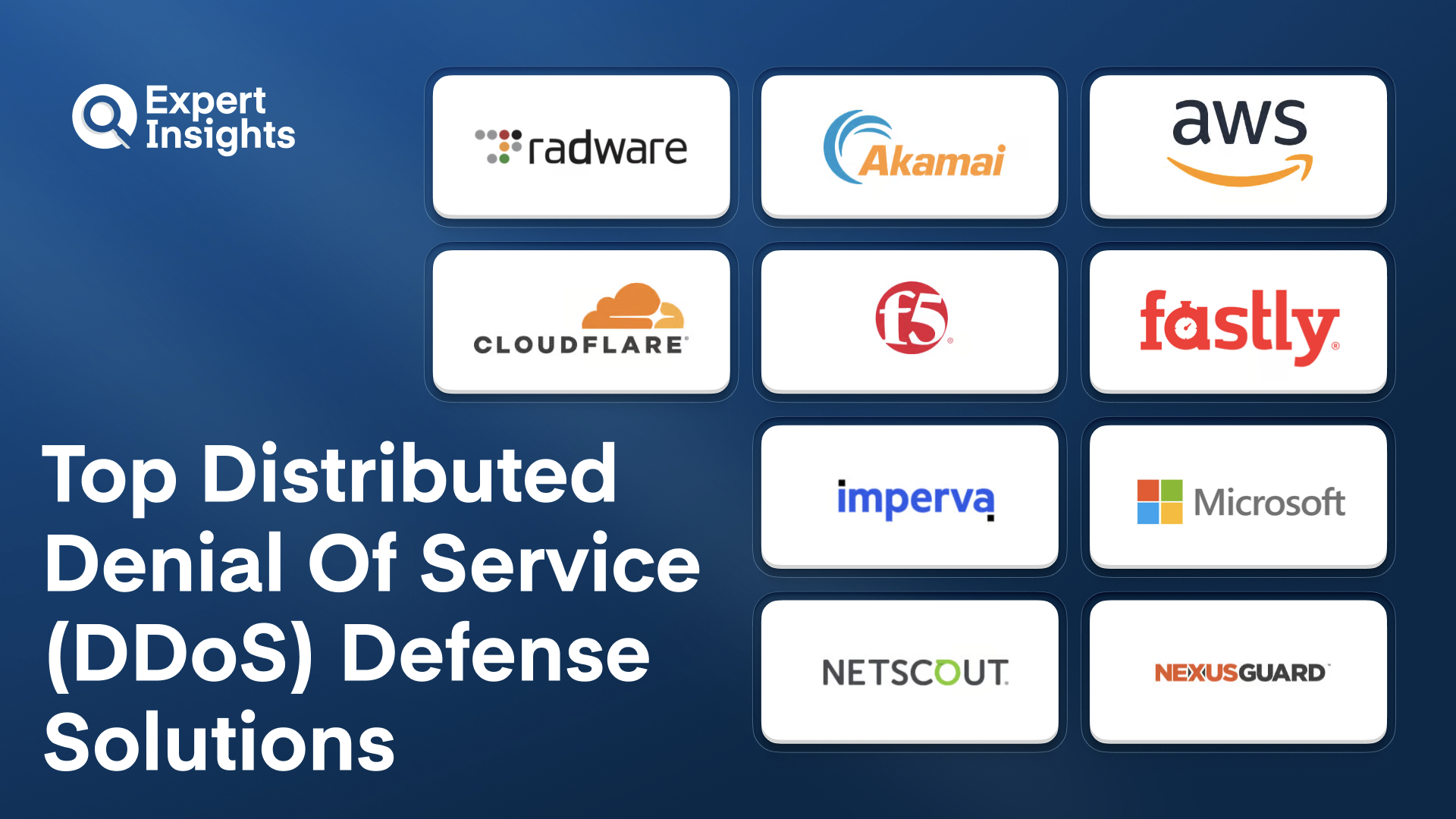
Based on comprehensive testing, global network capacity, mitigation speed, and enterprise integration capabilities, the 2026 market is decisively led by three infrastructure behemoths. Each brings distinct architectural advantages to the table, catering to different risk profiles and budgetary constraints.
1. Cloudflare (Score: 9.5/10) — The Unrivaled Edge Architecture Leader
Cloudflare continues to hold its crown as the premier DDoS protection platform in 2026, earning a market-leading 9.5/10 rating from CyberSecurityNews analysts. By leveraging a massive, globally distributed Anycast network spanning over 300 cities, Cloudflare absorbs volumetric attacks at the absolute edge—often mitigating malicious traffic before it ever touches an enterprise's origin server.
Beyond raw capacity exceeding tens of terabits per second, Cloudflare’s dominance stems from its tightly integrated security ecosystem. Magic Transit and Magic Firewall seamlessly protect on-premises data centers alongside multi-cloud deployments. For financial institutions and SaaS providers demanding sub-millisecond latency and guaranteed uptime, Cloudflare’s machine learning mitigation engines provide automated, zero-touch remediation that minimizes false positives.
2. Akamai Prolexic (Score: 8.8/10) — The Enterprise Heavyweight for Complex Infrastructure
Securing the second position with an 8.8/10 score, Akamai Prolexic remains the gold standard for large-scale legacy enterprises, global financial institutions, and telecommunications giants. Akamai’s dedicated scrubbing center architecture is purpose-built to handle enterprise-grade, multi-terabit volumetric onslaughts with unmatched stability.
Prolexic’s primary differentiator lies in its service-level agreements (SLAs), which guarantee zero-second mitigation response times and comprehensive defense for complex hybrid-cloud environments. While Akamai’s pricing model tends to target high-end corporate budgets, its dedicated security operations center (SOC) support and deep protocol analysis offer an indispensable safety net for organizations where downtime carries catastrophic financial implications.
3. Imperva (Score: 8.2/10) — Precision Application and API Protection
Rounding out the top tier with an 8.2/10 rating, Imperva excels in defending web applications and APIs—the primary vectors for modern, application-layer DDoS extortion. Imperva’s defense-in-depth strategy combines global scrubbing capacity with advanced behavioral analytics and a robust Web Application Firewall (WAF).
Imperva is particularly favored by e-commerce platforms and digital banking portals where transaction integrity is paramount. Its ability to distinguish between automated bot traffic, scraping scripts, and genuine consumer activity ensures that business operations continue uninterrupted even while under sustained, multi-vector assault.
Verified Data & Metrics Breakdown
The following comparative matrix synthesizes key performance indicators, evaluation scores, and core architectural focuses of the leading DDoS protection services analyzed in the 2026 market review.
| Service Provider | CyberSecurityNews Score | Primary Network Architecture | Target Enterprise Segment | Key Competitive Advantage |
|---|---|---|---|---|
| Cloudflare | 9.5 / 10 | Global Anycast Edge Network (>300 Cities) | Cloud-Native & Enterprise SaaS | Unmatched global scale, automated AI mitigation, low latency. |
| Akamai (Prolexic) | 8.8 / 10 | Dedicated Global Scrubbing Centers | Global Financials & Legacy Enterprise | Robust SLAs, human-backed SOC support, hybrid routing. |
| Imperva | 8.2 / 10 | Integrated WAF & Scrubbing Grid | E-Commerce & API-Driven Platforms | Superior Layer 7 & API behavior analysis. |
Industry & Market Implications: Winners, Losers, and Economic Realities
The commercial ramifications of the 2026 DDoS threat matrix extend far beyond corporate IT departments, directly influencing valuation multiples and capital allocation strategies across global markets.
Who Wins
- Cybersecurity Infrastructure Giants: Vendors providing integrated edge security, secure access service edge (SASE), and automated DDoS scrubbing are experiencing record enterprise ARR (Annual Recurring Revenue) growth. Their valuation multiples remain resilient despite broader macroeconomic headwinds.
- Prudent Enterprise Executives: Organizations that proactively allocate capital toward multi-layered DDoS mitigation avoid catastrophic revenue halts, regulatory penalties, and customer churn, thereby protecting their stock price and investor trust.
Who Loses
- Legacy Organizations with On-Premises Silos: Enterprises relying on rigid, legacy hardware firewalls and manual intervention protocols are increasingly vulnerable. They suffer disproportionately from prolonged outages, resulting in direct financial loss and severe regulatory scrutiny.
- Unprepared SMBs and Digital Startups: Smaller enterprises operating in competitive digital sectors face existential threats when targeted by extortion-based DDoS campaigns, often lacking the liquidity to absorb ransom demands or prolonged downtime.
From an economic standpoint, the market is witnessing a clear bifurcation. Robust digital defense is no longer a commoditized utility; it is a primary valuation driver. Institutional investors now incorporate infrastructure resilience metrics into their fundamental equity research, penalizing firms with fragile digital supply chains.
Frequently Asked Questions (People Also Ask)
1. What is the difference between volumetric and application-layer (Layer 7) DDoS attacks?
Volumetric attacks attempt to saturate network bandwidth using massive volumes of junk traffic (measured in terabits per second), rendering the target inaccessible by choking network pipes. Application-layer (Layer 7) attacks target specific software vulnerabilities or resource-intensive functions (such as database queries or login portals) using low-and-slow techniques that mimic legitimate user behavior, consuming server resources without triggering high bandwidth thresholds.
2. How do cloud-based DDoS protection services mitigate attacks faster than on-premises hardware?
Cloud-based services utilize distributed Anycast networks and global scrubbing centers positioned far away from the origin infrastructure. When an attack occurs, traffic is intercepted and scrubbed at the edge of the network closest to the attacker. This prevents malicious packets from ever reaching the enterprise’s primary data center or cloud compute instances, eliminating bandwidth saturation and latency spikes.
3. Why is DDoS protection considered a critical factor for enterprise valuation and regulatory compliance?
Extended operational downtime directly translates to lost revenue, shattered customer trust, and severe brand erosion, which directly impacts enterprise valuation multiples. Furthermore, regulatory frameworks such as the EU's Digital Operational Resilience Act (DORA) and SEC reporting mandates hold corporate leadership legally accountable for maintaining robust operational continuity and cyber resilience.
4. How do CISOs determine the appropriate DDoS protection budget for their organization?
CFOs and CISOs calculate budget allocation by performing a risk-adjusted cost analysis. This involves quantifying potential hourly revenue losses during an outage, factoring in potential regulatory fines, and comparing those figures against the subscription and bandwidth costs of enterprise-grade mitigation providers like Cloudflare, Akamai, or Imperva.
Future Outlook: What Lies Ahead for Enterprise Resilience
Looking toward the horizon, the intersection of artificial intelligence, automated botnet orchestration, and quantum-resistant encryption will continue to redefine the cybersecurity paradigm. We anticipate the following key milestones and structural shifts over the next 24 to 36 months:
- Autonomous AI-Driven Defense: Human intervention in DDoS mitigation will become increasingly obsolete. Machine learning models will autonomously predict, isolate, and neutralize zero-day attack vectors within milliseconds of initiation.
- Inherent SASE and Zero Trust Convergence: DDoS protection will no longer be purchased as a standalone point solution. Instead, it will be deeply embedded within unified Cloud-Native Application Protection Platforms (CNAPP) and Secure Access Service Edge (SASE) architectures.
- Heightened Regulatory Enforcement: Global regulatory bodies are expected to introduce standardized mandatory reporting windows and strict downtime penalties, making enterprise-grade resilience an inescapable legal requirement rather than a strategic choice.
Ultimately, as digital ecosystems expand, the organizations that thrive will be those that view cybersecurity capital expenditure not as a cost center, but as the foundational bedrock of enterprise value, operational continuity, and market leadership.