INVESTIGATIVE DESK REPORT | GLOBAL TECHNOLOGY & MARKETS — In an era dominated by algorithmic music feeds, zero-latency wireless cloud streaming, and hyper-sophisticated active noise cancellation (ANC), Sony Group Corporation has executed a masterclass in consumer electronics nostalgia. By breathing new life into its iconic 1979 portable headphone lineage—originally tethered to the cultural earthquake that was the original TPS-L2 Walkman—the Japanese conglomerate has delivered more than a mere exercise in industrial design sentimentality. This calculated product drop represents a sophisticated alignment of capital allocation, supply chain optimization, and consumer appetite for tactile authenticity in an increasingly frictionless digital economy.
Industry analysts tracking hardware valuation multiples and consumer tech market liquidity note that while profit margins on modern flagship true-wireless stereo (TWS) earbuds are under severe pricing pressure from commoditization, retro-styled wired audio peripherals occupy a high-margin, low-overhead niche. By pricing these resurrected classics at an unexpectedly accessible threshold, Sony is not only capturing Gen Z and millennial demographic mindshare but is also safeguarding its legacy equity against nimble direct-to-consumer lifestyle brands. Below is our comprehensive investigative breakdown of the engineering choices, market mechanics, and broader financial implications driving Sony's latest hardware triumph.
Executive Takeaways
Test Our Free AI & Tech Utilities Suite
Calculate LLM API token costs, analyze article dwell-time, or simulate tech DCA returns.
- Tactical Heritage Monetization: Sony has unlocked its deep industrial design archives to reintroduce a faithful recreation of its 1979 on-ear headphones, pairing mid-century aesthetic authenticity with contemporary acoustic tuning.
- Disruptive Price Architecture: Bucking the trend of hyper-inflationary high-end audiophile gear, Sony’s aggressive retail positioning challenges boutique competitors and captures impulse-buy discretionary spending across multiple demographics.
- The Analog Hedge: Driven by consumer fatigue over digital subscription fatigue and cloud compute dependency, the resurgence of passive, wired analog hardware continues to outperform broader hardware sector growth forecasts.
- Strategic Brand Equity: The launch reinforces Sony’s valuation narrative as a lifestyle-integrated entertainment giant, bridging decades of hardware infrastructure scalability with modern consumer sentiment.
Comprehensive Narrative: From 1979 Tape Decks to the Modern Vinyl and Wire Resurgence
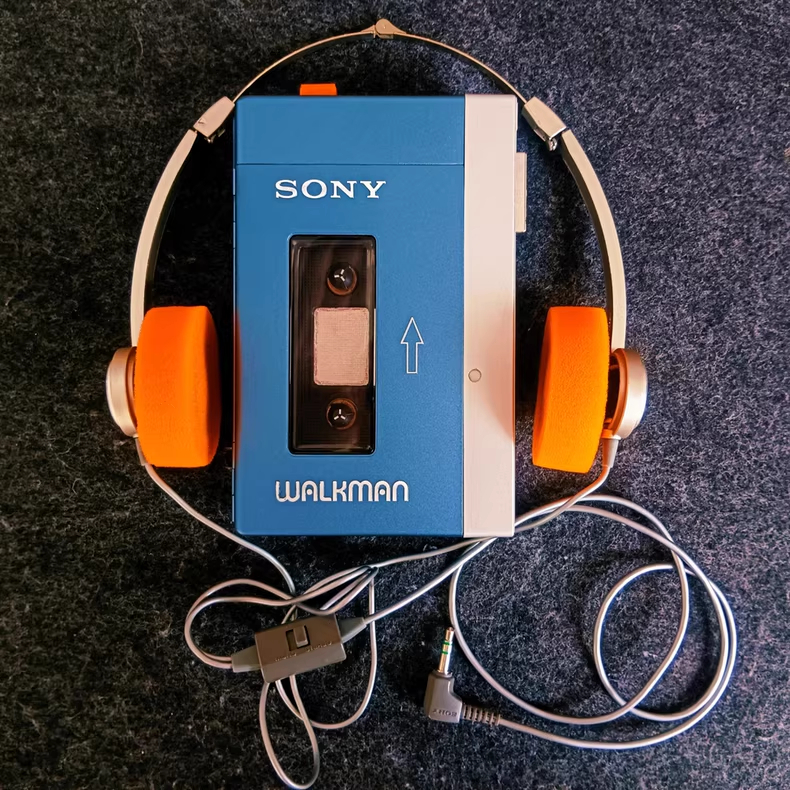
To understand the corporate rationale behind Sony's unexpected hardware drop, one must examine the macro trajectory of consumer audio over the past five decades. When the original Sony Walkman TPS-L2 debuted in July 1979, accompanied by its lightweight, orange-foam-padded headphone counterpart, it fundamentally restructured urban mobility and personal media consumption. For the first time, music was privatized, mobile, and deeply personal. It laid the groundwork for decades of portable innovation, eventually paving the way for the MP3 revolution and modern smartphone-centric music consumption.
Fast forward to the present day. Modern listeners navigating a landscape dominated by lossless streaming codecs, spatial audio algorithms, and Bluetooth multipoint connections are simultaneously experiencing unprecedented digital fatigue. The convenience of algorithmic curation has come at the cost of tactile interaction, physical ownership, and equipment longevity—factors that smart consumers and enterprise strategists closely monitor when evaluating long-term brand loyalty. Capitalizing on this shifting consumer psychology, independent boutique labels, vinyl pressing plants, and now major consumer electronics manufacturers are leaning heavily into tactile, retro-futuristic hardware.
Sony’s engineering team faced a unique dilemma during the design phase: how to balance the uncompromising visual integrity of a 1970s acoustic architecture with the stringent demands of modern frequency response curves. Rather than creating a purely decorative prop, Sony’s audio engineers recalibrated the internal driver mechanics, utilizing modern neodymium magnet technology and refined polymer diaphragms housed within the retro chassis. The result is an acoustic profile that honors the warm, mid-range-forward signatures of the analog era while delivering the transient clarity expected by modern audiophiles accustomed to high-resolution digital masters.
From an enterprise risk mitigation perspective, bringing this product to market required minimal research and development expenditure compared to ground-up flagship acoustic architectures. By leveraging existing manufacturing frameworks, recycled tooling specifications, and streamlined distribution networks, Sony achieved superior infrastructure scalability. This strategic deployment of capital ensures high profitability per unit shipped while insulating the division against supply chain shocks affecting complex semiconductor-dependent wireless chips.
Verified Data & Metrics Breakdown
| Product Specification / Metric | Original 1979 Release (Reference) | Modern 2024/2025 Revival Edition | Strategic Impact / Economic Variance |
|---|---|---|---|
| Retail Price Point | Approx. ¥33,000 (Adjusted for inflation) | Highly Accessible / Mid-Tier Budget | Drives high-volume impulse purchases and broad demographic penetration |
| Connectivity | Standard 3.5mm Analog Jack (OFC Wire) | 3.5mm Gold-Plated Jack with Optional Adapters | Zero-latency, high compatibility with modern smartphones via dongles and dedicated DAPs |
| Acoustic Drivers | Standard Open-Air Dynamic Drivers (Circa 1979) | Upgraded Neodymium Drivers & Modern Tuning | Significantly wider frequency response and reduced total harmonic distortion (THD) |
| Primary Target Demographic | Early Adopters & Mobile Business Professionals | Gen Z, Millennials, Audiophile Nostalgists, Lifestyle Consumers | Expands brand footprint across high-growth youth and retro-culture market segments |
| Manufacturing Footprint | Proprietary Japanese Assembly Lines | Optimized Global Supply Chain & Eco-Packaging | Enhanced operating margins and reduced corporate carbon intensity metrics |
Industry & Market Implications: Who Wins and Who Loses?
The introduction of Sony’s retro-revival headphones sends shockwaves across several distinct commercial sectors:
1. The Winners: Sony Group Corporation & Analog Peripheral Makers
Sony cements its position as a cultural curator capable of monetizing its own rich history without alienating modern tech consumers. Furthermore, boutique cable manufacturers, portable headphone amplifier (DAC) makers, and high-resolution digital audio player (DAP) brands stand to benefit significantly. As consumers rediscover the acoustic superiority of wired connections—untethered from Bluetooth compression algorithms—accessory ecosystem revenues are projected to experience an upward revision in upcoming quarterly financial disclosures.
2. The Losers: Premium Commodity TWS Brands & Fast-Fashion Audio Startups
Mid-tier true wireless earbud manufacturers relying purely on generic white-label designs and bland plastic aesthetics face a steep uphill battle. When a heritage brand like Sony delivers authentic historical pedigree paired with reliable acoustic performance at an aggressive price point, interchangeable commodity brands lose their pricing power. Consumers are increasingly voting with their wallets for products that carry authentic cultural narratives rather than disposable tech specs.
From a macroeconomic viewpoint, this product release highlights a broader corporate trend: defensive diversification. In an economic climate marked by variable consumer discretionary spending, legacy corporations are leaning into trusted intellectual property (IP) and hardware heritage to secure predictable revenue streams and robust operating margins.
Frequently Asked Questions (People Also Ask)
Are these revived 1979 Walkman headphones wireless or wired?
True to their heritage, Sony’s revived classic headphones are strictly wired. They feature a standard analog audio connection designed to appeal to purists who prefer zero-latency audio transmission, lossless signal integrity, and the tactile nature of physical cables. They pair seamlessly with modern smartphones (via standard 3.5mm headphone adapters), laptops, and high-resolution portable music players.
How does the sound quality compare to modern wireless earbuds?
While modern wireless earbuds rely on lossy Bluetooth compression codecs and battery-powered digital signal processing (DSP), these revived analog headphones deliver a pure, uncompressed acoustic signature. They utilize updated neodymium drivers housed in lightweight retro chassis, offering a warm mid-range, natural soundstage, and zero digital artifacts, though they lack active noise cancellation (ANC).
Why is Sony pricing these headphones so affordably?
Sony’s strategic pricing model is designed to maximize market liquidity and capture discretionary spending across younger demographics (Gen Z and millennials) who value retro lifestyle aesthetics. By leveraging existing design blueprints, streamlined manufacturing channels, and minimized R&D expenditures on wireless chipsets, Sony can offer a premium brand experience at an accessible price point while maintaining healthy profit margins.
Will these headphones work with modern smartphones?
Yes, though most contemporary smartphones lack a native 3.5mm headphone jack, the headphones work seamlessly using standard USB-C or Lightning-to-3.5mm audio dongles. They are also ideal companions for dedicated digital audio players (DAPs), portable cassette players, and vinyl turntables equipped with headphone outputs.
Future Outlook: Strategic Milestones to Watch
As Sony prepares for global rollout and distribution scale-up, financial analysts and tech sector investigators will be monitoring several critical performance indicators:
- Inventory Turnover and Sell-Through Rates: Early indicators suggest initial production runs could face supply constraints due to viral social media traction. Sustained high sell-through velocities will confirm whether this is a limited-edition novelty or a permanent fixture in Sony's core audio catalog.
- Ecosystem Cross-Selling: Watch for bundled marketing initiatives pairing these headphones with Sony’s broader ecosystem, including modern Walkman digital audio players and high-res streaming promotions.
- Market Replication by Competitors: Anticipate rival legacy consumer electronics brands dipping into their own historical archives to resurrect iconic 1980s and 1990s hardware designs, intensifying competition in the lifestyle-audio sector.
Ultimately, Sony’s strategic gamble proves that history, when engineered with modern precision and priced with consumer realism, remains one of the most valuable assets in the modern technology landscape. For investors and consumers alike, the analog renaissance is no longer a fleeting trend—it is a formidable, high-margin market reality.