Executive Takeaways
- Federal Reserve Stasis: The Federal Open Market Committee (FOMC) opted to hold the benchmark interest rate steady, maintaining a restrictive policy posture amid persistent core inflation stickiness and resilient labor market data.
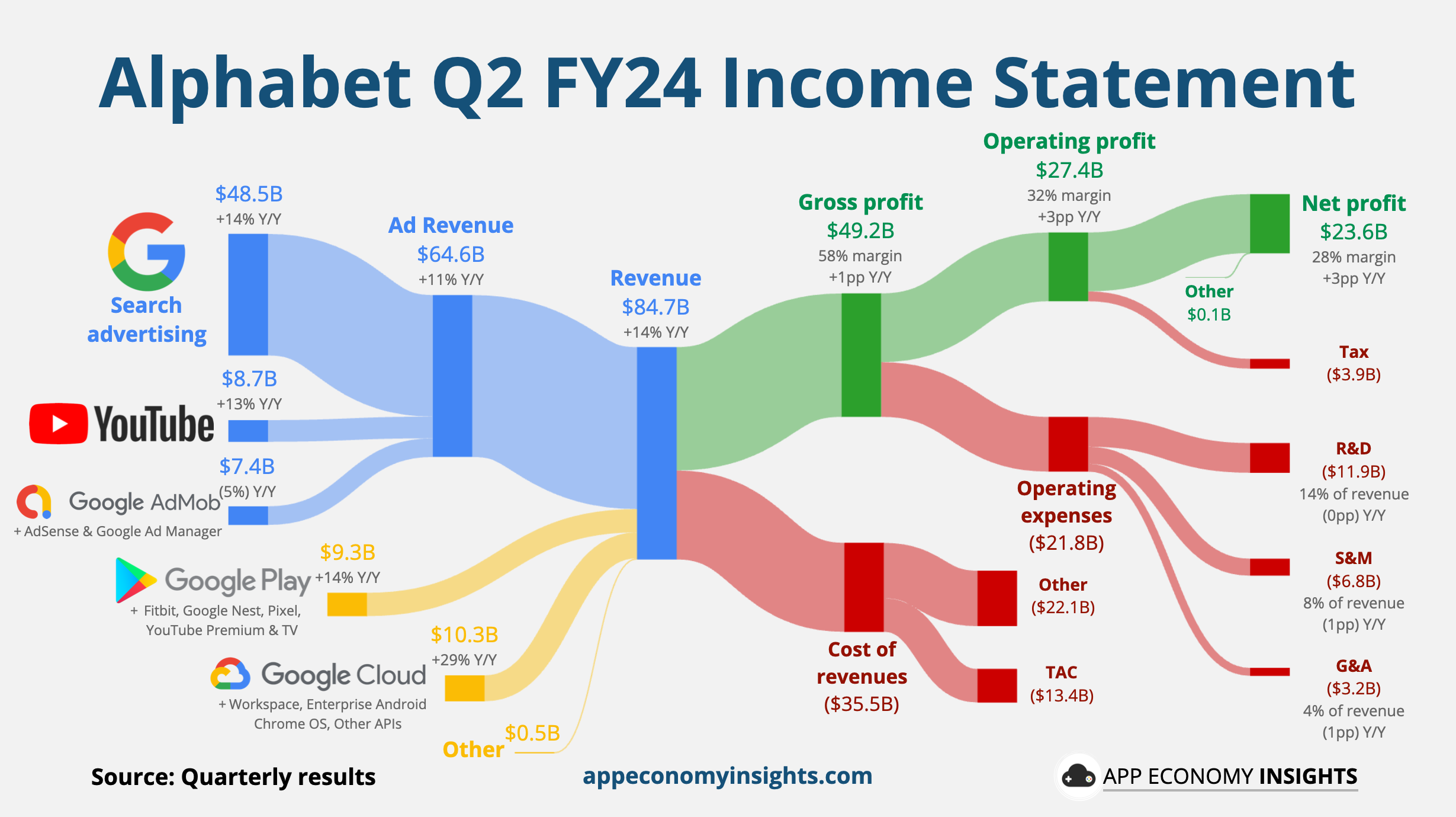
- The Megacap Earnings Crucible: Wall Street digested pivotal quarterly financial reports from artificial intelligence heavyweights Microsoft and Alphabet, focusing intensely on cloud compute architecture utilization and enterprise ROI.
- Choppy Market Resilience: Despite intraday volatility and aggressive sector rotation, US equities finished the Wednesday session higher, underscoring underlying market liquidity and institutional demand for high-conviction growth assets.
- The Infrastructure Squeeze: Capital expenditure (CapEx) outlays directed toward generative AI infrastructure scaling have triggered heightened scrutiny regarding margin compression and near-term cash flow conversion timelines.
NEW YORK — Wall Street navigated a tense, high-stakes convergence of monetary policy and corporate performance this week, as the Federal Reserve opted to hold benchmark interest rates steady while global markets digested a critical slate of mega-cap technology earnings. The simultaneous arrival of these macro and micro catalysts has created a definitive inflection point for equity markets, forcing portfolio managers and institutional allocators to reassess risk mitigation strategies, valuation multiples, and the monetization trajectory of the generative artificial intelligence boom.
The latest policy decision from the central bank, arriving against a backdrop of complex economic crosscurrents, confirmed that monetary authorities are in no immediate hurry to loosen financial conditions. Concurrently, the financial disclosures from bellwethers Microsoft and Alphabet provided the ultimate stress test for the market's prevailing narrative: whether unprecedented capital allocation toward data center expansion and semiconductor procurement can generate the enterprise ROI required to justify lofty market valuations.
Macroeconomic Stasis: Decoding the Federal Reserve's Holding Pattern
Test Our Free AI & Tech Utilities Suite
Calculate LLM API token costs, analyze article dwell-time, or simulate tech DCA returns.
The Federal Reserve’s decision to maintain its current target range for the federal funds rate was largely priced into short-term Treasury futures, yet the accompanying policy statement and forward guidance sent ripples through fixed-income and equity trading desks. Central bank officials, led by Chairman Jerome Powell, underscored that while disinflationary trends remain intact, the last mile of the journey toward the 2% price stability target continues to present stubborn challenges.
For equity markets, a steady rate environment operates as a double-edged sword. On one hand, the absence of an immediate monetary easing cycle denies growth stocks the valuation tailwind traditionally associated with falling discount rates. On the other hand, the pause signals that the US economy has avoided a hard landing, sustaining corporate earnings power even as borrowing costs remain elevated. Institutional risk-management desks have responded by recalibrating their duration exposure, rotating between defensive value sectors and secular growth engines as macroeconomic data prints dictate short-term sentiment.
Market liquidity remains robust, yet the cost of capital continues to exert a profound gravitational pull on corporate strategy. Companies with pristine balance sheets and high free cash flow conversion—predominantly found within the top tier of the technology index—retain a distinct competitive moat. Conversely, capital-intensive enterprises with heavy leverage face mounting pressure to demonstrate operational efficiency and disciplined capital allocation.
The Megacap Earnings Test: Cloud Compute, AI Capex, and Enterprise ROI

While the central bank dictated the macroeconomic ceiling, earnings reports from Microsoft and Alphabet set the microeconomic floor. These financial updates served as real-time proxies for the global technology sector's multi-billion-dollar bet on artificial intelligence infrastructure scalability.
Investors scrutinized Azure and Google Cloud revenue growth figures with microscopic precision, seeking definitive proof that enterprise clients are transitioning from exploratory AI pilots to full-scale, production-grade deployments. The commercialization of generative AI tools has accelerated top-line expansion, but it has simultaneously unleashed an unprecedented wave of capital expenditure. Data center construction, specialized semiconductor procurement, and energy grid integration have driven CapEx figures to historic highs.
Wall Street analysts are increasingly pressing executive leadership teams on the timeline for margin normalization. While secular tailwinds remain powerful, institutional shareholders are demanding greater transparency regarding the payback period on these massive infrastructure outlays. The core debate centers on whether the current wave of hardware and software investments will yield enduring enterprise software monopolies or result in commoditized computing power subject to aggressive pricing pressure.
Market Dynamics: Choppy Sessions and Sector Rotation
The trading week reflected the nervous tension of investors weighing macro headwinds against tech earnings expectations. US stocks finished the Wednesday session higher following a choppy, bidirectional session that saw major indices swing between modest gains and losses as algorithms digested incoming headlines.
| Catalyst / Metric | Current Status | Market Impact & Strategic Implications |
|---|---|---|
| Federal Reserve Policy | Rates Held Steady | Maintains restrictive financial conditions; caps valuation multiple expansion for speculative growth. |
| Big Tech Earnings (MSFT, GOOGL) | Mixed / Heavy CapEx | Highlights robust cloud demand tempered by escalating data center infrastructure expenditures. |
| Equity Index Performance | Finished Higher (Wednesday) | Demonstrates underlying institutional resilience and dip-buying appetite despite intraday chop. |
| AI Infrastructure Scalability | High Capex Intensity | Increases scrutiny on near-term cash flow conversion and long-term enterprise software ROI. |
Intraday volatility has become the hallmark of the current trading environment. As institutional funds rebalance portfolios ahead of upcoming economic prints and subsequent earnings releases from remaining Magnificent Seven components, sector rotation has accelerated. Capital has periodically flowed out of crowded mega-cap momentum trades and into defensive sectors, small-cap value equities, and cyclical industries poised to benefit from an eventual easing cycle.
However, the gravitational pull of big tech remains formidable. Because index weighting is heavily concentrated in a handful of capital-efficient giants, the broader market's trajectory remains inextricably linked to the earnings health and guidance of these select corporate titans.
Industry & Market Implications: Winners, Losers, and Economic Ripples
The simultaneous pressures of steady interest rates and massive technology investments create distinct bifurcations across the global economy:
- Winners: Enterprise software leaders with embedded AI ecosystems, semiconductor manufacturers supplying next-generation compute architecture, and corporate entities possessing strong balance sheets insulated from higher borrowing costs. Cloud service providers capable of achieving operating leverage amidst high demand also maintain a structural advantage.
- Losers: Highly leveraged, capital-intensive businesses reliant on continuous debt refinancing face mounting margin pressures in a higher-for-longer rate environment. Additionally, tech firms failing to demonstrate clear ROI on their generative AI outlays risk swift punitive sell-offs from institutional shareholders.
- Broader Economic Impact: The massive capital expenditure cycle deployed by hyperscalers is effectively reshaping commercial real estate (via data center development), energy markets (through power purchase agreements for renewable and nuclear energy), and labor markets, where specialized engineering talent commands premium compensation.
Frequently Asked Questions (People Also Ask)
Why did the Federal Reserve decide to hold interest rates steady?
The FOMC maintained its benchmark rate to balance ongoing progress against inflation with a surprisingly resilient labor market and sustained economic growth. By keeping policy restrictive, the central bank aims to ensure that inflation sustainably converges to its 2% target without triggering an economic downturn.
How are big tech earnings impacting the broader stock market?
Mega-cap tech earnings serve as the primary engine for major equity indices. Strong cloud revenue growth and expanding AI monetization drive broader market optimism, while concerns regarding escalating capital expenditures and margin compression can trigger rapid sector-wide volatility and pullbacks.
What does "AI Capex intensity" mean for investors?
AI CapEx intensity refers to the massive financial outlays technology companies are dedicating toward building data centers, acquiring specialized chips, and securing power infrastructure. For investors, high intensity means short-term pressure on cash flows, requiring companies to eventually prove that these investments deliver substantial, sustainable enterprise ROI.
How does a steady interest rate environment affect stock market valuations?
A "higher-for-longer" rate environment limits the expansion of price-to-earnings (P&E) multiples, particularly for long-duration growth equities. Because future corporate cash flows are discounted at a higher rate, investors place a much greater premium on current profitability, free cash flow conversion, and balance sheet strength.
Future Outlook: Strategic Milestones to Watch
As the market moves past this week's binary events, institutional focus is rapidly shifting toward the upcoming macroeconomic data releases and the remaining corporate earnings calendar. Key indicators to monitor include upcoming employment reports, monthly Consumer Price Index (CPI) prints, and signals from Federal Reserve officials regarding the timing of future policy adjustments.
For the technology sector, the ultimate test will lie in the coming quarters' operational metrics. Investors will demand quantitative evidence that enterprise AI adoption is translating into durable, high-margin software revenue rather than temporary hardware-driven cycles. Risk mitigation, selective capital allocation, and rigorous fundamental analysis will remain the foundational pillars for institutional asset managers navigating this complex financial landscape.