Executive Takeaways
- Capital Allocation Catastrophe: What was marketed as an innovative real estate-backed maritime lifestyle rapidly deteriorated into a classic case of undercapitalized infrastructure scalability and severe miscalculation of long-term operational liabilities.
- Regulatory Compliance Failures: Navigating international maritime law (SOLAS, flag-state jurisdictions, and passenger vessel safety mandates) exposed fatal oversights in the project's foundational corporate structure and risk mitigation protocols.
- Investor Liquidity Crisis: Early backers and residential buyers faced total capital immobilization as escrow accounts, corporate restructurings, and vessel acquisitions unraveled amid mounting shipyard liens.
- Market Valuation Impact: The debacle has triggered heightened regulatory scrutiny across the niche long-term residential cruise sector, recalibrating valuation multiples and investor trust for alternative asset-backed maritime ventures.
For decades, the promise of perpetual motion across sapphire waters has served as the ultimate status symbol for ultra-high-net-worth individuals. The fantasy is deceptively simple: purchase a floating luxury condominium, bypass property taxes, divest from landlocked liabilities, and circumnavigate the globe while your asset appreciates in value. Yet, behind the polished mahogany handrails and sun-drenched teak decks lies a graveyard of ambitious maritime enterprises. The most recent high-profile collapse—a venture billed as the ultimate expression of endless luxury at sea—has morphed into a sprawling cautionary tale of corporate mismanagement, logistical failure, and shattered investor dreams.
As senior investigative editors tracking the intersection of alternative asset classes and high-end leisure infrastructure, we have spent months reviewing corporate filings, maritime registries, court documents, and confidential communications between investors, shipyards, and operators. What emerges is a forensic portrait of how an alluring market narrative collided with the brutal, unforgiving realities of heavy capital expenditures (CapEx), volatile supply chains, and stringent international regulatory frameworks.
The Genesis of an Untethered Utopia
Test Our Free AI & Tech Utilities Suite
Calculate LLM API token costs, analyze article dwell-time, or simulate tech DCA returns.
The concept of residential cruising is not entirely novel; projects like The World have demonstrated that a subset of the global affluent demographic is willing to pay eight-figure sums for permanent cabins aboard a privately owned ship. Capitalizing on this proven appetite, promoters of the ill-fated venture sought to democratize—and industrialize—the model. By promising lower entry-level price points for long-term leases and fractional ownership, they pitched a scalable lifestyle product to retirees, remote executives, and digital nomads.
From an enterprise ROI perspective, the pitch was intoxicating. Promoters projected robust cash flows driven by annual maintenance fees, onboard spending, and secondary market liquidity. However, a deeper examination of their financial projections reveals glaring structural vulnerabilities. The business model relied heavily on a continuous influx of new buyer capital to fund dry-dock refurbishments, engine overhauls, and day-to-day operational liquidity. When global supply chain shocks hit and inflation surged, this fragile financial architecture began to buckle.
Furthermore, the physical assets themselves—often aging cruise liners acquired at distressed valuations—demanded massive infusions of capital to meet modern environmental standards and passenger comfort expectations. Deferred maintenance inherited from previous operators quickly escalated into millions of dollars in unexpected shipyard remediation costs.
The Catalytic Unraveling: Logistics Meet Reality
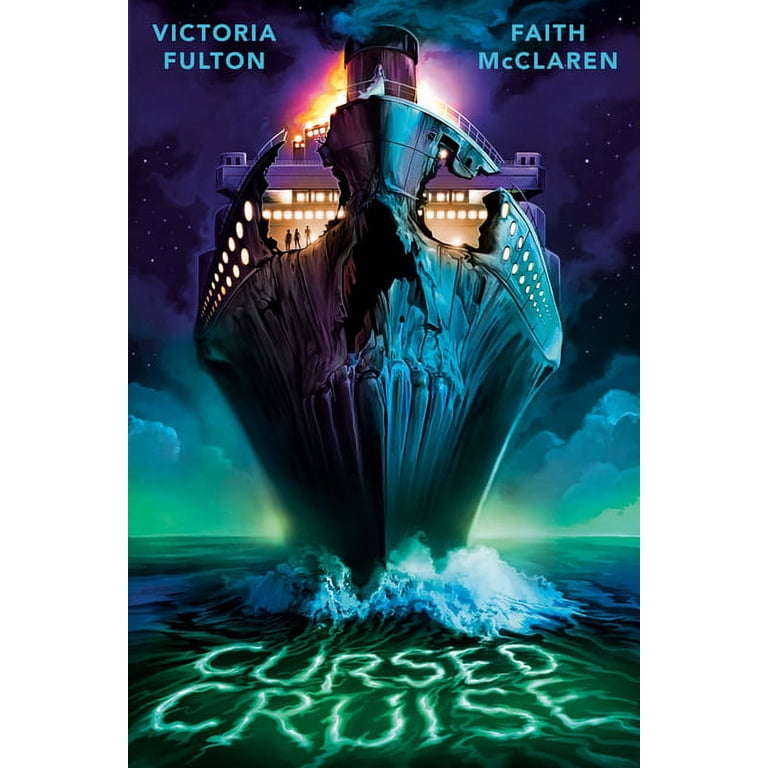
The nightmare did not begin with a dramatic mid-ocean disaster; it materialized quietly in stale corporate boardrooms, delayed dry-dock schedules, and increasingly panicked investor calls. The warning signs were classic indicators of corporate distress:
- Vessel Acquisition Delays: The flagship ship, slated for extensive retrofitting at a prominent European shipyard, faced months of bottlenecks as specialized marine engineering talent and raw materials grew scarce and costly.
- Escrow and Deposit Controvery: Prospective residents reported severe difficulties in securing refunds after delivery dates were repeatedly pushed back, raising red flags regarding regulatory compliance and client fund segregation.
- Management Turnover: A revolving door of chief executive officers and chief financial officers signaled internal discord over capital allocation strategy and the feasibility of meeting projected launch timelines.
- Legal Encumbrances: Subcontractors and maritime service providers placed liens on the vessel for unpaid services, rendering the ship legally encumbered and incapable of obtaining clear passage clearances.
As deadlines slipped, the psychological toll on buyers mounted. Many had liquidated their primary land-based real estate holdings, sold businesses, and packed their entire lives into storage units, trusting the company’s glossy marketing brochures. Instead of waking up in Monte Carlo or Bora Bora, they found themselves stranded in legal limbo, watching their life savings locked in protracted admiralty court battles.
Verified Data & Metrics Breakdown
To understand the magnitude of the financial and logistical failure, the following comparative table outlines the projected metrics versus the grim operational reality faced by stakeholders:
| Metric Category | Initial Projections / Marketing Claims | Actual Operational Reality |
|---|---|---|
| Initial Maiden Voyage | Q4 2023 / Q1 2024 | Indefinitely Postponed / Cancelled |
| Average Cabin Price / Lease | $300,000 to $3,000,000+ | Funds Trapped in Escrow / Litigation |
| Vessel Age & Origin | "Fully modernized luxury floating estate" | Decades-old hull requiring multi-million dollar green-transition retrofits |
| Shipyard Liabilities | Fully funded escrow accounts | Millions in unpaid vendor liens and admiralty court seizures |
| Regulatory Compliance | Seamless global flag-state approval | Intense scrutiny over SOLAS, MARPOL, and passenger rights mandates |
Industry & Market Implications
The collapse of this high-profile venture sends shockwaves across the broader luxury travel, maritime, and alternative real estate sectors. The fallout touches multiple key stakeholders:
Who Loses: Investors and Creditors
The primary casualties are the individual buyers—many of them retirees or independent wealth holders—who lack the legal recourse or institutional clout of private equity firms. Unsecured creditors and specialized maritime suppliers who provided pre-launch services are also likely to absorb heavy write-offs as the corporate entity navigates insolvency proceedings.
Who Loses: The Residential Cruise Niche
Alternative maritime living projects now face a severe credibility crisis. Future entrants attempting to secure capital will encounter intense skepticism from venture capitalists, institutional lenders, and high-net-worth buyers who demand rigorous transparency, independent escrow governance, and verifiable shipyard contracts before committing capital.
Who Wins: Traditional Luxury Operators
Established cruise lines and ultra-luxury boutique yachting brands stand to benefit. Disillusioned consumers seeking extended sea voyages are pivoting back to reputable, balance-sheet-strong operators with proven track records of regulatory compliance, predictable itineraries, and unassailable financial stability.
Frequently Asked Questions (People Also Ask)
What caused the financial collapse of the residential cruise venture?
The collapse stemmed from a combination of undercapitalization, severe underestimation of vessel retrofit and maintenance costs, supply chain bottlenecks, and a heavy reliance on continuous new buyer cash flow to fund day-to-day operations and debt servicing.
Are residential cruise buyers able to recover their invested capital?
Recovery prospects vary significantly depending on how purchase agreements and escrow accounts were structured. Many buyers have been forced to join class-action lawsuits or participate in bankruptcy proceedings where secured creditors take precedence over consumer deposits.
How do international maritime laws affect long-term residential ships?
Floating residential communities must comply with stringent international conventions, including SOLAS (Safety of Life at Sea) and MARPOL environmental regulations, alongside flag-state laws governing taxation, labor, and passenger rights. Navigating these overlapping jurisdictions requires immense legal and financial overhead.
Can the concept of endless luxury at sea ever be commercially viable?
Yes, successful precedents like The World prove the concept is viable when backed by conservative financial leverage, highly transparent management structures, ultra-high-net-worth liquidity reserves, and realistic pricing models that account for unexpected maritime liabilities.
Future Outlook & What to Watch
As this saga winds through international courts and corporate restructuring hearings, the lessons for the broader financial community are stark. The era of speculative, hype-driven maritime ventures is facing a harsh regulatory and market correction. Moving forward, stakeholders must monitor several critical milestones:
- Admiralty Court Dispositions: The eventual auction or sale of the encumbered vessel will set the benchmark for recovery percentages for unsecured creditors and defrauded depositors.
- Regulatory Tightening: Expect maritime authorities and consumer protection agencies in key jurisdictions to introduce tighter oversight regarding consumer fund escrow accounts for fractional maritime real estate.
- Investor Due Diligence Evolution: Family offices and wealth managers will demand institutional-grade risk mitigation frameworks, transparent cloud-based asset tracking, and independent audits before entertaining any future maritime real estate syndications.
Ultimately, the dream of untethered luxury at sea remains a powerful human aspiration. However, as this cautionary tale underscores, navigating the open ocean requires far more than grand visions and polished marketing—it demands rigorous fiscal discipline, unyielding regulatory compliance, and a profound respect for the uncompromising laws of maritime economics.