Executive Takeaways
- The Asymmetric Threat Matrix: Malicious actors are weaponizing generative and frontier AI to execute polymorphic cyberattacks at unprecedented scale, forcing corporate boards to completely recalibrate their enterprise risk mitigation frameworks.
- The THINK 2026 Paradigm Shift: At the annual THINK conference, IBM Chairman and CEO Arvind Krishna unveiled a strategic blueprint that deploys sovereign foundation models and Red Hat open-source architecture to automate real-time defense mechanisms.
- Capital Allocation & ROI: Enterprises are shifting capital expenditure away from legacy, reactive perimeter security toward autonomous, predictive threat intelligence, directly influencing valuation multiples and regulatory compliance postures.
- Infrastructure Scalability: Integrating frontier AI into hybrid cloud environments demands rigorous compute architecture to process petabytes of telemetry data without introducing operational latency or violating data sovereignty mandates.
The geopolitical and corporate digital landscapes have crossed a critical Rubicon. Speaking to an auditorium of global technology executives, institutional investors, and defense strategists at the annual THINK 2026 conference, IBM Chairman and CEO Arvind Krishna delivered a sobering yet resolute assessment of the modern threat landscape: as artificial intelligence accelerates the velocity and sophistication of cyberattacks, the single greatest existential risk for enterprises is no longer whether vulnerabilities exist, but how rapidly autonomous systems can exploit them before human teams can respond.
This high-stakes reality has forced a profound evolution in corporate strategy. For decades, enterprise security relied on reactive remediation, perimeter fortification, and retrospective auditing. However, the proliferation of frontier AI models—capable of generating polymorphic malware, orchestrating spear-phishing campaigns at human-indistinguishable scales, and executing automated vulnerability reconnaissance—has rendered traditional security postures obsolete. In response, technology titans like IBM, bolstered by the enterprise open-source muscle of Red Hat, are commercializing a new paradigm: fighting algorithmic threats with algorithmic defenses.
The Catalytic Shift: Understanding the Frontier AI Defense Doctrine
The urgency behind IBM’s recent strategic announcements stems from a fundamental structural shift in global cybercrime. Threat actors are no longer bound by human cognitive and operational bottlenecks. Utilizing generative tools, criminal syndicates can test thousands of code variations against corporate firewalls in seconds, discovering zero-day vulnerabilities long before internal security operations centers (SOCs) can triage initial alerts.
To counteract this asymmetric warfare, the IBM and Red Hat coalition has focused on embedding frontier AI directly into the fabric of enterprise infrastructure. This is not merely about adding another software patch; it is a foundational redesign of cloud compute architecture. By leveraging domain-specific foundation models trained on decades of telemetry, threat intelligence, and behavioral analytics, organizations can now predict, isolate, and neutralize cyber intrusions autonomously.
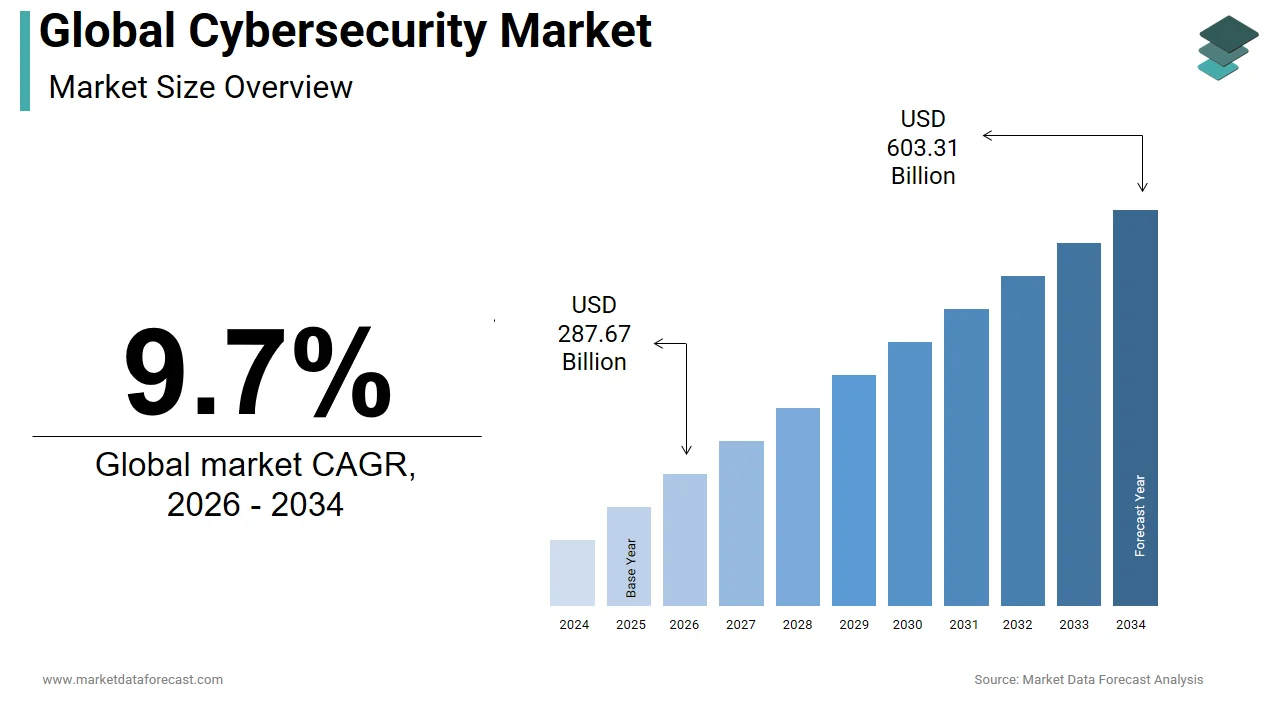
During the THINK 2026 disclosures, industry analysts noted that the primary driver for this technological pivot is economic. According to recent market intelligence reports, the global average cost of a data breach continues to scale upward, severely impacting corporate balance sheets and market liquidity. Consequently, chief information security officers (CISOs) are restructuring their budgets, pivoting away from fragmented point solutions toward integrated, AI-native platforms capable of real-time risk mitigation and automated compliance auditing.
Financial Mechanics and Market Impact: Who Wins and Who Loses

The deployment of frontier AI for enterprise defense is fundamentally altering capital allocation strategies across the Fortune 500. Wall Street analysts are closely monitoring how tech spending cycles are reacting to these new operational mandates. Enterprise software vendors that fail to embed robust, verifiable AI security controls face immediate valuation compression, while infrastructure providers offering scalable, sovereign AI solutions are capturing premium valuation multiples.
| Strategic Metric / Vector | Legacy Defense Paradigm | Frontier AI Defense Framework (IBM/Red Hat) |
|---|---|---|
| Threat Detection Speed | Hours to days (Human-led triage) | Sub-second (Autonomous, continuous monitoring) |
| Infrastructure Adaptability | Static rule-based firewalls | Dynamic, polymorphic threat response via open hybrid cloud |
| Capital Expenditure Focus | Fragmented point tools and reactive patching | Integrated AI orchestration and compliance automation |
| Regulatory Compliance Alignment | Manual audits and retrospective reporting | Continuous, automated governance and verifiable audit trails |
The market bifurcation is clear. Enterprises that successfully integrate frontier AI into their security operations are realizing significant improvements in enterprise ROI, driven by reduced downtime, lower incident response costs, and minimized exposure to regulatory fines. Conversely, organizations clinging to legacy architectures are experiencing escalating insurance premiums, degraded credit ratings due to systemic vulnerability, and diminished investor confidence.
Frequently Asked Questions (People Also Ask)
How does frontier AI fundamentally differ from traditional cybersecurity software?
Traditional cybersecurity relies on signature-based detection and predetermined rules to identify known threats. Frontier AI utilizes advanced machine learning and foundation models to understand normal enterprise behavioral baselines, enabling it to proactively identify and neutralize novel, never-before-seen (zero-day) attacks in real time without human intervention.
What role does Red Hat play in IBM's enterprise AI defense strategy?
Red Hat provides the open-source hybrid cloud foundation that allows enterprise clients to deploy sovereign AI models securely across multi-cloud, on-premises, and edge environments. This ensures that organizations maintain strict data governance and regulatory compliance while scaling their AI-driven security infrastructure.
What are the primary financial benefits for enterprises adopting AI-driven defense mechanisms?
Key financial benefits include optimized capital allocation through consolidated security tooling, drastically reduced incident remediation costs, lower cyber insurance premiums, and protection against catastrophic enterprise valuation drops resulting from high-profile data breaches.
How do organizations ensure data privacy when deploying frontier AI for threat detection?
Enterprises utilize sovereign foundation models, secure enclaves, and fine-tuning techniques on private data lakes. This ensures that sensitive corporate telemetry and proprietary intelligence never leak into public model training sets, complying fully with international privacy laws such as GDPR and CCPA.
Future Outlook and Strategic Milestones to Watch
As we look toward the remainder of 2026 and into 2027, the intersection of artificial intelligence and cybersecurity will continue to dictate the health of the global digital economy. Several critical milestones will determine the trajectory of this market:
- Standardization of Autonomous Governance: Regulatory bodies across the European Union and North America are expected to formalize compliance frameworks specifically governing the autonomy levels of AI security agents, necessitating verifiable audit trails.
- Edge-Computing Security Integration: As enterprise operations decentralize, the deployment of lightweight foundation models directly to edge devices and IoT infrastructure will become the standard for preventing distributed denial-of-service (DDoS) and localized network intrusions.
- Quantum-Resistant AI Cryptography: With the horizon of quantum computing drawing closer, enterprises will begin pairing frontier AI analytics with post-quantum cryptographic protocols to future-proof core infrastructure against decryption threats.
Ultimately, the message emerging from industry leaders like Arvind Krishna at THINK 2026 is unmistakable. The era of manual, perimeter-bound defense is over. By harnessing frontier AI to strengthen defenses, enterprises are not merely purchasing software—they are acquiring the digital immune system necessary to survive and thrive in an increasingly hostile technological ecosystem.