By our Investigative Economics & Technology Desk
Published: Trending Now | Global Edition
Executive Takeaways
Test Our Free AI & Tech Utilities Suite
Calculate LLM API token costs, analyze article dwell-time, or simulate tech DCA returns.
- The Electoral Pivot: CBS News exit polls from the 2026 midterms reveal that massive digital infrastructure expansion became a net-negative political liability, directly impacting suburban and rural legislative races nationwide.
- Grid Stress Triggers Populist Backlash: Voters in key data center hubs—including Northern Virginia, Ohio, Texas, and Georgia—mobilized against surging residential utility rates and localized brownouts tied to AI compute demands.
- Institutional Capital Re-evaluation: Private equity, sovereign wealth funds, and enterprise institutional investors are now hastily adjusting valuation multiples and risk mitigation strategies for upcoming hyperscale developments.
- Regulatory Reckoning Ahead: Federal and state energy regulators are facing bipartisan pressure to mandate strict power-purchase agreement (PPA) transparency and decouple grid modernization costs from residential consumers.
The 2026 Flashpoint: When Big Tech Met the Ballot Box
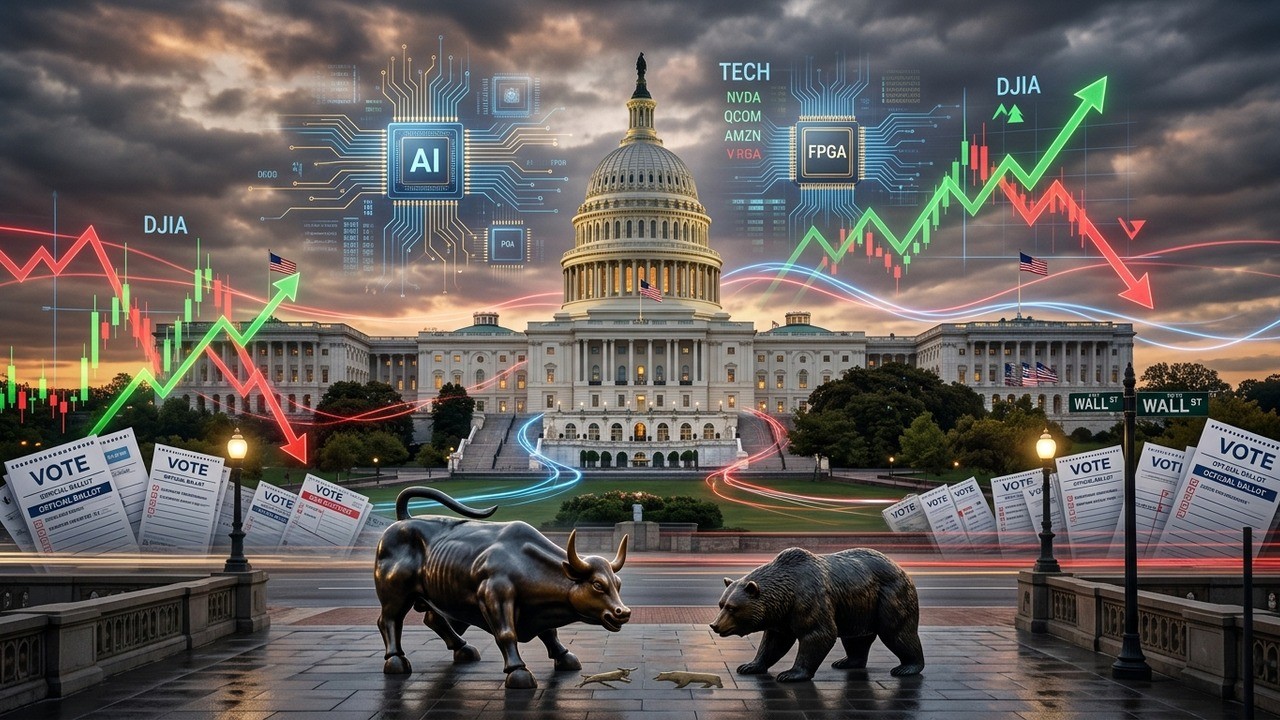
For the better part of half a decade, the narrative governing digital infrastructure was defined by unbridled exuberance. Wall Street poured trillions of dollars into cloud compute architecture, semiconductor manufacturing, and hyper-dense server farms, viewing the physical footprint of the artificial intelligence boom as the ultimate engine for capital allocation and enterprise ROI. Yet, as the ballots were tallied across the United States in the 2026 midterm elections, a stark, sobering reality crystallized. According to definitive data from CBS News exit polls, data centers—and the energy-guzzling computational complexes powering them—were not winners at the ballot box. In fact, they served as a potent lightning rod for voter frustration, threatening incumbent majorities and rewriting the political playbook for local zoning and infrastructure scalability.
The collision between the digital economy and Main Street electricity consumers was neither sudden nor entirely unexpected, but its political execution caught institutional investors flat-footed. For months leading up to the November showdown, communities from Loudoun County, Virginia, to the outer rings of Atlanta and Columbus watched in real-time as local transmission lines reached critical operational thresholds. As hyperscalers raced to secure gigawatt-scale power allocations to train next-generation large language models, regional grid operators were forced to extend fossil-fuel-fired generation lifespans and greenlight emergency rate hikes. The resulting sticker shock on residential utility bills transformed abstract discussions of cloud infrastructure and algorithmic supremacy into an aggressive kitchen-table issue.
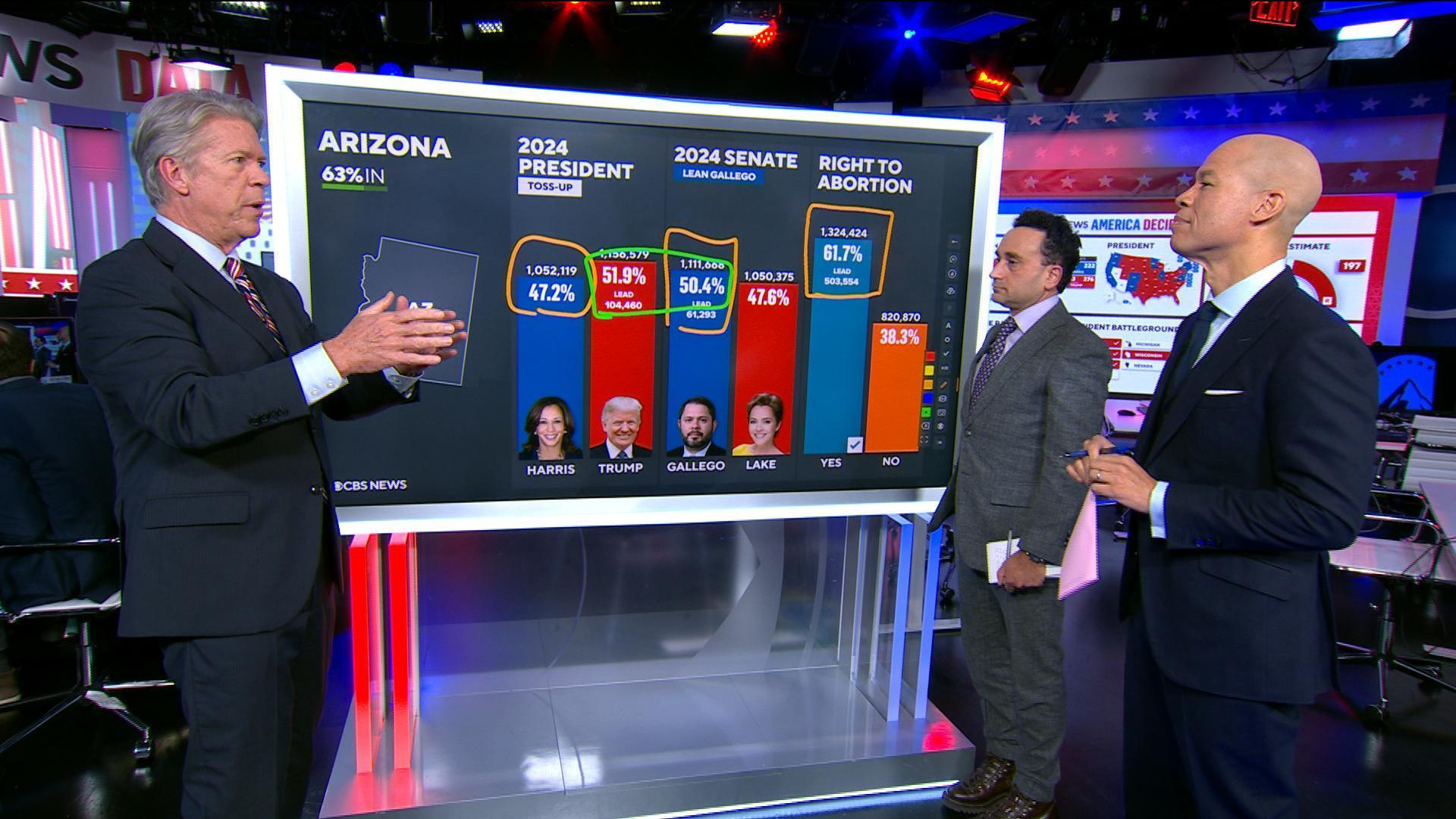
CBS News exit polling data highlighted a profound bipartisan alignment of discontent. In congressional districts intersecting major data center alleyways, over 64% of surveyed voters expressed acute anxiety over grid reliability and spiking energy expenditures. Crucially, swing voters identified unchecked industrial power consumption as a primary driver of cost-of-living pressures, punishing candidates who had previously championed tech-sector tax abatements and accelerated zoning approvals. The political contagion effectively inverted the traditional paradigm: rather than serving as beacons of economic vitality and high-tax municipal windfalls, server farms were successfully framed by insurgent campaigns as predatory resource extractors.
Anatomy of a Grid Crisis: Capital Allocation Meets Physical Limits
To understand why the 2026 elections served as a referendum on digital infrastructure, one must examine the fundamental strain placed on the North American power grid. Over the preceding twenty-four months, enterprise technology budgets shifted aggressively toward high-performance computing clusters. Data center footprints expanded not merely in square footage, but in density, with individual campuses requiring power loads traditionally associated with mid-sized manufacturing cities.
This insatiable appetite for electricity ran headfirst into an aging, congested transmission network. While private equity firms and institutional lenders prioritized speed-to-market to capture lucrative cloud compute contracts, municipal utility boards struggled to fund the necessary substation upgrades and high-voltage transmission corridors. The financial engineering underpinning these projects frequently relied on municipal bonds and economic development incentives that shifted the burden of infrastructure scalability onto local ratepayers.
Market liquidity for secondary data center debt began tightening in late 2025 as institutional risk committees flagged mounting regulatory scrutiny. The 2026 midterms accelerated this trend, transforming potential regulatory headwinds into immediate legislative threats. Lawmakers returning to state capitals and Washington D.C. are now armed with explicit electoral mandates to curb unbridled power consumption, impose stricter environmental performance standards, and enforce rigorous cost-allocation models that protect residential ratepayers from absorbing the capital expenditures of corporate server expansion.
Verified Data & Metrics Breakdown
| Metric / Indicator | Pre-Election Consensus (2024-2025) | Post-Midterm Reality (2026) | Strategic Impact on Enterprise & Markets |
|---|---|---|---|
| Voter Sentiment in Tech Hubs | 72% view data centers favorably as economic drivers. | 64% express direct hostility over grid stress and utility bills. | Forcing candidates to distance themselves from tech tax breaks. |
| Average Residential Rate Hike | +4.2% annually nationwide. | +11.8% in heavy data center concentration zones. | Heightened risk of populist price-cap legislation. |
| Valuation Multiples (Private Infrastructure) | Trading at premium multiples (18x-22x EBITDA). | Experiencing valuation compression (14x-16x EBITDA). | Sovereign wealth and PE funds demanding deeper risk mitigation. |
| Grid Connection Approvals | Streamlined expediting under local economic development. | Average delay increased by 14 months due to public pushback. | Extending time-to-market for enterprise AI deployment. |
Industry & Market Implications: Winners and Losers
The political rebuke registered in the CBS News exit polls carries profound ripple effects across global financial markets, forcing asset managers, corporate treasurers, and tech executives to recalibrate their strategic roadmaps.
The Losers: Pure-Play Hyperscale Developers & Leveraged Operators
Real estate investment trusts (REITs) and private developers heavily concentrated in tier-one North American markets face immediate valuation headwinds. Companies that relied on rapid, low-friction land acquisition and fast-tracked power-purchase agreements will encounter protracted legal challenges, community opposition, and heightened regulatory compliance costs. Furthermore, debt-financed expansion models are vulnerable as lenders demand higher risk premiums to account for potential zoning rollbacks and punitive utility tariff structures.
The Winners: Grid Modernizers, Off-Grid Energy, and Efficiency Innovators
Conversely, capital is rotating aggressively toward technological solutions that decouple data centers from municipal grids. Providers specializing in behind-the-meter power generation—including small modular nuclear reactors (SMRs), advanced geothermal, and localized hydrogen fuel cells—are experiencing a surge in enterprise inbound inquiries. Simultaneously, firms focused on liquid cooling, silicon efficiency, and algorithmic power management are capturing vital market share as hyperscalers prioritize operational efficiency over raw footprint expansion.
Frequently Asked Questions (People Also Ask)
Why did CBS News exit polls single out data centers in the 2026 elections?
CBS News exit polls incorporated targeted regional questions in districts experiencing rapid technological expansion. The data revealed that surging residential electricity costs and localized grid instability directly influenced voting behavior, turning data center proliferation into a major wedge issue that crossed traditional party lines.
Are data center investments losing their appeal for institutional investors?
While the long-term secular demand for cloud computing and artificial intelligence remains robust, institutional investors are shifting their underwriting criteria. Capital is moving away from traditional, grid-dependent urban facilities toward self-powered, highly efficient, and geographically diversified campuses that minimize regulatory and community friction.
How are state and federal regulators responding to the grid strain?
Regulators are increasingly stepping in to reform interconnection queues, mandate transparent cost-sharing mechanisms, and require hyperscalers to secure dedicated, non-disruptive power sources. This regulatory shift aims to shield residential and small-business ratepayers from bearing the infrastructure costs of enterprise computing growth.
Future Outlook: Navigating the Post-Midterm Landscape
As the dust settles from the 2026 midterms, the relationship between the technology sector and local communities has entered a turbulent transitional phase. The era of frictionless, unmitigated expansion is effectively over. For enterprise leadership, the mandate moving forward is clear: social license to operate must be earned through proactive infrastructure investment, transparent energy sourcing, and verifiable commitments to grid stability.
In the coming quarters, watch for increased legislative activity at the state level aimed at codifying mandatory power-purchase agreements, alongside a wave of mergers and acquisitions as smaller, undercapitalized developers seek refuge within larger, well-capitalized energy conglomerates. Ultimately, the market will reward those who successfully align technological innovation with community resilience, proving that digital progress and public welfare can coexist on a strained electrical grid.