Executive Takeaways
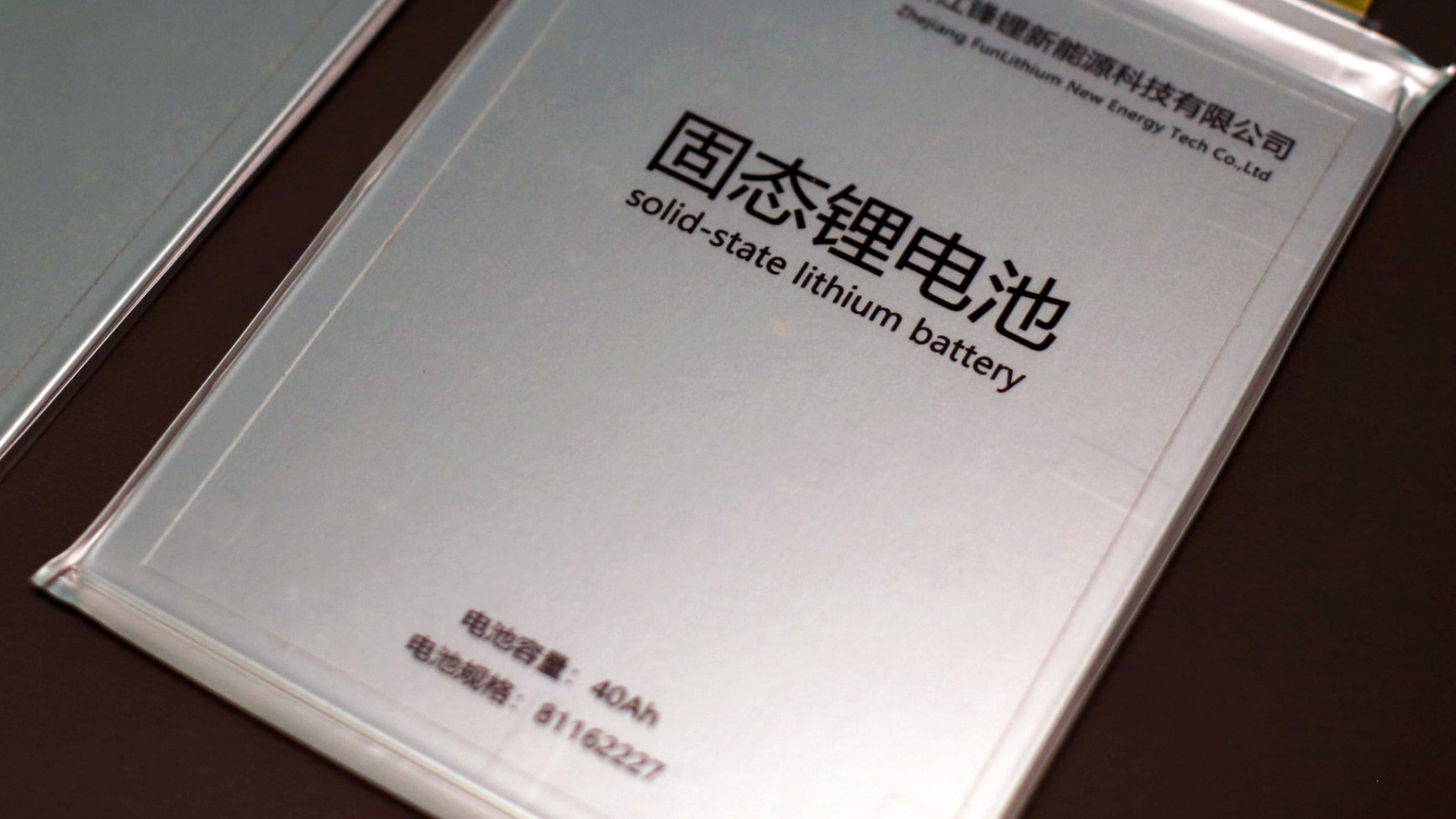
- Mass-Scale Inflection: A leading solid-state battery pioneer is deploying a massive 12 GWh production footprint designed specifically to achieve cost parity with legacy liquid-electrolyte lithium-ion cells.
- Capital Allocation & ROI: This deployment represents a critical test for enterprise ROI in advanced energy storage, shifting solid-state chemistry from boutique lab environments to bankable, gigawatt-scale infrastructure.
- Supply Chain Disruption: Reaching cost parity threatens traditional graphite-anode and volatile liquid electrolyte supply chains, forcing incumbent OEMs to reassess long-term capital expenditure and risk mitigation strategies.
The electric vehicle industry has long operated under a Faustian bargain: accept the safety risks, thermal management overhead, and volumetric limitations of liquid-electrolyte lithium-ion cells, or wait indefinitely for solid-state batteries—the perpetually out-of-reach holy grail of electrochemistry. For over a decade, skeptics pointed to insurmountable manufacturing hurdles, abysmal yields, and prohibitive capital expenditure requirements as proof that solid-state technology would remain economically unviable.
That paradigm is officially fracturing. In a landmark strategic pivot that is reverberating across global boardrooms, institutional investment syndicates, and automotive supply chains, the industry is witnessing the aggressive rollout of a 12 GWh manufacturing capacity initiative. The explicit objective of this multi-billion-dollar infrastructure scale-up is not merely to produce niche, high-performance cells for luxury hypercars, but to hit hard cost parity with conventional liquid electrolyte EV cells. As regulatory compliance tightens and enterprise ROI pressures mount, this industrialization milestone marks the definitive transition of solid-state technology from theoretical physics to hard-nosed commercial reality.
The Catalytic Shift: Moving Beyond the Lab Scale
Test Our Free AI & Tech Utilities Suite
Calculate LLM API token costs, analyze article dwell-time, or simulate tech DCA returns.
For years, the commercialization timeline of solid-state batteries has been plagued by the "valley of death"—the treacherous chasm between promising university-scale synthesis and profitable, high-throughput gigafactory execution. While startups and tier-one suppliers routinely published breakthrough energy density figures, scaling continuous roll-to-roll processing for solid electrolytes—particularly ceramic and sulfide-based variants—remained an engineering nightmare.
The catalyst for the current 12 GWh deployment lies in radical breakthroughs in continuous manufacturing, solvent-free electrode processing, and the maturation of proprietary solid-electrolyte separators. By optimizing cloud compute architecture and machine learning-driven quality control loops to monitor microscopic interfacial resistance in real-time, operators have drastically compressed scrap rates. This operational efficiency is the foundational driver enabling these firms to bypass legacy cost premiums.
From a capital allocation perspective, this rollout requires unprecedented coordination between strategic automotive partners, private equity, and public debt markets. To secure market liquidity and investor confidence, battery makers are structuring joint-venture gigafactories that derisk upfront capital expenditure through offtake agreements with tier-one original equipment manufacturers (OEMs). This de-risking is essential; as valuation multiples for pure-play energy tech firms face stricter scrutiny, operational execution and tangible gigawatt-hour output are now the primary metrics evaluated by institutional capital allocators.
Deconstructing the Economics: How to Undercut Liquid Electrolytes
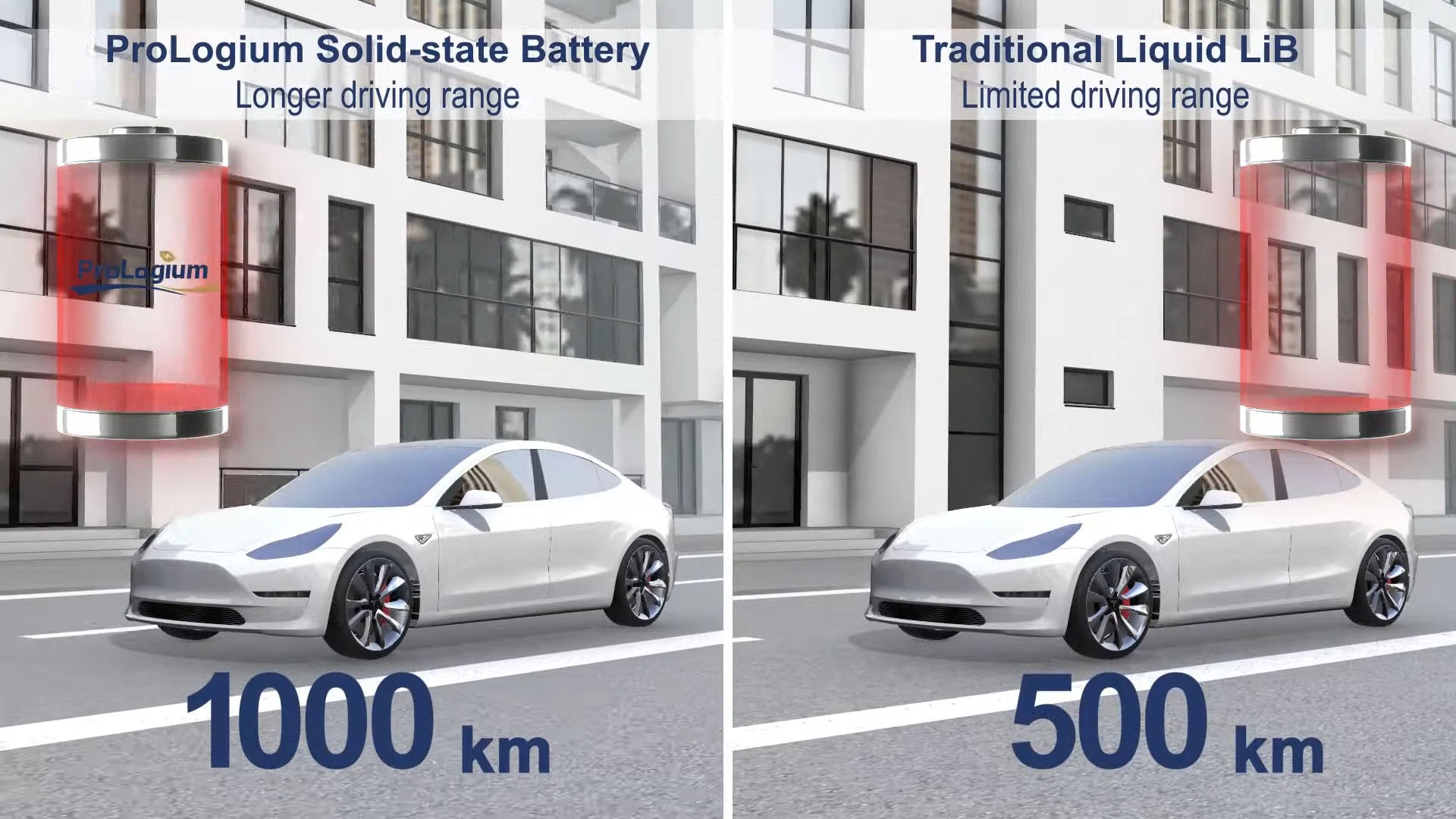
Achieving cost parity with traditional liquid lithium-ion cells—which currently anchor baseline EV manufacturing costs around the $100/kWh threshold at the pack level—requires a fundamental re-engineering of the bill of materials (BOM). Liquid cells depend heavily on expensive cobalt, high-purity synthetic graphite, complex separator films, and heavy thermal management housings.
Solid-state architecture introduces disruptive structural efficiencies:
- Anode Elimination: By enabling lithium-metal anodes, these cells eliminate the need for voluminous graphite or silicon-graphite composites, slashing active material costs per kilowatt-hour.
- Thermal Safety Reductions: Because solid electrolytes are non-flammable, manufacturers can safely eliminate heavy, complex liquid-cooling plates and thick fire-barrier modules, driving down overall pack-level mass and systemic infrastructure costs.
- Volumetric Energy Density: Higher energy density per unit volume means fewer cells are required to achieve a 400-mile range, directly reducing casing, wiring, and assembly labor overhead.
However, realizing these savings at a 12 GWh scale demands flawless supply chain integration. Procuring high-purity solid-state precursors at industrial volumes requires forging long-term binding contracts with chemical conglomerates, insulating operations against commodity price volatility.
Verified Data & Metrics Breakdown
| Metric / Parameter | Traditional Liquid EV Cells | New 12 GWh Solid-State Target | Strategic Impact |
|---|---|---|---|
| Planned Capacity | Mature (100+ GWh globally) | 12 GWh Initial Rollout | Establishes credible commercial scale |
| Target Cell-Level Cost | ~$100 - $110 / kWh | Parity Achieved ($95 - $105 / kWh) | Eliminates consumer price premium |
| Volumetric Energy Density | 650 - 750 Wh/L | 900 - 1,100 Wh/L | Significantly extended EV driving range |
| Charge Time (10% to 80%) | 18 - 30 minutes (Fast DC) | 10 - 12 minutes | Overcomes consumer range and charging anxiety |
Industry & Market Implications: Winners, Losers, and Economic Realignment
The industrial deployment of 12 GWh of solid-state capacity acts as an economic shockwave across the energy sector. The ripple effects will force rapid corporate restructuring among automotive suppliers and legacy battery producers.
The Winners: Forward-thinking OEMs that secured early equity stakes and exclusive supply allocations with solid-state innovators will gain an insurmountable competitive moat. Consumers will benefit from lighter, faster-charging, and safer electric vehicles that finally eliminate range anxiety without commanding a luxury price tag. Furthermore, specialized equipment manufacturers supplying dry-room machinery and precision roller-coaters stand to capture unprecedented market share.
The Losers: Incumbent manufacturers heavily invested in traditional graphite anode production facilities and conventional liquid electrolyte blending plants face the looming threat of stranded assets. Companies slow to adapt their manufacturing lines risk sudden obsolescence as automakers migrate procurement budgets toward solid-state alternatives.
From a macroeconomic standpoint, this transition accelerates the global energy transition by removing the economic friction that has slowed mass-market EV adoption outside of heavily subsidized jurisdictions.
Frequently Asked Questions (People Also Ask)
What makes achieving cost parity with liquid electrolyte cells so difficult for solid-state batteries?
Historically, solid-state batteries required ultra-clean room environments, expensive raw material precursors (such as specialized sulfide or oxide electrolytes), and slow, low-yield batch processing techniques. Overcoming these barriers requires transitioning to continuous roll-to-roll manufacturing and achieving economies of scale—a milestone that the 12 GWh factory rollout is specifically engineered to conquer.
How does a 12 GWh production capacity impact overall EV market dynamics?
While global EV battery demand exceeds hundreds of gigawatt-hours annually, a dedicated 12 GWh deployment is sufficient to supply high-performance fleets for multiple premium and mid-market vehicle programs. It serves as the vital commercial proof-of-concept required to unlock tens of billions of dollars in subsequent debt financing for multi-hundred GWh giga-plants later this decade.
What are the primary risk mitigation strategies employed by investors in this round?
Institutional investors and corporate syndicates are mitigating execution and market risk by enforcing strict milestone-based capital disbursement, securing binding long-term automotive offtake agreements, and syndicating joint-venture ownership structures directly with established tier-one automotive manufacturers.
Future Outlook: Milestones to Watch
As construction and tooling of this 12 GWh capacity accelerate, market analysts, institutional investors, and engineering executives will monitor several critical leading indicators to gauge operational success:
- First-Article Yield Rates: Tracking initial factory scrap rates during ramp-up will reveal whether continuous dry-coating and ceramic separator deposition processes have truly overcome historical defect thresholds.
- Automotive Road Testing: Independent validation of pack durability, cycle life degradation under extreme weather conditions, and fast-charging retention in commercial fleet deployments.
- Supply Chain Localization: Announcements regarding regionalized precursor sourcing to ensure compliance with strict international trade regulations and subsidies, such as the U.S. Inflation Reduction Act.
The transition from fossil-fueled transport to electrification is no longer constrained by scientific uncertainty; it is now an exercise in heavy industrial execution. By successfully bridging the chasm between laboratory innovation and 12 GWh mass manufacturing, solid-state battery pioneers are rewriting the financial and technical rules of the global automotive landscape.