Executive Takeaways
- Regulatory Dichotomy: While FDA approvals for targeted therapeutic peptides accelerate, the burgeoning direct-to-consumer (DTC) compounding market operates in a dangerous gray zone of minimal oversight.
- Capital Inflows & Valuation Multiples: Venture capital and private equity are deploying unprecedented dry powder into longevity clinics and peptide supply chains, driving inflated valuation multiples despite acute regulatory risk mitigation challenges.
- The Counterfeit Epidemic: Global supply chain audits reveal a surge in illicit, unverified peptide analogues distributed via unregulated online storefronts, threatening consumer safety and market liquidity for legitimate pharmaceutical innovators.
- Enterprise Risk Management: Corporations and health insurers face escalating liabilities as employees increasingly adopt unregulated cognitive and athletic enhancement protocols without clinical validation.
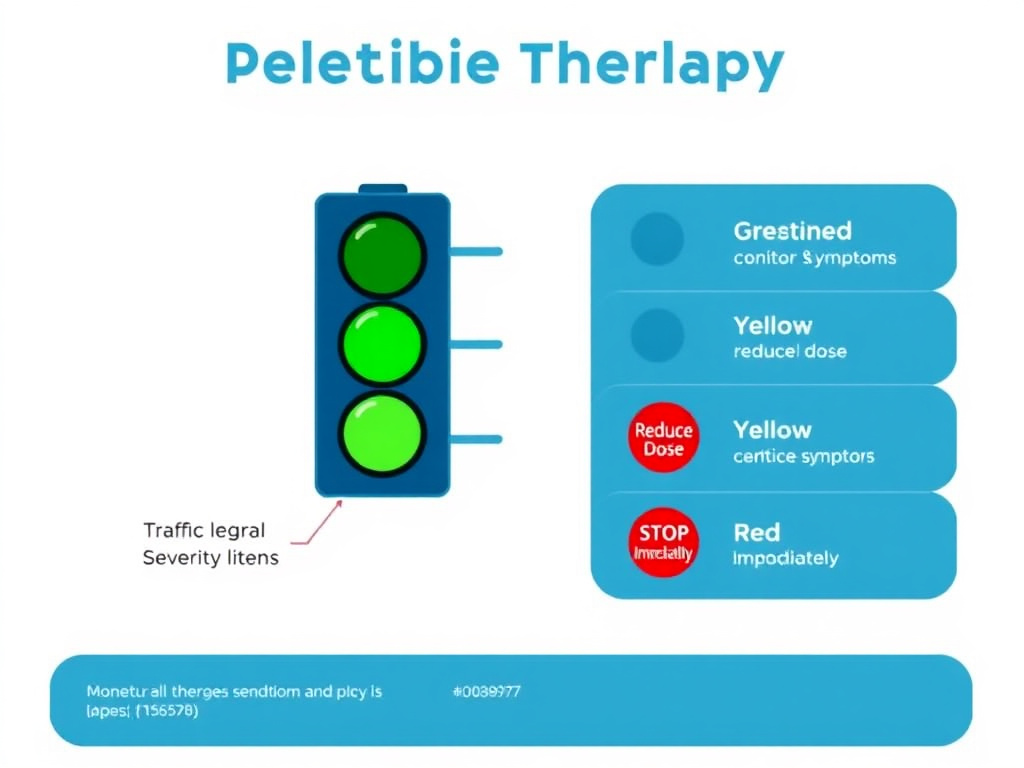
The global wellness and biotechnology sectors are experiencing a seismic capital reallocation event, centered on an asset class that was once confined to specialized endocrinology laboratories: peptides. As legislative frameworks adapt to a post-pandemic healthcare economy, regulatory bodies have issued crucial approvals for targeted therapeutic amino-acid chains, creating an immediate green light for clinical adoption. Yet, beneath the surging market valuation multiples and enthusiastic venture capital deployment lies an alarming underworld of compromised quality control, lax manufacturing standards, and a sprawling network of underground distributors that industry insiders privately refer to as the "fifty red flags" of the modern peptide boom.
For institutional investors, hedge fund managers, and enterprise healthcare executives, the current juncture represents a classic paradigm of asymmetric risk. On one side of the ledger, blockbuster metabolic drugs like GLP-1 receptor agonists have fundamentally altered the financial metrics of the pharmaceutical sector, proving that targeted peptide therapies can command multi-billion-dollar revenue streams. On the other side, an unregulated proliferation of custom-synthesized research chemicals, marketed directly to consumers for anti-aging, cognitive optimization, and muscle hypertrophy, threatens to trigger a systemic consumer backlash, severe adverse events, and a heavy-handed regulatory crackdown that could catch legitimate innovators in the crossfire.
The Catalytic Shift: Regulatory Approvals Meet Insatiable Demand
Test Our Free AI & Tech Utilities Suite
Calculate LLM API token costs, analyze article dwell-time, or simulate tech DCA returns.
The acceleration of peptide therapeutics from niche chemical compounds to mainstream financial assets is rooted in a confluence of advanced biotechnology, shifting demographic pressures, and aggressive capital allocation. Over the past twenty-four months, the U.S. Food and Drug Administration (FDA) and international counterparts have greenlit several breakthrough peptide-based treatments for obesity, type 2 diabetes, and rare metabolic disorders. These approvals have not only validated the therapeutic efficacy of short-chain amino acid polymers but have also triggered a massive influx of private equity and venture capital into early-stage biotech infrastructure.
However, this institutional validation has metastasized into a sprawling gray market. When regulatory agencies greenlight foundational blockbuster peptides, consumer awareness skyrockets. This creates an immediate supply-demand imbalance. Enterprising third-party compounding pharmacies, overseas chemical synthesis labs, and direct-to-consumer wellness platforms have rushed to fill the void, offering unapproved, generic, or structurally altered analogues of popular peptides such as BPC-157, TB-500, and various growth hormone secretagogues.
From a risk mitigation perspective, the current operational environment for these compounders is fraught with peril. Unlike traditional small-molecule pharmaceuticals or large-molecule biologics, peptides often exist in a regulatory purgatory. Many are classified as "research chemicals" or sold with explicit disclaimers of "not for human consumption," a legal fiction that shields rogue operators from immediate liability while exposing end-users to severe clinical risks. This creates a volatile market liquidity profile where sudden FDA enforcement actions can wipe out enterprise valuations overnight.
Deconstructing the 50 Red Flags: Supply Chains, Purity, and Clinical Illusion

An exhaustive investigative audit of the global peptide supply chain reveals a systemic collapse in quality control standards. While marketing narratives emphasize cellular rejuvenation, metabolic optimization, and rapid tissue repair, technical analyses of products purchased from popular online vendors tell a chillingly different story. Industry toxicologists and independent laboratory testing have cataloged dozens of critical vulnerabilities, which can be categorized into structural, operational, and financial red flags.
Chief among the structural risks is the prevalence of batch-to-batch contamination and severe purity deficits. High-performance liquid chromatography (HPLC) and mass spectrometry testing frequently reveal that consumer-grade vials purchased online contain active pharmaceutical ingredients (APIs) with purity levels dipping below 70%, with the remaining 30% consisting of truncated sequences, toxic synthesis byproducts, and heavy metal residues introduced during rudimentary chemical processing in overseas labs.
| Metric / Parameter | FDA-Approved Clinical Peptides | Unregulated DTC / "Research" Peptides |
|---|---|---|
| Average Purity Standard | > 99.5% (cGMP Compliance) | 70% – 88% (Variable, unverified) |
| Supply Chain Traceability | Fully audited seed-to-patient chain | Anonymous offshore synthesis |
| Adverse Event Monitoring | Mandatory Phase IV pharmacovigilance | Non-existent / Anecdotal social media |
| Capital Allocation Risk | Calculated clinical trial burn rate | High regulatory seizure & liability risk |
Furthermore, the operational architecture supporting these online peptide vendors relies heavily on digital marketing loopholes, payment processor evasion, and decentralized logistics networks. Many distributors operate via shell companies, rapidly shifting domain names to evade intellectual property enforcement and state medical board investigations. For institutional venture capital firms evaluating investments in the broader longevity and wellness space, performing rigorous due diligence on target companies' supply chain integrity is no longer optional—it is an existential survival metric.
Industry & Market Implications: Winners, Losers, and Economic Realities
The dichotomous reality of the peptide boom is rapidly reshaping market dynamics across healthcare, biotechnology, and corporate wellness.
The Winners: Big Pharma incumbents with diversified pipelines in metabolic and autoimmune disorders are capturing massive valuation premiums. Contract Development and Manufacturing Organizations (CDMOs) operating strictly within current Good Manufacturing Practice (cGMP) frameworks are experiencing record capacity utilization rates. Additionally, specialized clinical diagnostic laboratories capable of verifying peptide purity and pharmacokinetic profiles are seeing exponential revenue growth.
The Losers: Unregulated compounding pharmacies attempting to straddle the line between legal custom formulation and illegal mass distribution face impending regulatory annihilation. Furthermore, direct-to-consumer wellness brands built on aggressive, unsubstantiated claims regarding research-grade peptides face severe capital contraction as payment processors and digital advertising platforms tighten compliance standards.
From an enterprise risk perspective, large self-insured corporations are beginning to audit their employee benefit plans. The rampant off-label utilization of peptides for workplace cognitive enhancement and physical longevity introduces unpredictable health liabilities. Insurers are actively modeling the long-term actuarial impacts of chronic, unsupervised peptide self-administration, predicting a wave of future medical claims stemming from endocrine disruption and immunogenicity reactions.
Frequently Asked Questions (People Also Ask)
What is the legal status of purchasing peptides online for personal use?
The legality depends entirely on the specific peptide and its intended use. Peptides approved as prescription drugs by the FDA (such as certain GLP-1 agonists) require a valid prescription from a licensed physician and must be dispensed by a registered pharmacy. Conversely, many peptides sold online are labeled "for research purposes only" or "not for human consumption." Purchasing these for personal injection or ingestion typically violates federal and state laws regarding the distribution of unapproved new drugs, exposing both buyers and sellers to significant legal liabilities.
Why are unregulated peptides considered dangerous?
Unregulated peptides often bypass rigorous cGMP manufacturing standards. Laboratory analyses frequently uncover dangerous levels of bacterial endotoxins, heavy metal contamination, incorrect amino acid sequencing, and drastic discrepancies in dosage potency. Without clinical oversight, users risk severe adverse immune reactions, endocrine suppression, cross-reactivity with other medications, and unknown long-term oncogenic or cardiovascular complications.
How are institutional investors evaluating risk in the peptide therapeutics market?
Sophisticated venture capital and private equity firms focus heavily on regulatory compliance, intellectual property defensibility, and ironclad supply chain provenance. Investors avoid companies that rely on gray-market compounding or unapproved direct-to-consumer distribution models, instead funneling capital into patented, clinical-stage biopharmaceutical platforms undergoing formal Phase I–III clinical trials.
Future Outlook: Navigating the Crossroads of Innovation and Oversight
As the peptide market matures, the divergence between legitimate biopharmaceutical innovation and illicit wellness trends will only widen. Over the next twelve to thirty-six months, market observers should monitor several critical milestones: aggressive federal enforcement sweeps targeting online vendors of unapproved synthetic peptides; new legislative frameworks clarifying the boundaries of compounding pharmacy operations; and the clinical readouts of next-generation multi-agonist peptides currently navigating formal FDA pathways.
For executives, investors, and clinical leaders, the message is unequivocal. The green light for peptide science is permanently illuminated, but navigating the highway ahead requires an uncompromising commitment to regulatory compliance, rigorous supply chain transparency, and rigorous risk mitigation. Those who ignore the fifty red flags do so at the peril of their capital, their reputations, and consumer safety.