
Executive Takeaways
- Unprecedented Market Confluence: Global equity markets face a punishing liquidity squeeze as aggressive monetary tightening collides with the most consequential corporate earnings week of the quarter.
- Big Tech Under the Microscope: Capital allocation, cloud compute architecture return on investment (ROI), and artificial intelligence infrastructure scalability will dictate whether mega-cap tech valuations face further compression.
- Political Risk Premium: Midterm election outcomes introduce acute regulatory and fiscal policy uncertainty, directly impacting sectors ranging from semiconductor manufacturing to energy and financial services.
- Systemic Volatility Management: Institutional investors are aggressively deploying risk mitigation strategies, rotating out of high-multiple growth equities and into defensive, cash-generating assets.
Global financial markets are bracing for one of the most volatile trading weeks of the decade. A sweeping market sell-off—spurred by persistent inflation prints, rising sovereign bond yields, and deteriorating market liquidity—is slamming directly into a dual-front catalyst: high-stakes earnings reports from the world's most valuable technology conglomerates and a fiercely contested midterm election cycle. For institutional portfolio managers, corporate treasurers, and retail investors alike, this convergence represents a high-stress stress test of macroeconomic resilience, corporate earnings power, and political stability.
As trading desks across Wall Street, the City of London, and Frankfurt re-evaluate their positioning, the overarching narrative is clear. The era of cheap capital, which artificially inflated valuation multiples across the technology sector for over a decade, is definitively over. In its place stands a harsh macroeconomic reality where infrastructure scalability, enterprise ROI, and regulatory compliance are the primary determinants of market survival. This investigative report breaks down the catalytic events driving this historic convergence, analyzes the underlying data, and maps out what market participants must watch in the days ahead.
The Anatomy of the Sell-Off: Liquidity, Valuations, and Macro Pressures
Test Our Free AI & Tech Utilities Suite
Calculate LLM API token costs, analyze article dwell-time, or simulate tech DCA returns.
The current market correction is not merely a routine technical pullback; it is a structural realignment driven by quantitative tightening and shifting macroeconomic fundamentals. Central banks worldwide continue to prioritize price stability over asset price support, draining systemic liquidity at a pace that has left market makers exposed. As the risk-free rate hovers at multi-year highs, the discount rate applied to future cash flows has surged, directly punishing long-duration assets.
For Big Tech, this means that historical growth metrics are no longer sufficient to appease institutional shareholders. During the ultra-low interest rate regime, capital allocation strategies frequently favored top-line revenue expansion over immediate profitability. Today, institutional investors demand rigorous capital discipline, tangible enterprise ROI from massive data center investments, and sustainable operating margins. When market liquidity dries up, high-multiple equities are invariably the first to experience aggressive de-rating, setting off cascading margin calls and systematic unwinding across institutional portfolios.
Big Tech Earnings: The Ultimate Litmus Test for Infrastructure and Cloud Compute
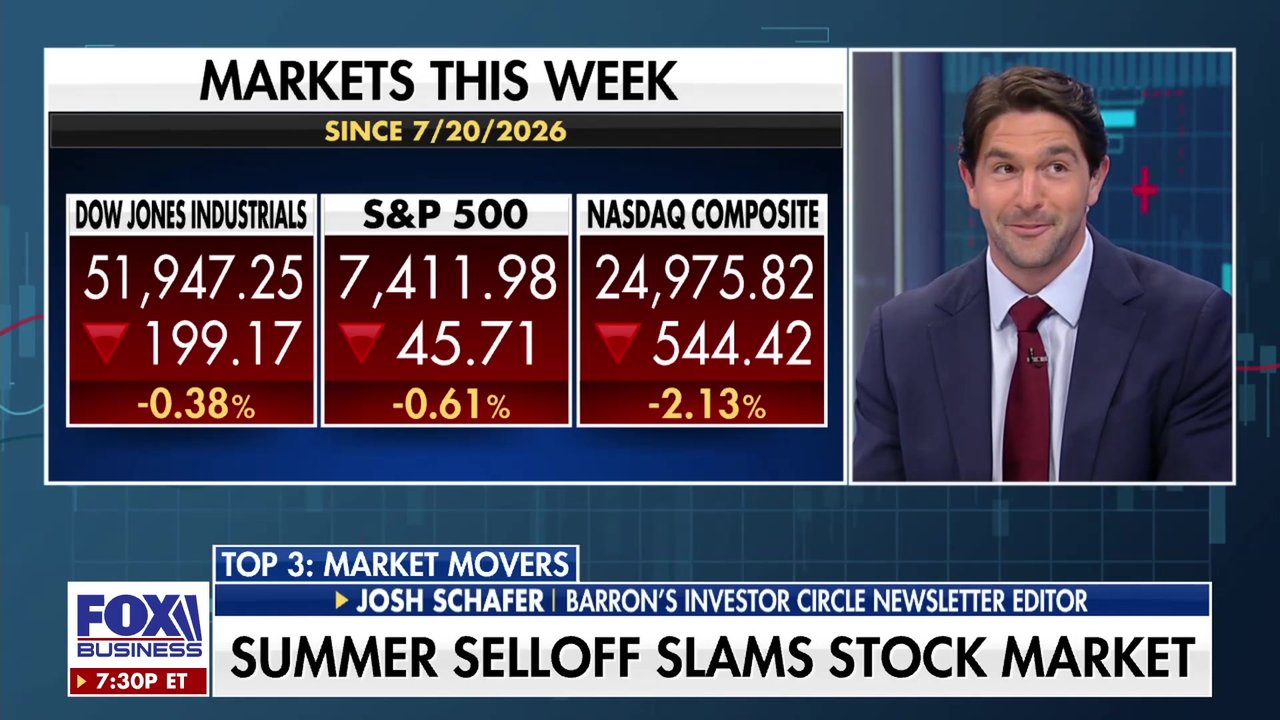
This week’s slate of earnings reports from mega-cap technology firms will serve as a definitive health check for the global digital economy. Wall Street analysts are sharpening their focus on three critical operational pillars: cloud compute architecture demand, digital advertising resilience, and the monetization trajectory of generative artificial intelligence.
The capital expenditure (CapEx) cycle surrounding AI infrastructure has reached astronomical proportions. Hyperscalers have poured billions of dollars into high-performance GPUs, specialized data centers, and advanced networking hardware. However, institutional skepticism is rising regarding how quickly and efficiently these capital outlays will translate into sustainable revenue growth. Investors will scrutinize forward guidance to determine whether enterprise clients are accelerating their cloud migrations or pulling back on IT budgets in response to economic headwinds.
Furthermore, digital advertising revenue—the lifeblood of several key tech titans—remains highly sensitive to corporate marketing spend. Any indication of macroeconomic deceleration in consumer discretionary spending or B2B enterprise software deployment will trigger immediate downward revisions in forward earnings estimates, compounding the ongoing equity sell-off.
Political Risk and the Midterm Elections: Navigating Regulatory Crosswinds
Compounding the corporate earnings drama is the looming uncertainty of the midterm elections. Financial markets historically detest policy ambiguity, and this election cycle is fraught with potential regulatory shifts that could alter the operating environment for major industries.
Key legislative battlegrounds include antitrust enforcement targeting Big Tech monopolies, potential alterations to corporate tax rates, and energy independence policies that directly affect fossil fuel producers and renewable energy developers alike. A shift in congressional control could gridlock federal spending or, conversely, introduce targeted fiscal interventions that alter sector-specific profitability. Institutional risk committees are actively hedging against potential policy volatility, adjusting sector weightings to insulate portfolios from sudden regulatory shocks.
Verified Data & Metrics Breakdown
To contextualize the scale of the current market environment, the following table outlines key performance indicators, macroeconomic metrics, and operational focus areas driving this week's trading action:
| Metric / Indicator | Current Status / Estimate | Historical Comparison | Market Implication |
|---|---|---|---|
| S&P 500 Valuation Multiples (Forward P/E) | ~18.2x | 10-Year Average: ~17.5x | Slightly elevated; vulnerable to earnings misses and yield spikes. |
| Big Tech CapEx (AI & Cloud Infrastructure) | +$50B QoQ Aggregated | +35% YoY Increase | Demands rigorous verification of enterprise ROI and monetization timelines. |
| 10-Year U.S. Treasury Yield | ~4.25% - 4.50% | Prior Year: ~3.80% | Maintains upward pressure on equity discount rates and borrowing costs. |
| CBOE Volatility Index (VIX) | Elevated (>20.0) | Historical Mean: ~17.0 | Signals heightened institutional demand for downside portfolio protection. |
Industry & Market Implications: Winners, Losers, and Economic Realignment
The collision of macroeconomic sell-offs, Big Tech earnings, and political uncertainty creates clear bifurcations across global industries. Understanding these fault lines is essential for strategic asset allocation.
The Winners
Defensive Cash Generators: Companies with pristine balance sheets, low debt-to-equity ratios, and robust free cash flow yields are attracting safe-haven capital.
Energy Infrastructure Providers: Traditional and transitional energy players benefiting from structural supply constraints and supportive geopolitical tailwinds continue to command institutional interest.
Disciplined Enterprise Software: B2B technology providers that demonstrate immediate cost-saving utility, operational efficiency gains, and clear enterprise ROI are outperforming high-burn consumer tech peers.
The Losers
Unprofitable Growth Equities: Early-stage technology and biotechnology firms relying on continuous external funding face severe valuation compression and liquidity starvation.
Over-Leveraged Corporations: Firms with upcoming debt maturities facing higher refinancing costs will experience margin erosion and constrained strategic flexibility.
Speculative Retail Sectors: Assets driven primarily by momentum trading and high social media sentiment remain exceptionally vulnerable to sudden liquidity shocks.
Frequently Asked Questions (People Also Ask)
Why is the current market sell-off coinciding with Big Tech earnings?
The timing is largely cyclical, as corporate reporting calendars mandate third-quarter disclosures at the exact moment macroeconomic pressures—such as persistent inflation, tightening monetary policy, and rising bond yields—have reached a critical tipping point. This forces institutional investors to simultaneously re-evaluate asset valuations and corporate earnings health.
How do midterm elections typically impact stock market volatility?
Historical data indicates that stock market volatility tends to peak immediately prior to midterm elections due to policy uncertainty. However, once election outcomes are finalized and regulatory direction becomes clearer, markets frequently experience a relief rally as institutional investors re-engage with risk assets.
What metrics are institutional investors prioritizing in Big Tech earnings reports?
Institutional desks are shifting their focus away from top-line revenue growth toward capital allocation discipline, operating margins, free cash flow generation, and tangible enterprise ROI derived from massive investments in artificial intelligence and cloud compute architecture.
What is risk mitigation, and how are fund managers applying it during this sell-off?
Risk mitigation involves proactive strategies designed to protect portfolios against catastrophic drawdowns. Fund managers are currently deploying tactics such as increasing cash allocations, purchasing protective put options, rotating into defensive sectors, and shortening the duration of fixed-income holdings.
Future Outlook: Milestones and What to Watch Next
As the dust settles on this high-stakes week, market participants must maintain a disciplined, data-driven approach. The immediate trajectory of global equities will depend heavily on three forward-looking milestones:
- Federal Reserve Policy Signals: Subsequent Consumer Price Index (CPI) and Employment Situation reports will dictate whether central banks pivot toward monetary easing or maintain their restrictive stance.
- Post-Earnings Guidance Revisions: Corporate management commentary during Q3 earnings calls will reveal whether enterprise IT spending is stabilizing or bracing for a deeper contraction.
- Legislative and Regulatory Fallout: The definitive outcomes of the midterm elections will establish the legislative framework for corporate taxation, antitrust enforcement, and sector-specific subsidies for the remainder of the political cycle.
Ultimately, while volatility creates acute short-term stress across trading desks, it also exposes fundamental structural strengths and weaknesses. Disciplined investors who prioritize balance sheet strength, operational efficiency, and realistic growth projections will be best positioned to navigate the complex economic landscape ahead.