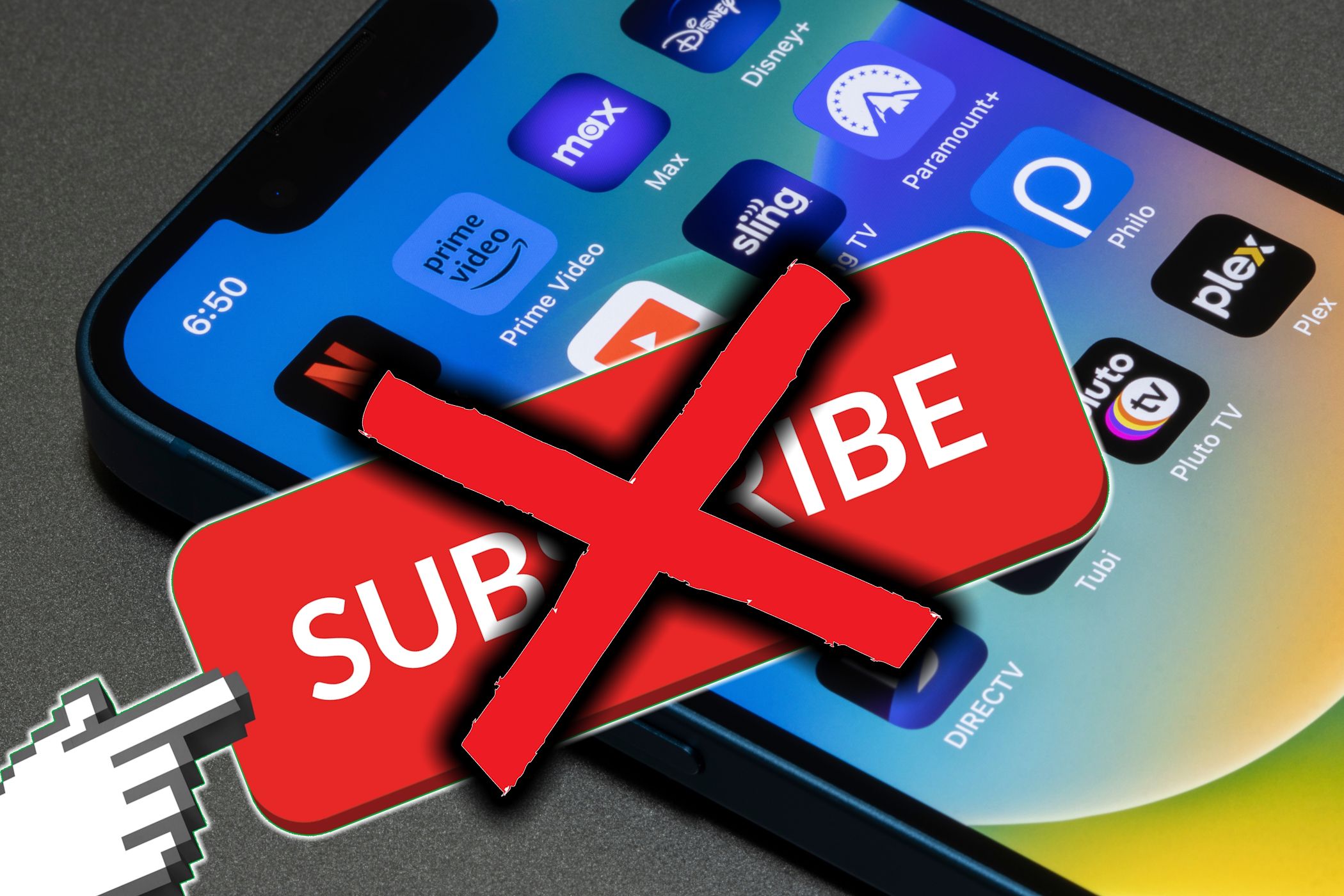
Across the software-as-a-service (SaaS) landscape and mobile application ecosystems, a silent, tech-driven battle for consumer wallets is reaching a fever pitch. As global customer acquisition costs soar and venture capital demands clear paths to profitability, subscription-based mobile apps and enterprise digital services are deploying hyper-personalized retention engines. These tools are engineered specifically to intervene, persuade, and impede users the moment they attempt to hit the "cancel" button.
What once consisted of basic exit surveys has evolved into sophisticated micro-bargaining algorithms, personalized targeted discounts, and dynamic flow friction. While software vendors defend these interventions as value-maximizing consumer offers, regulators—led by the Federal Trade Commission (FTC)—are preparing sweeping enforcement actions to dismantle what they characterize as institutionalized digital manipulation.
Executive Takeaways
- Algorithmic Retention Pivots: Software publishers are replacing static cancellation options with dynamic retention flows, utilizing machine-learning models that calculate real-time price elasticity to offer customized discounts, pause options, or feature downgrades.
- Macroeconomic CAC Crisis: Escalating Customer Acquisition Costs (CAC) have made preserving Net Retention Rates (NRR) the central metric for maintaining software valuation multiples, turning churn mitigation into a core financial defense strategy.
- Regulatory Under Fire: Global regulators, including the U.S. FTC with its pending "Click-to-Cancel" rule and the European Union via the Digital Services Act, are aggressive targeting non-consensual retention friction and deceptive behavioral design.
- Enterprise Architecture Integration: Dedicated third-party retention platforms (such as ProsperStack, Brightback, and Chargebee) are standardizing retention funnel infrastructure, integrating directly into enterprise billing backends to protect Annual Recurring Revenue (ARR).
The New Frontier of Algorithmic Retention: How Modern Apps Block the Exit
Test Our Free AI & Tech Utilities Suite
Calculate LLM API token costs, analyze article dwell-time, or simulate tech DCA returns.
For over a decade, consumer software monetization relied on simple subscription economics: acquire users through low friction, auto-renew indefinitely, and count on consumer inertia to sustain steady ARR growth. However, saturated digital markets and tightening household budgets have disrupted this low-friction model. In response, engineering teams are re-architecting the cancellation funnel from a simple transaction endpoint into a multi-tiered behavioral retention funnel.
When a consumer initiates a cancellation request today, the application's client-side user interface rarely routes the request straight to the subscription management backend. Instead, the user enters an optimized dynamic decision tree. Machine-learning engines analyze user usage metrics, historical engagement, tenure, and original acquisition channels to dynamically select counter-strategies in real time:
- Dynamic Yield Discounting: If an algorithm identifies a high-LTV (Lifetime Value) user at imminent risk of churning, it instantly offers an unadvertised price reduction (e.g., 50% off for three months) optimized to match the user's predicted price sensitivity threshold.
- Feature Downgrade Buffers: Rather than granting a full cancellation, the UI introduces intermediate tiers, allowing users to move to "pause" status or convert to a low-cost maintenance plan, preserving the active user record in corporate database ledgers.
- Behavioral Guilt Triggers & Loss Aversion Architecture: Interfaces display tailored summaries showing accumulated personal data, custom playlists, cloud usage, or earned loyalty points that will be permanently lost upon account termination, exploiting basic psychological loss-aversion tendencies.
- Multi-Step Multi-Screen Friction: Apps split the cancellation path across multiple confirmation modals, requiring users to navigate obscure sub-menus, re-authenticate account credentials, or complete obligatory exit surveys before rendering the final cancellation button.
This dynamic churn-prevention architecture is no longer built manually in-house. A growing market of specialized B2B retention infrastructure vendors provides turnkey drop-in SDKs and APIs. These platforms give product management teams access to real-time micro-experiments, multivariate testing tools, and predictive algorithms targeted entirely at blunting cancellation intent.
The Economics of Churn: Why Retention Has Become an Enterprise Priority

To understand why tech platforms spend heavy engineering resources to delay or stop cancellations, one must examine the shifting financial metrics governing software enterprise valuations. The cost to acquire a net-new customer has surged over 60% across major digital channels over the past five years, driven by privacy policy shifts (such as Apple's App Tracking Transparency framework), elevated programmatic advertising rates, and crowded ad inventory.
When customer acquisition costs spike, customer lifetime value (LTV) drops dramatically unless customer tenure extends. In public equity markets and private venture rounds alike, top-line growth is no longer viewed in isolation. Financial analysts scrutinize Net Retention Rates (NRR)—a metric measuring how much recurring revenue an existing customer base generates over time. An NRR drop below 100% signals systemic enterprise decay, directly depressing software valuation multiples.
Consequently, preserving existing revenue through churn mitigation yields a significantly higher corporate return on investment (ROI) than spending heavily on top-of-funnel customer acquisition. Reducing monthly customer churn by even a fraction of a percentage point can mean the difference between a expanding, profitable balance sheet and an accelerating capital drain.
Comparing Subscription Cancellation Models Across Digital Ecosystems
The transformation of subscription management spans several architectural models, ranging from legacy hard-friction tactics to emerging automated counter-negotiation frameworks.
| Retention Architecture Model | Primary Mechanism | Average Churn Reduction Impact | User Experience Friction Index | Regulatory & Compliance Risk Level |
|---|---|---|---|---|
| Legacy Dark Patterns | Hidden phone numbers, mandatory customer service chats, obscured account links. | 10% - 15% | Severe (High User Frustration) | Extreme (Subject to direct legal penalties) |
| Static Offer Funnels | Standardized generic exit survey paired with a fixed static discount offer. | 12% - 18% | Moderate | Low to Moderate (Standard commercial terms) |
| Dynamic AI Retention Engines | Real-time machine learning, usage analysis, dynamic yield discounting, tier pauses. | 25% - 40% | Variable (Personalized design flow) | Moderate to High (Under active regulatory review) |
| Mandatory 1-Click Cancellation | Zero friction exit, immediate unsubscription via standard API call without intervening screens. | 0% (Baseline Churn) | Zero Friction | Fully Compliant (FTC Target Standard) |
The Regulatory Collision: FTC "Click-to-Cancel" and the Global Enforcement Surge
This rise in tech-driven retention friction has triggered direct pushback from federal and international regulatory agencies. At the forefront of this enforcement movement is the Federal Trade Commission's proposed "Click-to-Cancel" rule update to its Negative Option Rule framework.
Under the FTC's proposed rules, consumer protection guidelines state that canceling a subscription must be as simple and frictionless as signing up for one. Crucially, the rule aims to establish clear standards:
- Symmetrical Friction Rules: If a consumer can subscribe via a single click on a mobile app, they must be able to cancel via a single, equally accessible mechanism on the exact same medium.
- Mandatory Consent for Retention Offers: Sellers would be explicitly barred from presenting save offers, dynamic discounts, or structural alternatives during the cancellation process unless the customer explicitly consents to hear those offers via an un-checked opt-in prompt.
- Strict Prohibition of Deceptive Design: Structural manipulation, confusing double-negatives ("Keep My Plan" vs. "Cancel My Subscription"), and artificial wait times inside digital interfaces face severe civil monetary penalties per violation.
Concurrently, the European Union's Digital Services Act (DSA) and Unfair Commercial Practices Directive are enforcing similar restrictions across European markets. Regulators argue that behavioral dynamic pricing combined with psychological manipulation distorts consumer decision-making, extracting recurring fees from customers who intended to exit. Software publishers counter that offering dynamic discounts and usage options provides tangible economic value to users facing financial constraints, asserting that complete prohibition of retention flows harms consumer choice.
Industry & Market Implications: Corporate Winners, Strategic Losers
As the legal standards around retention engineering shift, the broader digital subscription market faces significant structural changes:
The Enterprise Infrastructure Ecosystem (Winners): Third-party subscription management architectures, payment gateways (e.g., Stripe, Recurly), and automated compliance management platforms are positioned to win. Companies that provide transparent, compliant billing infrastructure that balances churn optimization with strict regulatory compliance will capture enterprise software budgets.
Pure-Play Utility Apps and Ad-Acquisition Models (Losers): Mobile apps operating on thin margins, high upfront acquisition costs, and weak ongoing user retention face structural operational risk. Platforms reliant on consumer inertia and hidden auto-renewals will see subscriber volumes contract as low-friction, standardized cancel mechanisms become mandatory across major app store guidelines.
Re-allocation of Enterprise Capital: Corporate tech budgets are shifting away from pure programmatic ad spending toward deep retention engineering, data analytics, customer success integrations, and post-onboarding product experience design. Software firms must earn recurring revenue through ongoing user engagement rather than relying on structural transactional barriers.
Frequently Asked Questions (People Also Ask)
Are apps legally allowed to show discount pop-ups when I try to cancel?
Currently, offering discount pop-ups or alternative plans during cancellation is legal in most jurisdictions, provided the user can still easily locate and complete the cancellation process. However, regulatory frameworks like the FTC's proposed "Click-to-Cancel" rule plan to require companies to get explicit customer consent before presenting any retention offers during the cancellation flow.
What is the FTC's proposed "Click-to-Cancel" rule?
The FTC's "Click-to-Cancel" initiative is a regulatory rule update designed to ensure canceling a subscription is as easy as signing up. It requires companies to offer a simple, mechanism to cancel through the same medium used to subscribe, prohibits complex multi-step cancellation mazes, and restricts companies from pitching save offers unless the consumer explicitly permits it.
How do modern apps use personal data to stop subscription cancellations?
Modern applications integrate customer relationship data into retention SDKs. When a cancellation attempt is registered, algorithms evaluate user behavior—such as stored data volume, application activity, feature utilization, and price sensitivity—to trigger personalized retention flows. These include customized price discounts, option pauses, or reminders of specific saved content designed to leverage psychological loss aversion.
What can consumers do if an app makes it hard to cancel a subscription?
If an application presents excessive friction, obscures the cancellation option, or refuses to process a request online, consumers can manage subscriptions directly through platform-level account hubs (such as iOS App Store or Google Play Store subscription managers). If a company continues to charge a credit card without clear consent or simple cancellation paths, consumers can report the merchant directly to the FTC, state attorney general, or initiate a transaction dispute through their card-issuing bank.
Future Outlook: The Next Phase of Enterprise Retention Strategy
Over the next 12 to 24 months, the arms race between corporate retention optimization and regulatory enforcement will enter a transformative phase. Tech platforms must prepare for strict regulatory compliance, as regulatory enforcement agencies move from issuing public guidance to leveling multi-million-dollar fines against companies utilizing non-compliant digital funnels.
In response, leading SaaS organizations are moving past high-friction exit barriers in favor of value-based retention strategies. Rather than waiting for a user to hit the cancel button to offer an emergency discount, forward-thinking enterprises are using predictive analytics to identify early signs of user disengagement weeks in advance. Product teams are deploying proactive customer value initiatives, automated usage nudges, and rightsizing subscription plans long before cancellation intent materializes.
The era of reliance on consumer inertia and confusing cancellation mazes is drawing to a close. Modern enterprise software growth will increasingly depend on delivering transparent, continuous user value—where staying subscribed is a conscious, friction-free choice, and leaving requires nothing more than the click of a button.