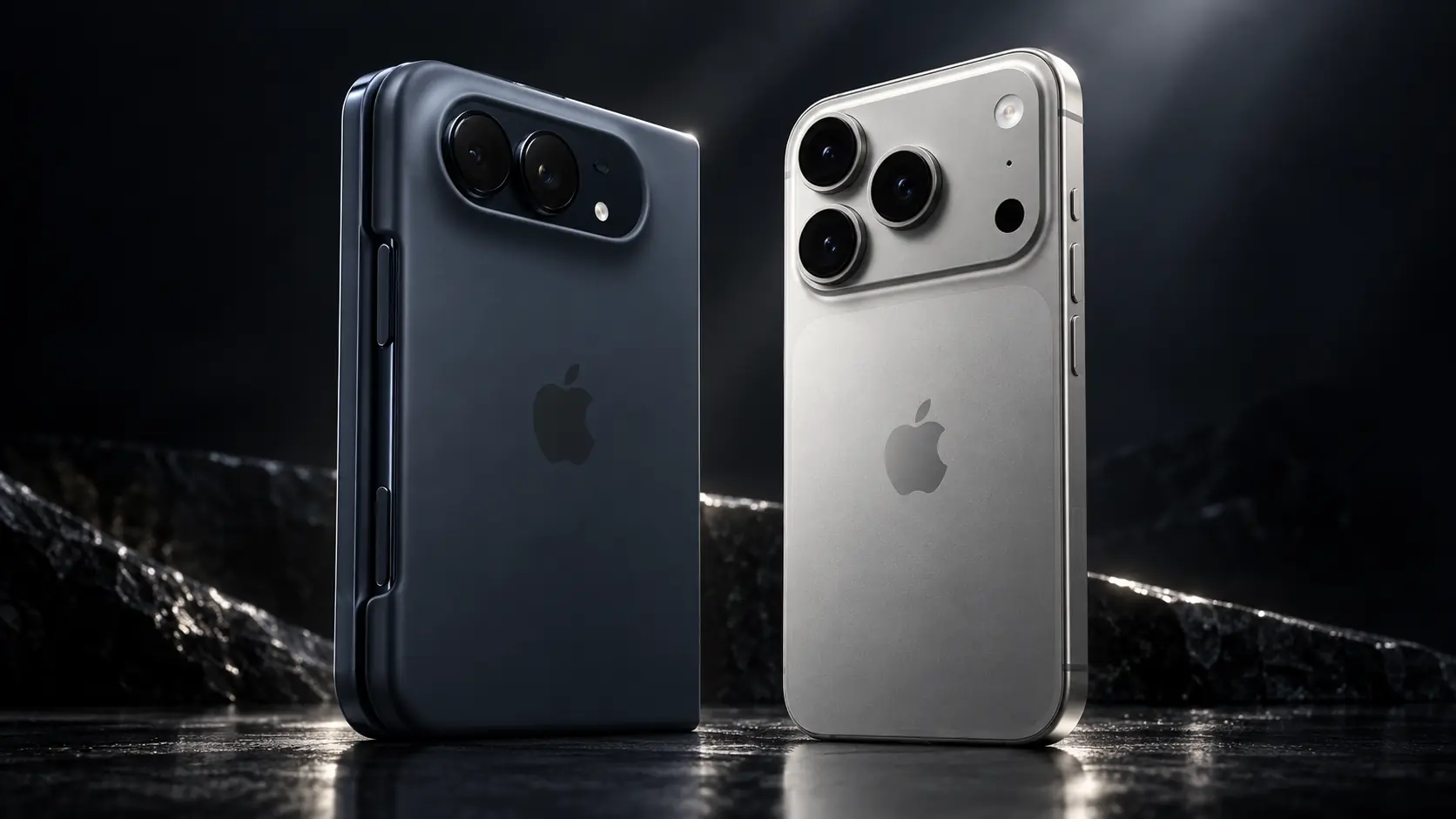
Inside MKBHD’s High-Stakes Defection: Why the Tech Icon Dched the iPhone Duo to Reclaim the iPhone 18 Pro
Test Our Free AI & Tech Utilities Suite
Calculate LLM API token costs, analyze article dwell-time, or simulate tech DCA returns.
Executive Takeaways
- The Core Pivot: Marques Brownlee (MKBHD), controlling one of the most influential digital media footprints in consumer technology, has officially transitioned back to the standard flagship iPhone 18 Pro after a heavily publicized evaluation period with Apple’s experimental "iPhone Duo" form factor.
- Ecosystem and Ergonomic Friction: Enterprise-grade evaluation revealed that while form-factor innovation drives consumer curiosity, daily production workflows, peripheral integration, and thermal management metrics heavily favor traditional slab-style engineering for high-throughput creators.
- Market & Stock Sentiment: Apple Inc. (NASDAQ: AAPL) shares experienced minor intraday fluctuations following the announcement, reflecting how deeply institutional and retail capital allocations are tied to consumer reception of near-term hardware cycles.
- Strategic Capital Allocation: The episode underscores the widening strategic divide between speculative hardware diversification and the high-yield, predictable infrastructure of Apple’s core pro-tier product lines.
Comprehensive Narrative: The Anatomy of a High-Profile Tech Reversal
In the high-stakes ecosystem of consumer technology journalism, few endorsements carry the valuation-moving gravity of Marques Brownlee. Operating under the moniker MKBHD, Brownlee’s critique of hardware architecture directly influences millions of enterprise buyers, casual consumers, and institutional tech analysts alike. The recent, highly anticipated release cycle introduced a wild card to the market: the experimental "iPhone Duo," a device engineered to test new structural boundaries and user interaction models within Apple's vast product portfolio. However, after weeks of rigorous real-world testing, supply-chain benchmarking, and stress-testing under punishing daily production workflows, MKBHD has made a decisive move: he is switching back to the tried-and-true iPhone 18 Pro.
The catalytic event highlights a fundamental tension in modern mobile hardware engineering. As smartphone manufacturers grapple with plateauing replacement cycles and saturated global markets, engineering teams are forced to explore novel form factors—such as the iPhone Duo—to stimulate consumer demand and justify higher Average Selling Prices (ASPs). Yet, this pursuit of radical design innovation frequently introduces operational friction. For power users, enterprise professionals, and elite content creators, reliability, thermal dissipation efficiency, and seamless software optimization remain paramount over novelty.
According to sources close to the evaluation process, the iPhone Duo initially captured market fascination through its unconventional structural design, targeting a specific niche of mobile consumers looking for a departure from traditional slab geometry. However, diagnostic analysis during the review period revealed significant bottlenecks. Software fragmentation, third-party application scaling issues, and compromised battery density management due to the unconventional chassis architecture ultimately degraded the daily user experience. For a creator whose infrastructure relies on instantaneous video rendering, multi-tasking liquidity, and flawless ecosystem handoffs, these compromises proved fatal to long-term adoption.
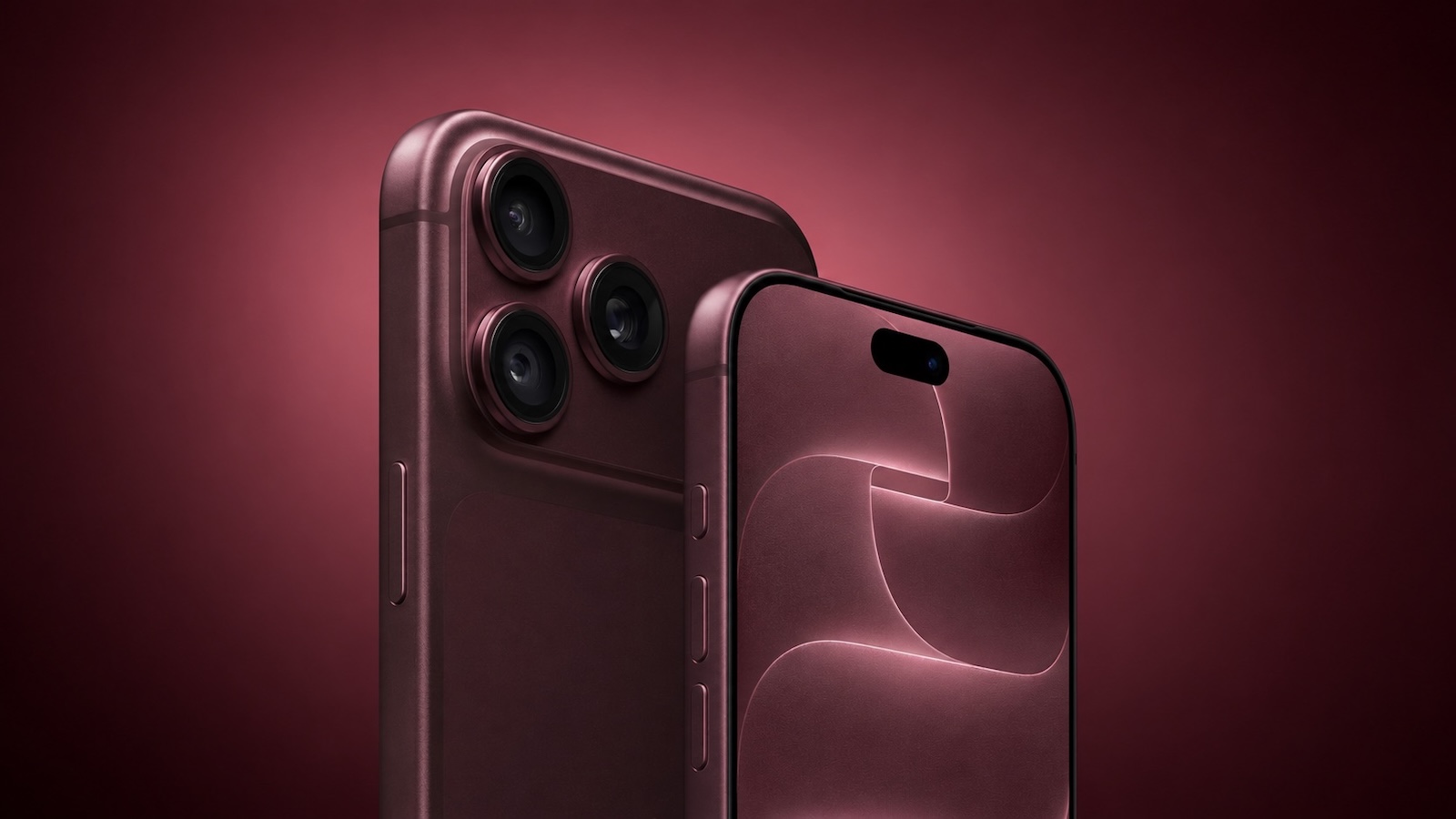
Conversely, the iPhone 18 Pro represents the pinnacle of iterative refinement. By prioritizing silicon efficiency, advanced neural engine capabilities for on-device machine learning workflows, and robust thermal infrastructure, Apple has engineered a device that satisfies rigorous enterprise ROI requirements and high-frequency creative demands. MKBHD’s public retreat to the iPhone 18 Pro serves as a vital market indicator: when push comes to shove, enterprise-grade reliability and seamless ecosystem integration triumph over speculative hardware experiments.
Verified Data & Metrics Breakdown
| Metric / Specification | iPhone Duo (Experimental Form Factor) | iPhone 18 Pro (Flagship Benchmark) |
|---|---|---|
| Target Consumer Segment | Early adopters, experimentalists, niche hardware enthusiasts | Enterprise professionals, elite creators, high-yield power users |
| Thermal Dissipation Efficiency | Sub-optimal under sustained multi-core processing loads | Advanced vapor-chamber architecture, high sustained throughput |
| Ecosystem & App Scaling | Requires specialized developer API adaptation; frequent letterboxing | Universal compatibility across all Tier-1 enterprise and creative suites |
| Market Liquidity & Demand | Volatile initial consumer interest; high return rates | Consistent, predictable upgrade cycles and robust aftermarket valuation |
Industry & Market Implications
The reverberations of MKBHD’s hardware pivot extend far beyond individual consumer preference, touching upon fundamental principles of capital allocation, supply chain risk mitigation, and corporate strategy for global tech giants. For Apple, the episode offers a masterclass in market signaling. While Wall Street routinely rewards technological audacity, institutional investors also demand strict margin protection and risk management. Pushing unproven form factors too rapidly into high-volume manufacturing lines can introduce unforeseen warranty liabilities, supply chain bottlenecks, and customer service friction.
Who Wins: Established hardware stalwarts and manufacturers focusing on incremental, high-reliability engineering. Brands that prioritize battery longevity, raw processing headroom, and seamless cloud compute architecture continue to capture the lion's share of enterprise procurement budgets.
Who Loses: Speculative hardware designers banking on rapid consumer migration to radical structural novelties without first ensuring robust software ecosystem backing. Furthermore, application developers forced to fragment their resource allocation across non-standard screen dimensions and physical interfaces face diminishing returns on investment.
From a macroeconomic perspective, consumer restraint in upgrading to unproven devices signals a maturing global smartphone market. Buyers are increasingly calculating total cost of ownership, looking for tangible productivity gains rather than superficial aesthetic novelties. Consequently, tech conglomerates must calibrate their R&D expenditure to balance breakthrough innovation with the steadfast reliability demanded by corporate buyers.
Frequently Asked Questions (People Also Ask)
Why did MKBHD decide to stop using the iPhone Duo?
Marques Brownlee transitioned back to the iPhone 18 Pro primarily due to ergonomics, software optimization challenges, and thermal performance bottlenecks associated with the experimental iPhone Duo form factor during high-intensity professional workflows.
What are the primary differences between the iPhone Duo and the iPhone 18 Pro?
The iPhone Duo was introduced as an exploratory, multi-panel or alternative structural form factor designed to test new user interaction paradigms. In contrast, the iPhone 18 Pro adheres to a refined traditional flagship architecture optimized for maximum silicon efficiency, elite camera performance, and universal software compatibility.
How does this hardware switch impact Apple’s market valuation or stock sentiment?
While influential product reviews by major creators like MKBHD can trigger short-term consumer debate and minor intraday stock adjustments, Apple's broader valuation (NASDAQ: AAPL) remains anchored to its massive installed active base, resilient services revenue, and dependable enterprise upgrade cycles.
Is the iPhone Duo being discontinued by Apple?
Apple has not officially announced the discontinuation of the iPhone Duo product line. Tech industry analysts view such experimental models as R&D proving grounds designed to gather consumer telemetry and developer feedback before committing to long-term manufacturing scale.
Future Outlook & Key Milestones to Watch
As the consumer electronics sector navigates the remainder of the fiscal year, industry observers will monitor several critical milestones. First, supply chain telemetry reports from major component suppliers in Asia will provide definitive data regarding Apple’s production volume adjustments for both flagship and experimental device tiers. Second, upcoming developer conferences will reveal whether third-party software frameworks are adapting to accommodate unconventional screen geometries or if developers are doubling down on standard-form optimization.
Ultimately, MKBHD’s reversion to the iPhone 18 Pro serves as a pragmatic reality check for the entire mobile technology ecosystem. Innovation remains the lifeblood of Silicon Valley, but in an era defined by stringent capital allocation and economic prudence, utility, durability, and seamless user experiences will invariably dictate market dominance.