The global sovereign debt architecture is undergoing a quiet, high-stakes structural engineering project. When the U.S. Treasury blindsided Wall Street on August 19 by announcing an unprecedented expansion of its debt buyback operations—at least doubling the volume of off-the-run, longer-dated Treasury bonds targeted for repurchase—it triggered an immediate shockwave across primary dealer desks. Far from a routine technical adjustment to cash management, this policy pivot reveals a profound anxiety at the intersection of fiscal dominance, market liquidity degradation, and structural risk mitigation. As advanced economies increasingly scramble to suppress rising government bond yields, Washington's latest maneuver signals that the world's most critical financial plumbing requires active, state-sponsored intervention to prevent periodic dysfunction.
Drawing on exclusive analyses from the Council on Foreign Relations and premier financial intelligence networks, this investigative report dissects the macro-financial mechanics of the Treasury's buyback initiative. We examine how quantitative tightening, soaring national debt issuance, and fragile secondary market liquidity have forced the world's premier sovereign issuer to adopt playbook tactics typically associated with central bank emergency interventions. For institutional portfolio managers, corporate treasurers, and institutional allocators navigating enterprise capital allocation, the implications extend far beyond short-term yield volatility, directly impacting risk-free benchmarks, corporate debt valuation multiples, and global portfolio risk mitigation strategies.
Executive Takeaways
- The August 19 Shock: The U.S. Treasury surprised global bond markets by announcing plans to at least double its buyback of longer-dated, off-the-run Treasury securities, signaling intense pressure on long-end market liquidity.
- Yield Suppression Mechanics: The initiative represents a sophisticated fiscal mechanism designed to smooth debt issuance, absorb duration risk, and structurally suppress rising long-term government bond yields without formally expanding Federal Reserve balance sheet mandates.
- Secondary Market Liquidity Revival: By systematically repurchasing illiquid, legacy debt instruments, the Treasury aims to enhance overall market depth, reduce dealer inventory constraints, and optimize borrowing costs for future federal auctions.
- Macroeconomic & Corporate Impact: While primary dealers and institutional asset managers benefit from enhanced execution certainty, critics warn of creeping fiscal dominance and blurred lines between monetary policy and debt management operations.
The Catalytic Pivot: Anatomy of the August 19 Announcement
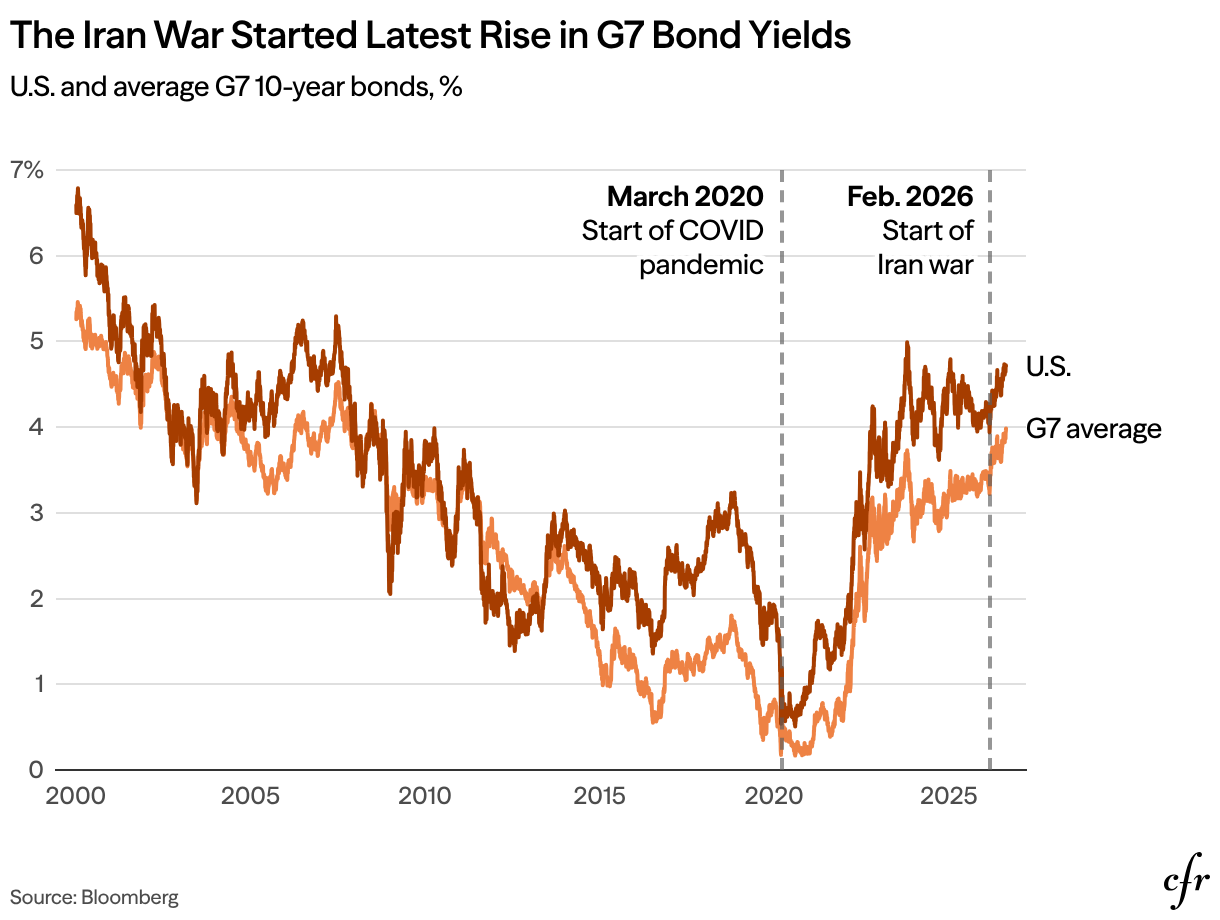
For decades, the mechanics of U.S. debt management operated under a predictable, albeit increasingly strained, paradigm: the Treasury issued standardized benchmark securities (2-year, 5-year, 10-year, and 30-year notes and bonds) via regular, predictable auctions, while secondary market liquidity was left primarily to primary dealers and high-frequency trading market makers. However, the post-pandemic macroeconomic landscape—characterized by persistent inflation, aggressive Federal Reserve quantitative tightening (QT), and a multi-trillion-dollar federal deficit—fundamentally fractured this framework.
By mid-August, secondary market liquidity metrics had deteriorated significantly. Market depth for off-the-run Treasuries—older, less liquid issues that make up the vast majority of the outstanding $27 trillion marketable debt stock—thinned to precarious levels. Bid-ask spreads widened, and primary dealers grew increasingly reluctant to absorb large blocks of duration risk onto their balance sheets amid stringent regulatory compliance frameworks like the Supplementary Leverage Ratio (SLR).
Enter the August 19 Treasury announcement. By committing to aggressively expand its buyback program, specifically targeting longer-dated paper, the Treasury engineered a dual-purpose intervention. First, it provides a reliable backstop for aging debt, allowing holders to swap illiquid legacy issues for fresh, highly liquid benchmark securities (liquidity support operations). Second, and more critically, it acts as a subtle yield-curve management tool. By retiring long-duration debt, the Treasury reduces the net duration burden resting on private balance sheets, exerting downward pressure on long-term yields precisely as net issuance scales to historic highs.
This strategy mirrors actions taken by other advanced economies grappling with sovereign debt indigestion. Yet, because it originates from the Treasury rather than the central bank, it skirts the immediate political optics of direct monetary financing, presenting a fascinating case study in modern fiscal-monetary coordination.
Verified Data & Metrics Breakdown
| Metric / Indicator | Pre-Announcement Baseline | Post-Announcement Target / Shift | Core Market Implication |
|---|---|---|---|
| Buyback Volume (Longer-Dated) | Baseline operational caps ($5B–$10B per quarter across sectors) | Doubled or greater expansion targeting off-the-run issues | Substantially increases federal absorption of long-duration risk |
| Market Liquidity (Off-the-Run Bid-Ask Spreads) | Elevated volatility and widened spreads amid thin dealer depth | Compression of spreads via guaranteed government repurchase bids | Lowers transaction costs and enhances institutional portfolio rebalancing |
| Weighted Average Maturity (WAM) | Extended duration profile due to heavy reliance on long-end issuance | Upward pressure mitigated; proactive shortening of outstanding debt profile | Reduces structural vulnerability to sudden long-end yield spikes |
| Primary Dealer Balance Sheet Capacity | Constrained by SLR and regulatory capital buffers | Relieved via active Treasury recycling of aging inventory | Frees up capital for corporate debt underwriting and repo market intermediation |
Industry & Market Implications: Winners, Losers, and Systemic Risk
Every major structural shift in the world's premier benchmark risk-free asset creates profound ripple effects across global capital markets. The Treasury's aggressive buyback posture is no exception, redrawing profitability and risk parameters across multiple financial sectors.
The Winners
Primary Dealers and Wall Street Trading Desks: Major banking institutions underwriting government debt stand to benefit immensely. The buyback program offers a reliable, government-backed exit valve for legacy inventory, mitigating the risk of catastrophic inventory mark-downs during bouts of macro volatility. This enhanced market liquidity directly improves capital efficiency and supports broader enterprise ROI for trading operations.
Corporate Issuers: Because Treasury yields serve as the foundational benchmark for corporate credit pricing, any structural suppression or stabilization of long-term yields helps anchor corporate borrowing costs. Chief Financial Officers looking at infrastructure scalability and long-term capital allocation find a more predictable interest rate environment for issuing corporate bonds and refinancing maturing debt.
The Losers and Vulnerabilities
Long-Term Fixed-Income Investors: Pension funds, life insurers, and liability-driven investors (LDIs) relying on long-duration assets to match long-term liabilities face a shrinking supply of ultra-long paper. As the Treasury actively repurchases off-the-run long bonds, the scarcity premium drives up prices and compresses yields, complicating actuarial return targets.
Monetary Policy Autonomy Advocates: Critics from academic and policy circles warn that active Treasury debt management designed to influence the yield curve infringes upon the traditional independence of the Federal Reserve. When the fiscal authority begins acting to suppress yields, the boundary between fiscal stimulus and monetary accommodation blurs, raising long-term inflationary risks.
Frequently Asked Questions (People Also Ask)
What exactly is a Treasury bond buyback program?
A Treasury bond buyback program involves the U.S. government repurchasing its own outstanding debt securities from the open market before their scheduled maturity dates. The Treasury typically targets "off-the-run" securities—older, less liquid bonds—to replace them with newly issued, highly liquid benchmark issues. This process improves overall secondary market liquidity and helps the Treasury manage its debt maturity profile more efficiently.
Why did the Treasury's August 19 announcement surprise the bond market?
The market was surprised because the scale and scope of the buyback expansion—doubling or more the targeted volume of longer-dated bonds—far exceeded consensus expectations. Rather than a routine cash-management operation, traders recognized the move as a deliberate structural intervention to absorb duration risk, calm volatile secondary markets, and exert downward pressure on long-term government bond yields.
How does the buyback initiative affect corporate bond yields and borrowing costs?
U.S. Treasury yields form the baseline foundation for all global credit markets. By actively intervening to stabilize and suppress long-term government yields through targeted buybacks, the Treasury indirectly helps anchor borrowing costs for corporate issuers. This provides stability for corporate capital allocation, mergers and acquisitions, and enterprise infrastructure financing.
Is this quantitative easing (QE) by another name?
No, Treasury buybacks are legally and mechanically distinct from Federal Reserve quantitative easing. While QE involves a central bank creating new money to purchase government debt and expand its balance sheet, Treasury buybacks are funded via the Treasury's general account or cash management bills, representing a debt management and liability restructuring operation rather than monetary expansion.
Future Outlook: Milestones to Watch
As the Treasury's expanded buyback program transitions from initial shock announcement to permanent operational reality, market participants must monitor several critical forward-looking indicators. First, watch the quarterly Treasury Refunding Announcements for incremental adjustments to buyback auction sizes across specific maturity buckets. A sustained escalation in buyback volumes would confirm that debt management officials view structural liquidity degradation as a persistent, multi-year challenge.
Second, track the interaction between Treasury buyback schedules and Federal Reserve quantitative tightening caps. As the Fed continues to roll off its balance sheet, the private market's capacity to absorb net debt issuance will be severely tested. The success of the Treasury's intervention will ultimately be judged by its ability to prevent market dysfunctions, maintain orderly yield curves, and preserve the unmatched liquidity of the $27 trillion U.S. sovereign debt market against an increasingly volatile macroeconomic backdrop.