WASHINGTON & NEW YORK — In a sweeping maneuver that sent immediate shockwaves through primary dealer trading desks and global fixed-income forums, the U.S. Treasury Department executed an unheralded policy pivot on August 19, 2026. As first detailed in exclusive analyses by the Council on Foreign Relations, the Treasury announced it would at least double its planned execution of longer-dated Treasury bond buybacks. This decisive intervention marks a profound turning point in modern fiscal management, exposing mounting structural strains within the world’s most critical debt market and forcing institutional portfolio managers to re-engineer their core asset allocation and risk mitigation strategies.
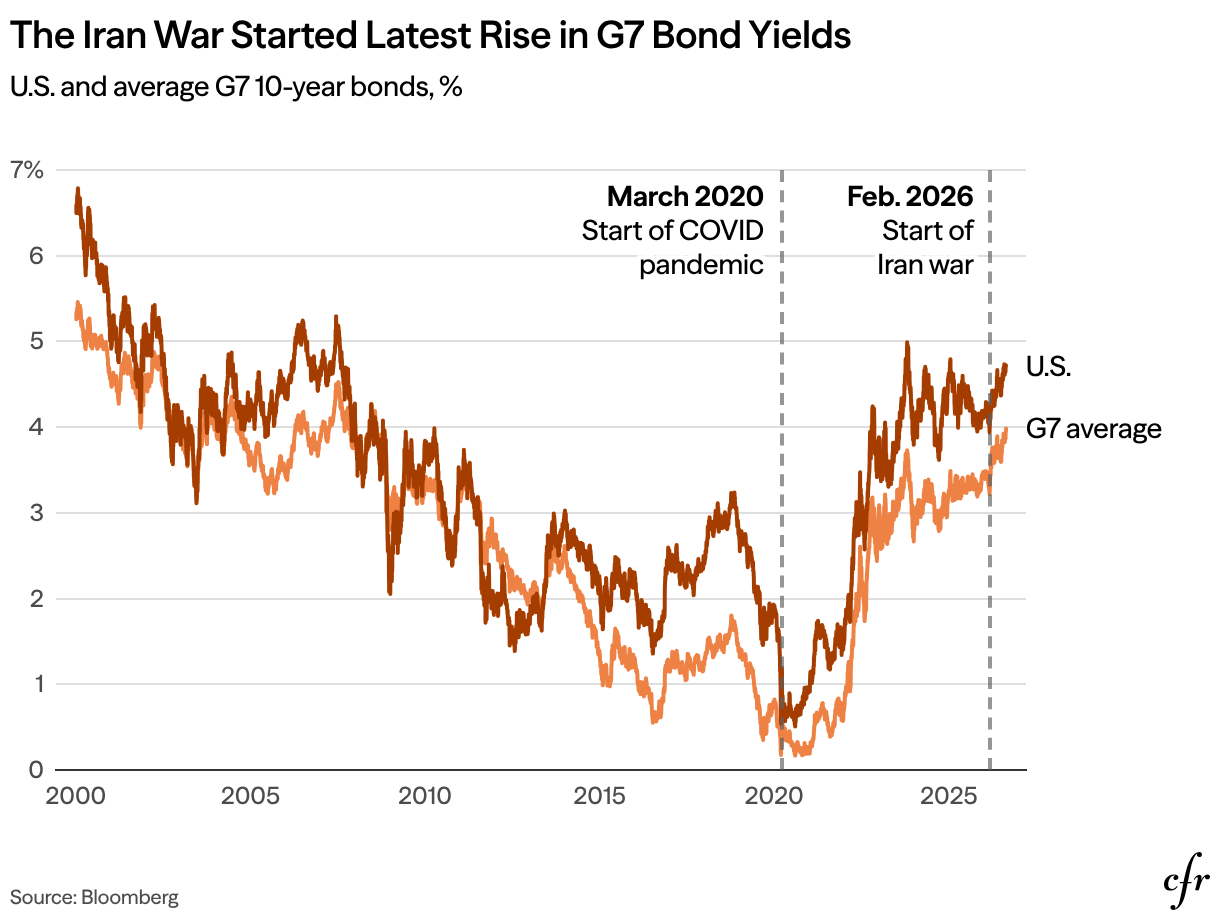
For months, sovereign debt markets have wrestled with colliding macroeconomic pressures: stubbornly persistent fiscal deficits, volatile term premiums, and an over-saturated primary issuance calendar. By stepping aggressively into the secondary market to repurchase long-dated paper, Washington is no longer merely managing cash flows—it is actively seeking to compress borrowing spreads, restore liquidity to malfunctioning market segments, and avert disorderly spikes in long-term sovereign yields. As institutional investors, sovereign wealth funds, and corporate treasurers digest the long-term implications, the buyback surprise serves as a stark reminder that monetary and fiscal authorities are increasingly deploying aggressive interventions to maintain financial stability.
Executive Takeaways
Test Our Free AI & Tech Utilities Suite
Calculate LLM API token costs, analyze article dwell-time, or simulate tech DCA returns.
- The Pivot: On August 19, 2026, the U.S. Treasury stunned Wall Street by committing to at least double its long-dated Treasury bond buyback volumes, signaling a radical shift in federal debt management.
- Yield Suppression & Liquidity: Designed to alleviate acute stress in secondary market liquidity and curb rising long-term borrowing costs, the intervention directly challenges prevailing market dynamics.
- Macroeconomic Repercussions: Institutional asset allocators must now recalibrate duration risk, enterprise capital allocation, and valuation multiples across global asset classes.
- Structural Parallels: The move echoes global central bank and treasury actions across advanced economies aimed at capping runaway government bond yields through targeted market operations.
The Anatomy of a Surprise: Unpacking the August 19 Intervention
The mechanics of the Treasury’s announcement caught even the most seasoned fixed-income strategists flat-footed. Traditionally, the Treasury’s buyback program—formalized earlier in the decade under Assistant Secretary for Financial Markets Joshua Frost—was billed primarily as a "liquidity support" exercise designed to smooth out off-the-run securities and enhance overall market functioning. However, doubling the scale of long-dated buybacks elevates the program from a routine operational tool to a potent instrument of debt management intervention.
At its core, the policy addresses a dangerous feedback loop in the $27 trillion U.S. Treasury market. Persistent multi-trillion-dollar federal deficits have forced the Treasury to flood primary auctions with an unprecedented supply of notes and bonds. This unrelenting supply shock, coinciding with the Federal Reserve’s ongoing quantitative tightening (QT) program, has depleted traditional buyer capacity. Primary dealers, constrained by stringent post-crisis regulatory compliance and capital adequacy rules, have struggled to absorb the sheer volume of paper without demanding higher yields—or term premiums—to compensate for holding duration risk.
When long-term yields spike uncontrollably, the ripple effects damage the broader financial architecture. Higher sovereign yields instantly reprice corporate debt issuance, inflate mortgage rates, and compress valuation multiples across equities and private equity portfolios. By stepping in to buy back longer-dated paper, the Treasury is effectively absorbing duration from the private sector, reducing the net supply of long-term debt, and artificially anchoring the long end of the yield curve. It is a calculated wager: sacrifice a degree of fiscal flexibility to re-establish calm and order in the foundational bedrock of global finance.
Verified Data and Metrics Breakdown
| Metric / Indicator | Pre-Announcement Baseline | Post-Announcement Target / Shift | Primary Market Impact |
|---|---|---|---|
| Buyback Execution Volume (Long-Dated) | Standard historical baseline run-rate | Doubled (at least 2x previous caps) | Immediate compression of long-term yields and reduced net duration supply |
| Primary Issuance Absorption | Heavy reliance on primary dealer balance sheets | Direct absorption by the sovereign balance sheet | Alleviates dealer balance sheet constraints and enhances secondary market liquidity |
| Term Premium Volatility | Elevated, reflecting persistent fiscal deficit concerns | Downward pressure on long-duration risk pricing | Lowers corporate borrowing benchmarks and stabilizes mortgage indices |
| Global Policy Alignment | Fragmented sovereign debt management | Synchronized with advanced economy yield-limitation efforts | Reinforces global central bank and treasury intervention playbooks |
Industry & Market Implications: Winners, Losers, and Systemic Shifts
Every major structural intervention in the sovereign debt market creates immediate winners and losers across the financial ecosystem. Understanding these dynamics is critical for institutional investors navigating this new regime.
Primary Dealers and Commercial Banks: Major financial institutions win significantly in the near term. The Treasury’s aggressive buyback schedule provides a reliable secondary market outlet, relieving balance sheet capacity constrained by regulatory compliance rules. Banks can offload off-the-run inventory more efficiently, reducing their exposure to acute market volatility and freeing up capital for other lending operations.
Corporate Borrowers and CFOs: Corporate treasuries gain breathing room. With the Treasury suppressing runaway long-term yields, corporate bond issuers face a more stable benchmark against which to price debt. This stabilization improves capital allocation strategies, facilitates smoother infrastructure scalability financing, and reduces the cost of capital for long-term corporate investments.
Fixed-Income Investors and Pension Funds: Long-only institutional investors, pension funds, and insurance companies face a more complex calculus. While the buyback program provides immediate capital gains on existing long-duration holdings as yields compress, it simultaneously depresses future reinvestment yields. Asset allocators seeking predictable liability-matching returns must now contend with an artificial distortion in the natural price discovery mechanism of the yield curve.
Currency Markets and Foreign Holders: Foreign central banks and international investors holding substantial U.S. dollar reserves must evaluate the inflationary and fiscal signaling of the move. Aggressive debt management interventions can sometimes weigh on currency valuations if foreign capital perceives a blurring of lines between fiscal stimulus and market manipulation.
People Also Ask (FAQ)
1. Why did the U.S. Treasury announce a sudden increase in bond buybacks?
The Treasury escalated its buyback program to address severe secondary market liquidity strains, absorb excess long-duration supply driven by large federal deficits, and exert downward pressure on rising long-term bond yields that threaten broader financial stability.
2. How does a Treasury buyback differ from Federal Reserve quantitative easing (QE)?
While both operations involve purchasing government debt to lower yields and inject liquidity, QE is conducted by the Federal Reserve by creating central bank reserves to influence monetary policy. Treasury buybacks are executed directly by the executive branch's fiscal agency using cash management balances or debt issuance proceeds to manage the government's liability profile.
3. What are the implications of this policy shift for corporate borrowers and equity markets?
By helping to cap long-term borrowing costs, the Treasury's action stabilizes corporate debt issuance benchmarks. This reduces refinancing risk for corporations, supports favorable valuation multiples in equity markets, and lowers mortgage and consumer loan rates relative to where they would be under unmitigated supply pressures.
4. Is this intervention a sign of structural distress in the U.S. sovereign debt market?
Financial analysts view the move as an acknowledgment of mounting structural friction. While the U.S. debt market remains the deepest and most liquid in the world, chronic fiscal deficits and heavy issuance schedules require active, hands-on management from the Treasury to prevent disorderly market dislocations.
Future Outlook: Key Milestones to Watch
As the dust settles on the August 19 announcement, market participants must look ahead to several critical inflection points that will determine whether this policy pivot successfully stabilizes the bond market or merely masks deeper structural imbalances.
First, monitor the upcoming quarterly refunding announcements and regular Treasury auction results. Pay meticulous attention to bid-to-cover ratios and primary dealer takedown percentages, which will reveal whether private-sector demand is organically recovering or remaining heavily reliant on public-sector backstops. Second, watch the trajectory of term premiums and the 10-year to 30-year yield spread. If long-term yields resume their upward march despite expanded buybacks, pressure will mount on fiscal authorities to introduce even more aggressive structural reforms.
Ultimately, the Treasury's buyback surprise signals that sovereign debt management has entered a highly active, interventionist era. For institutional investors, risk mitigation, rigorous duration management, and constant vigilance regarding fiscal policy shifts will separate top-tier performers from the rest in an increasingly volatile global economy.