Executive Takeaways
- Unprecedented Capital Allocation: The digital asset sector has funneled record venture capital and super PAC funding into Washington, securing unprecedented political alignment following the 2024 election cycle.
- The Structural Pivot: Decentralized finance (DeFi) protocols and enterprise tokenization platforms are shifting from speculative retail instruments to institutional-grade balance sheet assets.
- Regulatory Crossroads: As the legislative honeymoon period concludes, the industry faces fierce friction over systemic risk mitigation, capital adequacy standards, and SEC-CFTC jurisdictional turf wars.
- Valuation Multiples at Risk: Institutional market liquidity and enterprise ROI now hinge entirely on whether the legislative framework can deliver clear operational runways without triggering macro systemic contagion.
WASHINGTON — For eighteen months, the intersection of K Street and Pennsylvania Avenue has resembled a gold rush dispensary. Backed by an unprecedented convergence of populist political winds, venture capital war chests, and aggressive lobbying operations, the cryptocurrency industry engineered the most formidable regulatory turnaround in modern financial history. The narrative was intoxicating: digital assets would be embraced as a cornerstone of American economic dominance, sovereign debt management, and next-generation capital allocation.
Yet, as the dust settles on the initial legislative victories and executive appointments of the post-election era, a harsher institutional reality is setting in. The Trump-fueled Washington boom has officially reached its endgame. The era of ideological sloganeering and speculative hype is giving way to the grinding machinery of administrative law, systemic risk mitigation, and institutional risk management. For enterprise investors, venture capitalists, and market-makers, the stakes have never been higher. The transition from political pandering to hard-nosed regulatory execution will dictate whether crypto cements itself as an indispensable pillar of global finance or fragments under the weight of its own structural contradictions.
The Anatomy of a Political Super-Cycle
Test Our Free AI & Tech Utilities Suite
Calculate LLM API token costs, analyze article dwell-time, or simulate tech DCA returns.
To understand the current crossroads, one must examine the mechanics of how the digital asset lobby transformed from an embattled outsider into a dominant Capitol Hill force. Following years of aggressive enforcement actions by federal regulators—characterized by the industry as "regulation by enforcement"—major industry players executed a pivot toward electoral politics. Super PACs such as Fairshake deployed over $100 million in cumulative capital allocation, systematically reshaping congressional primaries and general election outcomes on both sides of the aisle.
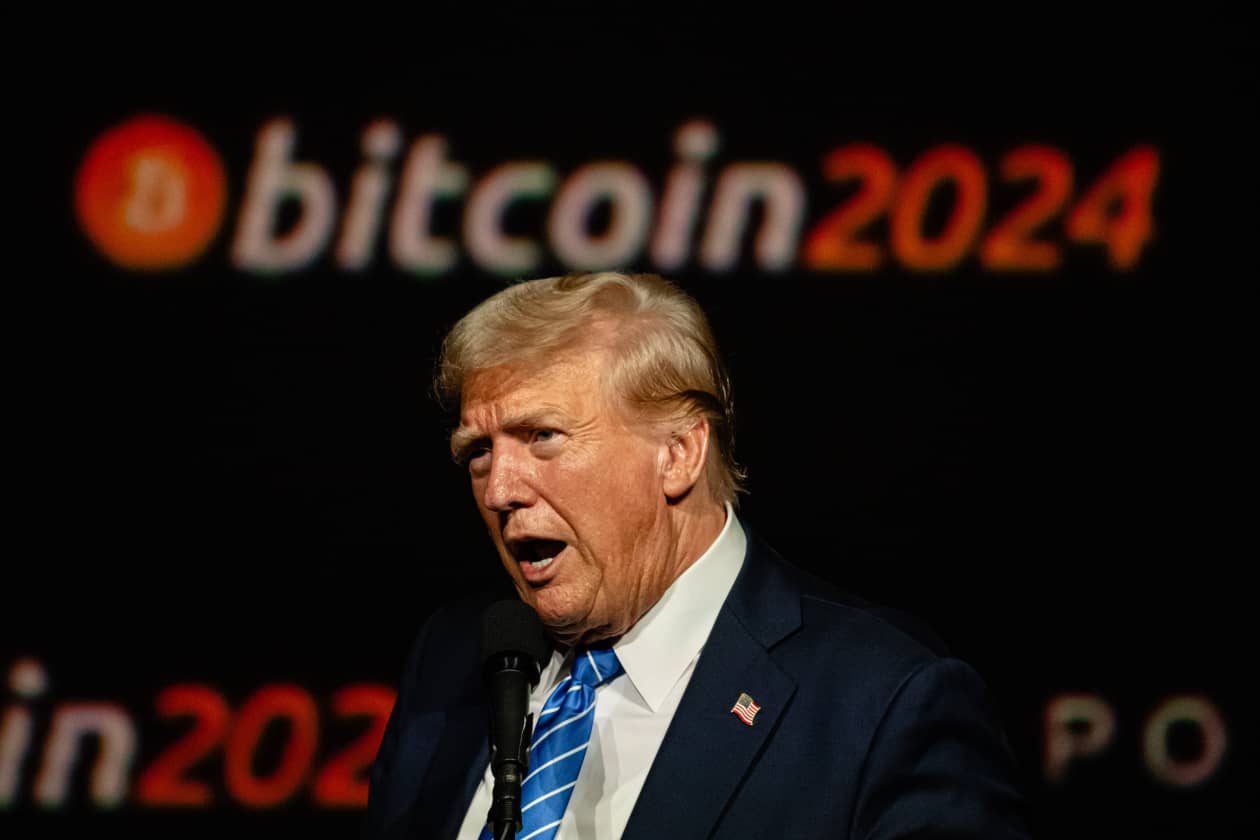
The catalytic event arrived on the campaign trail, where political realignment intersected with raw digital asset liquidity. By championing self-custody rights, stablecoin dominance, and a strategic national bitcoin reserve, the administration-in-waiting secured an army of single-issue retail and institutional donors. Upon taking office, this political debt came due with remarkable speed. Key regulatory posts were flooded with candidates sympathetic to technological innovation, while legacy enforcement agencies were forced to review their aggressive posture toward decentralized finance (DeFi) and tokenized real-world assets (RWAs).
However, seasoned investigative reporters tracking the corridors of power note a classic Washington paradox: absolute political alignment often breeds internal regulatory friction. As the administration attempts to fulfill contradictory promises—maintaining fiat hegemony via dollar-pegged stablecoins while encouraging permissionless decentralized networks—the limits of political fiat are being brutally exposed.
Infrastructure Scalability Meets Institutional Risk
Beneath the political theater lies a fundamental technological and financial transformation. Enterprise-grade crypto is no longer merely about trading volatile speculative tokens on centralized exchanges. Instead, institutional capital allocation is zeroing in on cloud compute architecture for zero-knowledge proofs, layer-2 throughput optimization, and institutional-grade custody solutions.
Wall Street asset managers are no longer asking whether to engage with digital assets, but rather how to optimize their capital efficiency within existing regulatory compliance frameworks. Yet, this institutionalization comes with a heavy tax. Traditional financial institutions demand robust risk mitigation protocols, anti-money laundering (AML) compliance, and verifiable counterparty risk disclosures that often clash with the ethos of permissionless systems.
| Metric / Parameter | 2022 Bear Market Era | 2024–2025 Washington Boom | Current Endgame Reality |
|---|---|---|---|
| Political Spending (Super PACs) | ~$20 Million | Over $130 Million | Institutionalized Lobbying & Direct Equity Stakes |
| Regulatory Posture | Hostile / Enforcement-First (SEC) | De-escalation & Innovation Mandates | Granular Compliance & Jurisdictional Turf Wars |
| Institutional Liquidity | Retreating / Bank Insolvencies | Spot ETF Inflows ($50B+) | Selective Rebalancing & Balance Sheet Prudence |
| Primary Asset Focus | Retail Speculation / Altcoins | Bitcoin, Ethereum, & US-Backed Stablecoins | Enterprise Tokenization & Real-World Yields |
The valuation multiples of crypto-native enterprises now depend entirely on their ability to integrate seamlessly with traditional financial market plumbing. Companies that fail to modernize their governance structures face immediate punitive discounting from institutional risk committees, rendering purely speculative tokens increasingly toxic for institutional portfolios.
Who Wins, Who Loses: The Economic Fallout
As the Trump-fueled crypto boom transitions into its regulatory endgame, clear winners and losers are emerging across the global financial landscape:
- The Winners: Regulated Custodians and Enterprise Infrastructure Providers. Wall Street banking giants, specialized institutional custodians, and compliance-first software firms are capturing massive market share. By bridging legacy finance with decentralized ledgers, these entities are extracting predictable fee revenue while outsourcing regulatory risk.
- The Winners: Dollar-Backed Stablecoin Issuers. With Washington increasingly viewing stablecoins as a critical tool to reinforce global demand for U.S. Treasury debt, regulated issuers are cementing an unassailable moat against foreign central bank digital currencies (CBDCs).
- The Losers: Ideological Purists and Unregistered Protocols. Decentralized finance projects that operate in regulatory gray areas without KYC/AML guardrails are facing severe isolation. Institutional market liquidity will bypass non-compliant pools, driving liquidity into walled-garden permissioned networks.
- The Losers: Speculative Retail Investors. The shift toward institutional-grade asset classes means the days of hyper-parabolic, unregulated micro-cap token rallies driven purely by social media hype are rapidly drawing to a close, replaced by structured asset classes subject to traditional market cycles.
Frequently Asked Questions (People Also Ask)
What triggered the current regulatory shift for cryptocurrency in Washington?
The pivot was driven by a combination of unprecedented political fundraising by crypto-focused super PACs during the 2024 election cycle, growing bipartisan recognition of blockchain technology's strategic importance, and intense lobbying pressure from venture capital heavyweights seeking clear operational guidelines rather than punitive SEC enforcement.
How does the Trump administration's policy affect institutional crypto adoption?
While the administration has fostered a pro-innovation environment and championed initiatives like strategic digital asset reserves, it has simultaneously increased pressure on institutional market participants to adhere to strict anti-money laundering, capital adequacy, and consumer protection frameworks, narrowing the gap between crypto and traditional banking.
What are the primary risks facing the digital asset sector in this endgame phase?
Key risks include protracted jurisdictional battles between the SEC and the CFTC, unexpected systemic liquidity crunches, friction over stablecoin yield regulations, and the potential for heavy-handed compliance mandates that stifle open-source developer communities.
Will retail investors still have access to decentralized finance (DeFi) protocols?
Retail access will likely persist, but it will be increasingly bifurcated. Fully compliant, institutionalized DeFi front-ends will implement strict gating and identity verification (such as zero-knowledge KYC), while entirely permissionless protocols may be pushed further to the fringes of global liquidity pools.
Future Outlook: Milestones to Watch
Looking ahead over the next 12 to 24 months, the trajectory of the digital asset economy will be determined by three critical regulatory and market milestones:
- Congressional Market Structure Legislation: Watch for the final passage of comprehensive bills designed to demarcate the exact boundaries between SEC securities oversight and CFTC commodity jurisdiction. A clear statutory definition will unlock tens of billions in sidelined institutional capital allocation.
- Stablecoin Yield and Reserve Auditing Standards: The implementation of federal reserve requirements for dollar-pegged stablecoins will test the operational resilience of major issuers. Strict reserve mandates could consolidate market share among a handful of banking-partnered giants.
- Cross-Border CBDC and Tokenized Settlement Integration: The rollout of wholesale tokenized deposit networks by major global financial centers will test whether public-chain infrastructure can genuinely compete with permissioned consortium ledgers for multi-trillion-dollar foreign exchange and debt settlements.
The Washington crypto boom was fueled by political alliance, venture capital muscle, and populist economic promises. But as that boom reaches its definitive endgame, the industry is discovering a harsh truth: survival in the upper echelons of global finance requires more than political patronage. It demands structural maturity, flawless risk mitigation, and unwavering compliance with the architectural realities of the international financial system.