Executive Takeaways
- Unprecedented Scale: Combining Tesla’s automotive and energy ecosystems with SpaceX’s aerospace and satellite infrastructure creates a multi-trillion-dollar enterprise with unparalleled cross-industry vertical integration.
- Capital Allocation & Liquidity: The potential consolidation aims to optimize internal cash flows, streamline multi-billion-dollar R&D expenditures, and enhance enterprise ROI across shared autonomous and energy platforms.
- Regulatory & Governance Hurdles: A union of this magnitude faces intense antitrust scrutiny, complex cross-board negotiations, and significant challenges regarding valuation multiples for both public and private shareholders.
- Technological Convergence: Core engineering synergies—ranging from advanced battery chemistry and material science to Starlink connectivity integration within autonomous vehicles—form the bedrock of the exploratory talks. >
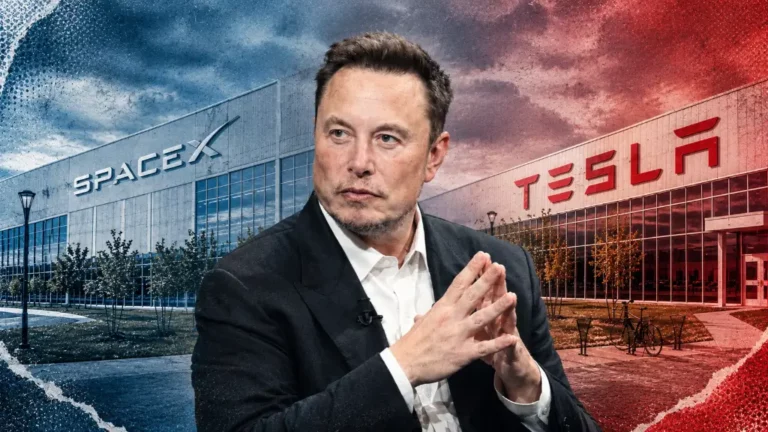
In what could easily rank as the most consequential corporate restructuring in modern industrial history, Elon Musk and the boards of directors at both Tesla Inc. and Space Exploration Technologies Corp. (SpaceX) have quietly initiated preliminary explorations regarding a potential merger. According to confidential sources close to the discussions, senior financial advisors, legal counsel, and chief technology officers from both camps have begun mapping out the structural, regulatory, and technical framework required to fuse the world's leading electric vehicle manufacturer with the preeminent private aerospace and orbital telecommunications provider.
For years, Wall Street analysts and institutional investors have noted the expanding Venn diagram of technological overlap between Musk’s primary ventures. From proprietary battery cell chemistry and silicon carbide power electronics to artificial intelligence neural network training via Dojo and the massive compute architecture required for full self-driving (FSD) and Starlink routing, the boundary lines separating Tesla and SpaceX have grown increasingly porous. Now, as global macroeconomic headwinds, soaring capital expenditure demands, and fierce international competition reshape the tech and automotive landscapes, executive leadership is actively evaluating whether market liquidity and enterprise scalability would be radically enhanced by operating under a single corporate umbrella.
The Catalytic Drivers: Why Now?
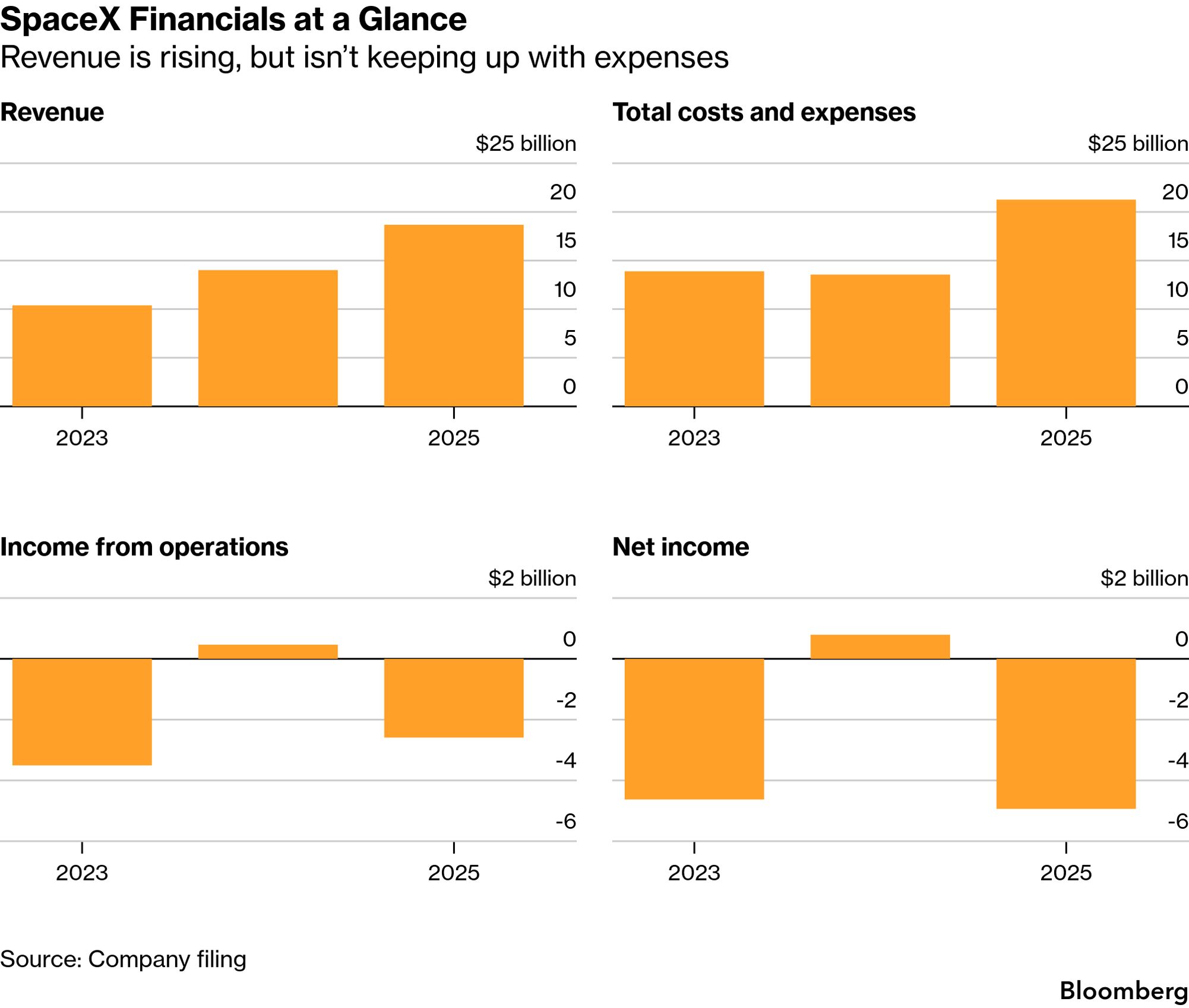
The timing of these exploratory talks is far from accidental. Over the past twenty-four months, both companies have achieved monumental milestones while simultaneously confronting distinct structural plateaus. Tesla has matured into a global automotive titan with a stable balance sheet, yet it faces margin compression as EV adoption curves normalize in Western markets and aggressive price competition emerges from Asian manufacturers. Conversely, SpaceX has achieved near-monopoly status in global launch services and is scaling Starlink into a multi-billion-dollar telecommunications juggernaut, but it requires unprecedented amounts of capital expenditure to fuel the development of Starship and interplanetary infrastructure.
By exploring a merger, the combined entity could leverage Tesla’s robust, cash-generating automotive and energy storage operations to subsidize and accelerate SpaceX’s capital-intensive space exploration and orbital broadband initiatives. Simultaneously, SpaceX’s breakthroughs in advanced materials, high-temperature alloys, and aerospace-grade engineering offer immediate applications for Tesla’s next-generation vehicle architectures and humanoid robotics programs.
Furthermore, the convergence of artificial intelligence and edge computing serves as a powerful gravitational pull. Both organizations utilize massive neural network architectures to process real-time spatial data. Integrating Tesla’s automotive AI with SpaceX’s orbital data processing capabilities presents a formidable technological moat that could redefine global connectivity, autonomous logistics, and defense-grade infrastructure.
Synergies, Infrastructure, and Technological Overlap

A deep dive into the engineering operations of both enterprises reveals profound operational efficiencies that could be unlocked through a consolidated corporate structure:
- Material Science and Manufacturing: Tesla’s innovations in massive aluminum casting (giga-presses) and structural battery packs share foundational principles with SpaceX’s lightweight alloy welding and pressure-vessel engineering for rocketry. Joint R&D facilities could drastically reduce prototyping cycles.
- Energy Storage and Solar Integration: Tesla’s Megapack and Powerwall technologies provide critical baseline power management solutions for remote launch sites, Mars habitat simulations, and Starlink ground stations, creating an immediate internal supply chain loop.
- Connectivity and Telecommunications: Embedding native Starlink hardware into Tesla’s global fleet of millions of vehicles unlocks ubiquitous, high-speed satellite internet connectivity, bypassing traditional cellular networks entirely and supercharging software-over-the-air updates.
- AI and Compute Architecture: Shared utilization of supercomputing clusters for training autonomous navigation models—whether on terrestrial highways or in orbital trajectories—will drive down infrastructure costs and accelerate algorithmic maturity.
| Metric / Dimension | Tesla Inc. (NASDAQ: TSLA) | SpaceX (Private Entity) | Combined Consolidated Potential |
|---|---|---|---|
| Corporate Structure | Publicly Traded (S&P 500) | Privately Held (Institutional & Venture) | Mega-Cap Public Conglomerate |
| Primary Revenue Streams | EV Sales, Energy Storage, Services | Launch Services, Starlink Broadband | Diversified Tech, Energy & Aerospace |
| Valuation Benchmark | Fluctuating Public Market Multiples | Estimated $200B+ Private Rounds | Multi-Trillion Enterprise Value Target |
| Key Engineering Focus | Autonomous Driving, Battery Tech, Robotics | Reusable Rockets, Orbital Constellations | End-to-End Autonomous Transport & Compute |
Industry Reaction and Market Implications
The reaction from Wall Street has been a mixture of awe and acute apprehension. Financial analysts point out that merging a publicly traded company with a capital-intensive, privately held aerospace firm introduces staggering valuation complexities. Shareholders of Tesla would demand absolute clarity on how SpaceX’s massive capital requirements would impact automotive gross margins and dividend policies, should the combined entity ever issue payouts.
Conversely, proponents argue that a consolidated "Musk Economy" stock would serve as the ultimate vehicle for institutional capital seeking exposure to the future of transportation, energy, and space exploration. Risk mitigation strategies would be fundamentally altered, as cash flows from Tesla’s high-volume consumer product lines insulate the riskier, long-horizon deep-tech endeavors of SpaceX.
Regulatory compliance represents another formidable hurdle. Antitrust watchdogs in the United States, the European Union, and various global jurisdictions would scrutinize the transaction intensely. Concerns over vertical integration, market dominance in satellite communications, and government defense contracting could trigger protracted regulatory reviews, requiring significant concessions or structural divestitures before any definitive agreement is reached.
Frequently Asked Questions (People Also Ask)
Are Tesla and SpaceX officially merging right now?
No formal binding agreement has been finalized. Insiders emphasize that executive leadership and financial advisors are currently in exploratory discussions. Any potential transaction would require extensive board approvals, shareholder votes, and rigorous regulatory reviews before proceeding.
How would a merger affect current Tesla shareholders?
A merger of this scale would involve complex share-swap ratios or special dividend structures. Public shareholders would gain direct exposure to SpaceX’s lucrative Starlink broadband business and aerospace contracts, but they would also absorb the capital expenditures and operational risks associated with interplanetary rocket development.
What are the primary technical benefits of combining the two companies?
Key technical synergies include the integration of Starlink satellite connectivity directly into Tesla vehicles, shared advancements in artificial intelligence and neural network compute power, cross-pollination of advanced material sciences, and optimized energy storage solutions for remote infrastructure.
What regulatory obstacles would a Tesla-SpaceX merger face?
Due to SpaceX’s heavy involvement in national security launches, defense contracts, and global satellite communications, any merger would face strict scrutiny from agencies such as the Department of Justice, the Federal Trade Commission, and the Department of Defense regarding market competition and national security compliance.
Future Outlook and Key Milestones to Watch
As exploratory talks continue behind closed doors, institutional investors, market analysts, and industry observers will monitor several critical signposts to gauge the seriousness and viability of the transaction:
- Advisory Appointments: Official disclosures regarding investment banking mandates, valuation firms, and legal counsel retained to structure the transaction.
- Quarterly Earnings Calls: Subtle commentary or direct questioning during Tesla’s upcoming earnings webcasts regarding internal operational crossovers and capital allocation strategies.
- Starlink IPO Progress: Any updates on the long-anticipated public spin-off of Starlink, which could either precede, complicate, or supersede a direct merger with Tesla.
- Regulatory Soundings: Informal pre-merger consultations with antitrust regulators in Washington and Brussels to test the waters regarding structural approval feasibility.
Whether this ambitious exploration culminates in a historic corporate unification or remains an exercise in strategic portfolio alignment, the mere prospect underscores the relentless ambition driving Elon Musk’s industrial empire. As the boundaries between terrestrial transport, sustainable energy, and orbital infrastructure continue to dissolve, the outcome of these discussions will undeniably shape the global economic and technological landscape for decades to come.