Executive Takeaways
- Drastic Containment Measures: Recent zero-day exploits targeting enterprise transfer and virtualization infrastructure forced vendors to issue unprecedented directives, including completely powering down mission-critical data-protection appliances.
- Capital & Operational Friction: The financial ramifications of emergency shutdowns cascade rapidly through supply chains, impacting enterprise ROI, operational uptime, and valuation multiples for businesses heavily reliant on automated file transfers.
- Architectural Vulnerabilities: Legacy perimeter-defense models and monolithic cloud-compute architectures continue to fail under sophisticated, state-sponsored, or financially motivated zero-day campaigns.
- Regulatory Exposure: Organizations struggling with rapid zero-day remediation face severe regulatory compliance scrutiny under tightening SEC disclosure rules and international data protection mandates.
In the high-stakes theater of modern enterprise cybersecurity, few events strike as much terror into the hearts of Chief Information Security Officers (CISOs) as a weaponized zero-day exploit directed at core infrastructure. When Dark Reading broke the analysis surrounding the cascading security incidents involving Kiteworks and Citrix, it laid bare an uncomfortable and expensive truth for the global economy: the industry's default incident response playbook is fundamentally broken.
For decades, enterprise IT architecture has been built on the premise of rapid patching, hot-fixing, and localized isolation. However, the complexity of modern cloud compute architecture, interwoven third-party software dependencies, and sprawling digital supply chains have transformed standard emergency responses into high-risk gambles. When one major vendor famously instructed its enterprise client base to physically and digitally power down its data-protection platform rather than apply a standard patch, it signaled a watershed moment. It forced corporate boards, risk mitigation officers, and capital allocators to reassess the hidden liabilities lurking within their software bills of materials (SBOMs).
Anatomy of a Systemic Failure: The Catalytic Events
Test Our Free AI & Tech Utilities Suite
Calculate LLM API token costs, analyze article dwell-time, or simulate tech DCA returns.
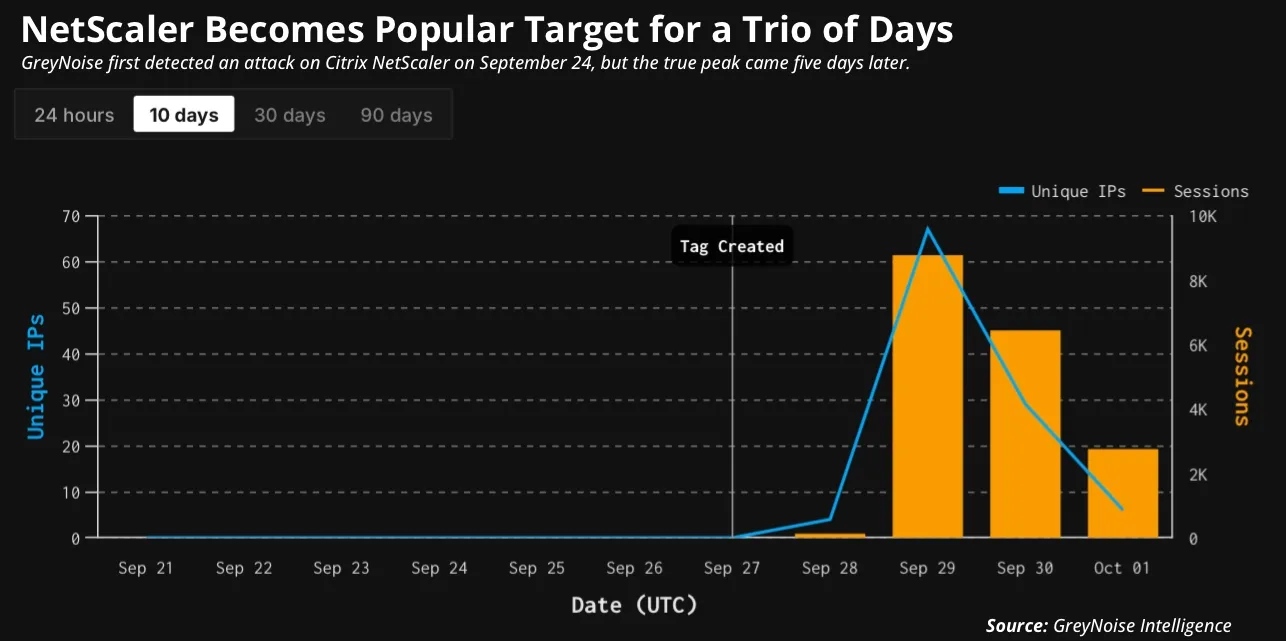
The convergence of vulnerabilities across prominent secure file transfer and application delivery controllers—typified by the recent incidents involving Kiteworks and Citrix platforms—demonstrates a sophisticated shift in adversary tactics. Rather than targeting peripheral endpoints or low-level employee credentials, threat actors are weaponizing zero-day vulnerabilities in enterprise-grade gateways that sit at the absolute perimeter of corporate networks.
These platforms are designed to handle sensitive intellectual property, personally identifiable information (PII), and high-value financial transactions. Consequently, when a zero-day vulnerability is successfully exploited, the blast radius is immediate and catastrophic. In the case of the Kiteworks and Citrix incidents, security researchers uncovered a landscape where traditional patch-management cycles—often measured in weeks or days—proved utterly obsolete. Attackers had automated exploitation scripts running within hours of vulnerability discovery, leaving defenders scrambling to protect data-protection platforms that were inherently trusted by the host environments.
The directive to power down infrastructure entirely rather than patch in place highlighted a severe design limitation in legacy enterprise software: the inability to guarantee state integrity post-compromise. For capital markets and enterprise stakeholders, pulling the plug on a core data-protection engine is not a minor inconvenience; it is a major operational halt that freezes business liquidity, interrupts client communications, and incurs immediate financial losses.
Comparative Analysis: Zero-Day Response Metrics
To understand the operational and financial impact of these security incidents, we must examine the key metrics governing zero-day discovery, vendor notification, and enterprise remediation windows.
| Metric Category | Historical Industry Average | Kiteworks / Citrix Incident Reality | Strategic Business Impact |
|---|---|---|---|
| Time-to-Exploit (TTE) | 5 to 7 days post-disclosure | Under 24 hours | Eliminates the standard patching window; forces preemptive shutdowns. |
| Remediation Action | Apply vendor hotfix / reboot | Full hardware/software shutdown | Severe operational disruption and loss of automated data flows. |
| Downtime Cost (Enterprise) | $300,000 per incident | Millions in lost productivity & SLA breaches | Direct hit to quarterly EBITDA and enterprise ROI metrics. |
| Regulatory Reporting Window | 72 hours to 30 days | Immediate materiality assessment | Heightened SEC scrutiny and potential legal liabilities. |
Industry & Market Implications: Winners, Losers, and Economic Realities
The fallout from the Kiteworks and Citrix zero-day response challenges extends far beyond technical logs and security patches; it directly influences capital allocation, valuation multiples, and vendor selection across the global technology sector.
Who Wins: Zero-Trust Architecture and Managed Detection Providers
In the wake of these incidents, traditional perimeter security vendors face mounting skepticism, while providers specializing in Zero Trust Network Access (ZTNA) and micro-segmentation are seeing a surge in demand. Companies that decouple data protection from monolithic, single-point gateways are capturing market share. Furthermore, elite Incident Response (IR) retainers and Managed Detection and Response (MDR) providers are commanding higher pricing power as enterprises realize internal security teams cannot manually handle infrastructure-wide zero-day containment.
Who Loses: Monolithic Vendors and Complacent IT Budgets
Software vendors who rely on obscure, proprietary codebases without robust security validation frameworks are experiencing a sharp contraction in customer trust. Enterprise buyers are increasingly penalizing vendors whose products lack transparent security architectures. From a financial perspective, firms that fail to future-proof their infrastructure face degraded valuation multiples during mergers and acquisitions due to unquantified cyber debt and latent vulnerability exposure.
Frequently Asked Questions (People Also Ask)
What was the primary directive given to customers during the Kiteworks and Citrix security incidents?
Due to the severe nature of the zero-day exploits targeting core data-protection and delivery platforms, affected vendors and security advisories urged organizations to completely power down or physically disconnect specific appliances. This drastic measure was necessary to halt active exploitation and data exfiltration while patches were being engineered, highlighting the severe limitations of real-time patching in legacy enterprise environments.
How do zero-day vulnerabilities impact enterprise ROI and operational scalability?
Zero-day exploits disrupt operational continuity by forcing unplanned emergency maintenance, system shutdowns, and extensive forensic investigations. This unexpected downtime drains IT resources, breaches service level agreements (SLAs), and degrades enterprise ROI. Furthermore, the capital expenditure required to remediate compromised networks and upgrade to resilient architectures directly impacts quarterly financial performance.
Why are traditional patching methods failing against modern zero-day attacks?
Traditional patching relies on a reactive timeline where vendors identify a flaw, write a patch, and distribute it to customers. However, threat actors now leverage automated scanning and exploitation toolkits to weaponize vulnerabilities within hours of discovery. By the time a patch is released and deployed, sophisticated attackers have often already established persistent access inside the enterprise perimeter.
What regulatory compliance risks do organizations face during major infrastructure incidents?
Organizations managing sensitive data face strict regulatory oversight, including SEC cybersecurity disclosure rules, GDPR, and HIPAA mandates. An inability to quickly assess whether a zero-day exploit resulted in material data loss can lead to severe regulatory fines, shareholder lawsuits, and long-term reputational damage.
Future Outlook: Navigating the Post-Perimeter Era
The Kiteworks and Citrix incidents serve as a definitive wake-up call for the enterprise technology sector. As cyber adversaries leverage advanced automation and artificial intelligence to discover and exploit zero-day vulnerabilities at scale, the defense strategies of the past decade will no longer suffice.
Moving forward, executive leadership teams and board directors must shift from a posture of reactive remediation to continuous resilience. This requires strategic investments in hardware-enforced security boundaries, continuous runtime verification, and robust cloud compute architectures designed to isolate failures instantly without requiring enterprise-wide shutdowns.
Ultimately, the organizations that successfully navigate this hostile digital landscape will be those that treat cybersecurity not merely as an IT operational cost, but as a foundational pillar of enterprise valuation, risk mitigation, and long-term market liquidity.