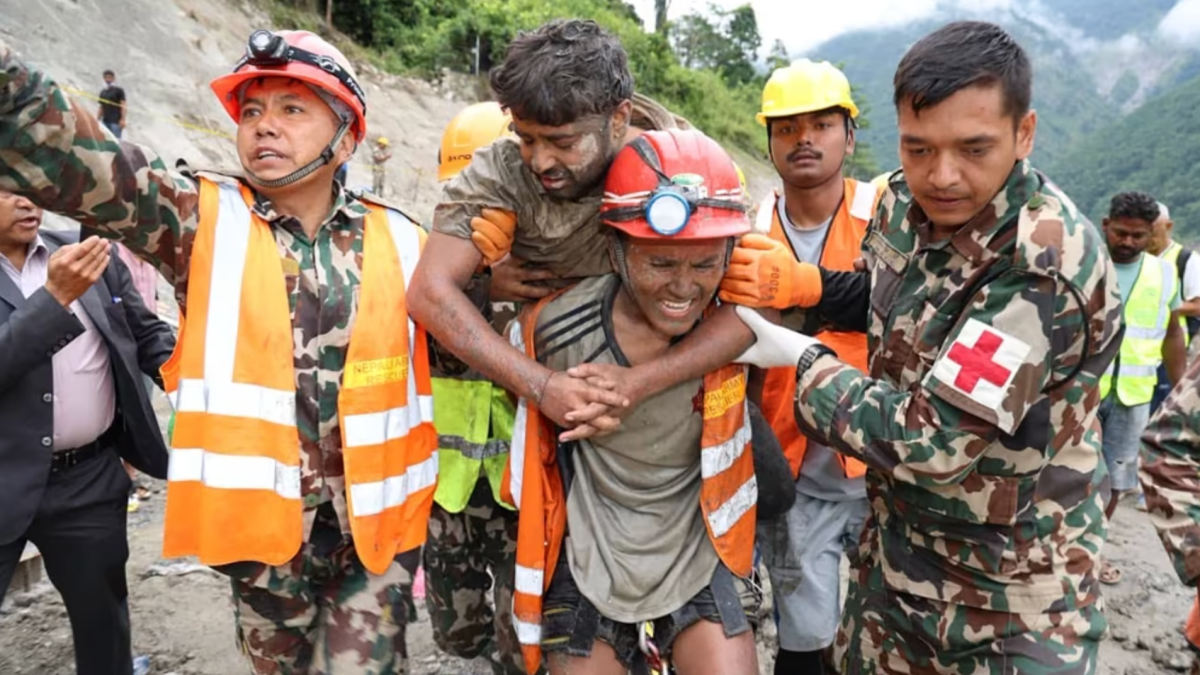
Miracle in the Himalayas: Two Workers Rescued Alive After Nine Days Trapped in Flooding Nepal Tunnel
KATHMANDU — In a stunning triumph of human endurance and relentless search-and-rescue operations, two construction workers have been pulled alive from a debris-choked hydroelectric tunnel in Nepal. The rescue comes more than a week after catastrophic, climate-induced floods devastated the Himalayan nation, claiming over 220 lives and leaving vast swathes of infrastructure in ruins.
The survival of the two workers, who endured nine agonizing days in absolute darkness, breathing from pocketed air and sipping dripping seepage water, has been hailed as a "geological miracle" by rescue officials. As the country grapples with billions of dollars in damaged infrastructure, this rare, uplifting breakthrough has captured global attention and thrown a spotlight on the severe vulnerabilities of South Asia's rapid mountain development.
Inside the Miracle Rescue: Nine Days in the Dark
The workers, identified as part of a technical team at a major hydroelectric project in the hard-hit Dhading district, just west of Kathmandu, were trapped when torrential monsoon rains triggered massive landslides on September 27. The deluge sent thousands of tons of mud, boulders, and raging floodwaters cascading into the project’s main adit tunnel, sealing the entrance instantly.
For over a week, heavy machinery, military personnel, and specialized disaster response teams battled unstable terrain and continuous mudslides to reach the blockage. Hope had dwindled to near zero when rescue dogs and acoustic listening devices suddenly detected faint, rhythmic hammering deep within the shaft.
The Breakthrough Moment
On Sunday, excavators finally breached a key section of the debris wall, clearing a narrow passage. Emergency personnel crawled through the sludge to find the two men weak, severely dehydrated, but remarkably conscious.
"I can't explain what we are feeling at this moment," said an emotional relative of one of the survivors at the site. "We had already begun preparing for the worst. To see them breathe, to hear their voices—it is nothing short of a gift from God."
The survivors were immediately stabilized with intravenous fluids, wrapped in thermal blankets to combat hypothermia, and airlifted by a Nepal Army helicopter to a specialized medical facility in Kathmandu for intensive care.
The Disaster in Numbers: Flood Toll and Infrastructure Damage

While the rescue has provided a moment of profound relief, the broader picture across Nepal remains grim. The late-season monsoon downpour broke rainfall records dating back more than five decades, causing catastrophic flooding across the Kathmandu Valley and surrounding regions.
| Key Metric | Reported Figure / Status | Impact Category |
|---|---|---|
| Confirmed Fatalities | Over 224 individuals | Humanitarian Toll |
| Missing Persons | Dozens still unaccounted for | Search & Recovery |
| Hydropower Projects Damaged | 11 plants offline; several others damaged | Economic Infrastructure |
| Estimated Economic Loss | Exceeding $150 Million USD | National Economy |
| Duration of Captivity | 9 Days (Over 210 Hours) | Rescue Operation |
Why This Matters: The High Cost of Himalayan Hydropower
This dramatic rescue is not just a human interest story; it highlights a critical economic and geopolitical bottleneck. Nepal has been aggressively building out its run-of-the-river hydroelectric capacity, aiming to export clean energy to energy-hungry neighbors like India and Bangladesh. However, the fragile geology of the young Himalayan mountain range, coupled with escalating climate volatility, makes these multi-million dollar projects high-risk investments.
Key Takeaways for Regional Infrastructure Developers
- Geological Hazards are Underestimated: Rapid tunnel boring and dam construction face acute risks from sudden cloudbursts and glacial lake outburst floods (GLOFs).
- Need for Advanced Emergency Shelters: The survival of these workers emphasizes the urgent need to mandate reinforced safety chambers with independent oxygen and water lines inside all active mountain tunnels.
- Economic Aftershocks: With over a dozen power plants knocked offline, Nepal's domestic power grid is facing disruptions, delaying scheduled energy export agreements and impacting investor confidence.
The Road Ahead: Reconstruction and Safety Audits
As the floodwaters recede, Nepal’s Ministry of Energy, Water Resources, and Irrigation has announced plans to conduct a comprehensive safety audit of all ongoing and operational hydropower tunnels in the country. Analysts note that foreign insurance consortiums and development banks are likely to demand stricter climate-resilience designs before underwriting future Himalayan infrastructure projects.
For now, the focus remains on treating the survivors and recovering the remaining missing citizens. But the survival of these two men serves as a stark reminder of both the vulnerability and the indomitable strength of those working on the frontlines of the global clean energy transition.
Frequently Asked Questions (FAQs)
How did the two workers manage to survive for nine days inside the flooded tunnel?
The workers survived by locating an elevated air pocket deep within the tunnel shaft that remained above the floodwater level. They avoided hypothermia by huddling together for warmth and sustained themselves by drinking clean seepage water dripping from the tunnel's rocky ceiling. Their mental resilience and the availability of breathable air pockets were critical to their survival.
What are the economic implications of these floods on Nepal's energy sector?
The floods have severely set back Nepal's ambitions to become a regional green energy exporter. With several hydroelectric projects suffering heavy structural damage, power generation capacity has dropped significantly. This will require millions of dollars in repair costs, delay critical supply contracts with India, and likely result in increased insurance premiums for future infrastructure projects in the Himalayan belt.