Executive Takeaways
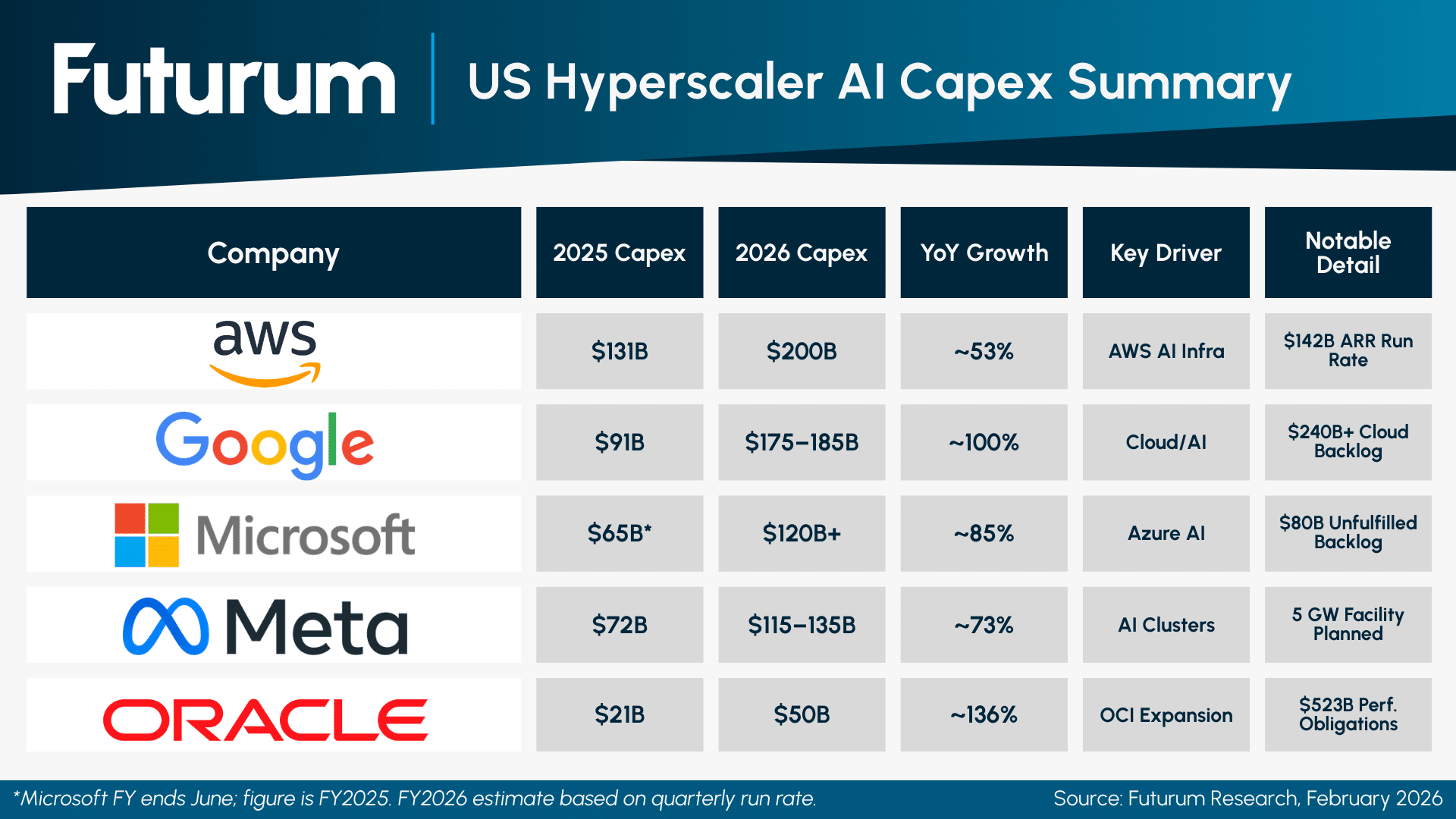
- Capital Expenditure Shock: Wall Street major indices tumbled as institutional investors scrutinized the astronomical, multi-billion-dollar outlays directed toward generative AI infrastructure.
- Valuation Compression: High-flying mega-cap technology equities experienced severe valuation multiples contraction, breaking multi-month technical support levels.
- Enterprise ROI Skepticism: Institutional fund managers are increasingly demanding tangible enterprise ROI before underwriting further cloud compute architecture expansion.
- Systemic Market Reallocation: Liquidity is rapidly rotating out of speculative growth sectors and defensive positioning into cash-equivalent safe havens and value equities.
NEW YORK — Wall Street suffered its most punishing session in months as a wave of realization swept across trading desks: the gold rush of artificial intelligence is running into the unyielding wall of corporate balance sheets. Major indices closed sharply lower, dragged down by a broad-based tech selloff that exposed deep-seated anxieties regarding runaway AI cash burn, extended payback periods, and questionable near-term monetization.
For the past twenty-four months, hyper-scalers, enterprise software titans, and semiconductor monoliths have enjoyed virtually unchecked market validation for aggressive capital allocation strategies. However, as quarterly earnings reports roll in, the narrative is shifting from visionary technological transformation to harsh financial arithmetic. Institutional asset managers, armed with sharper scrutiny over capital expenditure (CapEx) efficiency, are abruptly pricing in the risk that the massive deployment of specialized hardware and data center expansion may not yield the immediate, high-margin revenues promised by Silicon Valley leadership.
The Catalyst: When Projections Met Profitability Realities
Test Our Free AI & Tech Utilities Suite
Calculate LLM API token costs, analyze article dwell-time, or simulate tech DCA returns.
The inflection point materialized as a confluence of macroeconomic indicators and disappointing forward guidance from leading technology bellwethers. Over successive quarters, aggregate spending on high-density GPUs, specialized cloud compute architecture, and proprietary large language model (LLM) training has surged past historic norms. Yet, corresponding top-line revenue acceleration has failed to keep pace with these exponential expenditures.
Portfolio managers across major New York and London institutions noted that the market's tolerance for indefinite investment horizons has officially expired. The fundamental question dominating morning strategy calls is no longer about technological capability, but rather about infrastructure scalability versus unit economics. When enterprise clients delay large-scale AI deployment due to regulatory compliance hurdles, data privacy constraints, and integration complexities, the projected return on invested capital (ROIC) stretches further into the future than equity valuations had previously assumed.
This realization sparked a vicious cycle of algorithmic stop-loss triggers and forced de-risking. High-beta technology stocks, which have historically driven the broader market's upward trajectory, became immediate targets for aggressive profit-taking. Market liquidity, which had appeared robust, thinned out rapidly as market makers widened spreads to manage mounting downside volatility.
| Metric / Indicator | Previous Cycle Peak | Current Market Reality | Implied Market Impact |
|---|---|---|---|
| Mega-Cap Tech CapEx Growth | +45% YoY (Projected) | +70% YoY (Actualized) | Severe pressure on Free Cash Flow (FCF) yields |
| Forward P/E Multiples (AI Leaders) | 38x - 45x | 24x - 30x | Rapid valuation multiple compression |
| Enterprise ROI Timeline | 6 to 12 Months | 24 to 36 Months | Deferred monetization and margin dilution |
| Market Breadth & Volatility (VIX) | Sub-14 Baseline | Spiked above 22 | Heightened hedging and risk mitigation activity |
Industry & Market Implications: Winners, Losers, and Systemic Fallout

The sudden reassessment of tech valuations is restructuring capital flows across global financial markets. As the era of frictionless momentum trading pauses, distinct winners and losers are emerging:
- The Losers — High-Burn Infrastructure Providers and Speculative Startups: Firms heavily leveraged on debt-financed server purchases, specialized semiconductor manufacturers lacking pricing power, and enterprise software vendors unable to prove immediate upsell metrics are facing harsh equity write-downs. Investors are punishing companies that treat operating margins as secondary to market-share acquisition.
- The Winners — Disciplined Cash Generators and Defensive Sectors: Mega-caps possessing immense balance sheet liquidity, low debt-to-equity ratios, and diversified revenue streams are weathering the storm better, though they are not entirely immune. Furthermore, traditional defensive sectors—such as healthcare, consumer staples, and utilities—are experiencing a resurgence in institutional capital allocation as portfolio managers pursue shelter from growth-stock volatility.
- Broader Economic Impact: The pullback highlights a broader macroeconomic reckoning. As corporate boards re-evaluate risk mitigation and tighten discretionary technology budgets, the secondary and tertiary suppliers of data center power, real estate, and networking hardware must brace for potential supply chain order adjustments.
Frequently Asked Questions (People Also Ask)
What specifically triggered the recent tech selloff on Wall Street?
The selloff was triggered by mounting concerns over massive, escalating capital expenditures by major technology firms directed toward artificial intelligence infrastructure. Institutional investors grew increasingly alarmed by extended payback timelines, lower-than-expected short-term enterprise ROI, and the resulting strain on free cash flows.
How are institutional investors adjusting their risk mitigation strategies?
Portfolio managers are rapidly reducing exposure to high-beta, momentum-driven technology equities and shifting capital into defensive sectors, short-duration fixed income, and companies exhibiting strong balance sheet liquidity and proven free cash flow conversion.
Are enterprise AI budgets being permanently cut, or simply delayed?
Industry analysts indicate that enterprise AI spending is generally being re-evaluated and rationalized rather than abandoned entirely. Corporations are demanding stricter proof-of-concept metrics, enhanced regulatory compliance frameworks, and clearer paths to operational efficiency before committing large-scale capital.
What impact does this tech correction have on broader market liquidity?
During acute selloff phases, market liquidity frequently contracts as volatility spikes and market makers widen bid-ask spreads. This can exacerbate intraday price swings, forcing systematic funds and leveraged accounts to unwind positions rapidly.
Future Outlook: Critical Milestones to Monitor
As Wall Street digests this structural correction, the path forward will be dictated by several critical milestones. Chief among them will be upcoming corporate earnings reports, where institutional analysts will dissect gross margin trends, cloud revenue growth rates, and forward-looking CapEx guidance. If technology executives demonstrate financial discipline and recalibrate their spending to align with realistic enterprise demand, market stabilization could follow.
Conversely, should capital expenditures continue to outpace monetization without clear evidence of productivity gains, further valuation compression remains a distinct possibility. For senior executives, CFOs, and portfolio managers, the immediate directive is clear: narrative-driven valuations have been replaced by a rigorous demand for fiscal accountability.