Executive Takeaways
- Tech Sector Liquidation: The Nasdaq Composite and S&P 500 suffered severe weekly losses, driven by a aggressive repricing of artificial intelligence darlings and cloud infrastructure providers.
- The Divergence Play: While growth and momentum stocks faced aggressive capital outflows, the Dow Jones Industrial Average bucked the broader trend, closing the week with a modest gain on defensive sector rotation.
- Capital Allocation Pivot: Institutional investors are rapidly shifting portfolio strategies, prioritizing earnings visibility, enterprise ROI, and balance sheet resilience over speculative infrastructure scalability.
- Macro Headwinds: Yield curve dynamics, shifting Federal Reserve rate expectations, and heightened scrutiny over tech sector valuation multiples have accelerated risk mitigation protocols across major hedge funds.
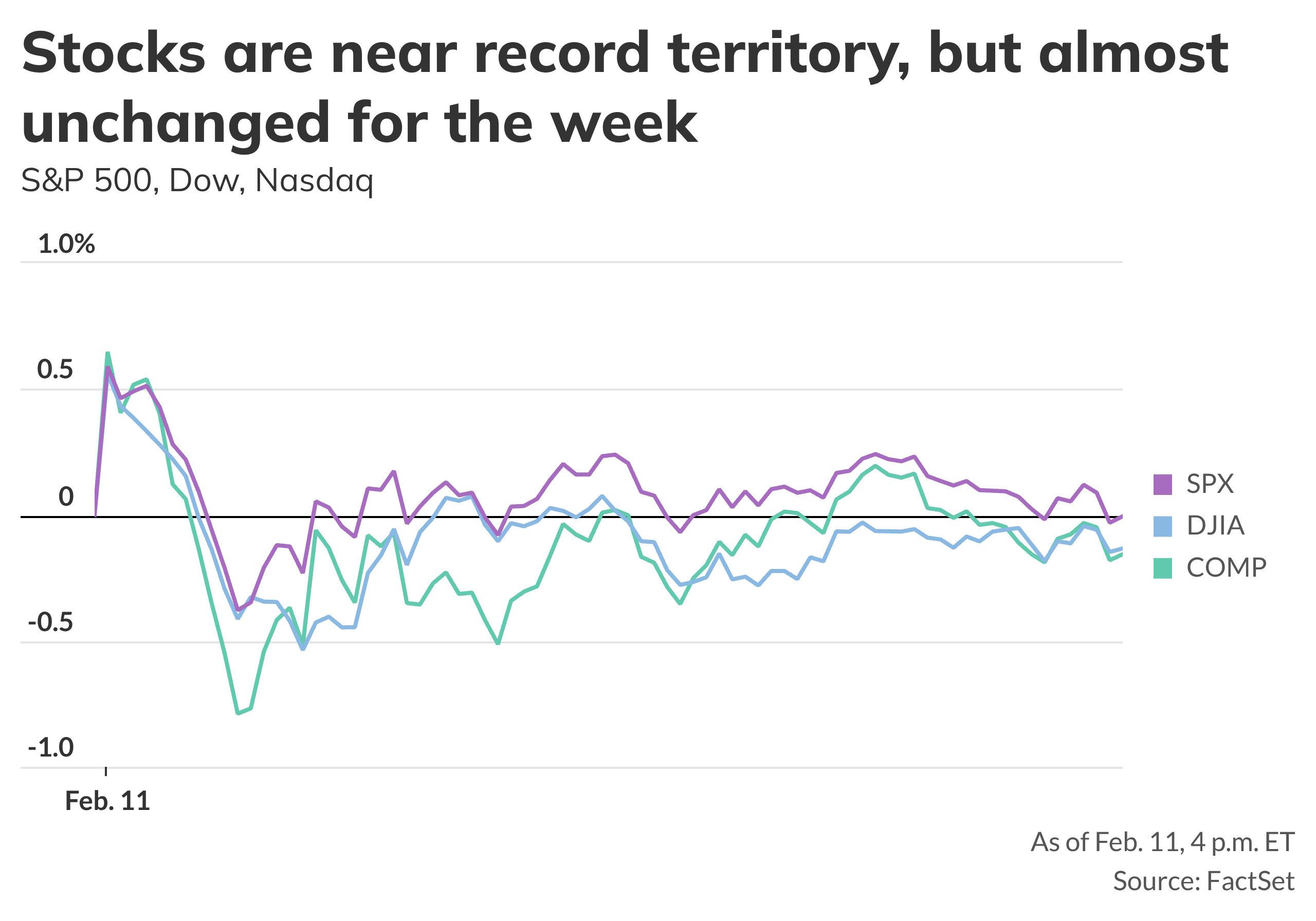
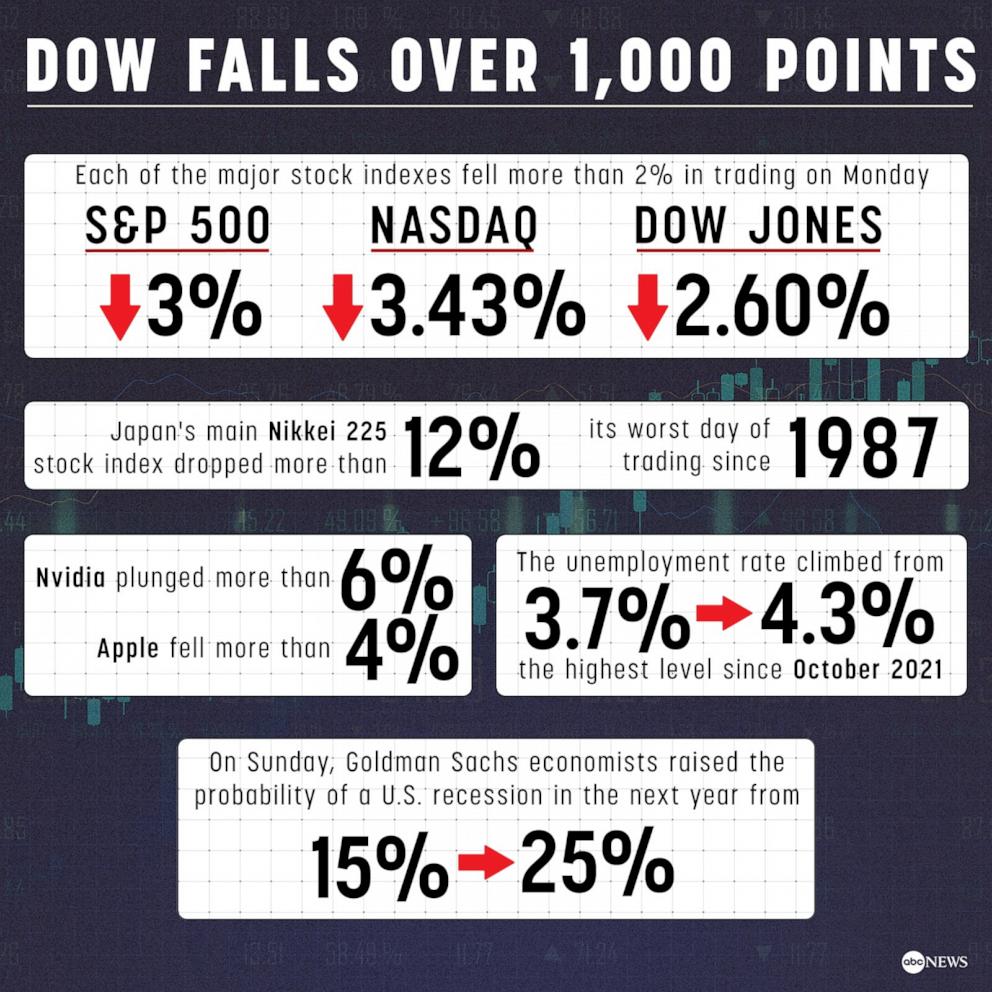
NEW YORK — Wall Street closed out a volatile week marked by a sharp divergence between high-growth technology equities and defensive blue-chip components. The Nasdaq Composite and the benchmark S&P 500 plunged into a sea of red, capping off their worst weekly performance in months. The sell-off was catalyzed by mounting investor anxiety over artificial intelligence (AI) monetization timelines, tightening liquidity, and unsustainable valuation multiples across the semiconductor and software subsectors.
Conversely, the Dow Jones Industrial Average managed to weather the storm. Although closing lower on the final trading session, the blue-chip index eked out a resilient weekly gain, underscoring a massive capital rotation out of hyper-growth technology and into defensive havens such as healthcare, consumer staples, and legacy industrials. As chief investment officers recalibrate their portfolios for the remainder of the fiscal year, the market is confronting a fundamental reckoning over whether massive capital expenditures in generative AI infrastructure will yield commensurate enterprise ROI.
The Anatomy of a Sell-Off: Why AI Stocks Remain Under Pressure
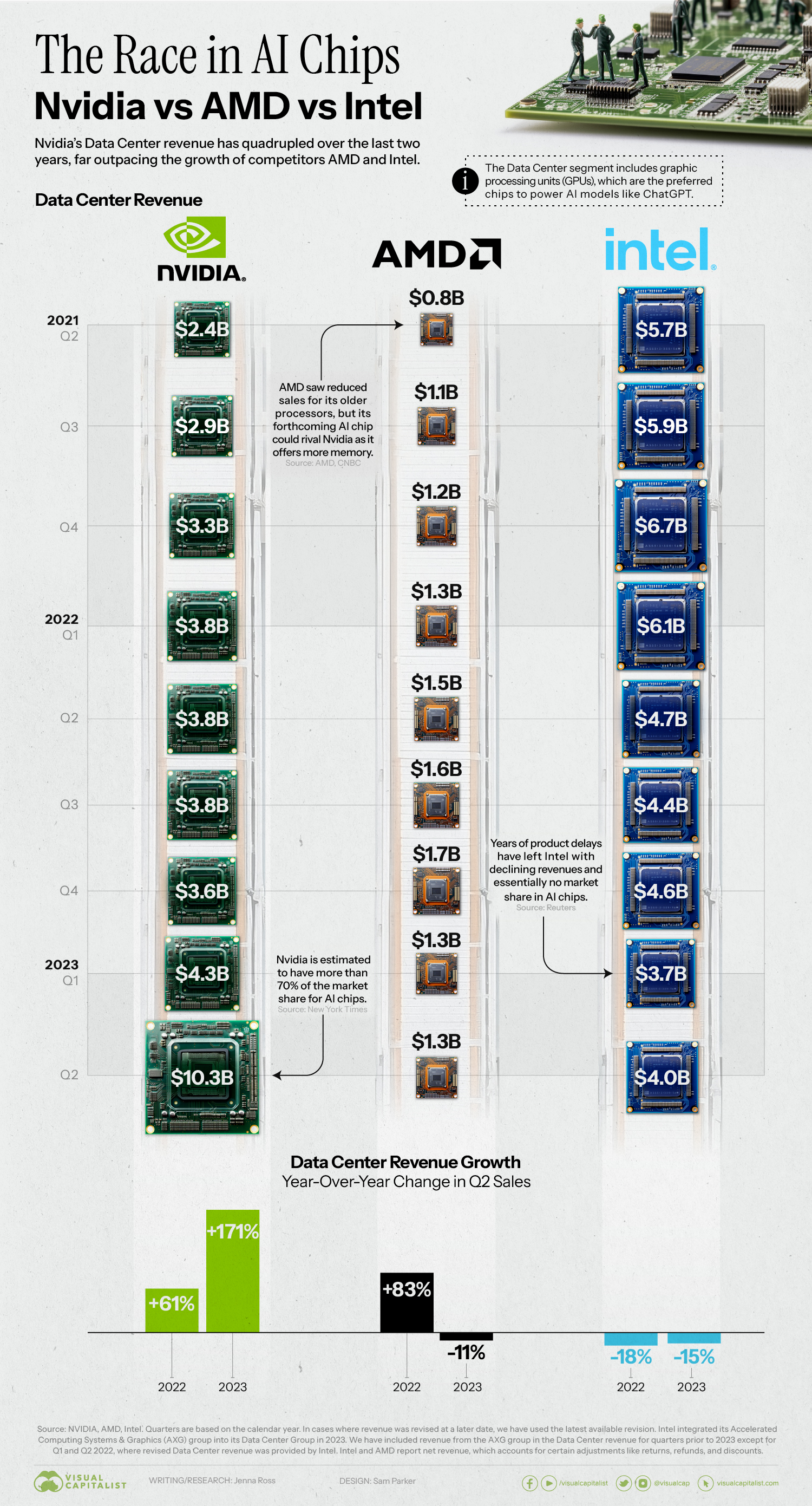
For the past two years, the narrative driving global equity markets has been relentlessly optimistic: the generative AI revolution would fuel an unprecedented super-cycle in corporate earnings, driving endless demand for advanced graphics processing units (GPUs), high-bandwidth memory, and cloud compute architecture. However, this week’s price action signaled a dramatic shift in market psychology.
Institutional desks reported broad-based risk mitigation as quarterly reports and forward guidance from major tech conglomerates revealed escalating capital expenditures without a corresponding acceleration in near-term revenue generation. Wall Street analysts have begun questioning the payback period on multi-billion-dollar data center investments. This scrutiny has exposed vulnerable valuation multiples, prompting algorithmic trading models and systematic funds to trigger stop-loss orders across the entire technology complex.
"We are witnessing a classic valuation reset," said a senior managing director at a premier New York hedge fund. "The market is no longer willing to finance limitless infrastructure scalability without demonstrable proof of cash-flow conversion. The era of buying tech growth at any price has hit a brick wall, forcing portfolio managers to re-evaluate their fundamental risk models."
Semiconductors and Mega-Cap Tech Bear the Brunt
The carnage was most pronounced among semiconductor designers, enterprise software providers, and mega-cap platform companies that make up the concentration risk of the major indexes. Leading chipmakers saw their shares drop precipitously as traders locked in profits following a historic multi-year rally. At the same time, cloud service providers faced intense selling pressure amid concerns over margin compression and rising energy costs required to power next-generation data centers.
Furthermore, regulatory compliance headwinds and antitrust scrutiny in both the United States and the European Union have added another layer of friction for big tech. As regulatory bodies probe monopolistic practices in AI data aggregation and cloud bundling, institutional investors are factoring in higher compliance costs and potential operational restrictions.
The Dow’s Defensive Triumph: Flight to Quality
While tech bulls reeled from the correction, value investors found solace in the Dow Jones Industrial Average. The index’s relative outperformance highlighted a classic defensive rotation. As macroeconomic uncertainties persisted and bond market yields fluctuated, institutional asset allocators sought shelter in companies boasting robust balance sheets, consistent dividend payouts, and strong pricing power.
Pharmaceutical giants, multinational consumer brands, and industrial conglomerates attracted significant net inflows. These sectors offer insulation against economic deceleration and provide predictable cash flows that are deeply coveted when growth momentum stalls. This divergence between the tech-heavy Nasdaq and the traditional Dow illustrates a bifurcated market: one side grappling with an existential valuation correction, and the other steadying itself through fundamental economic durability.
Verified Market Data & Index Performance Metrics
To contextualize the magnitude of the weekly market shift, the following performance metrics outline the divergence across the major U.S. stock indices:
| Market Index | Daily Close | Daily Change (%) | Weekly Performance | Primary Driver |
|---|---|---|---|---|
| Nasdaq Composite | Sharp Plunge | -2.15% | Significant Weekly Loss | AI valuation repricing, semiconductor sell-off |
| S&P 500 | Broad Decline | -1.42% | Sharp Weekly Losses | Mega-cap tech drag, broad-based liquidations |
| Dow Jones Industrial Average | Defensive Slide | -0.65% | Positive Weekly Gain | Flight to quality, healthcare & industrial inflows |
Industry & Market Implications: Winners and Losers
The current market environment is reshaping corporate valuations and capital deployment strategies across multiple sectors. Understanding the shifting dynamics requires examining who benefits from this correction and who bears the brunt of the fallout.
Who Wins: Defensive Sectors and Value Investors
- Healthcare & Pharmaceuticals: Companies with inelastic product demand and robust pipelines are capturing defensive capital.
- Consumer Staples: Brand-dominant firms capable of passing inflationary costs onto consumers without sacrificing volume remain resilient.
- Prudent Capital Allocators: Enterprises that maintained conservative balance sheets and prioritized organic cash generation over speculative debt-financed expansion are now positioned as market leaders.
Who Loses: Speculative Growth and High-Beta Tech
- Unprofitable Tech Startups: Firms relying on ongoing venture capital or secondary market liquidity face severe funding freezes as public market valuations contract.
- Semiconductor Equipment Manufacturers: Overreliance on continuous, aggressive fab expansions leaves suppliers vulnerable to sudden capital expenditure cuts by major tech clients.
- Retail Momentum Traders: Speculative market participants who leveraged high-beta options tied to AI micro-caps suffered severe margin calls during the rapid weekly drawdown.
Frequently Asked Questions (People Also Ask)
Why are AI stocks suddenly dropping after months of massive gains?
AI stocks are pulling back due to growing investor skepticism regarding immediate monetization and enterprise ROI. Markets are realizing that the multi-billion-dollar capital expenditures poured into data centers and hardware may take longer than anticipated to translate into bottom-line profits, triggering a necessary valuation multiple compression.
Why did the Dow Jones Industrial Average gain for the week while the Nasdaq plummeted?
The Dow’s outperformance stems from a defensive sector rotation. As institutional investors pulled capital out of overvalued, high-beta technology stocks, they redirected funds into blue-chip industrial, healthcare, and consumer staples companies characterized by stable earnings and lower volatility.
How are rising Treasury yields affecting the technology sector?
Higher Treasury yields increase the discount rate applied to future corporate earnings. Because technology companies derive a substantial portion of their valuation from projected long-term cash flows, rising yields disproportionately reduce their present-day theoretical value, sparking equity liquidations.
Should long-term investors panic over these weekly losses?
Market historians note that periodic corrections and valuation resets are healthy components of a functioning economic cycle. Long-term institutional strategies typically view such pullbacks as an opportunity to accumulate fundamentally sound assets at more realistic price points, provided balance sheets remain strong.
Future Outlook & What to Watch Next
As Wall Street looks ahead to the upcoming trading sessions, market participants will closely monitor macroeconomic data releases, upcoming corporate earnings revisions, and central bank commentary for clues regarding future monetary policy. The critical question remains whether the tech sell-off is a temporary consolidation phase within a secular bull market or the beginning of a broader macroeconomic repricing.
Key milestones to watch include upcoming consumer price index (CPI) reports, employment metrics, and guidance updates from key enterprise software providers. For institutional investors, risk mitigation, asset quality, and rigorous balance-sheet analysis will remain paramount as the market navigates this complex financial landscape.