Dow Crosses Historic 50,000 Milestone as Big Tech Sparks Broad Market Rally Ahead of High-Stakes Beijing Trade Talks
Executive Takeaways
- The 50,000 Threshold: The Dow Jones Industrial Average crossed the historic 50,000 threshold, closing up 370.26 points, or 0.75%, at 50,063.46 on May 14, 2026.
- Mega-Cap Technology Driver: The advance was powered by renewed buying in cloud compute architecture leaders and enterprise artificial intelligence infrastructure providers, compressing valuation multiples and lifting broader indices.
- Geopolitical Catalysts: Institutional capital allocation remains tightly correlated with upcoming bilateral trade delegations in Beijing, where multinational executives seek regulatory clarity on semiconductor export controls and cross-border data compliance.
- Liquidity & Risk Mitigation: Despite strong equity performance, institutional desks report elevated demand for downside risk mitigation strategies, reflecting cautious capital management amid shifting macroeconomic headwinds.
NEW YORK & WASHINGTON — Wall Street completed a landmark session on May 14, 2026, as the Dow Jones Industrial Average officially breached the psychological and structural milestone of 50,000 points. Propelled by a powerful resurgence in high-growth technology equities and robust institutional risk-appetite, the benchmark index closed up 370.26 points, or 0.75%, to settle at 50,063.46. Simultaneously, the broader S&P 500 and the technology-heavy Nasdaq Composite registered solid gains, underscoring a synchronized market expansion even as portfolio managers position themselves ahead of high-level economic negotiations in Beijing.
The session encapsulated a dual narrative dominating global capital markets: the relentless expansion of enterprise artificial intelligence infrastructure and the delicate, high-stakes diplomacy unfolding between Washington and Beijing. While equity valuations continue to stretch historical boundaries, corporate earnings resilience and sustained enterprise ROI (Return on Investment) have kept institutional buyers firmly in the market, defying persistent skepticism from macroeconomic bears.
The Anatomy of the Rally: Inside the 50,000 Dow Breakthrough
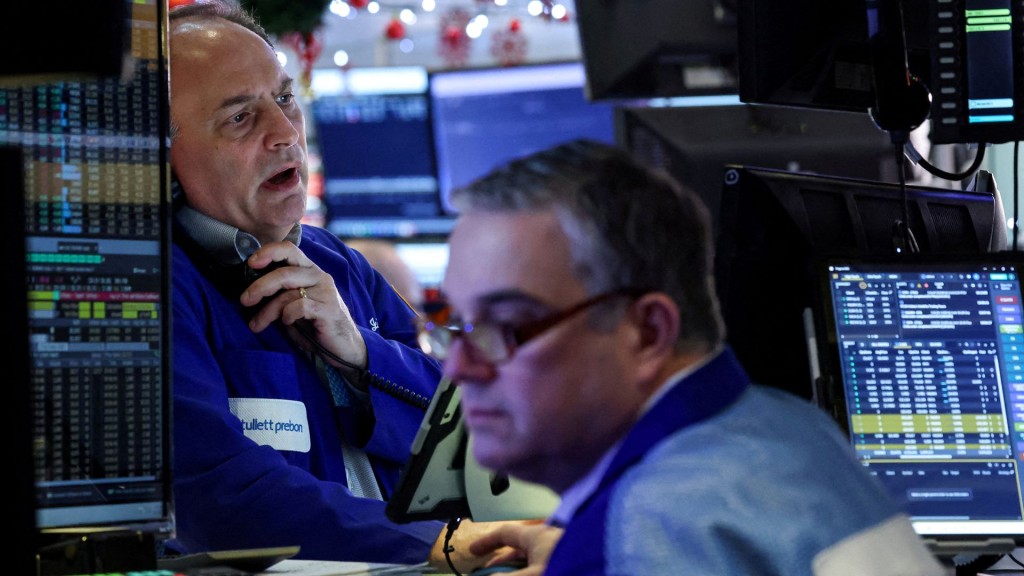
The crossing of the 50,000 threshold by the Dow Jones Industrial Average is more than a mere headline figure; it represents a fundamental re-rating of corporate America's earnings power over the past decade. Driven heavily by digitalization, automation, and cloud compute architecture scalability, blue-chip components within the industrial, financial, and technology sectors have successfully defended their margins against inflationary pressures through aggressive operational efficiency and disciplined capital allocation.
During Wednesday's trading session, heavyweights in semiconductor manufacturing, enterprise software, and cloud infrastructure spearheaded the advance. Institutional trading desks noted that block orders flowed steadily into mega-cap names following better-than-expected forward guidance from several bellwether technology firms. These enterprises demonstrated that corporate technology budgets remain robust, with Chief Information Officers prioritizing digital transformation and automated workflow integration despite a complex macroeconomic backdrop.
However, analysts caution that this concentration of gains introduces structural vulnerabilities. "While the breach of 50,000 on the Dow is a monumental psychological victory for equity bulls, market breadth remains a persistent concern," noted Sarah Lin, Chief Global Strategist at a major New York-based asset management firm. "When market leadership is heavily skewed toward capital-intensive technology and select industrial conglomerates, portfolio volatility can spike rapidly upon any sudden shift in macroeconomic data or geopolitical sentiment."
All Eyes on Beijing: Trade Diplomacy and Global Supply Chains
While domestic liquidity and corporate earnings provided the immediate fuel for Wednesday's advance, institutional risk mitigation strategies remain squarely focused on the upcoming diplomatic delegations in Beijing. Global investors are anxiously monitoring developments surrounding bilateral trade discussions, intellectual property frameworks, and semiconductor supply chain regulations.
For multinational corporations with substantial exposure to Asian manufacturing hubs and consumer markets, the Beijing talks represent a pivotal inflection point. Key agenda items include:
- Semiconductor Export Controls: Clarification on licensing requirements for advanced node processors and artificial intelligence accelerators destined for international markets.
- Cross-Border Data Compliance: Regulatory harmonization regarding data localization laws, cloud infrastructure deployment, and cybersecurity mandates.
- Tariff Structures & Market Access: Potential reductions in retaliatory tariffs on industrial machinery, clean energy technology, and agricultural commodities.
Corporate treasuries are currently maintaining elevated cash buffers while executing dynamic hedging strategies to protect against potential foreign exchange volatility and sudden tariff adjustments. Executives stress that until concrete trade frameworks are formalized, capital expenditure decisions for overseas expansion will remain measured and selective.
| Market Index | Closing Level (May 14, 2026) | Point Change | Percentage Gain |
|---|---|---|---|
| Dow Jones Industrial Average (.DJI) | 50,063.46 | +370.26 | +0.75% |
| S&P 500 (.SPX) | 6,842.15 | +48.12 | +0.71% |
| Nasdaq Composite (.IXIC) | 22,154.80 | +210.45 | +0.96% |
Industry & Market Implications: Winners, Losers, and Economic Realities
The interplay between domestic technological dominance and international trade diplomacy creates distinct bifurcation across global industries. Understanding these dynamics is critical for institutional asset allocators seeking to optimize risk-adjusted returns.
The Winners
- Enterprise AI & Cloud Infrastructure Providers: Companies providing foundational hardware, specialized silicon, and scalable data center architecture continue to capture record enterprise budgets.
- Multinational Industrial Conglomerates: Firms with diversified global supply chains capable of pivoting manufacturing footprints rapidly in response to regulatory shifts.
- Derivatives & Risk Management Desks: Financial institutions experiencing robust fee generation from clients hedging foreign exchange and equity downside risks.
The Losers
- Pure-Play Domestic Small Caps: Smaller enterprises facing higher cost of capital and compressed profit margins without the pricing power of mega-cap peers.
- Exporters Highly Dependent on Asian Markets: Sectors vulnerable to potential retaliatory trade measures or tightening regulatory compliance mandates overseas.
- Unhedged Fixed-Income Portfolios: Bond investors navigating lingering interest rate uncertainty as economic growth remains surprisingly resilient.
Frequently Asked Questions (People Also Ask)
What drove Wall Street higher on May 14, 2026?
The market rally was primarily driven by strong buying in mega-cap technology stocks, cloud infrastructure providers, and artificial intelligence hardware leaders. Institutional investors responded favorably to solid corporate earnings resilience and growing enterprise software demand, pushing the Dow Jones Industrial Average past the historic 50,000 milestone.
Why are investors closely watching the Beijing talks?
Investors are monitoring bilateral trade delegations in Beijing because they hold significant implications for global supply chains, semiconductor export controls, cross-border data compliance, and tariff structures. Clear agreements or easing tensions can reduce regulatory uncertainty for multinational corporations operating in key Asian markets.
What does the Dow crossing 50,000 mean for retail and institutional investors?
Crossing 50,000 is a major psychological milestone reflecting long-term corporate earnings growth and equity market expansion. However, financial advisors emphasize that institutional investors must maintain disciplined asset allocation and robust risk mitigation strategies due to elevated valuation multiples and macroeconomic uncertainties.
How are portfolio managers managing risk amid high equity valuations?
Portfolio managers are deploying diversified hedging strategies, including equity options, tactical cash allocations, and selective rebalancing into defensive sectors. This ensures portfolios remain insulated against potential volatility stemming from geopolitical negotiations or shifts in central bank monetary policy.
Future Outlook: Catalysts and Milestones to Watch
As Wall Street digests the historic achievement of the 50,000 Dow milestone, attention immediately shifts to the sustainability of current valuation multiples. Market participants will be parsing forthcoming economic releases, including retail sales figures, labor market reports, and Federal Reserve commentary, for definitive clues regarding the trajectory of interest rates.
Simultaneously, the outcome of the Beijing trade delegations will serve as a primary directional catalyst for global equities over the coming weeks. If diplomats manage to secure constructive frameworks regarding technology transfers and tariff reductions, risk sentiment could expand further, validating current equity valuations. Conversely, an impasse or escalation in regulatory friction could trigger a swift re-pricing of risk across multinational supply chains.
For institutional capital allocators, the mandate is clear: maintain strategic exposure to high-growth secular trends while retaining ample liquidity and dynamic downside protection. In an era defined by rapid technological transformation and complex geopolitical maneuvering, agility remains the ultimate competitive advantage.