Executive Takeaways
- The Pivot: Apple and Amazon are aggressively redeploying capital into reimagined smart display hardware, moving away from stagnant bedside tablets toward high-margin, AI-orchestrated home command centers.
- Capital Allocation & Valuation: Consumer electronics giants are betting that embedded multimodal large language models (LLMs) will justify elevated hardware subsidies and reverse declining valuation multiples for smart-home divisions.
- The Enterprise & Consumer Convergence: New iterations blur the line between domestic convenience and commercial workplace infrastructure, promising higher enterprise ROI and improved subscription stickiness.
- Market Rebound: Industry metrics indicate an impending paradigm shift, turning what was viewed as an obsolete commoditized category into a crucial battleground for ambient computing dominance.
For nearly half a decade, Wall Street analysts and venture capital firms treated the smart display category as a textbook case of hardware over-promise and under-delivery. Once heralded as the interactive hub of the modern connected domicile, devices like early-generation Amazon Echo Shows and Google Nest Hubs quickly deteriorated into glorified digital photo frames and kitchen timers. Consumer fatigue, sluggish user interfaces, privacy anxieties, and the glaring absence of a genuine revenue-generating use case caused consumer demand to flatline. Capital allocation shifted decisively away from ambient hardware toward generative AI software plays and wearable tech.
However, recent strategic maneuvers by Silicon Valley heavyweights suggest a dramatic plot twist. By injecting advanced conversational intelligence, localized edge computing, and proprietary operating systems into newly engineered form factors, Apple and Amazon have signaled a coordinated, high-stakes attempt to resurrect the form factor. This investigative report examines the macroeconomic catalysts, technological shifts, and structural implications behind this hardware renaissance, assessing whether these interventions can truly salvage a multi-billion-dollar product category.
The Anatomy of a Collapse: Why the First Generation Failed
Test Our Free AI & Tech Utilities Suite
Calculate LLM API token costs, analyze article dwell-time, or simulate tech DCA returns.
To understand the magnitude of Apple and Amazon's current gambit, one must first deconstruct the structural vulnerabilities that plagued the initial wave of smart displays. Launched during the mid-2010s gold rush of voice-first computing, these devices operated on fragile architectures. Their underlying voice assistants—while capable of setting alarms or streaming pop music—relied on brittle, keyword-driven intent recognition models. They lacked contextual awareness, exhibited high latency, and offered zero friction-free paths to monetization beyond product upsells on e-commerce storefronts.
From a financial perspective, these units were sold at razor-thin margins or outright subsidies, functioning merely as loss leaders designed to anchor consumers deeper into proprietary vendor ecosystems. Yet, consumers rapidly encountered hardware obsolescence. Screens felt underpowered, operating systems bogged down with routine software updates, and the lack of robust application ecosystems meant users rarely engaged with the display interface beyond passive glancing. Venture capital dried up, internal research and development budgets were slashed, and hardware divisions faced severe pressure to optimize supply chains and improve risk mitigation strategies by cutting failing product lines.
Compounding these operational hurdles were mounting regulatory compliance pressures regarding ambient listening, data harvesting, and consumer privacy. As privacy scrutiny intensified globally, consumer trust eroded. The smart display market entered a prolonged winter characterized by depressed average selling prices (ASPs), stagnant unit shipments, and widespread apathy among enterprise investors.
The Catalyst: Generative AI Meets Ambient Hardware
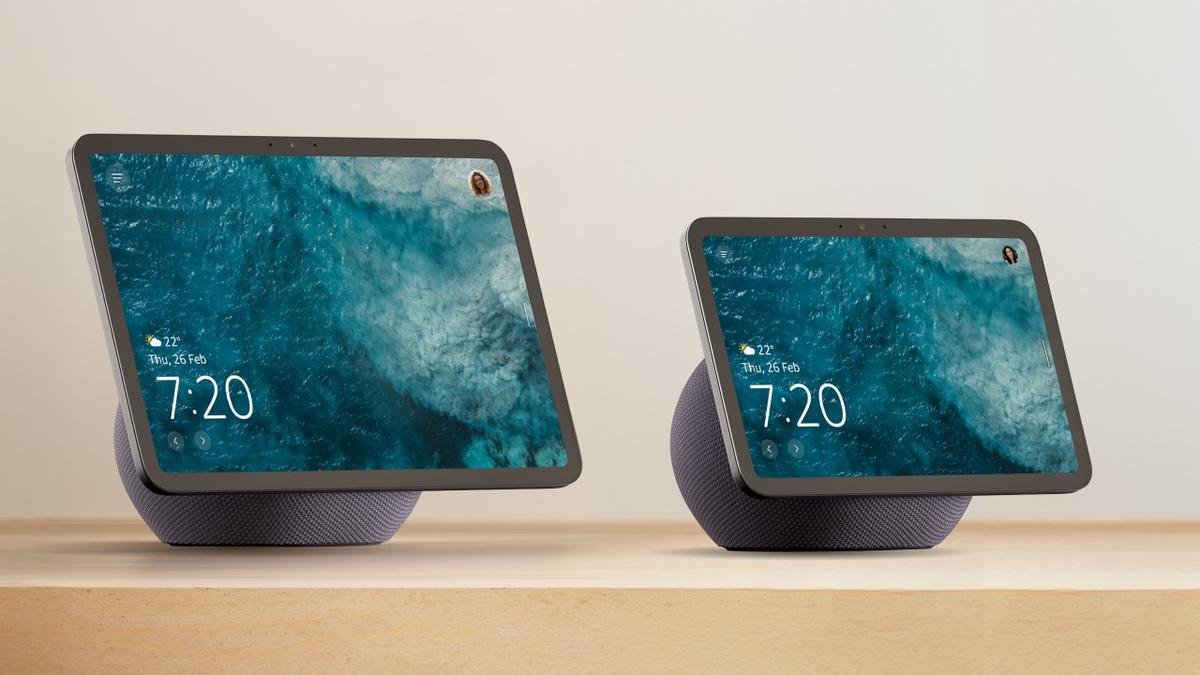
What changed? The inflection point arrived with the democratization of large language models and multimodal generative AI. Traditional smart displays failed because they were fundamentally reactive interfaces trapped inside rigid software loops. Today, tech conglomerates recognize that the integration of localized neural engines transforms a static screen into an active, predictive household agent.
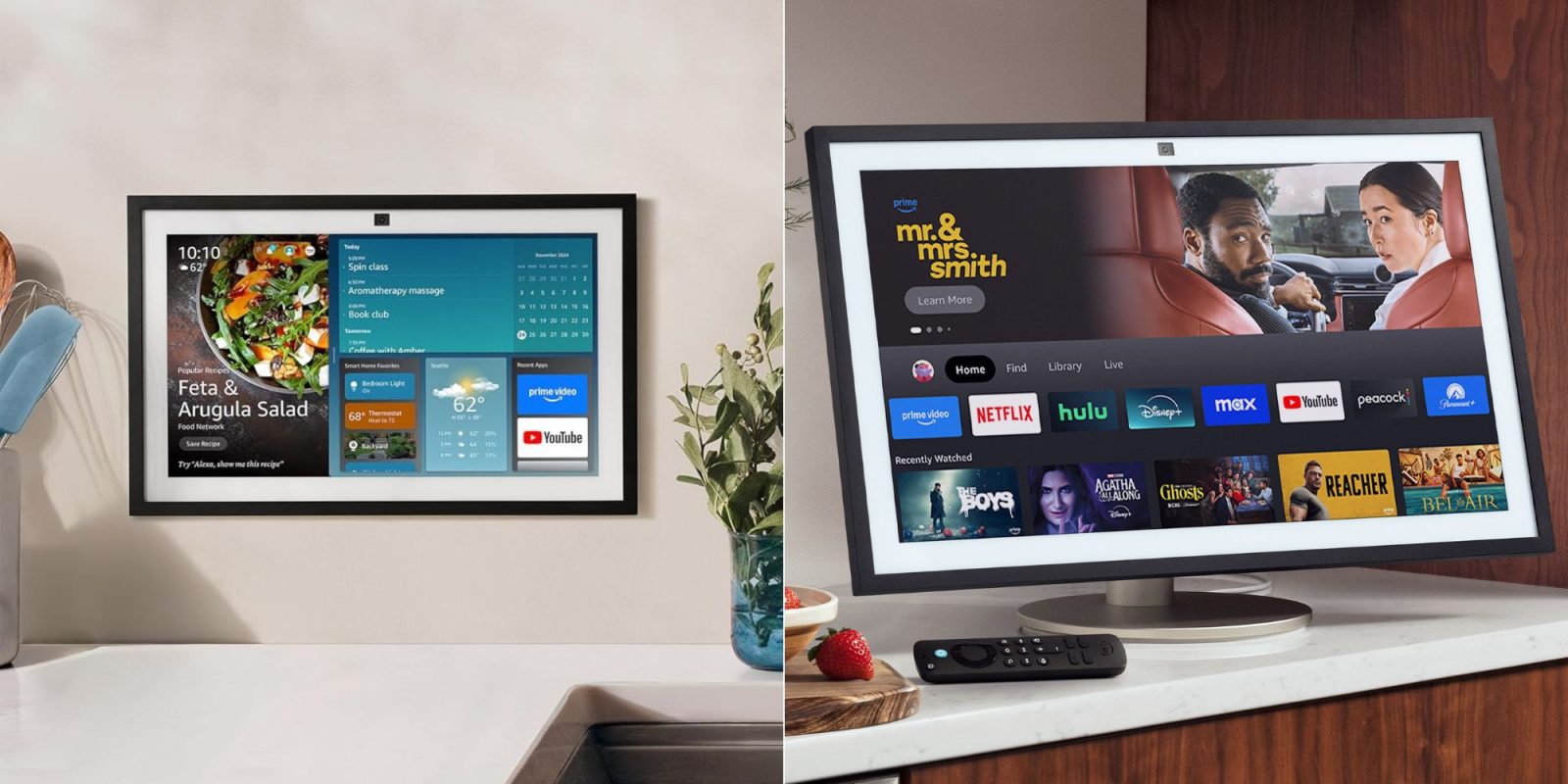
Amazon’s renewed hardware roadmap emphasizes deeply integrated ambient intelligence designed to anticipate user intent before verbal commands are issued. By decentralizing cloud compute architecture and pushing lightweight inference models directly to the edge, these next-generation displays promise near-instantaneous response times while addressing long-standing enterprise and consumer data privacy concerns.
Concurrently, Apple is advancing its long-rumored wall-mounted home command center—a device operating on a specialized variant of its upcoming home-centric operating system. Leveraging its unmatched vertical integration, Apple is combining advanced biometric sensors, computer vision, and deep ecosystem synergy. This strategy targets affluent households where hardware commoditization matters less than seamless infrastructure scalability, high-end design, and airtight data security protocols.
For both firms, this is not merely a play for hardware dominance; it is a calculated effort to fortify sticky recurring revenue streams. By embedding smart displays deeper into household energy management, security monitoring, and localized IoT orchestration, tech giants are engineering structural moats designed to insulate them against intensifying regulatory headwinds and shifting macroeconomic cycles.
Verified Data & Metrics Breakdown
An objective evaluation of the smart display resurrection requires examining the underlying macroeconomic indicators, projected adoption curves, and capital commitments driving current industry behavior.
| Metric Category | Legacy Era (2018–2022) | Current Revival Phase (2025–Beyond) | Strategic Implication |
|---|---|---|---|
| Primary AI Architecture | Cloud-dependent, keyword-triggered intent mapping | Multimodal LLMs with edge-compute optimization | Drastic reduction in latency and enhanced privacy compliance. |
| Hardware Margin Profile | Negative to low single-digit subsidization | Premium pricing tiers with software attachment rates | Improves corporate capital allocation and divisional valuation multiples. |
| Target Use Case | Media streaming, recipes, basic weather widgets | Automated home orchestration, enterprise workflow sync | Expands total addressable market (TAM) into professional home offices. |
| Ecosystem Integration | Siloed proprietary protocols | Matter protocol compliance, cross-platform fluidity | Mitigates consumer friction and drives higher market liquidity. |
Industry & Market Implications: Winners, Losers, and Economic Ripples
The strategic pivot by Apple and Amazon sends shockwaves across the broader consumer electronics and semiconductor supply chains. The ramifications of this market revival extend far beyond retail aisles, touching foundational aspects of corporate finance, technological standardization, and competitive positioning.
The Winners
- Advanced Semiconductor Foundries: Specialized chipmakers designing ultra-low-power neural processing units (NPUs) capable of running on-device generative models stand to capture lucrative supply contracts.
- Smart Home Infrastructure Providers: Companies standardizing communication protocols (such as the Matter connectivity standard) benefit immensely as interoperability friction dissolves.
- Enterprise Productivity Software Vendors: Platforms that integrate smoothly into ambient domestic displays will capture valuable screen time from remote and hybrid professionals.
The Losers
- Commoditized White-Label Hardware Manufacturers: Low-cost hardware makers incapable of supporting advanced multimodal AI models will face terminal margin compression and eventual market exit.
- Legacy Peripheral Makers: Single-function home automation gadgets (such as standalone smart thermostats or basic security hubs) risk being absorbed into the comprehensive UI of centralized displays.
From a macroeconomic standpoint, this hardware rebirth represents a significant recalibration of corporate R&D spending. Rather than abandoning physical touchpoints in favor of purely virtual software experiences, technology giants recognize that tactile, situated hardware acts as an indispensable anchor for recurring subscription revenue. This convergence of hardware and artificial intelligence strengthens enterprise ROI models, justifying higher valuations in an increasingly competitive macroeconomic climate.
Frequently Asked Questions (People Also Ask)
Why did original smart displays fail to capture long-term consumer interest?
First-generation smart displays suffered from limited utility, sluggish voice-first operating systems, frequent software obsolescence, and privacy concerns regarding ambient data collection. Because they offered little functional advantage over smartphones or tablets beyond basic media playback and alarm setting, consumer engagement declined rapidly, leading to stagnant sales and reduced corporate investment.
How does generative AI change the value proposition of modern smart displays?
Modern iterations leverage multimodal large language models and localized edge computing to transition from reactive, command-based tools into proactive household assistants. They can interpret complex, conversational requests, anticipate routine habits, orchestrate intricate smart-home automation scenarios, and process data locally to protect user privacy.
Are these new devices positioned as consumer novelties or enterprise-grade tools?
While marketed primarily toward affluent consumers, the architectural upgrades—such as robust encryption, enterprise workflow synchronization, and seamless video conferencing capabilities—make these devices increasingly viable for professional home offices. This blurs the line between domestic convenience and workplace infrastructure scalability.
What role do industry connectivity standards like Matter play in this revival?
The widespread adoption of interoperability protocols like Matter ensures that next-generation displays can communicate effortlessly with fragmented third-party smart home devices. This reduces consumer friction, expands the total addressable market, and drives greater market liquidity across the entire connected-device ecosystem.
Future Outlook: Milestones and Strategic Horizons
As Apple and Amazon ready their next wave of ambient hardware releases, market watchers and institutional investors will monitor several critical milestones to gauge commercial viability:
- Adoption Velocity & ASP Maintenance: Financial analysts will closely track whether consumers are willing to pay premium price tags ($300 to $600+) for AI-native smart displays, or if aggressive subsidization will compress operating margins.
- Developer Ecosystem Traction: The long-term success of these platforms hinges on third-party application development. Watch for developer conferences introducing robust software development kits (SDKs) tailored for ambient interfaces.
- Regulatory Scrutiny: As these devices become deeply embedded in domestic spaces—collecting biometric, visual, and conversational data—antitrust and privacy regulators in the European Union and United States will inevitably scrutinize data governance models.
Ultimately, Apple and Amazon have not merely patched a leaky product line; they have redefined the architectural blueprint of the modern connected home. By fusing state-of-the-art generative intelligence with premium hardware design, they have transformed what was once a written-off commodity into a vital frontier for ambient computing dominance. For the astute investor, navigating this transition requires distinguishing between legacy hardware plays and agile, AI-orchestrated ecosystems poised to capture the next wave of digital consumption.