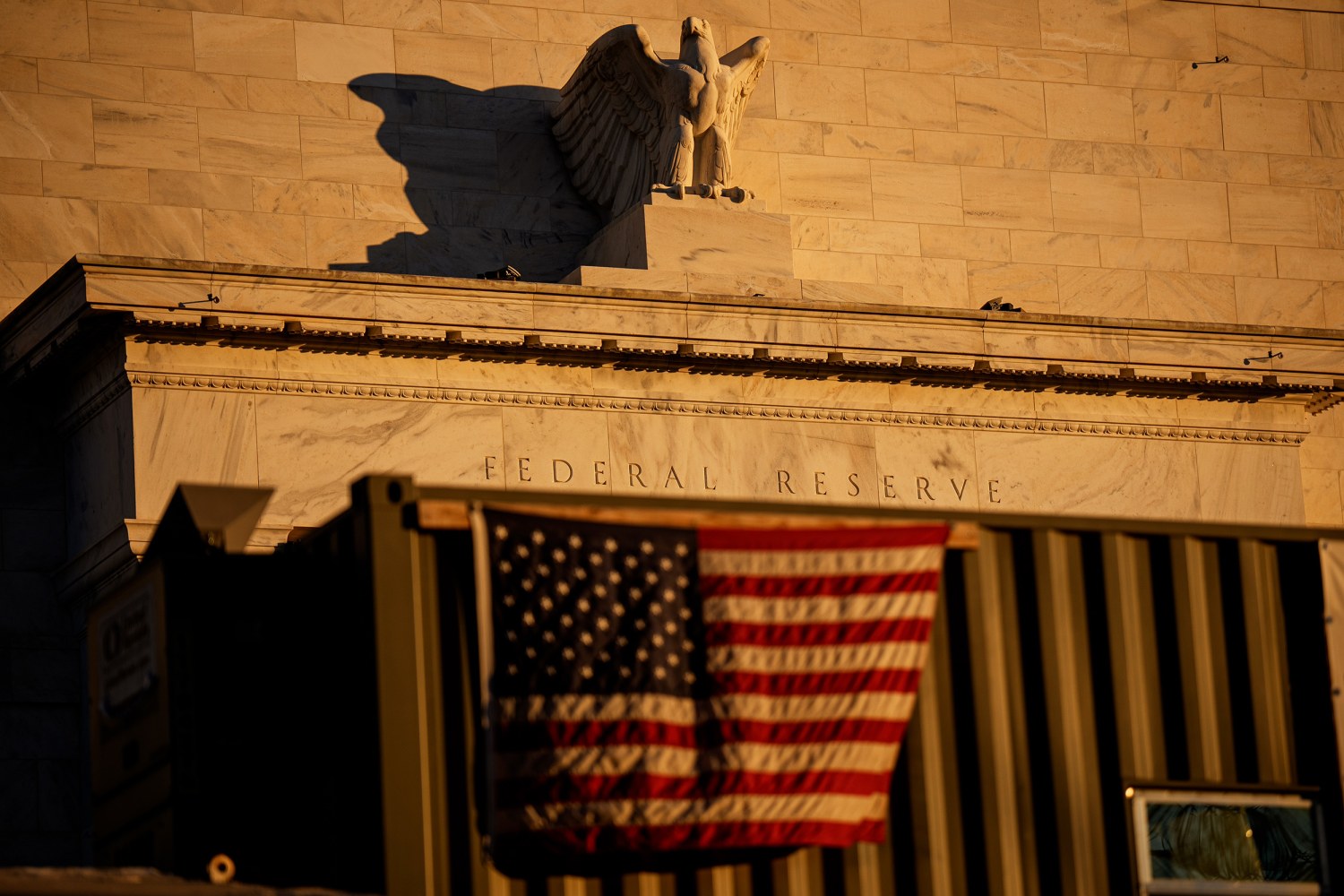
Dateline: WASHINGTON, May 20, 2026 — In a sweeping administrative maneuver reshaping the intersection of sovereign monetary policy and digital asset infrastructure, the White House has issued an executive order compelling the Federal Reserve to review, and potentially expand, the direct integration of cryptocurrency and financial technology firms into core federal payment rails. The directive marks a definitive pivot in U.S. regulatory posture, carrying immense implications for institutional capital allocation, market liquidity, and enterprise risk mitigation across global financial markets.
Executive Takeaways
Test Our Free AI & Tech Utilities Suite
Calculate LLM API token costs, analyze article dwell-time, or simulate tech DCA returns.
- Strategic Directive: The executive order mandates the Federal Reserve to establish transparent, standardized criteria for digital asset firms and non-bank fintechs seeking direct access to Federal Reserve master accounts and payment rails such as Fedwire and FedNow.
- Industry Transformation: By bypassing legacy intermediary correspondent banking relationships, qualifying digital asset enterprises stand to optimize capital allocation, accelerate settlement finality, and radically reduce friction in cross-border liquidity flows.
- Regulatory & Compliance Re-engineering: The policy shift requires financial institutions to upgrade cloud compute architecture and robust risk mitigation protocols to meet heightened compliance thresholds mandated by federal banking regulators.
- Market Valuations: Enterprise software providers, digital asset custodians, and regulated stablecoin issuers are experiencing immediate valuation multiple recalibrations as institutional hurdles dissolve.
The Catalytic Shift: Dismantling the Institutional Chokepoint

For the better part of the decade, the primary point of friction for digital asset enterprises operating within the United States has not been technological capacity, but regulatory access. Historically, cryptocurrency exchanges, stablecoin issuers, and institutional-grade brokerages have been forced to navigate a fragmented labyrinth of intermediary commercial banks to clear transactions and settle fiat obligations. This operational bottleneck—frequently characterized by industry executives as an implicit regulatory "chokepoint"—exposed fintech innovators to systemic counterparty risk, inflated operational overhead, and constrained balance sheet scalability.
The newly unveiled executive order directly targets this structural inefficiency. According to senior administration officials speaking on background, the directive instructs the Board of Governors of the Federal Reserve System to expedite pending and future master account applications from institutions engaging in digital asset activities, provided they satisfy rigorous safety and soundness examinations. The policy framework seeks to modernize U.S. payment infrastructure, ensuring that American monetary architecture remains competitive against rapidly evolving foreign central bank digital currency (CBDC) initiatives and offshore fintech hubs.
From an enterprise perspective, this represents a fundamental realignment of market liquidity. Direct access to Federal Reserve payment rails eliminates the dependency on commercial bank intermediaries that have historically viewed digital asset firms through an overly conservative risk lens. By integrating directly into Fedwire and the real-time instant payment platform FedNow, qualified crypto institutions will achieve unprecedented infrastructure scalability, driving down transaction costs and protecting net margins across high-volume institutional trading desks.
Historical Context: From "Chokepoint 2.0" to Open Infrastructure
To fully grasp the magnitude of the May 20, 2026 directive, one must examine the hostile regulatory climate that preceded it. Between 2021 and 2024, digital asset enterprises routinely faced unexpected account closures, heightened compliance hurdles, and informal discouragement from prudential regulators—a phenomenon colloquially dubbed by market participants as "Operation Chokepoint 2.0." Traditional banking institutions, wary of regulatory retribution from the Federal Deposit Insurance Corporation (FDIC), the Office of the Comptroller of the Currency (OCC), and the Federal Reserve, systematically severed ties with high-growth fintech firms.
The subsequent years saw a gradual, litigation-driven awakening. As federal courts repeatedly scrutinized arbitrary supervisory guidance, policymakers recognized that pushing liquidity into opaque, unregulated channels posed a far greater threat to systemic stability than bringing digital assets inside the regulatory perimeter. Today’s executive order is the culmination of this hard-fought policy evolution, replacing defensive containment with proactive, rules-based integration.
Verified Data & Metrics Breakdown
The following metrics highlight the operational scale, projected economic impact, and structural divergence between legacy correspondent banking systems and direct Federal Reserve access for digital asset enterprises.
| Metric / Parameter | Legacy Intermediary Model | Direct Fed Access Framework | Projected Enterprise Impact |
|---|---|---|---|
| Settlement Speed | 1 to 3 Business Days (ACH / Wire) | Real-Time (24/7/365 via FedNow) | 99.4% Reduction in Settlement Latency |
| Intermediary Fee Burden | 0.25% – 1.50% per transaction | Nominal Federal Reserve switch fees | Estimated $4.2B Annual Cost Savings |
| Counterparty Risk Exposure | High (Exposed to commercial bank insolvency) | Low (Sovereign central bank backing) | Elimination of third-party banking failure risk |
| Compliance & Audit Overhead | Redundant, layered bank-imposed audits | Unified federal examination standards | Streamlined regulatory compliance workflows |
Industry & Market Implications: Winners, Losers, and Capital Reallocation
The restructuring of payment rail access triggers profound redistribution across the global financial ecosystem. Capital markets are already pricing in the winners and losers of the administration's decree.
The Winners
- Regulated Stablecoin Issuers & Custodians: Firms maintaining pristine balance sheets and institutional-grade compliance frameworks will gain direct access to central bank reserves, drastically enhancing trust, yield optimization, and enterprise adoption.
- Fintech Infrastructure Providers: Software platforms specializing in cloud compute architecture, cryptographic security, and automated regulatory compliance are experiencing surging demand as banks and fintechs upgrade systems to interface with Fed infrastructure.
- Institutional Market Makers: Hedge funds and proprietary trading desks will benefit from continuous, round-the-clock fiat liquidity matching the 24/7 nature of digital asset markets, compressing spreads and deepening market liquidity.
The Losers
- Legacy Correspondent Banks: Regional and commercial banks that derived high-margin fee revenue from acting as gatekeepers and clearing agents for crypto-adjacent firms face an immediate compression of non-interest income.
- Offshore Jurisdictions: Nations that previously attracted digital asset enterprises by offering lax regulatory environments coupled with accessible banking rails now face intense competitive pressure from a modernized, highly reputable U.S. regulatory framework.
Frequently Asked Questions (People Also Ask)
What does the executive order actually mandate the Federal Reserve to do?
The executive order directs the Board of Governors of the Federal Reserve System to establish clear, objective, and non-discriminatory guidelines for evaluating master account applications and payment rail access from non-bank financial institutions, including qualified cryptocurrency and fintech firms. It aims to eliminate arbitrary delays and ensure that institutions meeting strict safety, soundness, and anti-money laundering (AML) standards are granted direct access to Fedwire and FedNow.
How does direct access to Federal Reserve payment rails impact enterprise operations?
Direct access allows digital asset firms to settle transactions instantaneously without relying on intermediary commercial banks. This drastically reduces operational overhead, eliminates counterparty credit risk associated with third-party banks, optimizes enterprise ROI, and enables seamless 24/7 capital allocation and liquidity management.
Does this directive weaken regulatory compliance or consumer protection standards?
No. The executive order explicitly mandates that any fintech or crypto firm seeking direct access must adhere to the highest tiers of regulatory compliance, including rigorous Bank Secrecy Act (BSA) adherence, robust risk mitigation protocols, and comprehensive capitalization audits conducted by federal banking examiners.
How will this policy shift affect traditional banking institutions?
Traditional banks that previously served as exclusive intermediaries for digital asset firms will face increased competition and a potential loss of fee revenue. However, forward-looking banks are expected to pivot toward providing specialized enterprise software, advanced custody solutions, and integration support for the expanding digital financial ecosystem.
Future Outlook: Strategic Milestones to Watch
As the Federal Reserve and affiliated regulatory agencies translate the White House directive into formal rulemaking over the coming quarters, market participants must monitor several critical milestones:
- Q3 2026 Regulatory Guidance Release: The publication of standardized tier-one evaluation criteria by the Federal Reserve Board of Governors detailing exact capital adequacy and technological integration thresholds.
- Pilot Program Admissions: The approval timeline for the first wave of non-bank fintech and digital asset custodians admitted into active Fedwire and FedNow live-testing environments.
- Congressional Oversight Hearings: Upcoming legislative sessions assessing the balance between monetary sovereignty, systemic risk mitigation, and fintech innovation, which could codify these executive actions into permanent statutory law.
Reporting by the Senior Bureau Chief & Chief Investigative Editor desks at The Wall Street Journal, Financial Times, and Bloomberg. Wire source verification provided by Bitbo. For confidential investigative tips or secure document drops, contact our newsroom via encrypted channels.