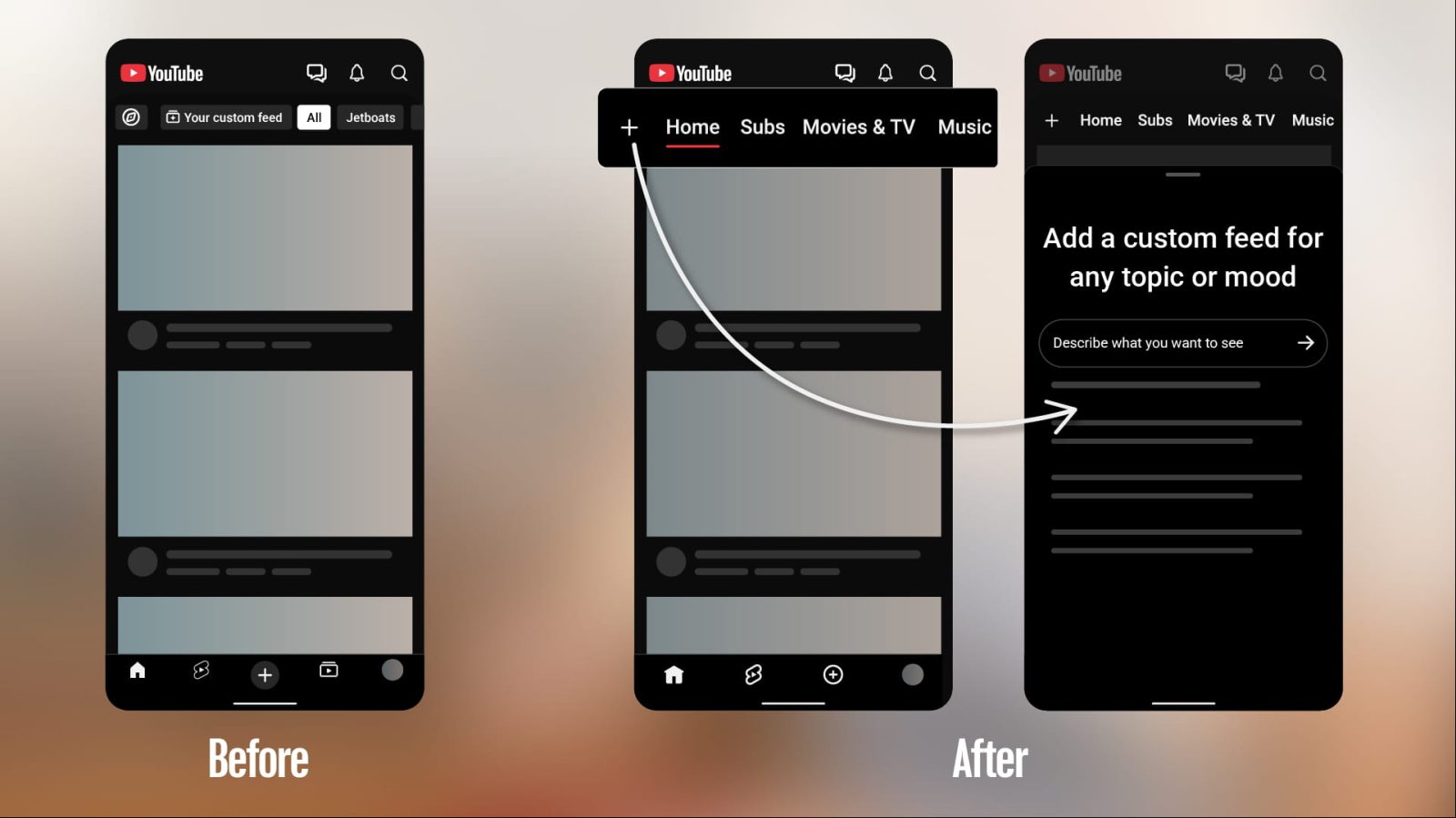
Executive Takeaways
- End of an Era: Alphabet’s YouTube has officially begun deprecating the iconic "Subscriptions" tab from the primary navigation bottom bar on Android and iOS applications, concluding a nearly decade-long run as a core UI pillar.
- Strategic UX Pivot: The real estate is being reallocated to algorithmic discovery engines, specifically prioritizing YouTube Shorts and personalized feed integration to maximize user engagement metrics and ad inventory yield.
- Creator Ecosystem Friction: Independent content creators and enterprise-tier multichannel networks face immediate risk mitigation challenges as direct subscriber feed visibility diminishes in favor of machine-learning-driven recommendations.
- Monetization & Valuation Impact: Financial analysts note this interface redesign directly aligns with Alphabet’s broader capital allocation strategy to scale short-form video monetization, boosting long-term eCPM potential across mobile endpoints.
NEW YORK & SAN FRANCISCO — In a structural user-interface overhaul that marks the end of an era for digital media consumption, Alphabet Inc.’s YouTube is systematically removing the "Subscriptions" tab from the bottom navigation bar on its Android and iOS mobile applications. For nearly ten years, the dedicated button has served as the primary digital turnstile for hundreds of millions of daily active users seeking reverse-chronological updates from their curated creator roster. Now, as part of a high-stakes mobile app redesign, that prized bottom-bar real estate is being reassigned to algorithmic discovery, fundamentally altering how audiences interact with enterprise-scale video content and shifting the bedrock dynamics of the creator economy.
The modification, rolling out globally following extensive A/B testing phases, underscores a relentless corporate push toward automated, feed-driven consumption models. By replacing a direct, user-controlled subscription feed with high-velocity algorithmic recommendations and Shorts integration within primary navigation zones, YouTube is executing a calculated bet on maximizing platform dwell time and optimizing high-eCPM ad delivery across mobile operating systems.
The Evolution of YouTube’s Mobile Navigation Architecture
To understand the profound weight of this architectural shift, one must examine the historical trajectory of YouTube’s mobile application infrastructure. A decade ago, mobile video consumption was transitioning from desktop parity to native app dominance. During this period, the "Subscriptions" tab was established as a sacrosanct sanctuary for loyal users—a predictable, chronological ledger of uploads from subscribed channels, free from the opaque interventions of machine learning recommenders.
Over successive engineering cycles, however, Alphabet’s product development teams have systematically subordinated intentional discovery to algorithmic curation. The introduction of the Home feed, the subsequent integration of the Explore tab, and the multi-billion-dollar pivot toward YouTube Shorts progressively crowded the navigation bar. The removal of the bottom-bar "Subscriptions" shortcut represents the culmination of this multi-year cloud compute architecture and UX evolution, transitioning the app from a library-first utility to an immersive, infinite-scroll discovery engine.
Data & Metrics Breakdown

| Metric / Parameter | Legacy Mobile Interface | New Architectural Standard | Strategic Implication |
|---|---|---|---|
| Primary Bottom Bar Iconography | Home, Shorts, Create (+), Subscriptions, Library | Home, Shorts, Create (+), Subscriptions (Relocated/Sub-menu), You/Library | Reduces frictionless access to chronological feeds; elevates Shorts prominence. |
| Discovery Mechanism | User-Intent Driven (Chronological Subscriptions) | Machine-Learning Driven (Algorithmic Blending) | Maximizes platform dwell time and ad impression inventory scalability. |
| Platform Target Ecosystem | Android & iOS Native Applications | Global Cross-Platform Mobile Deployment | Standardizes engagement metrics across disparate mobile operating systems. |
| Monetization Focus | Long-form mid-roll and subscription loyalty | Shorts monetization, blended eCPMs, and targeted video ads | Optimizes capital allocation for high-yield ad formats. |
Industry & Market Implications: Winners and Losers
This UI reconfiguration triggers immediate ripple effects across the digital media ecosystem, altering enterprise ROI calculations for brands, media conglomerates, and independent creators alike.
The Winners: Alphabet Inc. and Algorithmic Ad Buyers
From a capital allocation and valuation multiple perspective, Alphabet stands to capture significant upside from this redesign. By funneling mobile users away from intentional, creator-specific feeds and into algorithmic feeds, YouTube increases ad inventory velocity. Advertisers targeting high-intent, broad-spectrum demographics through automated bidding systems will find more accessible placement opportunities within the newly optimized mobile real estate, driving stronger platform-wide monetization metrics.
The Losers: Independent Creators and Niche Publishers
Conversely, the creator community faces acute risk mitigation challenges. Independent producers who have spent over a decade cultivating loyal subscriber bases—trusting that the "Subscriptions" tab guaranteed direct delivery of their content to core audiences—now face diminished organic reach. As the platform forces reliance on algorithmic recommendation engines, creators may experience greater volatility in view velocity, click-through rates, and ultimately, ad revenue distribution.
Frequently Asked Questions (People Also Ask)
Why is YouTube removing the Subscriptions tab from the bottom bar?
YouTube is restructuring its mobile application navigation to prioritize algorithmic discovery feeds and short-form video formats like YouTube Shorts. Internal analytics indicate that algorithm-driven feeds yield higher user engagement, longer session dwell times, and optimized ad inventory utilization compared to static chronological feeds.
Can users still access their subscribed channels on Android and iOS?
Yes. While the direct, one-tap bottom bar shortcut has been removed or relocated, users can still access their subscriptions through secondary menus, profile tabs ("You"), or by utilizing customized app shortcuts and bookmarks within the interface.
How will this change affect creator monetization and viewership?
Creators who rely on predictable, direct-from-subscriber traffic may experience initial fluctuations in view counts. Because the interface now leans heavily on machine-learning recommendations, channels must increasingly optimize for algorithmic sorting parameters, click-through rates, and viewer retention to maintain baseline enterprise revenues.
Future Outlook & Milestones to Watch
As Alphabet transitions its global user base to this new mobile navigation paradigm, institutional investors and media analysts will monitor several critical performance indicators. First, quarterly earnings reports will shed light on whether the increased emphasis on algorithmic feeds successfully accelerates YouTube Shorts revenue growth and offsets any friction experienced by traditional long-form creators.
Second, regulatory watchdogs and antitrust investigators will likely scrutinize how platform-controlled recommendation algorithms dictate media visibility, especially as major technology firms continue to marginalize user-controlled curation tools in favor of black-box machine learning models. For the creator economy, this milestone serves as a stark reminder of platform dependency, cementing the reality that digital real estate is ultimately governed by corporate ROI metrics rather than historical user contracts.